Grilled chicken earns its spot in the regular rotation when the outside picks up a little char and the inside stays juicy enough to slice cleanly without losing all its juices on the cutting board. This version does both. The marinade pulls in a little salt from the soy sauce, brightness from lemon, and enough mustard and Worcestershire to give the chicken a deeper, more savory backbone than the usual quick-grill treatment.
The key is balance. Brown sugar helps the chicken caramelize instead of drying out, while olive oil keeps the marinade moving across the surface so the garlic, paprika, and pepper don’t clump up in one spot. A longer rest in the fridge gives the seasoning time to work into the meat, and a hot grill finishes the job with those clean marks and a little bit of crisp at the edges.
Below, I’ll walk you through the part that matters most: how long to marinate, when to turn the chicken, and how to keep it from going stringy or overcooked. There’s also a practical storage note and a few smart swaps if you’re working with what’s already in the kitchen.
The marinade gave the chicken great flavor all the way through, and the sugar helped it get those nice grill marks without burning. I used thighs and they stayed juicy after resting.
Save this all-star grilled chicken for the nights when you want smoky grill marks, a juicy center, and a marinade that tastes like it had time to work.
The Marinade Matters More Than the Grill Marks
Grilled chicken fails when the seasoning sits on the surface instead of getting time to settle in. A fast brush-on marinade can make the outside taste good, but the center stays flat. This version uses soy sauce, lemon juice, Worcestershire, and Dijon to season the meat from the inside out, then the olive oil helps carry those flavors evenly across every piece.
The other thing that matters is the sugar. Brown sugar is not there for sweetness alone; it helps the chicken brown faster and gives you better color before the meat overcooks. If your chicken usually comes off the grill pale and dry, the problem is often that the heat is too low for too long or the marinade was too thin to help with browning.
What Each Ingredient Is Actually Doing in the Marinade
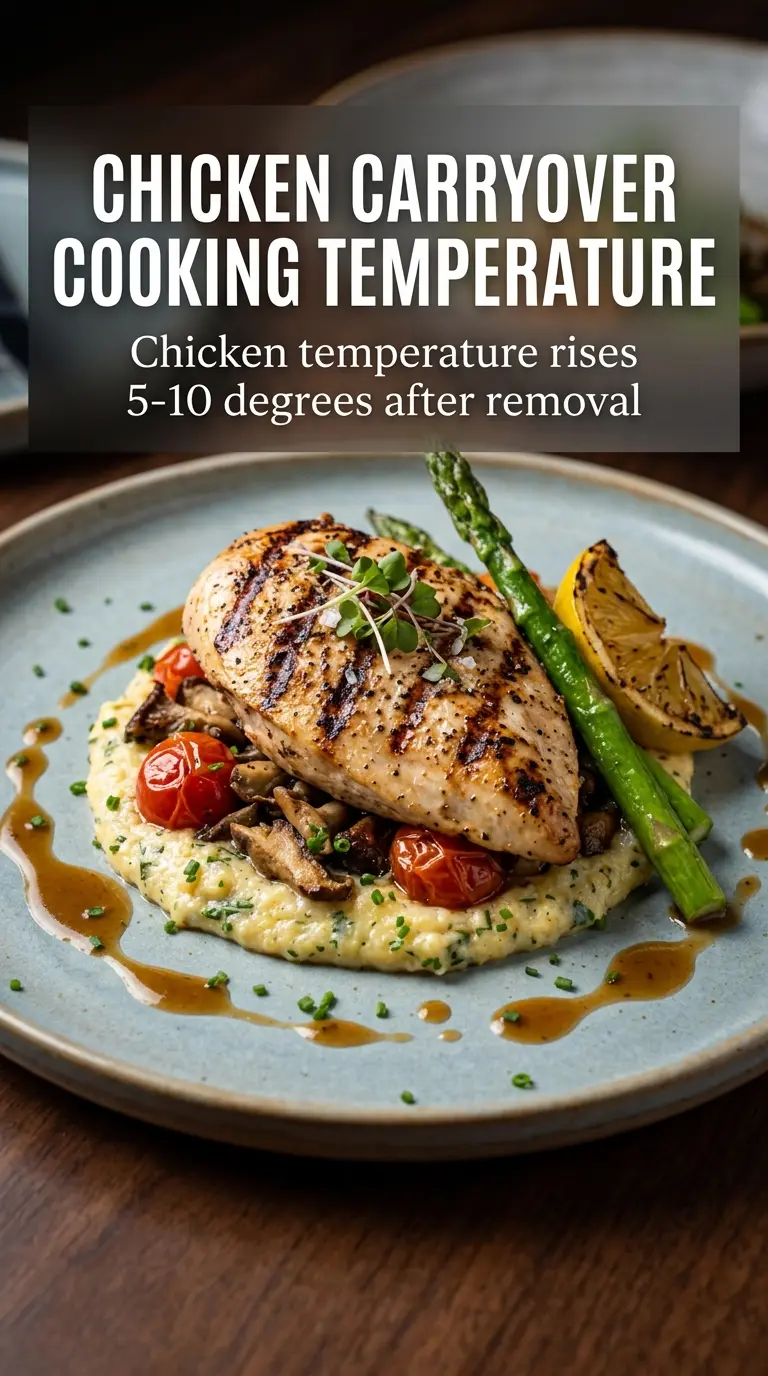
- Chicken pieces — Bone-in pieces stay juicier on the grill than boneless breasts, but either works. If you use breasts, pull them as soon as they hit 165°F so they don’t dry out.
- Olive oil — This keeps the marinade from feeling sharp and helps the seasonings coat the chicken instead of sliding off. Any neutral oil works in a pinch, but olive oil gives the chicken a fuller taste.
- Soy sauce — This is your salt and depth all in one. Use regular soy sauce unless you’re watching sodium closely; low-sodium soy sauce is the best swap if you want to keep the same flavor with less salt.
- Lemon juice — It brightens the marinade and keeps the grilled chicken from tasting heavy. Fresh lemon juice gives the cleanest flavor, and bottled juice works if that’s what you have.
- Worcestershire sauce and Dijon mustard — These add a savory edge that makes the marinade taste more complete. Dijon also helps emulsify the marinade so the oil and acids stay blended long enough to coat the chicken well.
- Brown sugar, paprika, garlic, and black pepper — These build color and aroma. The garlic should be minced finely so it doesn’t burn on the grill, and the paprika helps the outside take on a warm, classic look.
Getting the Chicken to Grill Juicy, Not Dry
Mix the marinade until it looks cohesive
Whisk the olive oil, soy sauce, lemon juice, Worcestershire, Dijon, garlic, brown sugar, pepper, and paprika until the sugar breaks down and the mixture looks smooth, not streaky. If the sugar is sitting in a gritty layer at the bottom, it won’t distribute evenly and the chicken will marinate unevenly. The garlic should be suspended in the liquid, not sitting in a clump.
Let the chicken rest in the fridge long enough
Coat the chicken pieces well and marinate them for at least 2 hours and up to 8 hours in the refrigerator. Less than that, and you’ll taste the outside more than the meat itself. Don’t push it much past 8 hours with this marinade because the lemon can start to work the texture too hard and make the surface a little soft.
Use medium-high heat and give the chicken space
Preheat the grill before the chicken goes on so the surface sears quickly and the sugars in the marinade don’t smear and stick. Lay the pieces with a little space between them. If the grill is crowded, the chicken steams instead of browning, and you lose the marks and the flavor that come from real contact with the grates.
Pull it at temperature, then let it settle
Turn the chicken occasionally and cook until the thickest part reaches 165°F. If the outside looks done but the inside is still under temperature, move the pieces to a cooler part of the grill instead of blasting them with direct heat. Rest the chicken for 5 minutes before serving so the juices stay in the meat instead of running out the second you cut into it.
How to Adjust This Grilled Chicken for Different Nights
Make it with boneless chicken breasts
Boneless breasts cook faster and leaner, so start checking early and pull them the moment they hit 165°F. They won’t have quite the same built-in juiciness as thighs or bone-in pieces, but the marinade helps protect them from drying out.
Swap in chicken thighs for extra juiciness
Thighs are the easiest route if you want forgiving grilled chicken with deeper flavor. They can handle a little more grill time without drying out, and the skin-on version picks up especially good color.
Make it gluten-free
Use a gluten-free soy sauce or tamari and check that your Worcestershire sauce is gluten-free. The flavor stays close to the original, and the marinade still browns beautifully on the grill.
Reduce the sugar for a less sweet finish
Cut the brown sugar to 1 tablespoon if you want a more savory edge. You’ll still get decent browning, but the crust will be a touch less caramelized and the marinade will taste sharper.
Storage and Reheating
- Refrigerator: Store cooked chicken in an airtight container for up to 4 days. It stays moist best when kept in larger pieces instead of sliced thin.
- Freezer: Freeze for up to 2 months. Wrap tightly or use a freezer bag and thaw it in the fridge overnight so the texture stays closer to fresh.
- Reheating: Reheat gently in a covered skillet over low heat with a splash of water, broth, or pan juices. High heat dries out grilled chicken fast and makes the edges tough before the center warms through.
Answers to the Questions Worth Asking
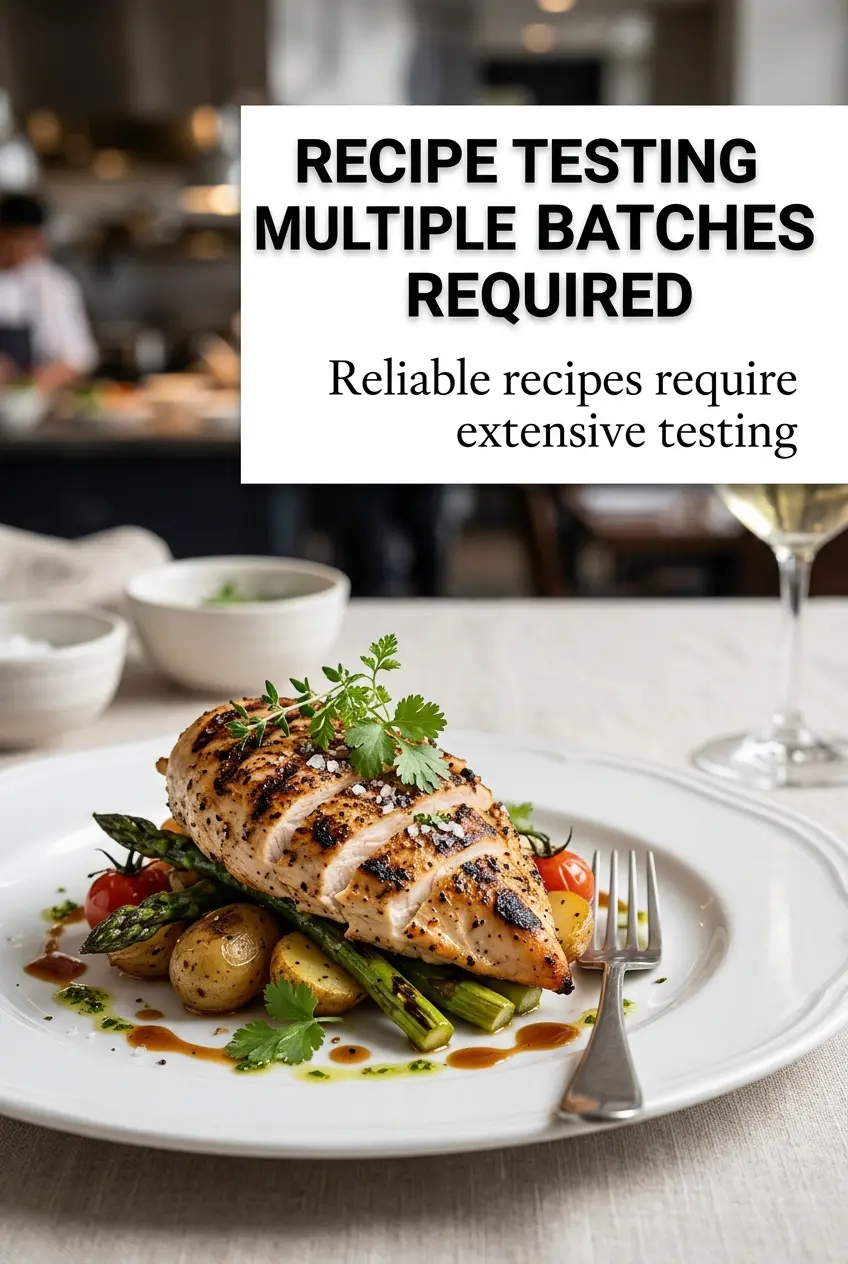
All-Star Grilled Chicken
Ingredients
Equipment
Method
- Whisk together olive oil, soy sauce, lemon juice, Worcestershire sauce, Dijon mustard, minced garlic, brown sugar, black pepper, and paprika until evenly combined, with no dry streaks visible.
- Place the chicken pieces in a shallow dish or bag and coat with the marinade, ensuring each piece is covered and lightly pooled on the bottom.
- Refrigerate the chicken for 2-8 hours so the marinade clings to the surface; keep it chilled and avoid leaving it out, visibly it should stay coated.
- Preheat the grill to medium-high heat, aiming for steady heat with clear grill marks you can anticipate on contact.
- Grill chicken, turning occasionally, until the internal temperature reaches 165°F, and look for browned grill marks and juices that run clear when pierced.
- Transfer chicken to a plate and let rest for 5 minutes before serving, so the surface stays glossy and the juices redistribute.