Thin-sliced ribeye, melted cheese, and caramelized onions on a toasted hoagie roll hit that sweet spot between diner food and backyard cooking. The Blackstone gives you the kind of hard, even heat that sears the steak fast while the onions and peppers soften and pick up a little edge of sweetness. When everything comes together in the roll, you get a sandwich that’s juicy without being messy and sturdy without going dry.
The trick here is keeping the steak in thin, chopped pieces and cooking it hot and fast. Ribeye earns its place because the marbling keeps the meat tender even after it hits the griddle, and the onions and peppers need enough time to deepen before the steak goes on. Cheese Whiz will give you the most classic street-cart melt, while provolone brings a cleaner, milder finish that still clings to the meat.
Below, I’m walking through the little details that make the difference on a griddle sandwich like this: how to keep the steak tender, when to salt it, and why the rolls should be toasted last so they stay crisp under the filling.
The steak stayed tender and the onions caramelized right on the griddle without burning. I used provolone, and the sandwiches came out hot, melty, and perfect after only a few minutes of assembling.
Save this Blackstone Philly cheesesteak for the nights when you want a hot, melty sandwich with caramelized onions and crisp toasted rolls.
The Fast Sear That Keeps Ribeye Tender Instead of Tough
Ribeye is the right cut here because the fat melts quickly on a hot griddle, which keeps the steak juicy even after it’s chopped and folded into the sandwich. The part most people miss is that thin steak needs a quick sear, not a long cook. If it sits on the heat too long, the edges dry out before the center has a chance to stay tender.
The other thing that matters is timing. Get the onions and peppers cooked first, then move them aside so the steak can hit the hottest part of the surface. That way the meat browns instead of steaming in its own juices, and you can combine everything at the end without overcooking the filling.
What Each Ingredient Is Doing on the Griddle
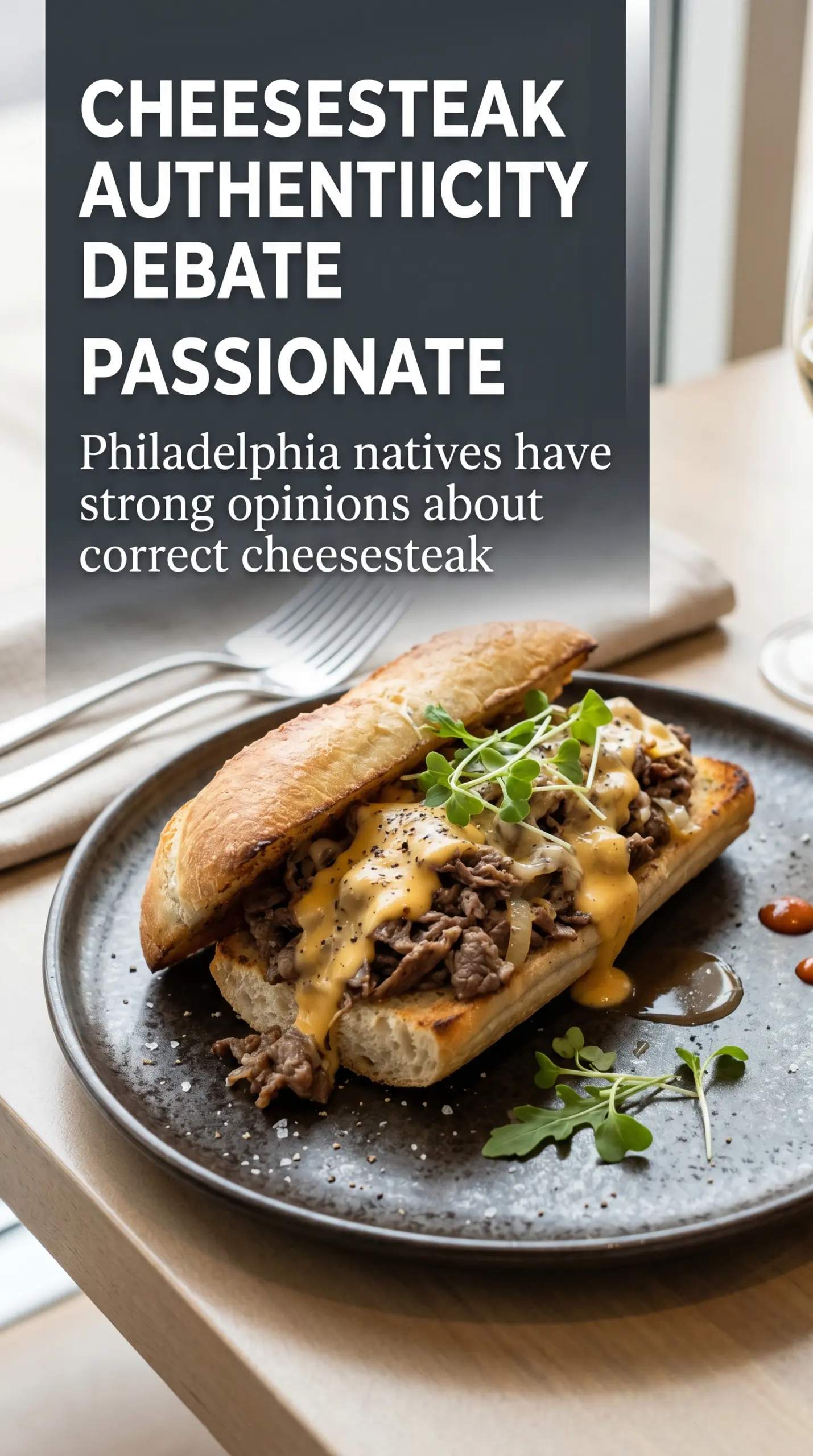
- Ribeye steak — This is what gives the sandwich its rich, beefy texture. Slice it thin against the grain and it cooks fast enough to stay tender. If you can’t find ribeye, sirloin works, but it won’t have the same buttery finish.
- Onions and green bell peppers — They bring sweetness and a little bite that balances the cheese and beef. Let them cook until the onions are soft and the edges start to brown; if they go in raw at the end, they taste sharp instead of layered.
- Provolone or Cheese Whiz — Provolone melts into a cleaner, stretchier coating, while Cheese Whiz gives you that classic salty, ultra-smooth cheesesteak finish. Both work, but neither should go on too early or they’ll seize up before the roll is ready.
- Hoagie rolls — A soft roll with enough structure to hold hot filling is the goal. Toasting the cut sides with butter keeps the sandwich from getting soggy the second you scoop the steak in.
- Oil and butter — Oil handles the high heat for cooking; butter is for the rolls, where flavor matters more than smoke point. Don’t use butter for the whole cook or it’ll brown too fast on the griddle.
Building the Sandwich in the Right Order
Start With the Onions and Peppers
Heat the Blackstone to medium-high and add the oil, then spread the onions and peppers in an even layer. Let them sit long enough to pick up color before stirring, because constant movement keeps them pale and watery. When the onions turn soft and the edges look golden, slide them to the cooler side of the griddle so they stay warm without burning.
Cook the Steak Hot and Fast
Season the sliced ribeye with salt and pepper, then lay it on the hottest part of the griddle. Chop it with spatulas as it cooks so the pieces stay small and sandwich-friendly. You’re looking for browned edges and no raw shine left in the center; if the pan starts crowding, cook in batches so the meat sears instead of steaming.
Melt the Cheese Before It Hits the Roll
Divide the steak into four portions and top each with cheese while it’s still on the griddle. Give it just long enough to soften and melt over the meat, not long enough to dry out the beef underneath. If you’re using provolone, cover the portions briefly with a dome or a sheet pan lid to help the melt happen evenly.
Toast the Rolls Last
Butter the hoagie rolls and toast them cut-side down until they’re golden. This step only takes a minute or two, but it keeps the sandwich from collapsing under the filling. Scoop the cheesy steak mixture into the rolls immediately so the bread stays crisp at the edges and soft inside.
Three Smart Ways to Adapt This Cheesesteak
Provolone Instead of Cheese Whiz
Provolone gives you a milder, less salty sandwich with a clean melt and a little more structure. Use it when you want the beef and onions to stay front and center. Cheese Whiz is richer and saltier, but it brings the most classic cheesesteak-style finish.
Gluten-Free Version
Swap in sturdy gluten-free sandwich rolls that can handle hot filling without falling apart. Toasting them matters even more here because gluten-free bread softens fast once the meat goes in. Keep the filling the same and serve immediately for the best texture.
Mushroom and Onion Cheesesteak
Replace half the steak with sliced mushrooms if you want a heavier vegetable component and a deeper savory base. Let the mushrooms cook until their liquid evaporates before adding the steak, or the whole mixture will turn wet. This version still tastes hearty, but the texture shifts toward softer and more earthy.
Dairy-Free Cheesesteak
Use a dairy-free melt that behaves like sliced cheese, or skip the cheese and add an extra splash of oil to keep the filling juicy. The sandwich will still taste beefy and satisfying, but you lose the creamy finish that ties everything together. Butter the rolls with oil instead so they toast well without dairy.
Storage and Reheating
- Refrigerator: Store the steak, vegetables, and rolls separately for up to 3 days. The filling holds up well, but the bread will turn soft if it sits assembled.
- Freezer: The cooked steak mixture freezes well for up to 2 months. Freeze it without the rolls, then thaw overnight in the fridge before reheating.
- Reheating: Reheat the filling in a hot skillet or on the griddle until it’s steaming and the cheese loosens again. Don’t microwave the assembled sandwich if you want the bread to stay intact; it turns gummy fast.
Answers to the Questions Worth Asking
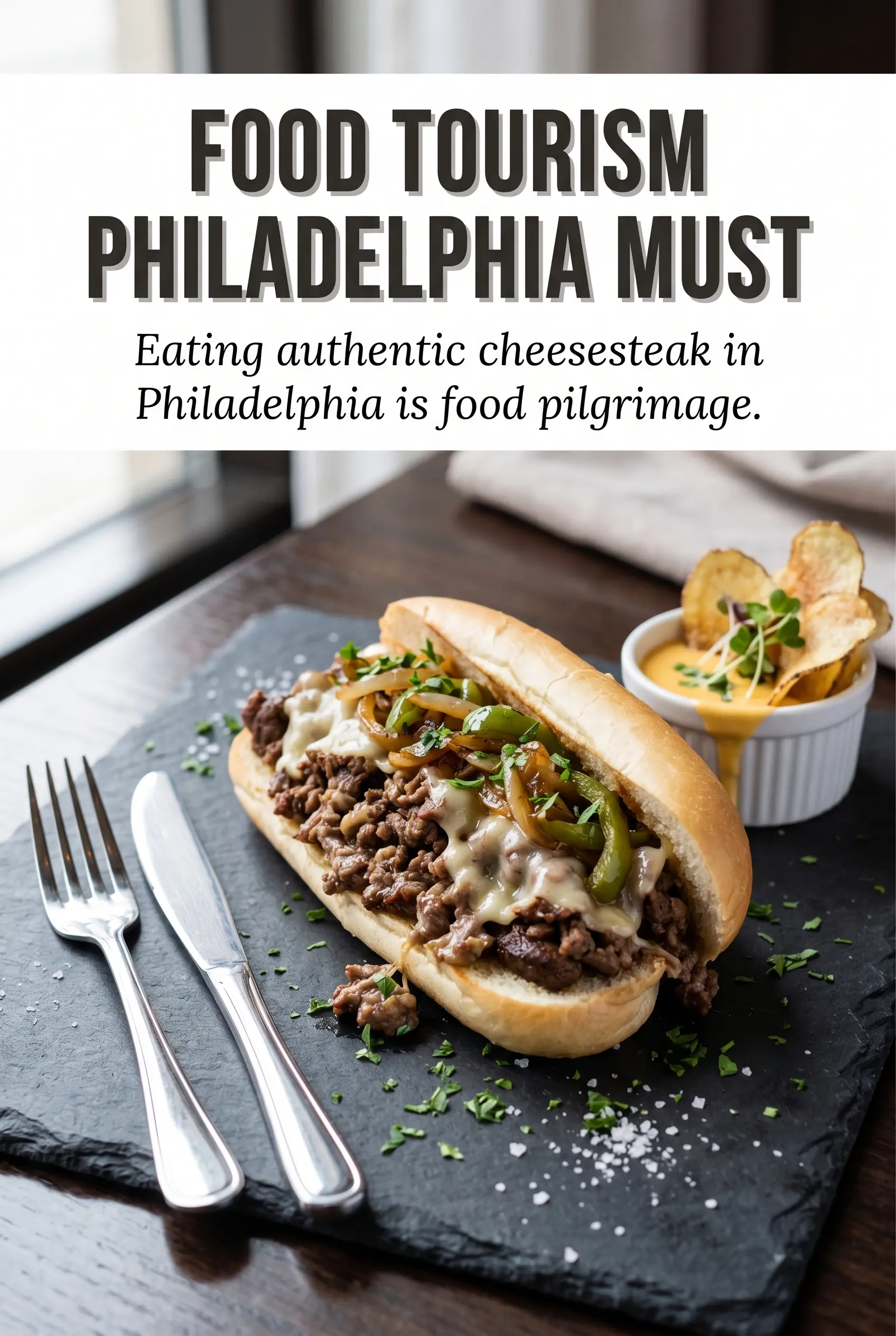
Authentic Blackstone Philly Cheesesteak
Ingredients
Equipment
Method
- Heat the Blackstone griddle to medium-high heat and add the oil.
- Cook the onions and green bell peppers until caramelized, about 8-10 minutes, then move them to the side.
- Season the ribeye steak with salt and pepper.
- Cook the steak on the hot griddle for 3-4 minutes, chopping with spatulas as it cooks.
- Divide the steak into 4 portions and top each with provolone cheese, allowing it to melt.
- Butter and toast the hoagie rolls on the griddle until golden.
- Scoop each steak portion with the onions and green bell peppers into toasted rolls and serve immediately.