Golden potatoes, crisp-edged sausage, sweet peppers, and runny eggs make this Blackstone breakfast hash the kind of breakfast that disappears fast. It hits the pan with enough surface area to brown instead of steam, which is the whole reason griddle breakfast tastes better than a crowded skillet on the stove. Every bite gets a mix of crispy, soft, salty, and rich, and the eggs turn it from a side dish into a full meal.
The trick here is giving each ingredient its own space on the griddle before bringing everything together. Potatoes need time and contact to turn deeply golden. Sausage needs room so it browns instead of going gray, and the vegetables go in after that so they soften without washing out the crispy bits underneath. When you crack the eggs into the wells at the end, the hash underneath stays hearty while the tops finish just enough to keep the yolks usable.
Below, I’ll walk through the little details that keep the potatoes crisp, the sausage browned, and the eggs exactly where you want them. I’ve also included a few smart swaps and the timing cues that matter most on a Blackstone.
The potatoes got those crisp little edges I was hoping for, and the eggs cooked right on top without making the hash soggy. My husband kept scraping the griddle for the browned bits.
Like this Blackstone Breakfast Hash? Save it for the mornings when you want crispy potatoes, browned sausage, and eggs cooked right on the griddle.
The Part Most People Get Wrong: Crowding the Griddle
The difference between crisp breakfast hash and a soft, steamy pile of potatoes comes down to space. On a Blackstone, the potatoes need direct contact with the hot metal so the surfaces dry out and brown before they start to break down. If you dump everything together too early, the moisture from the onions, peppers, and sausage turns the potatoes soft before they ever get a real crust.
That’s why this recipe works best in stages. The potatoes go first and stay put long enough to take on color. The sausage cooks separately so it can brown instead of simmer, and the vegetables go in after that so they soften without stealing heat from the potatoes. When everything comes together at the end, the hash tastes layered instead of muddy.
- Potatoes — Dice them small and evenly so they cook through at the same pace. Larger pieces take longer to crisp and often end up with a burnt outside and a raw center.
- Breakfast sausage — Use a sausage with enough fat to brown well. Turkey sausage works, but it won’t give you quite the same savory drippings on the griddle.
- Bell peppers and onion — These add sweetness and balance, but they also release water. Cook them after the sausage so they don’t cool the griddle before the potatoes are ready.
- Cheddar cheese — Freshly shredded melts more evenly than pre-shredded cheese, which is coated to keep it from clumping. That coating can make the top a little grainier.
What Each Ingredient Is Doing in the Hash
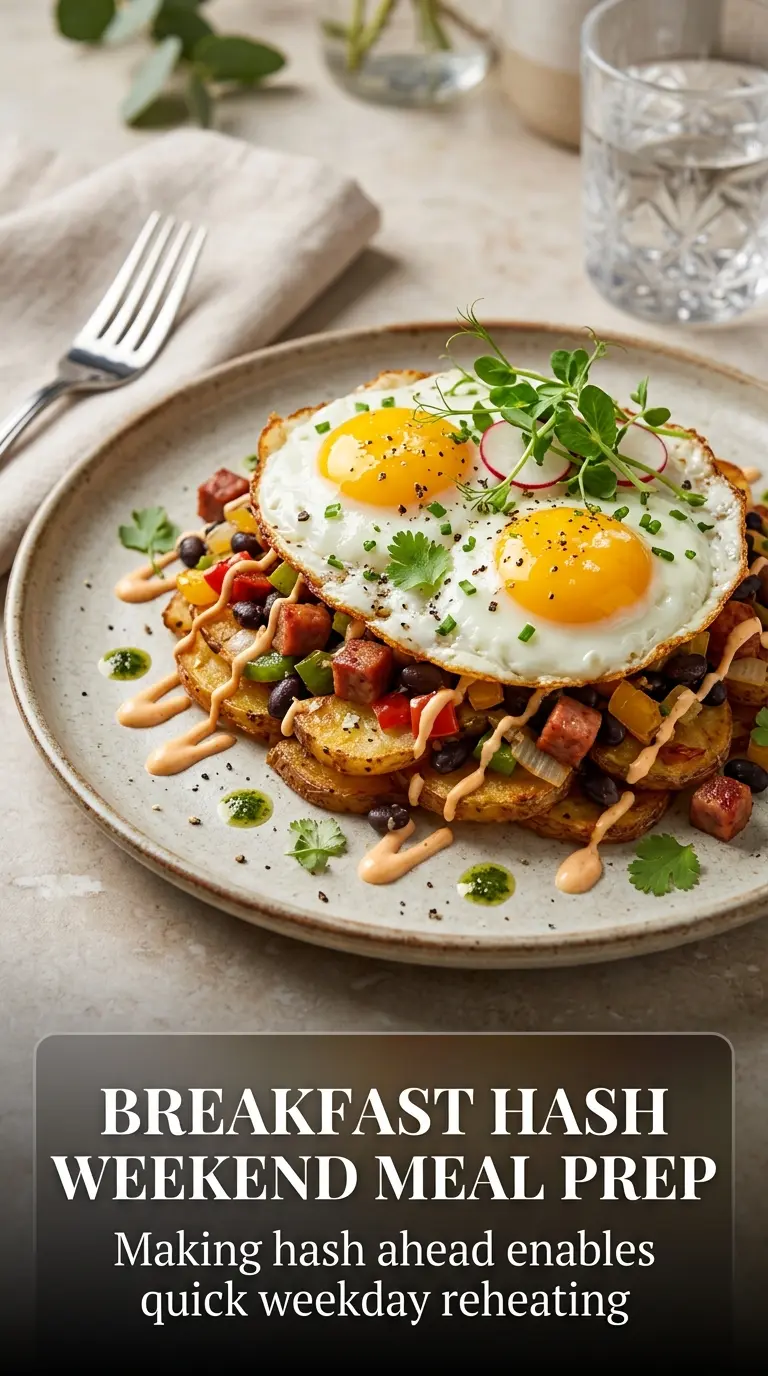
- Potatoes — Yukon Golds hold their shape and turn creamy inside, while russets crisp a little faster. Either works, but dice them small and keep them moving only after the bottom has browned.
- Breakfast sausage — This is the main seasoning in the dish. If you swap in bacon, you’ll get a smokier, saltier hash that needs less added salt.
- Oil — The griddle needs enough fat to keep the potatoes from sticking while they brown. Don’t cut it too far or the hash will glue itself to the surface before it releases cleanly.
- Eggs — Cracking them into wells keeps the yolks centered and makes serving easier. If you want firmer eggs, cover the griddle so the tops set without overcooking the bottoms.
Building the Hash in the Right Order
Getting the Potatoes Crispy First
Heat the Blackstone to medium-high, add the oil, then spread the diced potatoes in a single layer. Let them sit long enough to turn golden on the first side before stirring, because constant movement keeps them pale. They’re ready when the edges feel crisp and you can smell that toasted potato aroma drifting off the griddle.
Brown the Sausage, Don’t Steam It
Cook the sausage on a separate section and break it up as it cooks. If the pieces start to pile up, spread them back out so they can brown against the hot surface. You want browned bits and a little crispness at the edges, not a gray crumble sitting in its own moisture.
Soften the Vegetables Without Losing the Crunch
Add the onions and peppers after the sausage, using the remaining oil if the griddle looks dry. They should soften and pick up color around the edges, but they shouldn’t collapse into mush. When the onions turn translucent and the peppers lose their raw snap, they’re ready to join the potatoes.
Finish With the Eggs and Cheese
Combine everything, then make six wells and crack an egg into each one. Top with cheese, cover if you can, and cook just until the whites set and the yolks are at the point you like. Pull it early if you want runny yolks, because the residual heat keeps cooking for another minute or two after it comes off the griddle.
How to Change This Hash Without Losing What Makes It Work
Make It Dairy-Free
Skip the cheddar or use a dairy-free shredded cheese that melts well. You’ll lose a little of the gooey finish, but the potatoes, sausage, and eggs carry the dish just fine on their own.
Use Bacon Instead of Sausage
Bacon gives you a smokier hash and extra rendered fat, which means you may need less oil on the griddle. Chop it before cooking so it browns evenly and doesn’t curl into big strips that make the hash hard to serve.
Make It Vegetarian
Use plant-based sausage or skip the meat and add extra peppers and onions. The hash will be lighter, so a pinch of smoked paprika helps replace some of the savory depth you’d normally get from sausage drippings.
Storage and Reheating
- Refrigerator: Store leftovers for up to 4 days. The potatoes lose some crispness, but the flavor holds up well.
- Freezer: The hash itself freezes for up to 2 months, but the eggs don’t freeze well once cooked. Freeze the potato, sausage, and vegetable mixture separately if you want the best texture.
- Reheating: Reheat in a skillet or back on the griddle over medium heat until hot. Microwaving makes the potatoes soft and can turn the eggs rubbery, so use it only if you’re in a hurry.
Questions I Get Asked About This Recipe
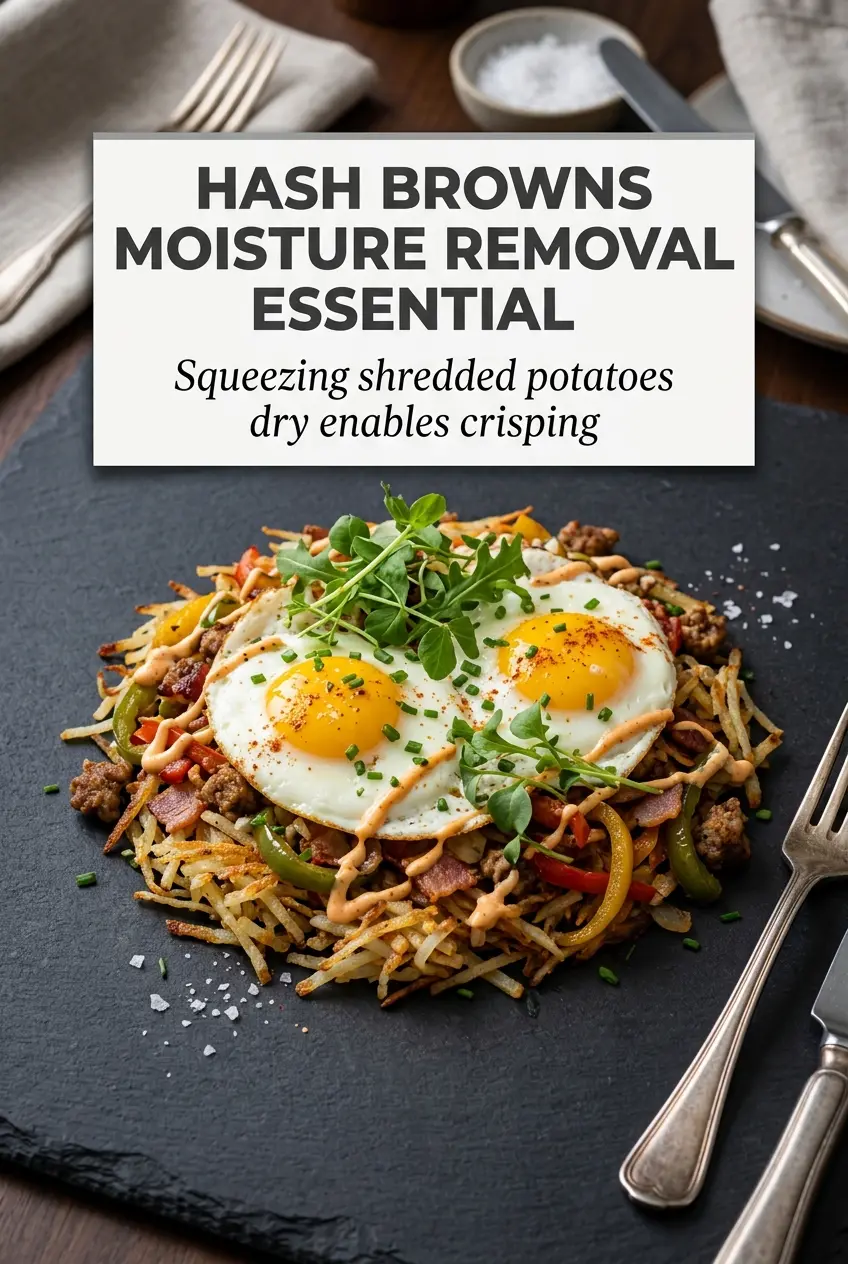
Blackstone Breakfast Hash
Ingredients
Equipment
Method
- Heat the griddle to medium-high and add 2 tablespoons oil. You should see a light shimmer in the oil when it’s ready.
- Cook the diced potatoes for 12-15 minutes, stirring occasionally, until golden and crispy. Look for browned edges and reduced sticking as they crisp.
- Cook the breakfast sausage on another section of the griddle, breaking it up as it cooks. Continue until no pink remains and the sausage begins to brown.
- Add the remaining oil, onions, and peppers to the griddle, cooking until softened. Stir until the onions turn translucent and the peppers lose their crunch.
- Combine the potatoes, sausage, and vegetables, then spread the hash out evenly. Create 6 wells in the mixture so each egg has a spot to sit.
- Crack an egg into each well, then top with the shredded cheddar cheese. Cover if possible so the cheese melts and the whites set.
- Cook until the eggs reach your desired doneness. The yolks should look runny if you stop while they still jiggle slightly.
- Season with salt and pepper, garnish with fresh parsley, and serve immediately. Finish with hot sauce on top for extra heat.