Blackstone Philly cheesesteak sandwiches hit that sweet spot where the steak stays juicy, the onions go soft and sweet, and the provolone melts right into the meat instead of sitting on top like an afterthought. Piled into a toasted hoagie roll, they’ve got the kind of hot, messy, satisfying bite that disappears fast at the griddle and somehow tastes even better standing at the counter with paper towels nearby.
The Blackstone earns its keep here because you can cook the vegetables, steak, and rolls in a tight rhythm without crowding the pan. Thinly sliced ribeye cooks fast and stays tender if you leave it alone long enough to brown before chopping it up. The onions and peppers need a little patience first; that sweetness is what keeps the sandwich from tasting flat.
Below, I’ve laid out the little details that matter most: how to get the steak tender instead of chewy, when to move the vegetables off the heat, and how to toast the rolls so they hold up under all that melted cheese. There’s also a few useful swaps if you want to change the cheese or use what’s already in the fridge.
The steak stayed tender, the onions got beautifully sweet, and the cheese melted right over everything without turning greasy. Toasting the rolls on the griddle made the sandwich hold together all the way through.
These Blackstone Philly cheesesteak sandwiches are all about the tender ribeye, caramelized onions, and that provolone melt.
The Part Most People Get Wrong: Cooking the Steak Too Long
Ribeye is the right choice because it has enough fat to stay juicy on a hot griddle, but it still only needs a few minutes. The trap is treating the steak like a slow-simmered filling. It isn’t. Thin slices need direct heat, a little space, and a quick chop only after they’ve had a chance to brown. If you start stirring immediately, you end up steaming the meat and losing that browned edge that gives the sandwich its depth.
The vegetables need their own head start. Onions and peppers release a lot of moisture, and if they stay with the steak from the beginning, the whole griddle turns wet. Cook them first, let that liquid cook off, and pull them aside before the meat goes down. That separation is what keeps the sandwich from tasting mushy.
- Ribeye — This is the flavor and tenderness anchor. It’s worth buying good ribeye here because lean cuts can dry out fast on a hot griddle.
- Hoagie rolls — A sturdy roll matters more than people think. Soft sandwich bread collapses under the juices, while a proper hoagie holds shape after toasting.
- Provolone — Mild provolone melts cleanly and doesn’t fight the beef. If you use sharper cheese, the sandwich changes character fast.
- Bell peppers and onions — These bring sweetness and balance. Slice them evenly so they cook at the same pace and don’t leave you with scorched bits next to raw ones.
What Each Ingredient Is Actually Doing on the Griddle
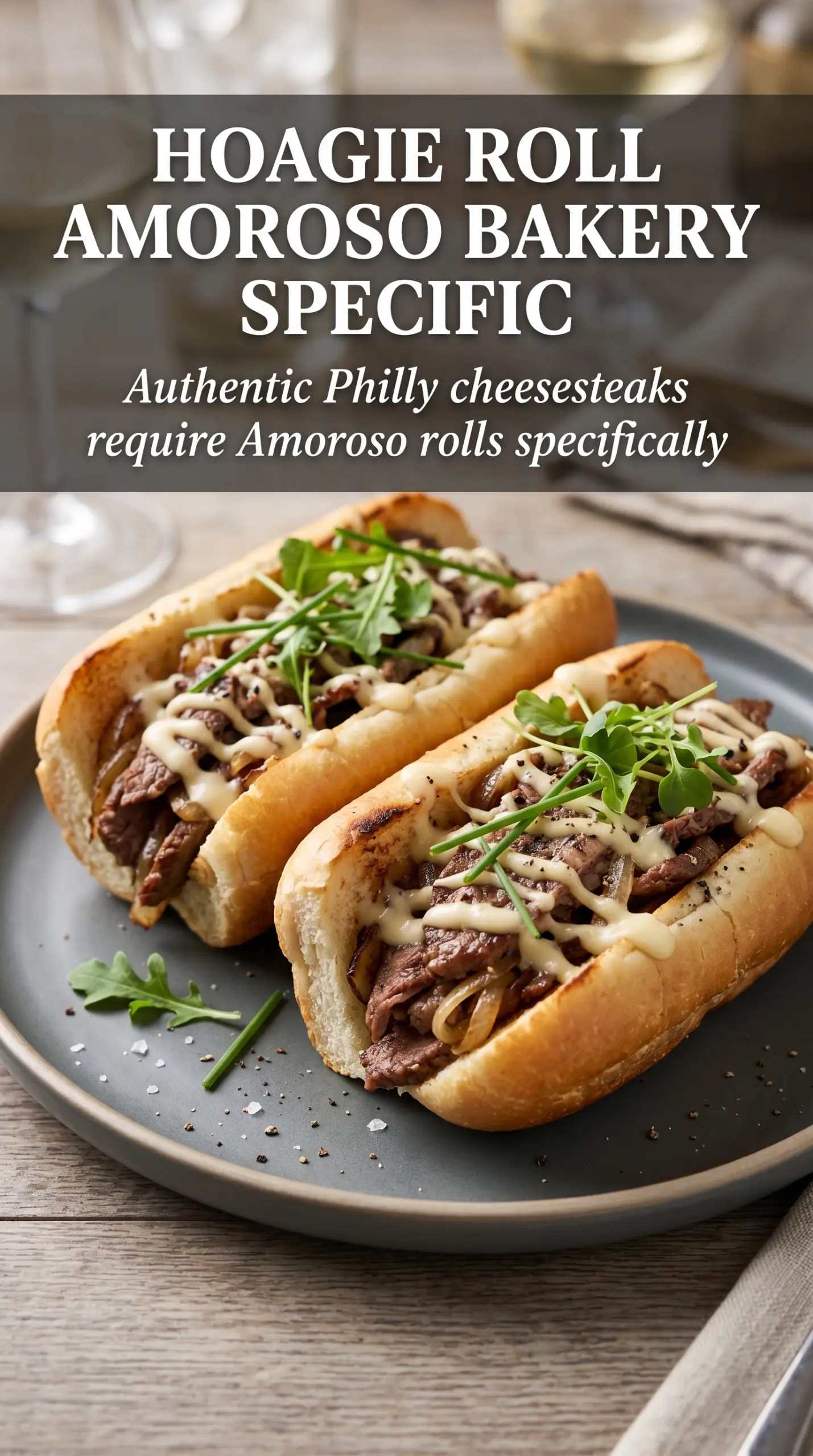
- Ribeye steak — Thin slicing is non-negotiable. If the steak is a little easier to cut when partially frozen, that’s a good thing; it gives you cleaner slices and better texture on the griddle.
- Onions — They’re doing the sweet, savory heavy lifting. Cook them until they’ve softened and picked up color; pale onions will make the filling taste sharp instead of rounded.
- Green bell peppers — These add the classic Philly contrast and a little freshness. Red or yellow peppers can work, but green keeps the flavor profile closer to the sandwich most people expect.
- Provolone — Use sliced cheese, not shredded. Slices melt into a blanket much more evenly over hot steak, and you won’t end up with clumps that fall out of the roll.
- Butter — This is for the rolls, and it’s worth the extra minute. Butter on the griddle gives you a golden, crisp surface that stands up to the filling instead of going soggy.
- Mayo — Optional, but it adds a little creaminess and helps the sandwich feel fuller. Skip it if you want the steak and cheese to stay front and center.
Building the Sandwich in the Right Order
Caramelize the Vegetables First
Get the Blackstone hot before anything goes on. Add the oil, then spread the onions and peppers out so they can sizzle instead of steam. You’re looking for softened edges, deepening color, and that sweet smell that means the moisture is cooking off. Pull them aside once they’re tender and lightly browned; if they stay on too long, they’ll go limp and muddy the filling.
Sear the Ribeye, Then Chop It
Season the steak with salt and pepper and put it down in an even layer. Let it sit long enough to brown before you start chopping with the spatulas. That first contact with the hot surface is what builds flavor. If the steak looks gray and wet, the griddle isn’t hot enough or you’ve crowded it too much.
Melt the Cheese Over the Meat
Once the steak is cooked through, divide it into four portions right on the griddle and top each one with the vegetables. Lay two slices of provolone over each pile and let the heat do the work. Covering the meat with the cheese for a short minute helps it melt faster and more evenly. If the cheese just sits there in stiff folds, the steak has cooled too much.
Toast the Rolls and Assemble Fast
Butter the hoagie rolls and toast them cut-side down until the edges turn golden. This step matters more than it looks like it should, because a warm, crisp roll keeps the sandwich from collapsing once the filling goes in. Scoop the steak mixture into the rolls while everything is still hot, add mayo if you want it, and serve right away.
How to Change These Sandwiches Without Losing the Point
Use chicken instead of ribeye
Thinly sliced chicken breast or thigh will work if that’s what you have, but the sandwich shifts from rich and beefy to lighter and a little leaner. Cook it just until done and don’t over-chop it, or the filling turns dry fast. Thigh gives you the best texture if you want a close stand-in for the original.
Make it gluten-free
Swap in gluten-free hoagie rolls or serve the filling in a bowl over roasted potatoes or fries. The steak mixture itself is naturally gluten-free, so the bread is the only real change. Toasted gluten-free rolls help a lot here because they firm up the crust before the juices hit.
Swap the cheese
White American gives you a creamier melt, while mozzarella makes the sandwich stretchier and a little milder. Sharp cheeses can work, but they take the sandwich away from classic cheesesteak territory and can overpower the beef. Whatever you use, slice it thin so it melts fast over the hot meat.
Storage and Reheating
- Refrigerator: Store the steak, vegetables, and rolls separately for up to 3 days. The filling keeps well, but the bread softens fast if it sits assembled.
- Freezer: The steak and vegetable mixture freezes fine for about 2 months. Freeze it flat in a sealed bag, then thaw in the fridge before reheating; don’t freeze the assembled sandwiches.
- Reheating: Reheat the filling in a skillet or on the griddle over medium heat until hot. Add a splash of water only if it looks dry, then toast fresh rolls and assemble at the end so the bread doesn’t turn soggy.
Questions I Get Asked About This Recipe
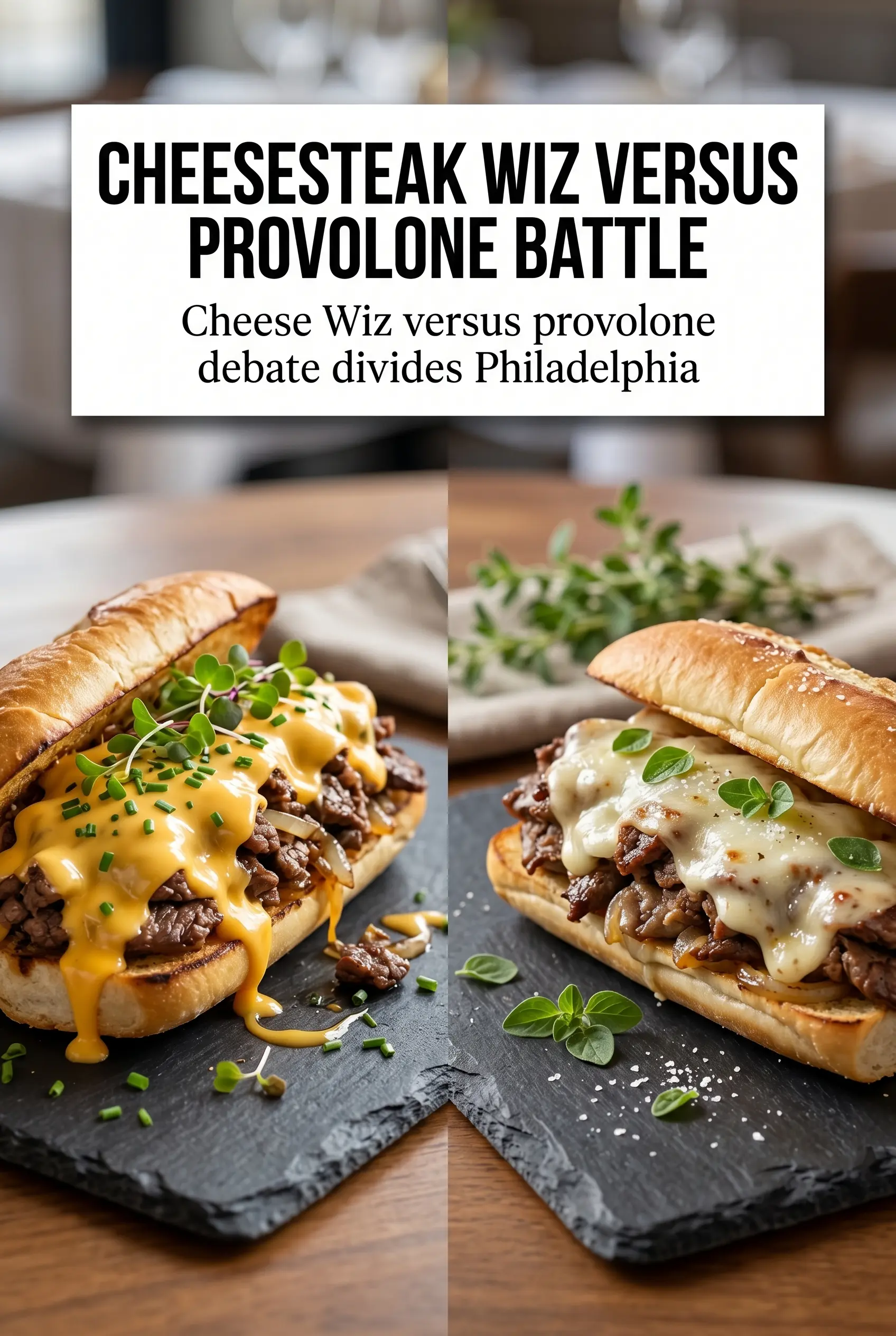
Blackstone Philly Cheesesteak Sandwiches
Ingredients
Equipment
Method
- Heat the Blackstone griddle to medium-high and add oil. Look for the oil to shimmer slightly before you start cooking the vegetables.
- Cook onions and green bell peppers until caramelized, about 8-10 minutes, stirring occasionally. You want deep golden-brown edges and soft, glossy peppers and onions.
- Set the caramelized vegetables aside. Keep them warm so they’ll steam gently when topped with steak.
- Season the ribeye steak with salt and pepper. Spread it into a thin layer so it cooks quickly and evenly.
- Cook the steak for 3-4 minutes, chopping with spatulas as it cooks. It should brown in spots and look mostly cooked with no large pink pieces.
- Divide the steak into 4 portions, then top each portion with caramelized vegetables and 2 slices of provolone. Cook just until the cheese melts and begins to bubble.
- Butter and toast the hoagie rolls on the griddle until golden. The cut sides should feel crisp and look lightly browned.
- Scoop the steak mixture into the toasted rolls and add mayo if desired. Serve immediately so the cheese stays stretchy and the rolls don’t soften.