Brown sugar ham glaze turns a fully cooked ham into the kind of centerpiece people hover around long before dinner is served. It goes glossy in the pan, then sets up on the ham with a sticky, lacquered finish that clings to every scored ridge. The sweet-savory balance keeps it from tasting flat, and the final spoonfuls over sliced ham bring all of that shine right to the table.
This version works because it layers sugar three ways: brown sugar for depth, honey for body, and fruit juice for brightness. Dijon keeps the glaze from leaning candy-sweet, while butter smooths everything out and helps the glaze brush on evenly. The vinegar and spices matter more than they look like they should; they keep the glaze lively and cut through the richness of the ham instead of letting it turn heavy.
Below, I’ll show you why the glaze thickens fast, how to keep it smooth instead of grainy, and the small timing detail that gives you a sticky finish without burning the sugars.
The glaze thickened up in just a few minutes and brushed on like a dream. It set on the ham with that shiny sticky finish I always want, and the Dijon kept it from tasting too sweet.
Love a shiny Brown Sugar Ham Glaze? Save this one for the ham that needs a glossy, sticky finish with just enough tang.
The Trick Is Keeping the Sugar Glossy, Not Gritty
Brown sugar glazes fail when the sugar is rushed. If the heat is too high, the mixture can grab on the bottom of the pan before the sugar fully dissolves, and you end up with a sandy glaze instead of a smooth one. Gentle simmering gives the crystals time to melt into the honey, juice, and butter so the finished glaze brushes on in a thin, even coat.
The other mistake is overcooking it. You want slightly thickened, not syrup candy. This glaze keeps cooking on the ham, and if it gets too dense in the pan it can darken too fast once it hits the oven. The right texture is glossy, pourable, and just thick enough to cling to a spoon.
What Each Ingredient Is Doing in the Pan
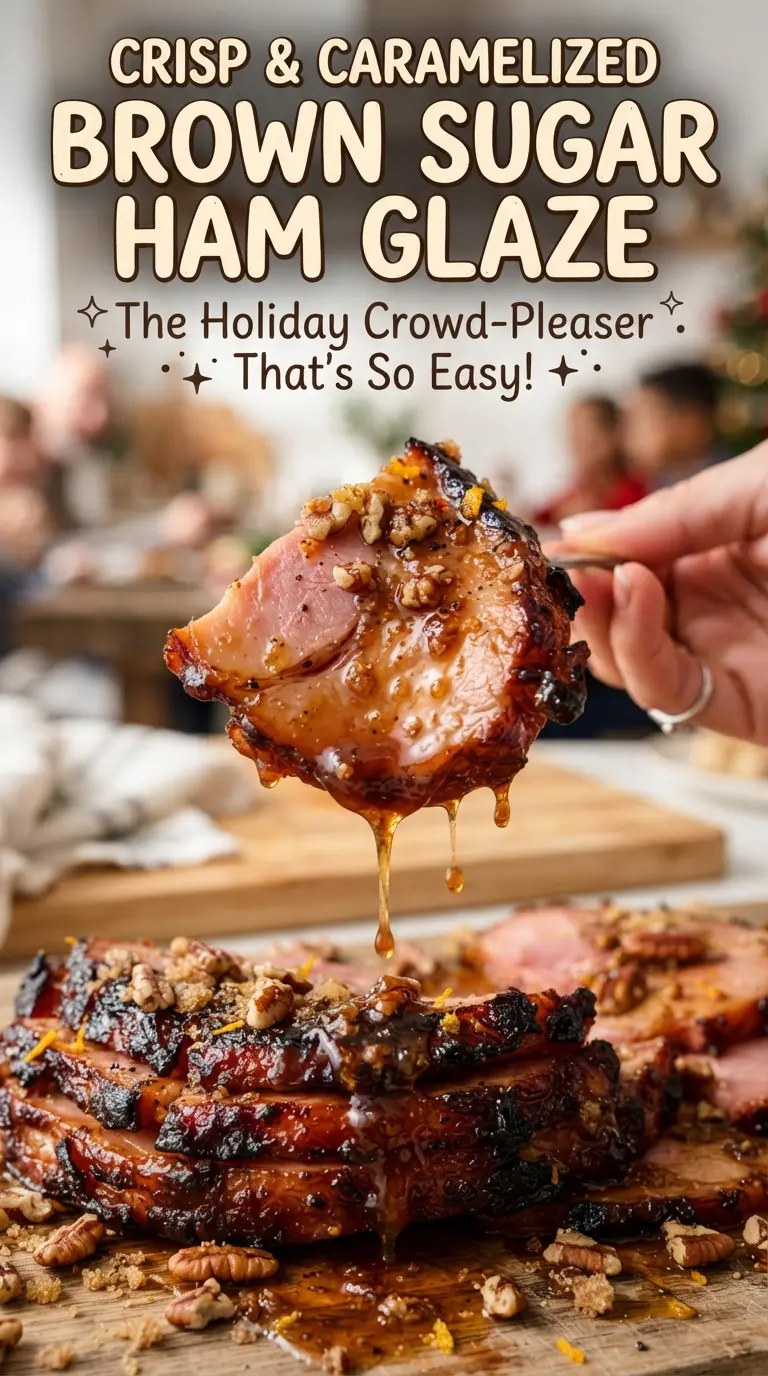
- Brown sugar — This is the base sweetness and the reason the glaze caramelizes so well. Packed brown sugar gives you deeper molasses notes than white sugar, and there isn’t a substitution that delivers the same sticky finish.
- Honey — Honey helps the glaze stay smooth and gives it body so it brushes on in a clean layer. If you need to swap it, maple syrup will work, but the glaze will taste a little less classic and a little more woodsy.
- Pineapple or orange juice — The juice loosens the glaze and adds the acidity that keeps it from tasting flat. Pineapple is brighter and a touch sharper; orange is softer and rounder. Use a no-pulp juice so the glaze stays smooth.
- Dijon mustard — Dijon doesn’t make the glaze taste mustardy. It sharpens the sweetness and gives the ham a more balanced finish. Yellow mustard works in a pinch, but it tastes less refined.
- Butter — Butter rounds out the edges and helps the glaze go on silkier. If you leave it out, the glaze still works, but it won’t have the same sheen or mouthfeel.
- Apple cider vinegar — This is the small ingredient that keeps the glaze awake. It cuts through the sugar and ham fat so each bite tastes balanced instead of heavy.
- Cinnamon and cloves — Use both sparingly. They should smell warm and welcoming, not spiced-cake strong. Cloves can take over fast, so measure carefully.
Brush It on Late, Then Let the Heat Do the Rest
Start Everything in One Saucepan
Combine the brown sugar, honey, juice, Dijon, butter, vinegar, cinnamon, and cloves in a medium saucepan. Set it over medium heat and stir as it warms so the sugar has no chance to sit on the bottom and scorch. At first it will look loose and a little separated; keep stirring until the butter melts and the mixture turns smooth.
Simmer Until It Turns Glossy
Once the glaze comes to a gentle simmer, keep it there for 3 to 4 minutes. The surface should look shiny and slightly thickened, and the bubbles should stay small rather than aggressive. If it starts boiling hard, pull the pan off the heat for a moment, because high heat can darken the sugar too fast and leave a bitter edge.
Brush, Bake, and Finish at the Table
Brush the glaze over a fully cooked ham during the last 30 minutes of baking, then repeat every 10 minutes so the layers build into a lacquered coating. The ham should look dark amber and glossy, with the glaze settling into the scored cuts. Save the last spoonfuls for the table so every slice gets a little extra shine and flavor right before serving.
How to Adjust the Glaze for the Ham You Have
Orange Juice for a Softer Citrus Finish
Use orange juice when you want a rounder, less tart glaze. It still loosens the sugar and helps everything melt smoothly, but the finished flavor leans softer and a little sweeter than pineapple.
Maple Syrup for a Deeper Sweetness
Swap the honey for pure maple syrup if that’s what you have. The glaze will be a little darker and more earthy, with a flavor that feels less classic but still works beautifully on ham.
Dairy-Free Without the Butter
You can skip the butter and still get a good glaze. It won’t have quite the same silkiness, but the sugar, honey, and juice still reduce into a glossy coating that clings well to the ham.
Make It Thicker for a Heavier Coating
Let the glaze simmer for an extra minute if you want a thicker finish. Go past that and it can turn tacky instead of brushable, so stop as soon as it lightly coats the back of a spoon.
Storage and Reheating
- Refrigerator: Store leftover glaze in an airtight container for up to 1 week. It will thicken as it chills.
- Freezer: Freeze for up to 2 months in a sealed freezer-safe container. Thaw overnight in the fridge before reheating.
- Reheating: Warm it gently in a saucepan over low heat or in short microwave bursts, stirring often. If it gets too hot, the sugar can separate and the glaze loses that smooth, brushable texture.
Questions I Get Asked About This Recipe
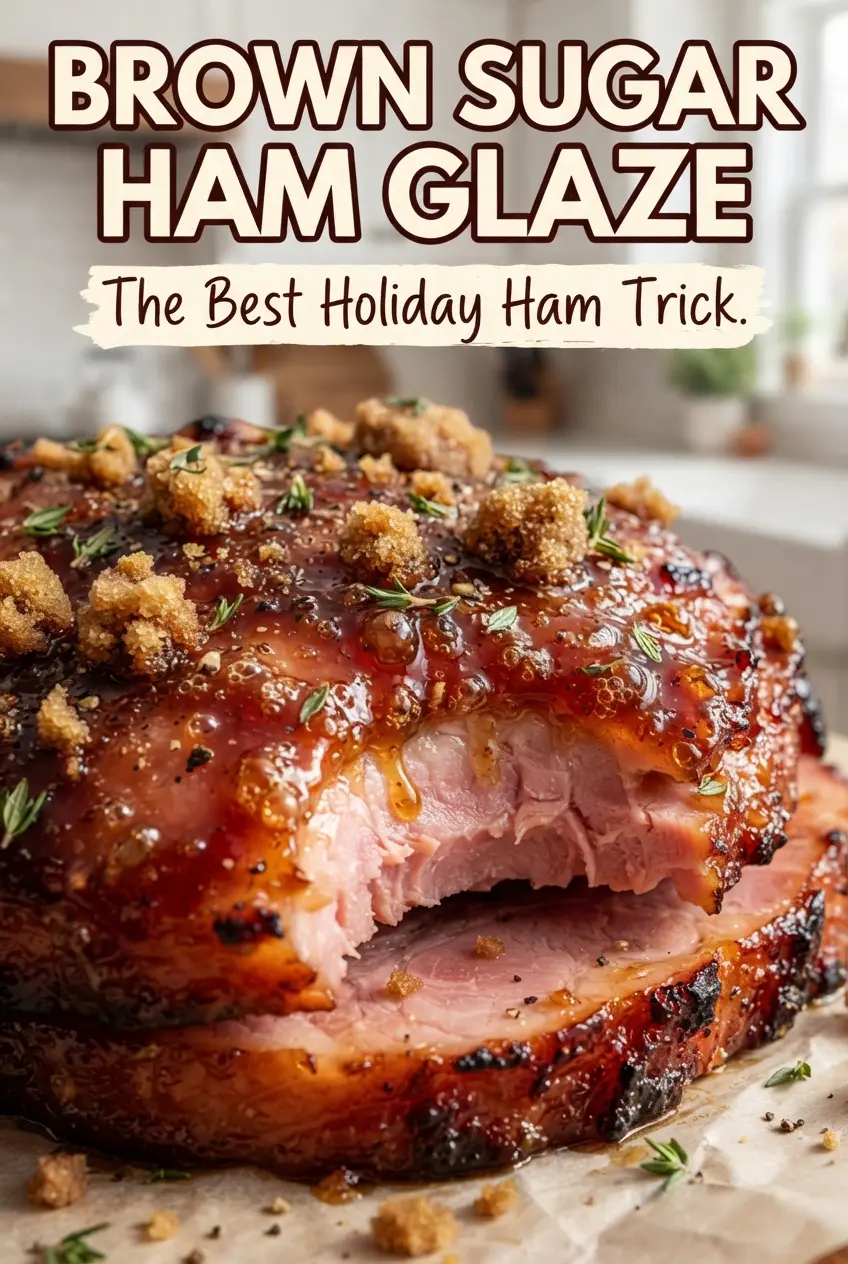
Brown Sugar Ham Glaze
Ingredients
Equipment
Method
- Add brown sugar, honey, pineapple or orange juice, Dijon mustard, butter, apple cider vinegar, cinnamon, and cloves to a saucepan.
- Bring the mixture to a simmer over medium heat, stirring until the sugar dissolves, with visible steam and a fully melted look.
- Simmer 3-4 minutes until slightly thickened and glossy, so the glaze coats the back of a spoon.
- Brush the glaze over a fully cooked ham during the last 30 minutes of baking.
- Baste again every 10 minutes by brushing on a fresh coat, letting glossy drips settle into the scored diamond pattern.
- Spoon the remaining warm glaze over sliced ham at the table for extra shine.