Campfire baked beans come out thick, smoky, and glossy, with just enough sweetness to cling to the spoon and just enough tang to keep every bite from tasting flat. The bacon melts into the sauce, the onions soften into the background, and the whole pot turns into one of those side dishes people hover around while the rest of dinner is still cooking.
This version works because it starts with canned baked beans, which already have body, then layers in BBQ sauce, ketchup, mustard, and Worcestershire for depth. The goal isn’t to boil them hard. It’s to let the pot simmer uncovered so the liquid reduces and the sauce tightens up while the onion cooks through and the bacon seasons everything from the inside out.
Below you’ll find the trick to getting that campfire texture without scorching the bottom, plus a few smart swaps if you’re cooking at home instead of over open coals.
The beans thickened up exactly right over the fire, and the bacon with the BBQ sauce gave them that smoky-sweet finish everyone went back for. I stirred them a few times and they never got scorched.
Save these smoky campfire baked beans for the next cookout when you want a side dish that gets thicker, richer, and better as it simmers.
The Part That Keeps Campfire Beans Thick Instead of Soupy
The mistake most people make with campfire beans is treating the simmer like a quick warm-up. The beans need enough time, uncovered, for steam to escape so the sauce concentrates. If you cover the pot the whole time, you trap moisture and end up with loose, tired beans instead of that sticky, spoon-coating texture you want next to ribs, burgers, or hot dogs.
The other thing that matters is heat control. Over a campfire, the bottom of the pot can go from gently bubbling to scorched in a hurry, especially once the sugar in the sauce starts tightening. Stir often enough to keep the bottom moving, and use a spot with steady coals instead of direct licking flame if you can. That small adjustment is the difference between a deep, smoky pot and one with a burnt edge.
What Each Ingredient Is Actually Doing in the Pot
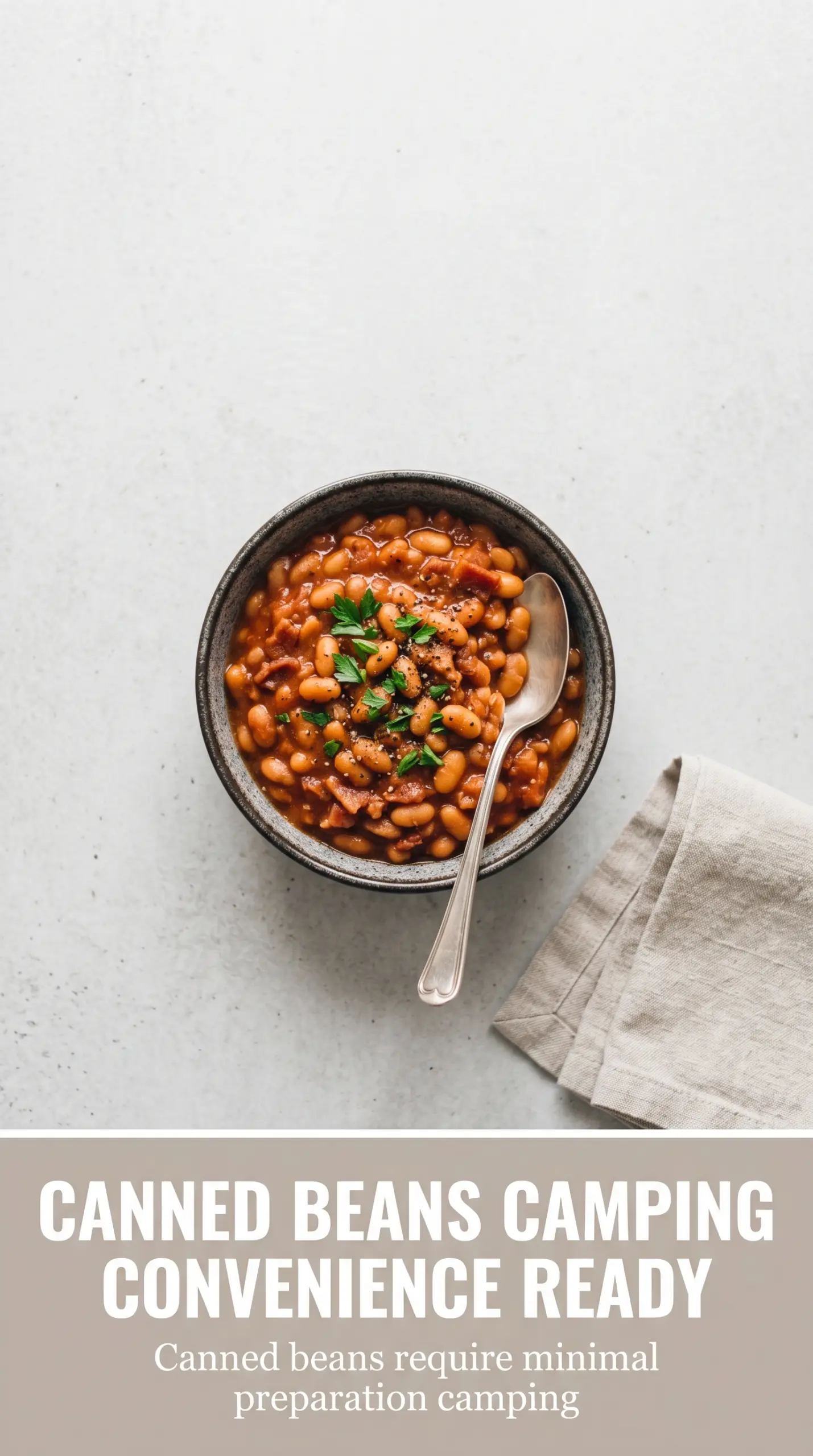
- Baked beans — These give you the built-in thickness and soft bean texture that make the whole recipe work fast. Canned baked beans already have starch and seasoning, so they hold up better over a campfire than plain beans would.
- Bacon — Cook it first and crumble it in for smoky salt and a little fat. If you use raw bacon in the pot, it can throw off the timing and leave the beans greasy before the bacon actually crisps.
- BBQ sauce — This is where most of the smoky-sweet backbone comes from. A thick, tangy sauce works best; if yours is very thin, the beans may need a few extra minutes to tighten up.
- Brown sugar — It rounds out the acidity from the ketchup and mustard and helps the sauce turn glossy. Light or dark brown sugar both work, but dark brown sugar brings a deeper molasses note.
- Ketchup — This adds tomato body and a little sweetness, but more importantly it keeps the sauce from tasting one-note. In a pinch, tomato sauce plus a spoonful of sugar can stand in, though the finish won’t be quite as bold.
- Onion — Diced onion softens as the beans simmer and gives the dish a little savory bite. Keep the dice small so it cooks through in the short simmer time.
- Mustard and Worcestershire sauce — These two ingredients keep the beans from drifting into pure sweetness. Mustard sharpens the flavor, and Worcestershire adds that quiet savory depth that makes people go back for another scoop.
Getting the Beans to Bubble Without Burning the Bottom
Building the Pot
Combine everything in a Dutch oven or heavy pot so the heat spreads evenly. Stir until the brown sugar is mostly dissolved and the sauce looks uniform, with the bacon and onion distributed throughout instead of sitting in clumps. If you’re cooking over coals, set the pot where the heat is steady, not raging, because sugar-heavy sauces scorch fast once they start to thicken.
Letting the Simmer Do the Work
Bring the beans to a gentle simmer, then leave them uncovered. You want active bubbles around the edges and occasional movement in the center, not a hard boil that blasts the sauce apart. Stir every few minutes, scraping the bottom of the pot so the sugars don’t catch and blacken.
Knowing When They’re Done
After about 25 to 30 minutes, the sauce should cling to the spoon and mound slightly when you stir it. The onion should be soft, the bacon should have settled into the mixture, and the beans should look glossy instead of watery. If they still seem loose, give them a few more minutes uncovered; the final thickening happens near the end.
How to Tweak Campfire Beans for Different Fires and Crowds
Oven-Baked Version
If you’re not cooking over a fire, bake the beans in a covered Dutch oven at 350°F for about 25 minutes, then uncover for the last 10 minutes to thicken. You’ll get the same deep, baked flavor without the risk of hot spots, and the texture stays a little more even.
Vegetarian Campfire Beans
Skip the bacon and add a tablespoon of olive oil plus a pinch of smoked paprika for that smoky note. You’ll lose a little of the meaty depth, but the sauce still comes through rich and balanced, especially if your BBQ sauce already has a good smoke flavor.
Less Sweet, More Tangy
Cut the brown sugar back to 2 tablespoons and add an extra teaspoon of mustard. This version tastes a little sharper and works well if the rest of your meal is already sweet, like glazed chicken or cornbread.
Make-Ahead Camping Prep
Mix everything except the bacon up to a day ahead and keep it chilled. Add the bacon right before cooking so it doesn’t soften into the sauce too early, and give the beans a good stir before they go on the heat because the sugar likes to settle.
Storage and Reheating
- Refrigerator: Store leftovers in an airtight container for up to 4 days. The beans will thicken as they chill, which is normal.
- Freezer: They freeze well for up to 2 months. Cool completely first, then freeze in a flat, sealed container so they reheat more evenly.
- Reheating: Warm them gently on the stove over low heat or in the microwave in short bursts, stirring between each one. If they seem too thick, add a splash of water or barbecue sauce; the common mistake is blasting them on high heat, which makes the sugars stick and scorch.
Answers to the Questions Worth Asking
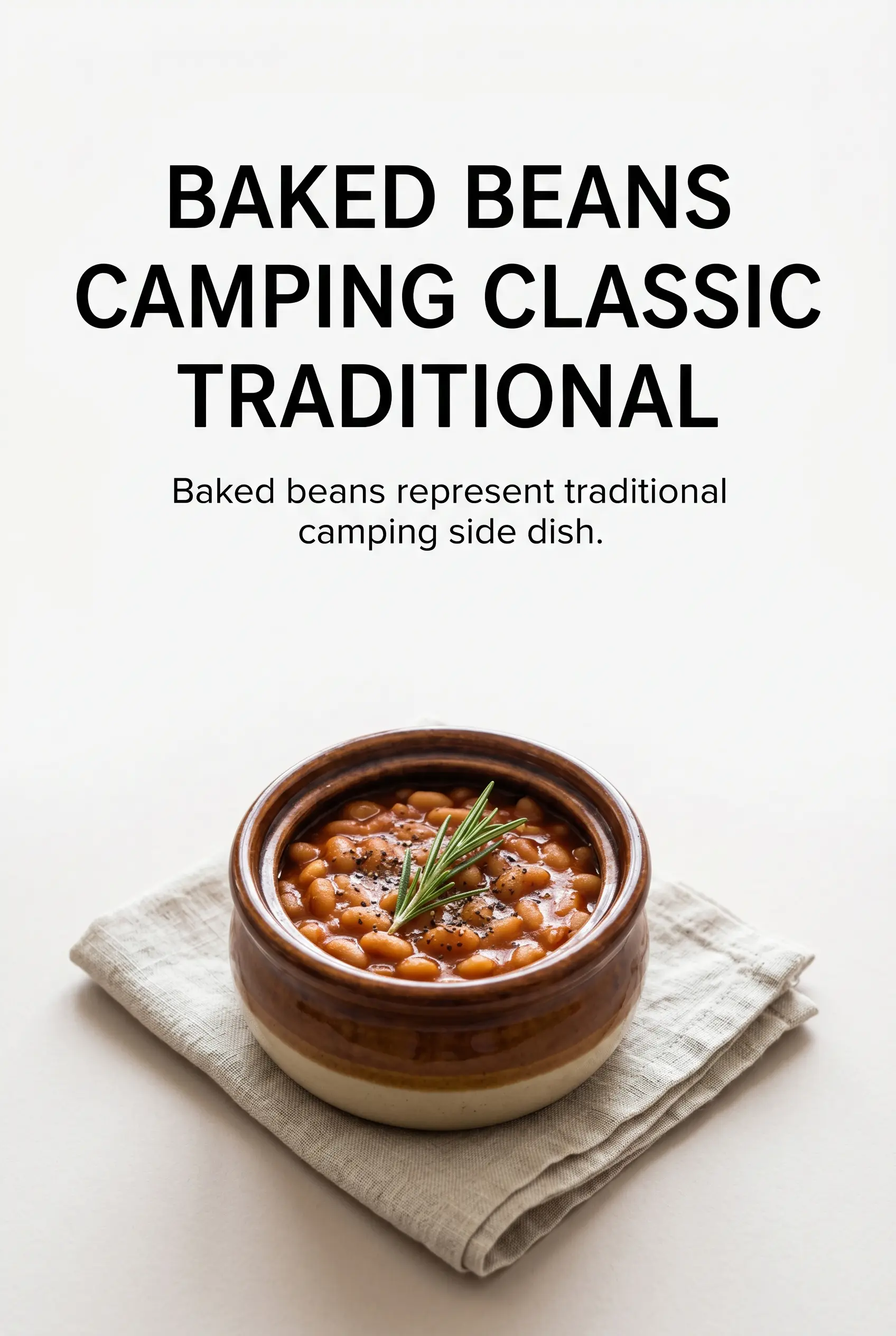
Campfire Baked Beans
Ingredients
Equipment
Method
- Add baked beans, bacon, BBQ sauce, brown sugar, ketchup, onion, mustard, and Worcestershire sauce to a Dutch oven. Stir until the mixture looks evenly coated and no dry sugar pockets remain.
- Place the Dutch oven on the campfire grate and bring the beans to a simmer. Watch for active bubbling around the edges before you start timing.
- Simmer uncovered for 25-30 minutes, stirring occasionally, until thickened and bubbly. Keep an eye out for a glossy, spoon-thick texture and steady bubbling across the surface.
- Spoon the campfire baked beans into a serving dish and serve hot as a side dish. The beans should hold their shape slightly when scooped.