Campfire Cinnamon Roll Ups On A Stick come off the fire with crisp, sugar-sparked edges, a soft middle, and that warm cinnamon smell that gets everyone drifting back for “just one more.” The spiral shape gives you more browned surface area than a plain piece of dough, so every bite has a little crunch before you hit the tender center. Drizzled with glaze while they’re still warm, they land somewhere between a campfire pastry and a fairground treat.
The trick is keeping the dough thin enough to cook through before the outside burns. Breadstick dough works best because it stretches cleanly around the stick and bakes up in neat layers, while biscuit dough gives a softer, puffier finish if that’s what you like. Constant turning matters here. If you park them over one spot, the sugar will scorch before the center catches up. A quick brush of butter helps the cinnamon sugar cling and also gives you those bronzed spots that taste like toasted pastry.
Below you’ll find the fire-handling detail that keeps these from going doughy in the middle, plus a few swaps for when breadstick dough isn’t what you have on hand.
The dough cooked all the way through without getting burned, and the cinnamon sugar turned into this crackly shell that my kids kept asking for again.
Campfire Cinnamon Roll Ups On A Stick are the kind of fire-roasted dessert you’ll want to keep in your camping rotation.
The Real Trick Is Keeping the Dough Thin Over the Flame
Most campfire dough disasters happen for the same reason: the outside gets dark before the center has a chance to set. With these roll ups, the spiral needs to stay slim and evenly wrapped so heat can move through the dough instead of just kissing the surface. If the coil gets too thick in one spot, that section stays gummy while the rest turns too brown to want.
Rotating constantly does more than prevent burning. It helps the butter and sugar melt into the dough in layers, which is what gives you that toasted-cinnamon flavor instead of just sweet bread with a scorched shell. A steady medium flame is better than roaring fire here; you want heat that cooks, not fire that attacks.
- Thin, even wrapping — Keeps the dough cooking at the same rate all the way around the stick.
- Constant turning — Stops hot spots from burning the sugar before the dough is cooked through.
- Moderate flame — Gives you control. Big flames char the outside fast and leave the middle underdone.
What the Dough and Butter Are Really Doing Here
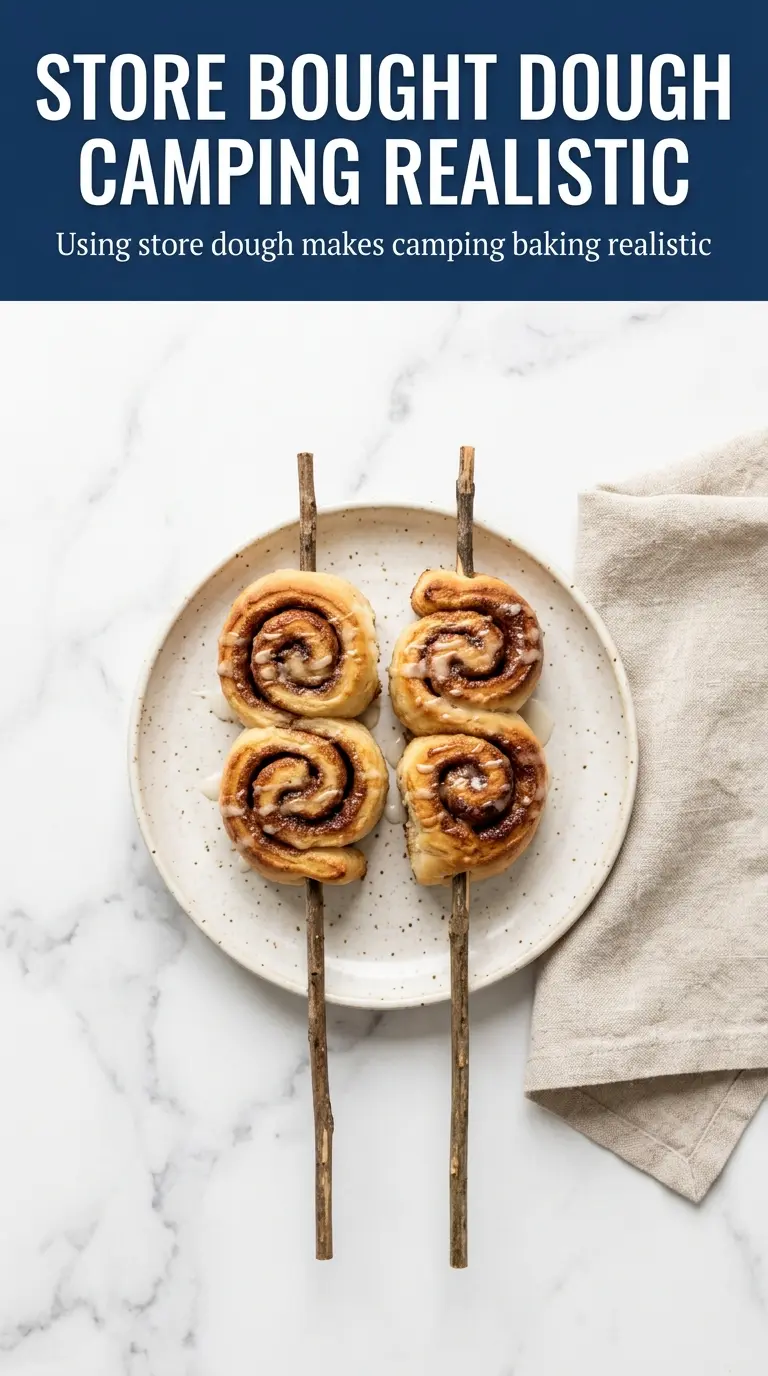
Refrigerated breadstick dough is the easiest choice because it stretches without tearing and bakes into neat, tender layers. Biscuit dough works too, but it puffs more and gives a softer, more bread-like finish. If you use biscuit dough, flatten each piece slightly before wrapping so the center has time to cook before the outside is done.
Melted butter is what helps the cinnamon sugar stick and bloom on the fire. Use real butter if you can, because the milk solids help with browning and that toasted flavor. The cinnamon sugar can be adjusted to your taste, but don’t skip the butter step or the coating will fall off and the roll ups will taste plain in spots.
Powdered sugar glaze is the fast finish that turns these from campfire bread into dessert. Keep it loose enough to drizzle while the roll ups are warm, not hot. If the glaze is too thick, add milk a teaspoon at a time until it ribbons off the spoon.
Getting the Spiral Cooked Before the Outside Scorches
Wrapping the Dough
Separate the dough into even pieces and wind each one around the end of a roasting stick in a spiral. Overlap the dough just enough to hold together, but don’t pack it tight or the center will stay raw. Leave a little space between the stick and the dough at the tip so you can slide it off without tearing after it cooks.
Coating for Color and Flavor
Brush the wrapped dough with melted butter, then shower on the cinnamon sugar while the surface is still tacky. The butter should coat, not pool, or the sugar will slide off into the fire. A light, even layer is what gives you that caramelized crust and keeps the sweetness balanced.
Roasting Over the Fire
Hold the dough over the campfire and turn it constantly, keeping it just above the flames instead of directly in them. You want the outside to turn golden and the dough to feel set when you gently press it with the stick. If the fire is too hot, move higher and slow down; if it looks pale after several minutes, lower it a little and keep turning.
Finishing and Glazing
Slide the roll ups off the stick after they cool for about 2 minutes. That short rest lets the crust firm up so the glaze doesn’t melt off immediately. Stir the powdered sugar and milk until smooth, then drizzle over the warm pastries while they’re still soft enough to soak up a little sweetness.
How to Adapt These for Different Campfire Nights
Biscuit Dough Swap
Biscuit dough makes these puffier and a little more bready, with a softer center and less of that layered breadstick chew. Flatten each piece before wrapping so it cooks through evenly, and expect to roast them a minute or two longer than the breadstick version.
Dairy-Free Version
Use plant-based butter and swap the milk in the glaze for an unsweetened non-dairy milk. The glaze will still drizzle well, though it may taste a little lighter and less rich than the original.
No-Glaze Cinnamon Sugar Finish
Skip the glaze and roll the cooked dough in extra cinnamon sugar while it’s still warm for a more snacky, less sticky finish. This works best if you’re serving them around a fire and want something easier to eat with your hands.
Make-Ahead Camp Prep
Mix the cinnamon sugar and glaze at home, then pack them in sealed containers so assembly at camp is quick. You can also separate the dough into portions ahead of time, which saves fiddling around the fire when the dough gets warm and sticky.
Storage and Reheating
- Refrigerator: Store leftovers in an airtight container for up to 2 days. The sugar coating softens as it sits, so they’re best the day they’re made.
- Freezer: I don’t recommend freezing them after baking. The dough gets dull and the glaze turns patchy once thawed.
- Reheating: Warm briefly in a 300°F oven or over very low campfire heat until just heated through. High heat will dry out the dough and burn the sugar before the center warms.
Answers to the Questions Worth Asking
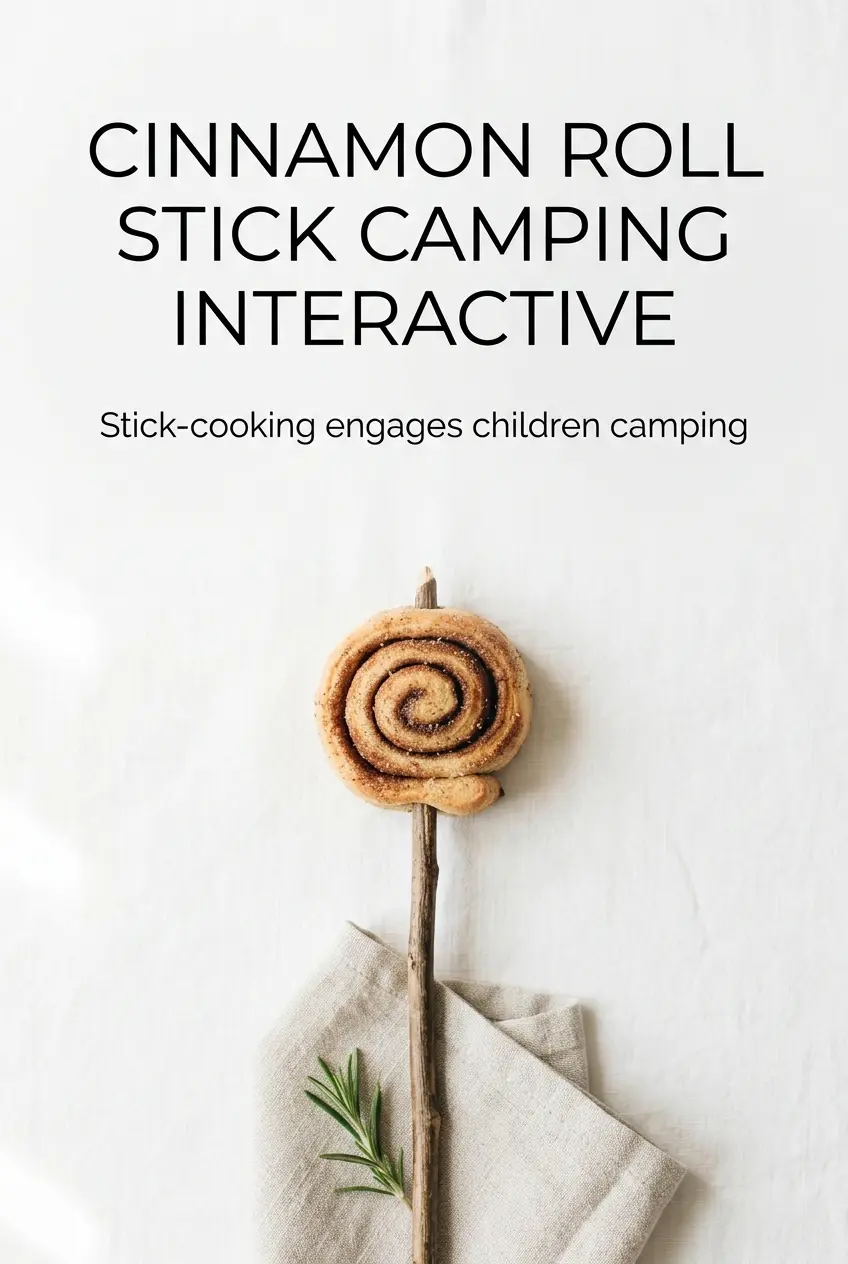
Campfire Cinnamon Roll Ups On A Stick
Ingredients
Equipment
Method
- Separate the refrigerated breadstick dough into individual pieces so each one can wrap around a roasting stick.
- Wrap each dough piece around the end of a roasting stick in a spiral pattern with edges overlapping slightly so it roasts evenly.
- Brush the wrapped dough with melted butter, then sprinkle generously with cinnamon sugar to create the cinnamon-butter coating.
- Hold the stick over the campfire, rotating constantly, for 8-10 minutes until the roll up is golden brown and cooked through.
- Slide the roll up off the stick and let it cool for 2 minutes so it sets slightly before glazing.
- Mix powdered sugar and milk until smooth, then drizzle the glaze over the warm roll ups.