Golden campfire potatoes hit the table with crisp edges, tender centers, and that buttery onion flavor that makes people hover around the foil packet with a fork before it even cools. They’re the kind of side dish that disappears fast because the potatoes cook in their own little steam-and-roast environment, so you get soft slices underneath and browned spots where the heat reaches the foil. The whole thing tastes a lot bigger than the short ingredient list suggests.
The trick is slicing the potatoes thin enough that they finish at the same time as the onions, then sealing the packet well enough to hold in heat without trapping so much moisture that everything turns soggy. Butter carries the seasoning and helps the slices brown a little against the foil, while paprika and garlic powder give the potatoes a campfire-friendly savory edge. If you’ve ever ended up with undercooked centers or a packet that leaked all over the grate, the details below will save you from both.
The potatoes came out tender in the middle with those buttery browned edges I was hoping for, and the packet held together perfectly over the fire. I added the cheddar at the end and it melted right into every layer.
Keep these campfire potatoes in your back pocket for a foil-packet side with buttery onions, smoky seasoning, and crisp-tender edges.
The Part That Keeps Campfire Potatoes From Going Mushy
The mistake most people make with foil packet potatoes is cutting them too thick and then trying to cook them over too hot a fire. That gives you browned foil spots outside and hard centers inside. Thin slices matter here because they cook through at the same pace as the onion, and the butter helps conduct heat while keeping the potatoes from drying out.
Medium heat is the sweet spot. If the grate is screaming hot, the outside of the packet can scorch before the potato layers soften. You want steady heat, a sealed packet, and one flip halfway through so the bottom doesn’t overtake the top. When the foil puffs a little and the slices yield easily when pressed through the packet, they’re done.
- Thin-sliced potatoes — This is the biggest factor in the whole recipe. Aim for even slices so every piece finishes together instead of leaving you with a mix of soft and crunchy.
- Heavy-duty foil — Regular foil tears too easily once the packet is flipped and moved around the grate. Heavy-duty foil keeps the butter and steam where they belong.
- Butter cubes — Cubing the butter spreads it through the packet instead of leaving one greasy spot. It also helps the potatoes brown a little where the foil makes contact.
- Cheddar cheese — Optional, but it adds a salty finish and melts best if you reseal the packet for just a couple of minutes at the end. Too long and it can turn greasy instead of creamy.
What Each Ingredient Is Actually Doing in the Packet
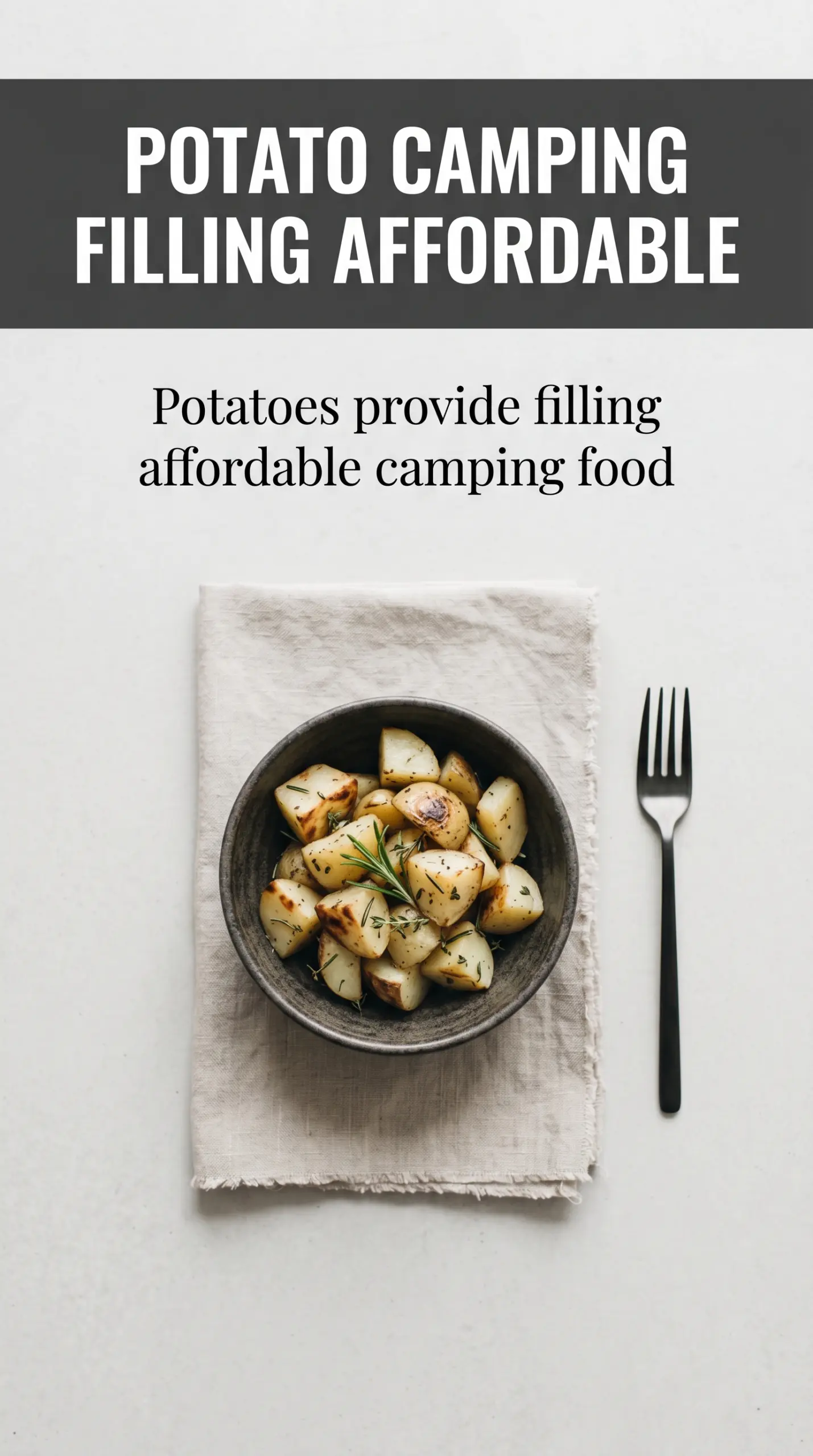
- Potatoes — Medium starchy potatoes give you the best balance of tender centers and edges that pick up a little color. Waxy potatoes will hold their shape more, but they won’t get quite as fluffy.
- Onion — The onion softens into the butter and seasons the potatoes from the bottom up. Slice it thin so it becomes silky instead of staying sharp and crunchy.
- Butter — This is the flavor base and the heat carrier. Olive oil works in a pinch, but you lose that rich finish that makes the packet taste complete.
- Garlic powder and paprika — Garlic powder spreads evenly through the packet without burning the way fresh garlic can over a fire. Paprika adds color and a little smokiness without needing extra ingredients.
- Heavy-duty aluminum foil — The packet needs strength more than anything else. Double-layering gives you insurance against leaks and keeps the potatoes steaming evenly.
Building the Foil Packet So the Potatoes Cook Evenly
Layer the potatoes and onion with some breathing room
Spread the potato slices in a fairly even layer on the foil, then tuck the onions through the layers instead of dumping them all on top. That keeps the onions from steaming into one soft pile while the potatoes underneath lag behind. If you stack everything too high, the center of the packet cooks slower than the edges and you lose that even tender texture.
Seal the edges without crushing the packet
Fold the foil over tightly and crimp the seams so steam stays in, but leave enough space inside for the heat to circulate. A packet that is packed flat cooks unevenly and leaks more easily when you flip it. You want a sealed envelope, not a tight little pancake.
Cook over medium heat and flip once
Set the packet over medium campfire heat, not directly in the hottest flames. If the fire is too aggressive, the foil can char before the potatoes soften. Flip it halfway through so both sides get even contact with the heat, and test for tenderness by pressing gently on the packet; it should feel soft all the way through, not firm in the middle.
Finish with cheese only after the potatoes are done
Open the packet carefully because the steam will hit hard. Sprinkle the cheese over the hot potatoes, reseal the foil, and give it a minute or two to melt. If you add cheese too early, it can separate and turn oily before the potatoes are finished.
Three Ways to Make Campfire Potatoes Fit the Meal
Dairy-Free Campfire Potatoes
Swap the butter for olive oil or a plant-based butter that holds up to heat. You’ll lose a little of the classic buttery finish, but the potatoes will still brown nicely and carry the seasoning well.
Make It Heartier With Sausage
Add cooked sliced sausage to the packet if you want this to eat more like a full foil dinner. Use fully cooked sausage so it only needs to warm through; raw meat changes the timing and can leave the potatoes overdone before the sausage is safe.
Go Fully Vegan Without Losing Flavor
Use plant-based butter and skip the cheese, then add a little extra paprika and black pepper for a stronger finish. The packet still cooks the same way, and the onions will carry most of the flavor once they soften in the oil.
Storage and Reheating
- Refrigerator: Store leftovers in an airtight container for up to 4 days. The potatoes will soften a bit more after chilling.
- Freezer: They freeze, but the texture gets softer after thawing, so I only freeze them if I’m using them later in a skillet or breakfast hash. Wrap tightly and freeze for up to 2 months.
- Reheating: Reheat in a skillet over medium heat or in the oven at 375°F until hot. The microwave works, but it steams the potatoes and wipes out the browned edges you worked for.
Answers to the Questions Worth Asking
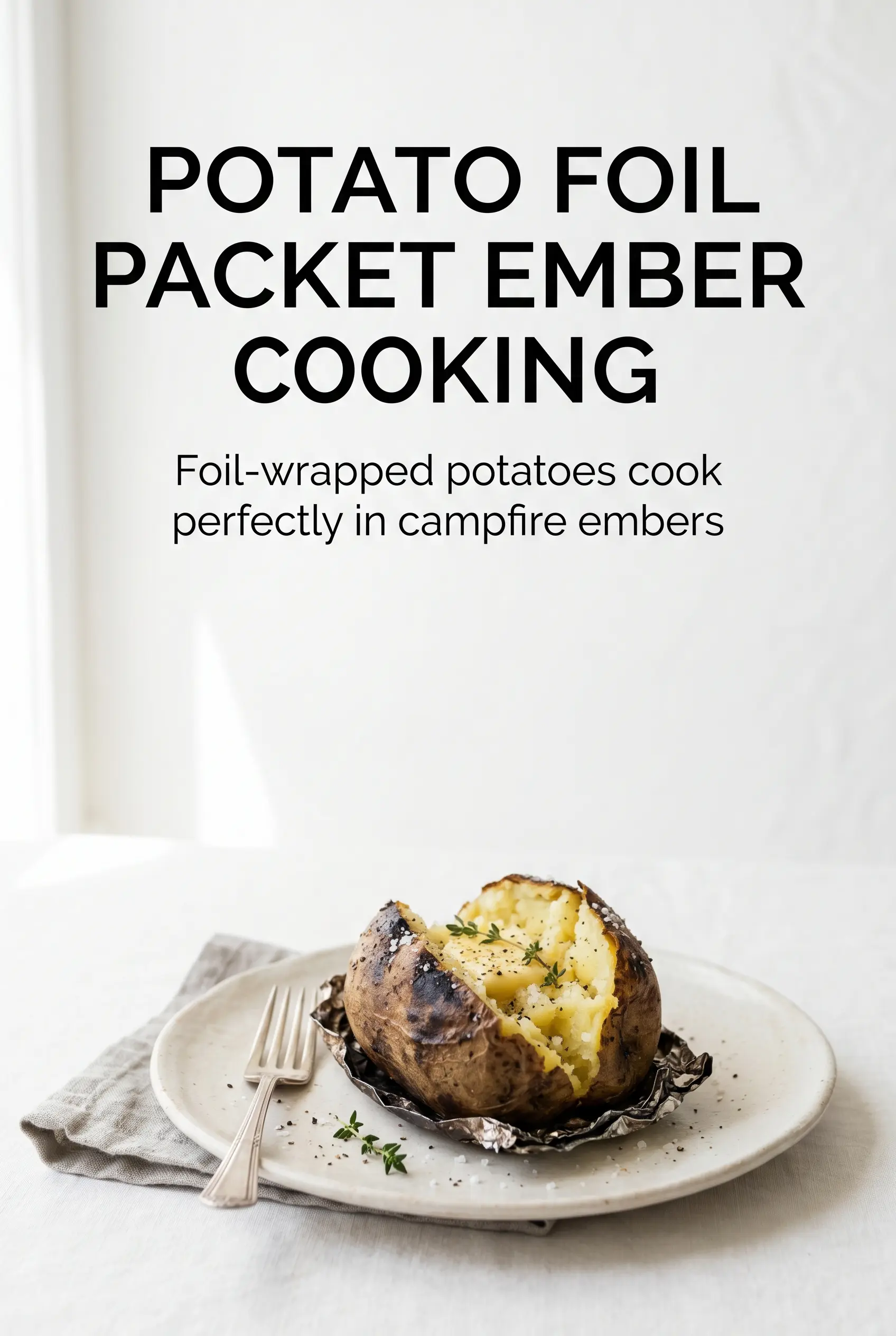
Campfire Potatoes
Ingredients
Equipment
Method
- Layer the thinly sliced medium potatoes and sliced onion on a large double-layer of heavy-duty aluminum foil.
- Dot the potatoes and onions with cubed butter.
- Season evenly with garlic powder, paprika, salt, and black pepper.
- Fold the foil into a sealed packet with the seams well crimped to keep steam inside.
- Place the sealed packet on a campfire grate over medium heat for 25-30 minutes, flipping halfway so both sides steam and roast evenly.
- Open the packet carefully and sprinkle shredded cheddar cheese over the hot potatoes if desired.
- Reseal the packet and return it to the grate for 2 minutes to melt the cheese.
- Serve the campfire potatoes hot directly from the foil packet for the steamiest texture.