Caribbean jerk smoked pork earns its place on the table with a crust that turns dark and fragrant in the smoker, then gives way to tender, pull-apart meat underneath. The spice blend hits in layers: heat from the peppers, warmth from allspice and cinnamon, and a sharp citrus edge that keeps the pork from tasting heavy. When it’s done right, every bite has smoke, salt, and that unmistakable jerk snap.
The overnight marinade does the heavy lifting here. Scoring the pork shoulder gives the paste more places to sink in, and the brown sugar helps the bark set without turning bitter. Smoking low and slow at 225-250°F lets the fat render gradually, which is what gets you that juicy shreddable texture instead of dry slices that fight you at the board.
Below, I’ve included the small details that matter most: how to keep the jerk paste balanced, what to watch for as the bark develops, and a few smart ways to serve leftovers so the pork tastes just as good the next day.
The bark set up beautifully and the pork shredded into these smoky, juicy strands after the overnight marinade. I was worried the scotch bonnets would overpower it, but the lime and brown sugar balanced everything out.
Save this Caribbean jerk smoked pork for the next time you want a deep smoke ring, a sticky-spiced bark, and tender pulled pork with real island character.
The Secret to Keeping Jerk Pork Smoky, Not Burned
Jerk seasoning can go bitter fast if the sugar in the marinade scorches before the pork has had time to cook through. That’s why the smoker needs to sit in the 225-250°F range, not drift up into grill territory. The goal is steady heat that builds bark slowly while the fat inside the shoulder melts into the meat.
The other thing that matters is the marinade texture. A smooth paste clings better than a thin blend, especially after you score the pork. If the marinade looks watery, it won’t coat the cuts as well and you’ll lose flavor to the bottom of the pan instead of keeping it on the meat.
What Each Jerk Ingredient Is Doing in the Smoker
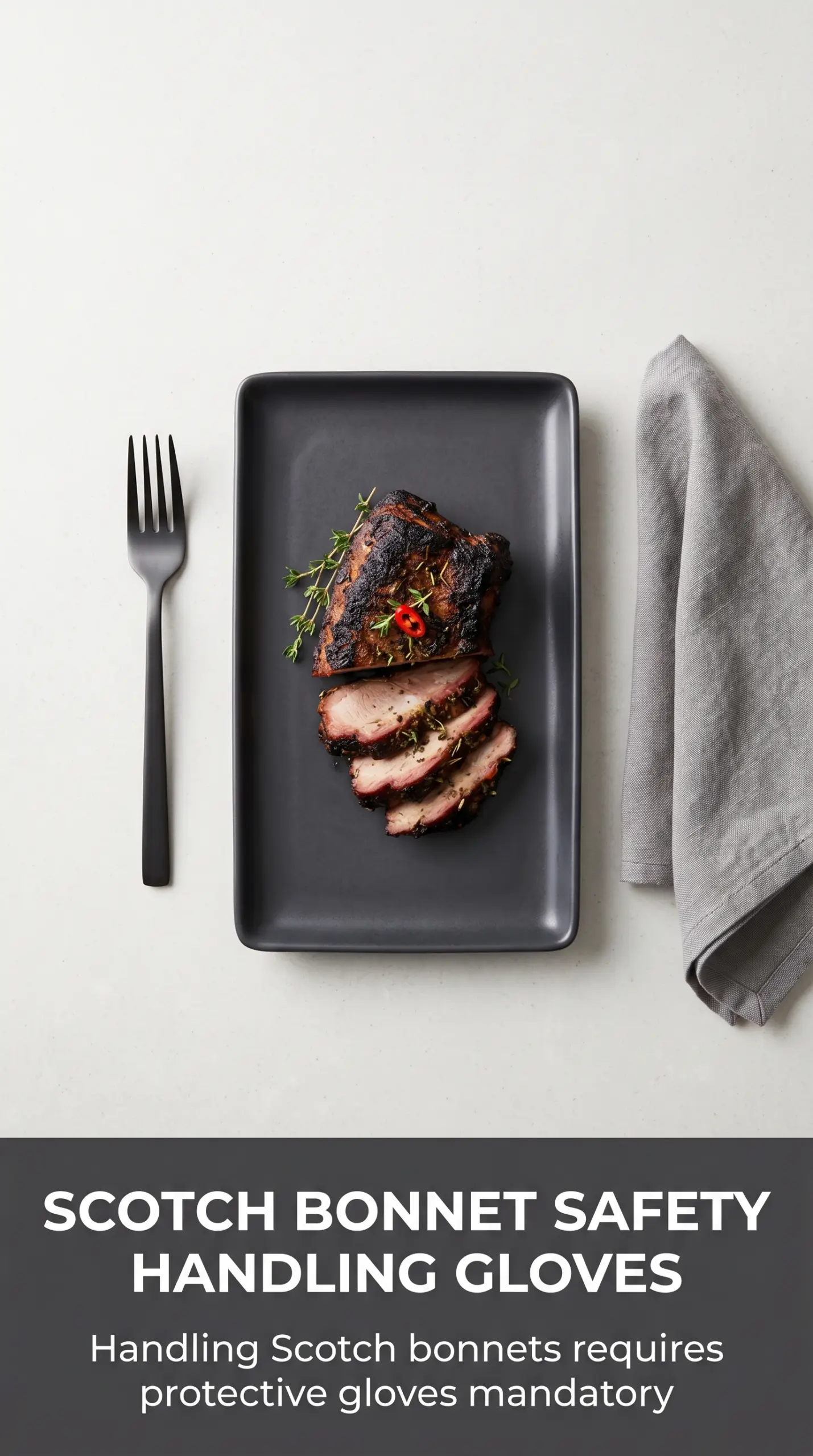
- Pork shoulder — This cut has enough fat and connective tissue to handle a long smoke and still turn tender. Leaner cuts dry out before the bark finishes, so shoulder is the right choice here.
- Scotch bonnet peppers — They bring the bright, fruity heat that makes jerk taste like jerk. Seed them if you want a cleaner burn, but don’t swap in a mild pepper unless you’re okay losing the dish’s signature kick.
- Allspice, thyme, cinnamon, and nutmeg — These are the backbone of the seasoning. Allspice carries the warm, clove-like note jerk is known for, while thyme keeps it savory and the cinnamon and nutmeg round out the heat.
- Lime juice and soy sauce — Lime wakes up the meat and helps the marinade penetrate, while soy brings salt and depth. Tamari works if you need gluten-free jerk pork, and it keeps the same savory edge.
- Brown sugar — This helps the bark darken and stick. The sugar should support the smoke, not dominate it, so don’t increase it much or the exterior can turn sticky instead of crusty.
Building the Bark Before the Pull
Blending the Marinade Smooth
Blend everything until the marinade looks almost like a loose paste, with no big chunks of scallion or garlic left behind. That texture matters because it clings to the pork shoulder instead of sliding off. If the mixture is too thick to spread, add just a spoonful of lime juice or oil, not a splash of water, which dilutes the seasoning.
Scoring and Coating the Pork
Cut shallow slashes across the fat cap and into the thickest parts of the shoulder, then massage the marinade into every groove. The cuts give the spice paste a place to settle, and they also help the smoke season the interior a little faster. If you only coat the outside, the bark may taste good while the inside stays plain.
Smoking to the Right Finish
Set the pork in a smoker running 225-250°F with fruit wood and leave it alone until the outside is dark, set, and deeply fragrant. The most important marker is internal temperature: 195-203°F is where pulled pork turns tender enough to shred cleanly. If it stalls for a while around 160-170°F, that’s normal; don’t crank the heat, because that’s how you end up with tough bark and uneven cooking.
Resting Before You Pull
Rest the pork for at least 30 minutes after it comes off the smoker. That pause keeps the juices in the meat instead of spilling onto the cutting board the second you shred it. If you pull it too soon, the pork still tastes good, but it won’t be as moist or as easy to mix back through the bark.
How to Adapt This for Different Eaters and Different Smoker Setups
Gluten-Free Jerk Pork
Swap the soy sauce for tamari or coconut aminos. Tamari keeps the savory depth closest to the original, while coconut aminos will taste a little sweeter and lighter. The rest of the recipe stays the same.
Less-Hot Version
Use one scotch bonnet instead of four, or replace part of the heat with a milder pepper like habanero or Fresno. You’ll still get the fruit-forward jerk flavor, but the burn will sit lower and won’t overpower the smoke.
Oven Finish After Smoking
If your smoker can’t hold temperature for the full cook, smoke the pork for the first 3 to 4 hours, then finish it covered in a low oven until it reaches shreddable tenderness. You’ll lose a little bark intensity, but the seasoning and smoke still come through cleanly.
Storage and Reheating
- Refrigerator: Store pulled pork in an airtight container for up to 4 days. Keep a little of the juices with it so the bark doesn’t dry out.
- Freezer: It freezes well for up to 3 months. Portion it into flat freezer bags with a spoonful of cooking liquid so it thaws evenly and stays moist.
- Reheating: Reheat covered in a skillet or oven with a splash of broth or reserved juices over low heat. High heat dries out the pulled meat and turns the bark tough instead of tender.
Answers to the Questions Worth Asking

Caribbean Jerk Smoked Pork
Ingredients
Equipment
Method
- Blend green onions, scotch bonnet peppers, garlic cloves, fresh thyme, brown sugar, allspice, black pepper, cinnamon, nutmeg, soy sauce, lime juice, and vegetable oil until smooth, forming a thick orange-brown paste.
- Score the pork shoulder deeply in a crisscross pattern so the marinade can soak in.
- Rub the jerk marinade all over the scored pork shoulder, pressing it into the cuts and covering the entire surface.
- Marinate the pork shoulder overnight in the refrigerator, covered, to deepen the spice and flavor.
- Prepare the smoker for 225-250°F using fruit wood, keeping the chamber temperature steady.
- Place the pork shoulder on the smoker and smoke for 6-8 hours, until the internal temperature reaches 195-203°F and the bark looks dark and charred at the edges.
- Remove the pork shoulder from the smoker and let it rest for 30 minutes before pulling, so juices redistribute and the texture stays tender.
- Pull the pork and serve hot, showcasing the smoky spice crust and smoke-ring interior if visible.