Chicken breasts in creamy garlic sauce hit that sweet spot between comfort food and a dinner that feels pulled together with almost no effort. The chicken stays juicy from a hard sear, and the sauce turns velvety and glossy without feeling heavy or flat. It pools around the chicken just enough to coat every bite, with enough garlic presence to taste bold without crossing into sharp or bitter.
What makes this version work is the layering. The chicken gets color first, then the same skillet picks up the brown bits that carry the flavor of the whole dish. A mix of butter, garlic, wine or broth, cream, and Parmesan builds a sauce that thickens on its own as it simmers, so you don’t need flour or cornstarch to make it cling to the chicken.
Below you’ll find the exact timing that keeps the chicken from drying out, the point where the garlic goes from fragrant to too dark, and a few smart swaps for when you want this to fit what’s in your fridge.
The sauce thickened up beautifully and coated the chicken instead of running all over the plate. I loved that the garlic stayed mellow and creamy after simmering with the Parmesan.
Save these chicken breasts in creamy garlic sauce for the nights when you want a silky skillet dinner with plenty of sauce for spooning over mashed potatoes or rice.
The Sear Is Doing More Than Browning the Chicken
The biggest mistake in a creamy skillet chicken recipe is rushing the sear or crowding the pan. If the chicken steams instead of browns, you lose the fond that gives the sauce depth, and the whole dish tastes flatter. A dry surface, enough space around each breast, and a real 5 to 6 minute sear per side give you a deep golden crust and a pan base worth building on.
The chicken also finishes in the sauce, but only after the sauce is already thickening. That keeps the breasts from overcooking while the garlic cream comes together. If your chicken tends to dry out, the fix is not a lower stove the whole time; it’s pulling it from the pan once it hits 165°F and returning it only for a brief, gentle finish.
What Each Ingredient Is Actually Doing in the Sauce

- Chicken breasts — Boneless, skinless breasts give you a lean base that cooks fast and soaks up the sauce well. If one side is much thicker than the other, pound them to an even thickness so the center doesn’t lag behind the crust.
- Garlic — Eight cloves sound bold, and they should. Mince it finely so it melts into the sauce instead of showing up as sharp bits; if you use pre-minced garlic from a jar, the flavor is less sweet and the sauce won’t taste as round.
- Dry white wine or chicken broth — The deglazing liquid lifts the browned bits from the pan and adds the first layer of sauce flavor. Wine gives a little brightness; broth keeps it family-friendly and still works well, though it won’t have quite the same lift.
- Heavy cream — This is what makes the sauce turn lush and clingy. Half-and-half can work in a pinch, but the sauce will be thinner and more likely to split if you boil it hard.
- Parmesan — Freshly grated Parmesan melts smoother and thickens the sauce better than the bagged kind. Pre-grated cheese often has anti-caking agents that can leave the sauce grainy.
- Cayenne and smoked paprika — The paprika seasons the chicken before it ever hits the pan, and the cayenne adds a quiet heat in the sauce. Neither one should dominate; they just keep the cream from tasting one-note.
Building the Garlic Cream Sauce Without Breaking It
Getting Color on the Chicken First
Season the chicken well, then put it into a hot skillet with olive oil and leave it alone until it releases cleanly. If you move it too soon, you’ll tear the crust and leave flavor stuck to the pan instead of on the chicken. You’re looking for a deep golden sear, not pale patches, and the chicken should reach 165°F before you take it out.
Softening the Garlic Without Browning It
When the butter goes in, lower the heat to medium before adding the garlic. Stir constantly for about 2 minutes until it smells sweet and rich and just starts to turn golden at the edges. If it goes dark, the sauce will taste bitter, and there’s no hiding that later with cream or cheese.
Reducing the Liquid Into a Velvety Sauce
Deglaze the skillet with wine or broth and scrape up every browned bit from the bottom. Let it simmer briefly before the cream goes in so the liquid tastes concentrated instead of raw. Once the cream, Parmesan, Italian seasoning, and cayenne are in, keep the simmer gentle; a hard boil is the fastest way to make cream look greasy instead of glossy.
Bringing the Chicken Back at the End
Return the chicken only after the sauce has thickened enough to coat a spoon. Spoon the sauce over the breasts as they warm through, and stop as soon as they’re hot again. That final minute is about marrying the chicken to the sauce, not cooking the chicken from scratch all over again.
How to Adapt This for a Lighter Plate or a Different Pantry
Dairy-Free Creamy Garlic Chicken
Use full-fat coconut cream instead of heavy cream and skip the Parmesan, then add a little extra salt at the end. The sauce will be silkier but less savory in the same way, so a small splash of broth and a pinch of nutritional yeast can help replace some of that cheesy depth.
Gluten-Free Without Any Special Swaps
This recipe is naturally gluten-free as written as long as your broth is gluten-free. The sauce thickens from reduction and Parmesan, not flour, so you don’t need a separate thickener to get that glossy finish.
Chicken Thigh Swap for More Forgiveness
Boneless skinless thighs work well if you want a juicier cut and a little more wiggle room on timing. They need a few extra minutes in the skillet, but they stay tender even if the pan runs hot for a minute too long.
No Wine, No Problem
Chicken broth gives you a gentler, more savory sauce and keeps the recipe weeknight-friendly. If you miss the brightness that wine brings, add a tiny splash of lemon juice at the very end, after the heat is off, so the cream stays smooth.
Storage and Reheating
- Refrigerator: Store leftovers in an airtight container for up to 3 days. The sauce will thicken as it chills.
- Freezer: Cream sauces don’t freeze beautifully, but this will keep for up to 1 month if you need to freeze it. Expect a slight texture change when it thaws.
- Reheating: Warm it gently in a covered skillet over low heat with a splash of broth or cream. High heat can split the sauce and dry out the chicken before the center is hot.
The Questions Worth Asking Before You Make It
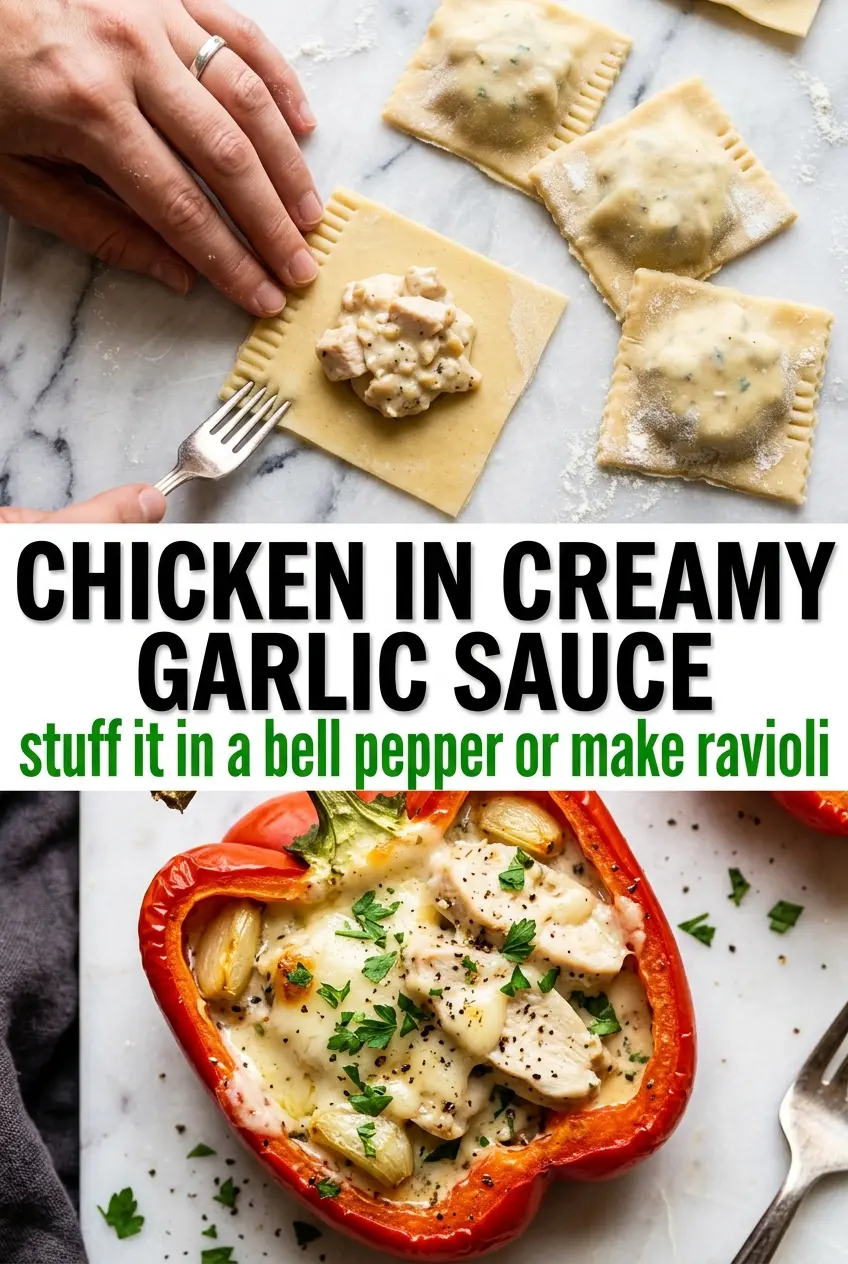
Chicken Breasts in Creamy Garlic Sauce
Ingredients
Equipment
Method
- Season the boneless skinless chicken breasts with salt, pepper, and smoked paprika to taste. Heat a large cast iron skillet with olive oil over medium-high heat and sear until golden and the internal temperature reaches 165°F, about 5-6 minutes per side, then remove to a plate (reserve any browned bits in the pan).
- Rest the chicken briefly while you make the sauce, keeping it covered loosely to retain heat. This helps the breasts stay juicy while the cream sauce simmers.
- Melt butter in the same pan over medium heat, then add minced garlic and cook for 2 minutes, stirring constantly, until fragrant and starting to turn golden. Scrape up any browned bits from the bottom of the pan as you stir.
- Deglaze with dry white wine (or chicken broth) and cook for 2 minutes, stirring to lift any caramelized residue. Let the liquid reduce slightly so the sauce starts tasting concentrated.
- Stir in heavy cream and bring the mixture to a simmer. Keep it at a gentle simmer so the sauce thickens without breaking.
- Add Parmesan, Italian seasoning, and cayenne, then simmer for 4-5 minutes, stirring occasionally, until the sauce is thick and glossy. The sauce should visibly coat the back of a spoon.
- Return the chicken breasts to the pan and spoon the garlic cream sauce over each breast. Spoon repeatedly so the tops get bathed and the sauce begins to pool around the edges.
- Garnish with fresh thyme and parsley. Serve immediately so the sauce stays thick and glistening.