Chinese chicken stir fry earns its spot in the weeknight rotation because it hits the sweet spot between fast and satisfying: tender chicken, crisp-tender vegetables, and a glossy soy-ginger sauce that clings to every bite instead of pooling at the bottom of the pan. The whole thing comes together in one wok or skillet, and when the heat is right, you get that deep savory finish that tastes far closer to takeout than most home versions.
The trick is in the sequencing. The chicken gets a light cornstarch coating first, which helps it brown and keeps the meat from drying out while the sauce thickens later. The vegetables cook hot and fast, just long enough to lose their raw edge without going limp. That’s what keeps this stir fry bright instead of muddy.
Below, I’ll walk through the part that matters most: how to get the sauce glossy without turning it gummy, plus the small ingredient swaps that still keep the dish tasting like a proper stir fry.
The chicken stayed tender and the sauce thickened right when it hit the pan. I used broccoli and peppers, and everything still had a little bite instead of going soft.
Save this Chinese chicken stir fry for the nights when you want glossy takeout-style sauce, crisp vegetables, and dinner on the table fast.
The Trick to Stir Fry That Stays Crisp, Not Watery
The biggest mistake with chicken stir fry is crowding the pan. If the chicken or vegetables sit in a soggy layer, they steam instead of sear, and the sauce never gets the clean, glossy finish you want. High heat only works when the food has room to touch the hot surface.
Another easy place to go wrong is the sauce timing. Stir fry sauce should go in only after the vegetables are hot and just tender-crisp. If you add it too early, the starch thickens before the vegetables are ready, and the pan starts to catch instead of glaze. The goal is a quick bubble, a little shine, and enough thickness to coat the back of a spoon.
- Thin-sliced chicken breast — Thin slices cook quickly and stay tender. If the pieces are thick, the outside overcooks before the center is done.
- Cornstarch on the chicken — This light coating helps the chicken brown and gives the sauce something to cling to. Don’t skip it unless you want a thinner, less glossy finish.
- High-smoke-point oil — Vegetable oil handles the heat needed for a proper stir fry. Olive oil is not the right tool here.
- Fresh garlic and ginger — These go in late because they burn fast. Fresh is worth using here; powdered versions won’t give the same punch.
What Each Ingredient Is Doing in the Pan
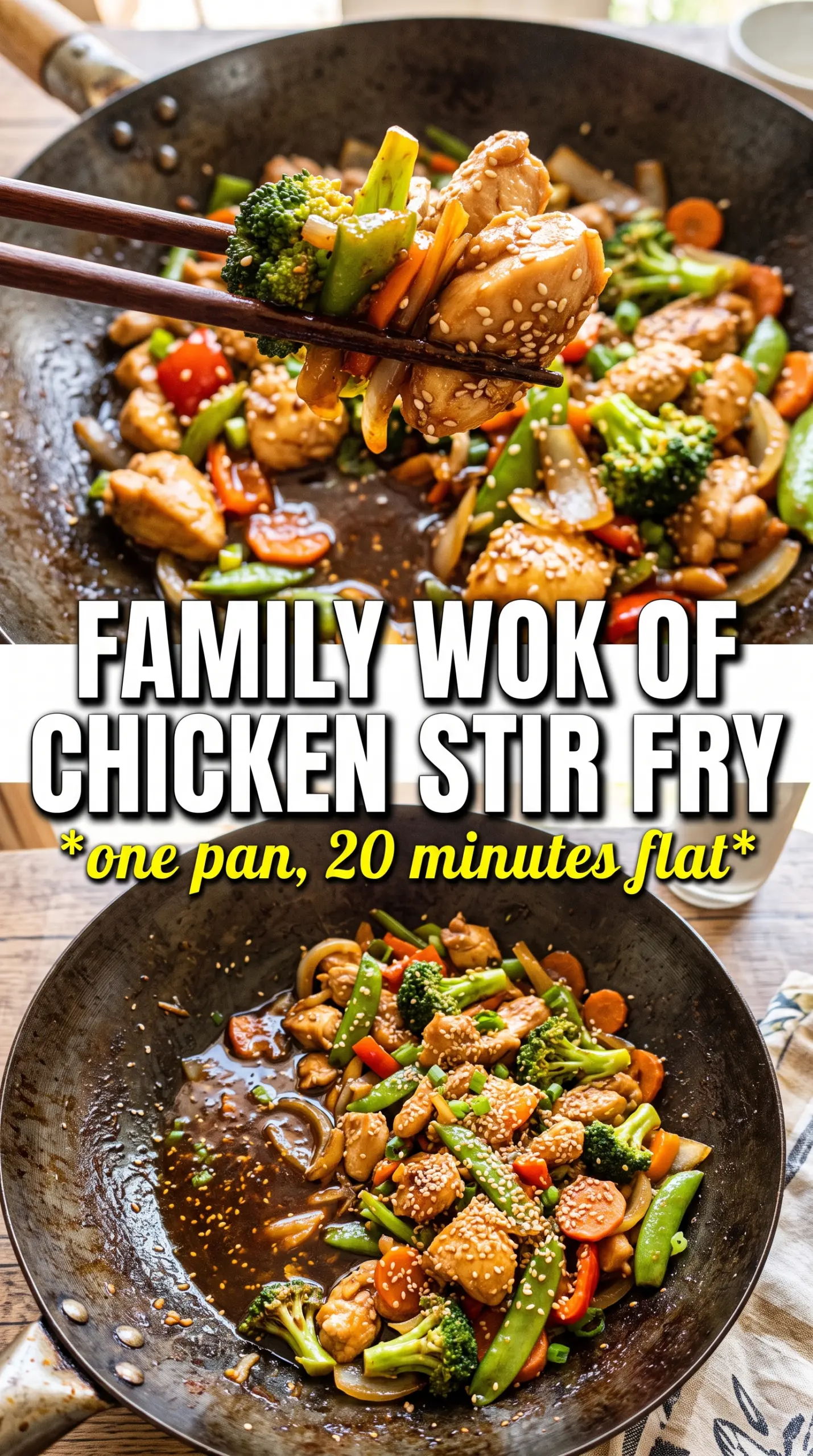
- Chicken breasts — Breasts stay lean and slice neatly, which works well for a fast stir fry. Chicken thighs can be used, but they’ll taste richer and need a little extra trimming before cooking.
- Soy sauce, oyster sauce, and hoisin — This trio builds depth fast: soy brings salt, oyster sauce brings savory body, and hoisin adds a little sweetness and lacquer. If you leave one out, the sauce tastes flatter and less complete.
- Brown sugar — Just enough sweetness balances the salty sauces and helps the glaze look darker and shinier. You only need a tablespoon; more than that turns the dish sticky instead of savory.
- Cornstarch in the sauce — This is what gives the sauce that takeout-style coating. Whisk it fully into the broth before it hits the pan so you don’t end up with little white lumps.
- Broccoli, peppers, and carrot — These vegetables all hold up to high heat and give the stir fry color and crunch. Slice the carrot thin enough that it softens at the same pace as the peppers.
Building the Stir Fry in the Right Order
Coating and Browning the Chicken
Toss the sliced chicken with cornstarch, salt, and white pepper until every piece looks lightly dusty, not pasty. That thin layer keeps the chicken juicy and helps it take on color in the wok. Heat the oil until it shimmers and just starts to smoke before the chicken goes in. If the pan isn’t hot enough, the chicken will turn pale and rubbery instead of getting those browned edges that make the dish taste finished.
Cooking the Vegetables Fast Enough to Keep Their Bite
After the chicken comes out, add the vegetables to the same pan and keep them moving. They should brighten in color and soften at the edges while still snapping when you bite them. The broccoli especially needs high heat; if the florets sit too long, they go dull and sulfurous instead of fresh. Garlic and ginger only need about 30 seconds, just until fragrant, because burned aromatics will take over the whole sauce.
Letting the Sauce Thicken Before the Chicken Goes Back In
Pour the whisked sauce into the hot pan and stir right away. In a minute or two it should go from thin and cloudy to glossy and thick enough to coat the vegetables. If it stays watery, the pan probably wasn’t hot enough; let it bubble a little longer rather than dumping in more cornstarch. Return the chicken at the end and toss just until everything is coated and hot through.
Make it gluten-free with one sauce swap
Use gluten-free soy sauce or tamari in place of regular soy sauce, and check that your oyster sauce is labeled gluten-free. The stir fry still gets the same savory backbone, but the finished sauce may taste a little less deep if you use a lighter tamari.
Turn it into a chicken and mushroom stir fry
Add sliced mushrooms with the vegetables and let them release their moisture before the sauce goes in. They bring an earthy note and make the dish feel heartier, but they also need a little extra pan time so the wok doesn’t turn watery.
Use chicken thighs for a richer finish
Boneless thighs work well if you want a slightly juicier, more forgiving stir fry. They brown beautifully, but they also bring a richer flavor that softens the clean takeout-style feel of the breast meat version.
Add heat without changing the sauce
Stir in sliced fresh chili, a pinch of red pepper flakes, or a little chili garlic sauce when the garlic and ginger go in. That keeps the heat bright and direct instead of muddying the sauce with extra sweetness.
Storage and Reheating
- Refrigerator: Store leftovers in an airtight container for up to 4 days. The vegetables soften a bit, but the flavor holds up well.
- Freezer: It freezes, but the vegetables lose their crisp texture after thawing. If you want to freeze it, cool it completely and freeze in a shallow container for up to 2 months.
- Reheating: Reheat in a skillet over medium heat with a splash of water or broth to loosen the sauce. The common mistake is microwaving it too long, which toughens the chicken and makes the sauce separate.
Questions I Get Asked About This Recipe
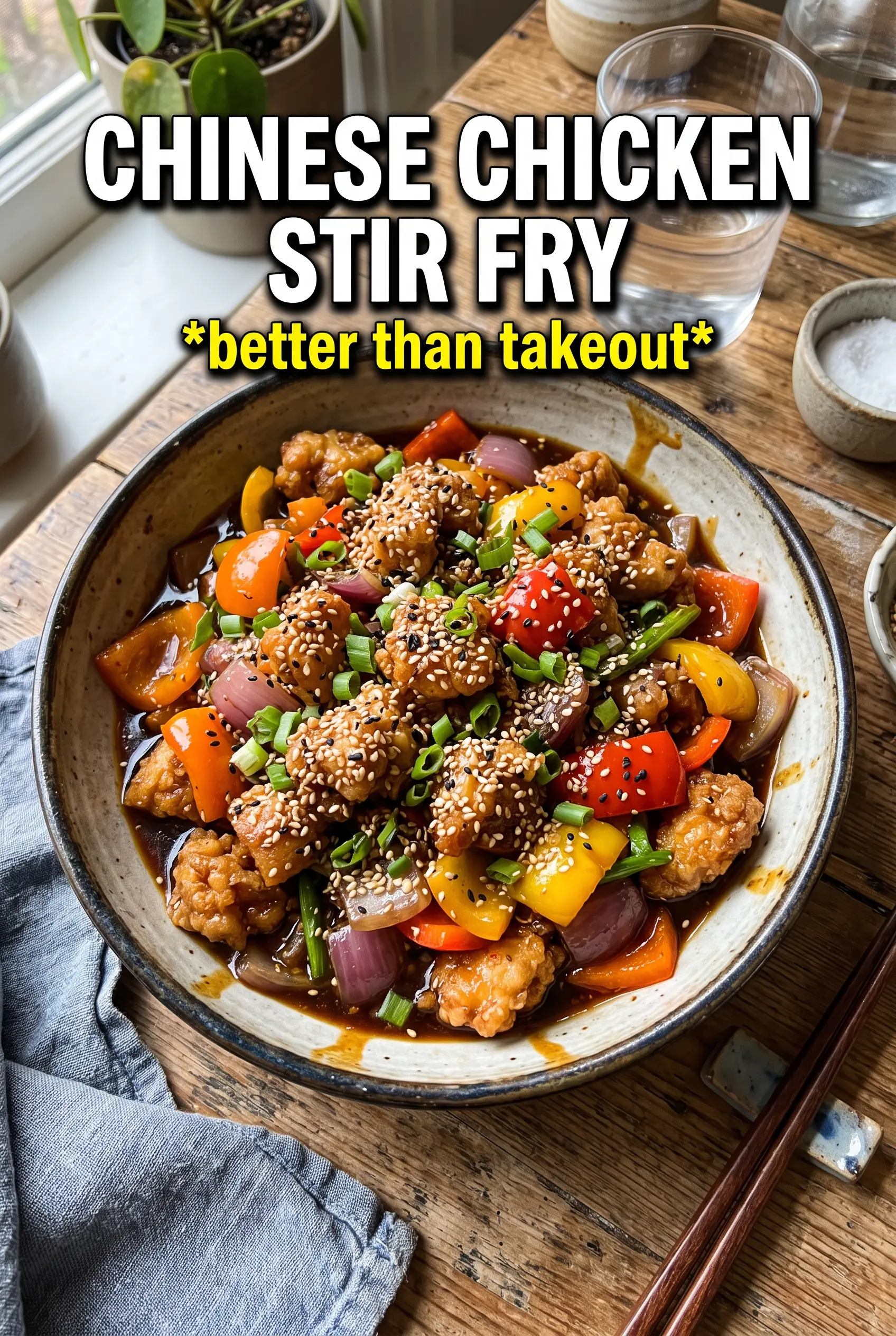
Chinese Chicken Stir Fry
Ingredients
Equipment
Method
- Toss the chicken with cornstarch, salt, and white pepper until evenly coated with a light dusting.
- Whisk together soy sauce, oyster sauce, hoisin sauce, brown sugar, sesame oil, cornstarch, and chicken broth until smooth.
- Heat the vegetable oil in a wok or large skillet over high heat until smoking, about 2-3 minutes.
- Cook the chicken for 4-5 minutes, stirring as needed, until golden and cooked through, then remove to a plate.
- Stir-fry the bell peppers, broccoli, and carrot for 3-4 minutes over high heat until bright and just tender-crisp.
- Add the garlic and ginger and stir-fry for 30 seconds, just until fragrant.
- Pour in the sauce and stir for 1-2 minutes until thickened and glossy.
- Return the chicken to the wok and toss to coat, cooking just until everything is heated through.
- Serve the stir fry over white rice and top with sesame seeds and green onions.