Linguine slicked in cowboy butter has a way of tasting bigger than the ingredient list suggests. The butter turns glossy with garlic, Dijon, smoked paprika, lemon, and herbs, then clings to every strand instead of pooling at the bottom of the bowl. Add deeply seasoned chicken with a little char on the outside, and you get a pasta dinner that lands bold, punchy, and just rich enough to feel special without turning heavy.
What makes this version work is the order. The chicken gets cooked first so the skillet holds onto those browned bits, and the sauce builds right there in the same pan. The Dijon helps the butter emulsify, the lemon wakes everything up at the end, and a splash of pasta water gives the sauce enough body to coat the linguine instead of sliding off it. That last part matters more than people think; pasta water is what turns melted butter into a sauce that actually clings.
Below, I’ve laid out the small details that keep the sauce smooth, plus a few smart swaps if you need to adjust the heat or make it work with what’s already in your kitchen.
The sauce coated the linguine perfectly, and the Dijon with lemon kept the butter from feeling heavy. My chicken strips picked up a great crust, and even the leftovers were excellent the next day.
Save this cowboy butter chicken linguine for the nights when you want a glossy, garlicky pasta with real weeknight bite.
The Part That Keeps Cowboy Butter From Turning Greasy
Butter sauces can split fast when the heat is too high or the acid goes in too early. This one stays together because the butter is melted gently after the chicken comes out, then the garlic cooks just long enough to perfume the fat without browning. The Dijon matters here because it helps the sauce hold onto the pasta instead of separating into slick butter and loose seasonings.
The other mistake people make is skipping pasta water or adding too much at once. You want just enough starchy water to loosen the sauce so it coats the linguine in a thin, shiny layer. If it starts looking oily, pull the skillet off the heat and stir in a spoonful of pasta water before adding more.
What Each Ingredient Is Actually Doing in This Bowl
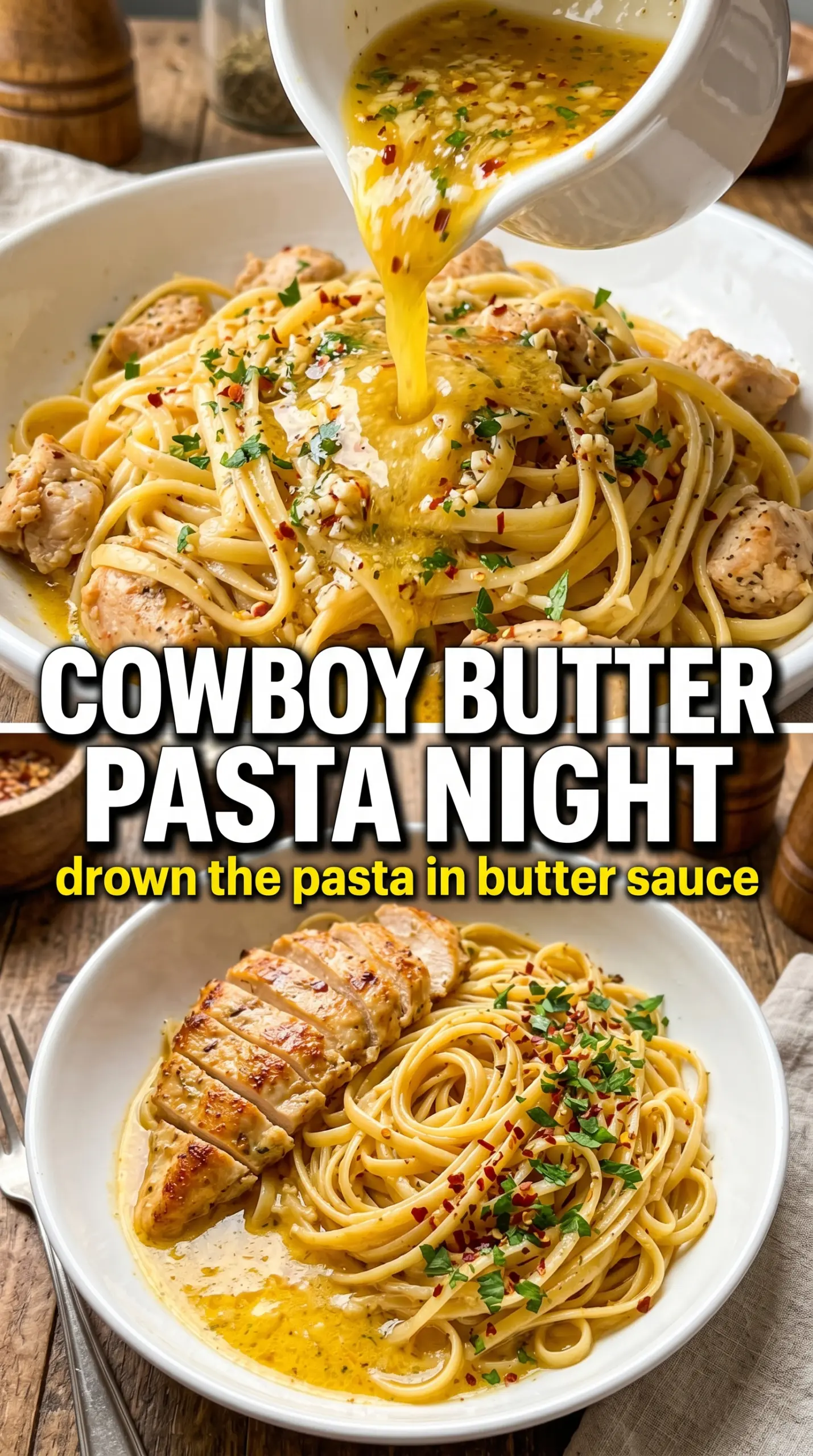
- Chicken breasts — Cutting them into strips gives you more surface area for browning, which means better flavor in less time. Breasts stay tender here because they cook quickly over high heat; if you use thighs, they’ll be richer and a little more forgiving, but the dish will eat heavier.
- Cajun seasoning — This does the seasoning heavy lifting on the chicken before it ever hits the sauce. If yours is salty, start lighter and build from there, because the butter and Dijon already bring plenty of punch.
- Butter — Use real butter here, not a spread. It’s the base of the sauce, and the flavor is the whole point; salted or unsalted both work, but unsalted gives you more control.
- Dijon mustard — This is what helps the sauce emulsify and keeps it from tasting like melted butter with spices thrown in. There isn’t a great substitute if you want the same texture, though a small spoonful of whole grain mustard can work in a pinch.
- Lemon juice — The acid cuts through the richness and brightens the paprika and garlic. Fresh lemon matters more than bottled here because you’re using a small amount, and the flavor has nowhere to hide.
- Pasta water — Don’t drain the linguine and walk away. That starchy water gives the sauce the body it needs to cling, and it’s the easiest fix if the pan looks dry before everything is tossed together.
Building the Sauce and Tossing Everything Together Without Breaking It
Searing the Chicken First
Heat the oil in a large skillet until it shimmers, then add the seasoned chicken in a single layer. You want an audible sizzle right away; if the pan is crowded, the chicken steams instead of browns. Let it sit long enough to pick up char on the edges before flipping, then cook just until the centers are no longer pink. Pull it out as soon as it’s done so it doesn’t dry out while you build the sauce.
Waking Up the Butter
Lower the heat before the butter goes in. That keeps the garlic from scorching the second it hits the pan, which would make the whole sauce taste bitter. Cook the garlic just until fragrant, then stir in the Dijon, smoked paprika, red pepper flakes, and cayenne so the spices bloom in the fat and stop tasting raw. If the pan looks too hot at this stage, take it off the burner for a few seconds; the butter should stay glossy, not browned.
Finishing the Linguine
Add the lemon juice, parsley, and chives, then toss in the hot linguine. Work quickly so the pasta catches the sauce while it’s still fluid, adding pasta water a splash at a time until the strands look coated and glossy. Return the chicken and any juices to the skillet at the end so none of that flavor gets left behind. Serve it right away, because butter-based sauces tighten up as they sit.
How to Adjust This Cowboy Butter Pasta for Different Kitchens
Make It Less Spicy
Cut the red pepper flakes in half and skip the cayenne. You’ll still get the smoky, garlicky cowboy butter flavor, just with more balance and less heat at the back of the throat.
Gluten-Free Version
Swap in your favorite gluten-free linguine and cook it just to al dente, because overcooked GF pasta can break apart when tossed. Keep the pasta water too; it’s just as useful for helping the sauce cling.
Use Chicken Thighs Instead
Boneless thighs work well if you want a juicier, richer bite. They need a few extra minutes in the skillet, and they’ll make the finished pasta feel a little more savory and less lean.
Storage and Reheating
- Refrigerator: Store leftovers in an airtight container for up to 3 days. The sauce will thicken as it chills, so expect the pasta to look a little less glossy.
- Freezer: I don’t recommend freezing this one. Butter sauces and cooked pasta both suffer after thawing, and the texture turns greasy and soft.
- Reheating: Warm it gently in a skillet over low heat with a splash of water or chicken broth. High heat is the mistake here; it can separate the butter and dry out the chicken before the center is hot.
Questions I Get Asked About This Recipe
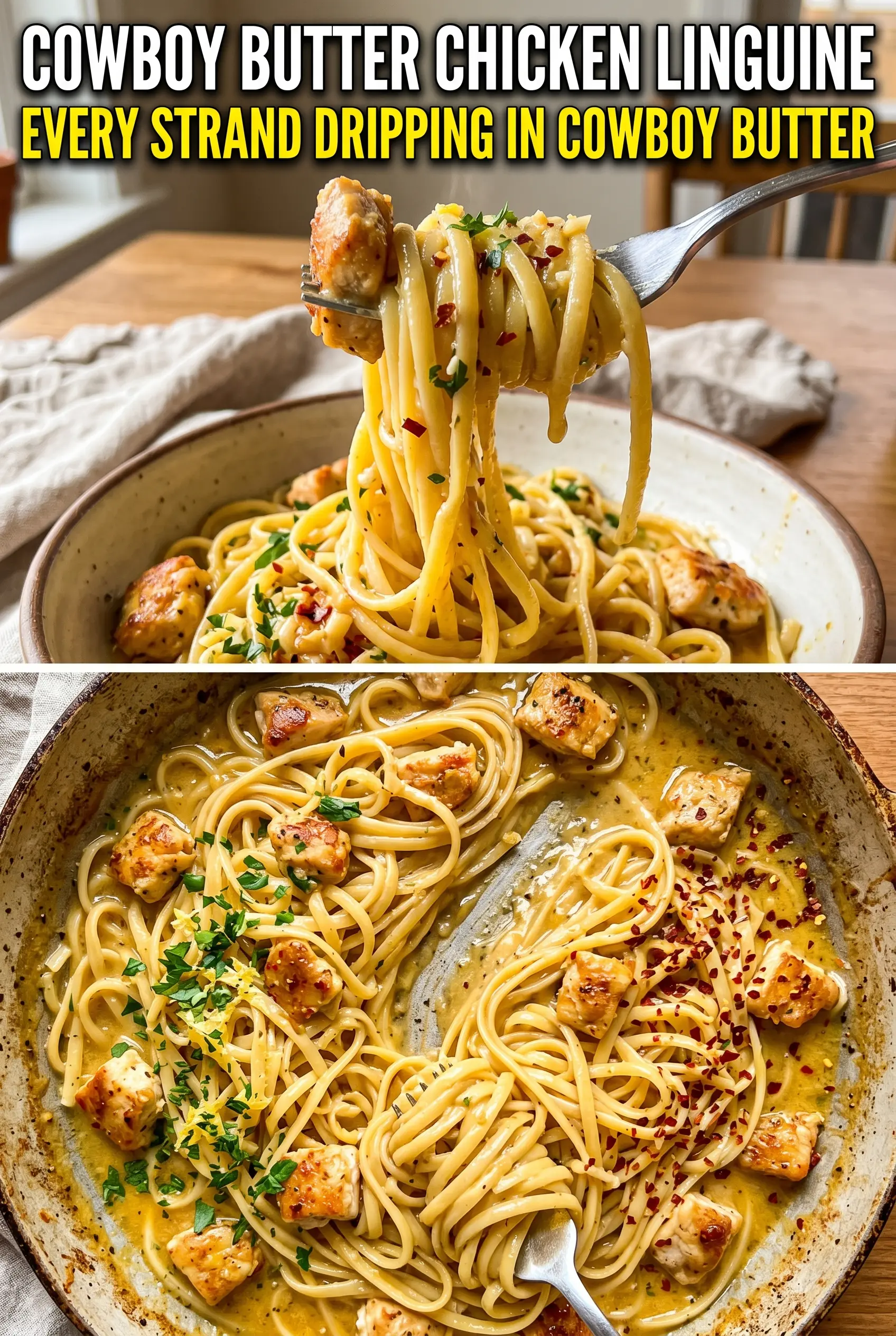
Cowboy Butter Chicken Linguine
Ingredients
Equipment
Method
- Season the chicken strips with salt, pepper, and Cajun seasoning to taste. Heat olive oil in a large skillet over high heat and sear for 4-5 minutes until charred and cooked through, then remove.
- Melt the butter in the same skillet over medium heat, then add the minced garlic and cook for 1 minute. Stir in Dijon mustard, smoked paprika, red pepper flakes, and cayenne, then cook for 30 seconds until fragrant.
- Add fresh lemon juice, parsley, and chives to the skillet. Toss the cooked linguine with the cowboy butter sauce and add reserved pasta water as needed until glossy and evenly coated, then top with the seared chicken strips and serve immediately.