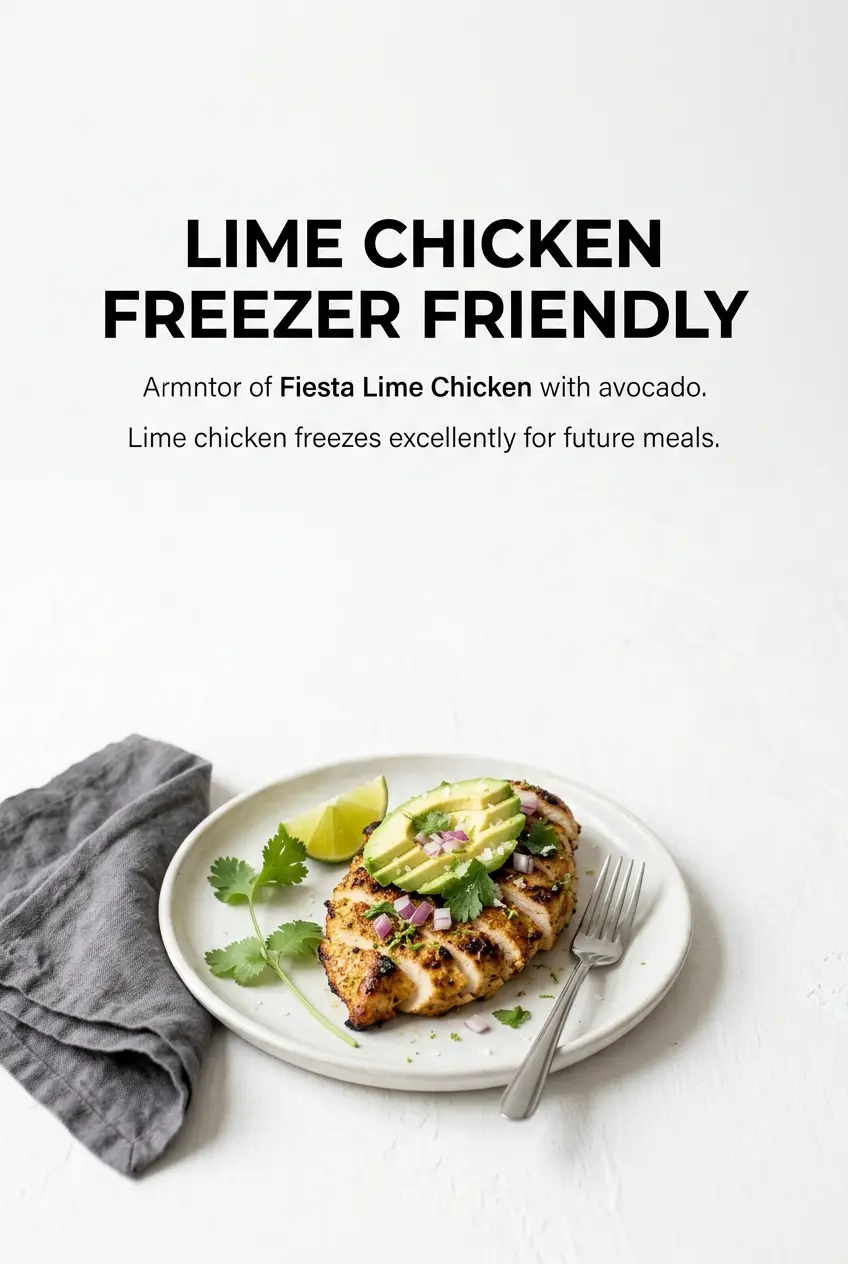
Lime-marinated chicken gets a bright, smoky edge on the grill, then lands under cool avocado and fresh pico de gallo for a dinner that tastes clean without feeling bare. The chicken stays juicy when the marinade is kept short and balanced, and the toppings bring enough contrast that every bite has a little heat, a little acid, and a soft creamy finish.
What makes this version work is restraint. Lime juice does the heavy lifting, but too much time in the marinade can make the outside of the chicken mealy, especially with thinner breasts. Olive oil and avocado keep the whole dish from leaning sharp, while cumin and chili powder give it that familiar fiesta-style depth without burying the fresh toppings.
Below you’ll find the small timing detail that keeps the chicken tender, the ingredient notes that help the marinade do its job, and a few smart ways to adapt the dish when dinner needs to be a little easier or feed more people.
The chicken grilled up juicy and the lime marinade gave it such a fresh kick without overpowering the avocado. I only marinated it for about 2 hours and it was perfect.
Fiesta Lime Chicken with Avocado is the kind of dinner that disappears fast, especially when the avocado and pico go on right before serving.
Why the Lime Marinade Stays Bright Instead of Turning the Chicken Tough
With lime-based chicken, the biggest mistake is treating the marinade like a bath that gets better the longer it sits. Acid works fast. After a few hours, it starts changing the surface texture of the chicken in a way that can turn it chalky or dry once it hits the grill. That means this recipe is better with a short marinate and a hot cook than with an overnight soak.
The olive oil helps spread the lime, garlic, cumin, and chili powder across the chicken evenly and gives the surface a little protection from the heat. Grill marks matter less than a steady, even sear and an internal temperature that lands at 165°F without taking the meat past that point. If the outside is dark before the center is cooked, the heat is too high; move the chicken to a cooler spot on the grill and finish it there.
What Each Ingredient Is Actually Doing in This Dish
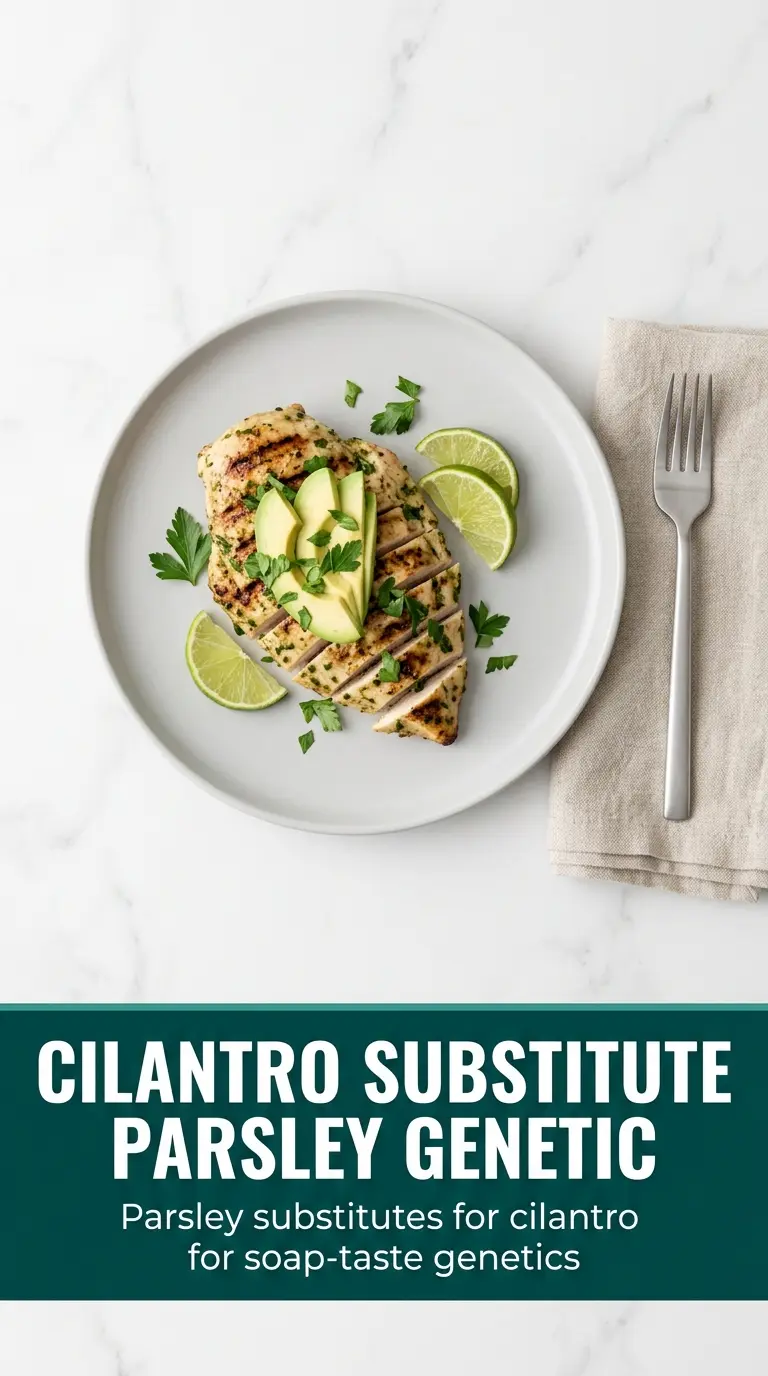
- Chicken breasts — Boneless, skinless breasts cook fast and take on the marinade well. If yours are very thick, pound them to an even thickness so the outside doesn’t dry out before the middle is done.
- Lime juice — This gives the dish its brightness, but it needs to be handled with care. Fresh lime juice tastes sharper and cleaner than bottled, and it matters here because the marinade is so simple.
- Olive oil — This softens the acidity and helps the garlic and spices cling to the chicken. A standard olive oil is fine; you don’t need your nicest bottle for this.
- Garlic, cumin, and chili powder — These are the backbone of the flavor. Fresh garlic gives the marinade a punch, while cumin adds warmth and chili powder brings the familiar Mexican-American seasoning you want under the avocado and pico.
- Avocados — Use ripe avocados that yield slightly when pressed. If they’re too firm, the topping feels heavy and flat; if they’re overripe, they’ll mash instead of slicing cleanly.
- Pico de gallo — This adds acidity, tomato juice, and crunch, which keeps the chicken from tasting one-note. A good pico makes the plate feel finished even before the lime wedges go on.
Getting the Grill Marked Sear Without Drying Out the Chicken
Mix the Marinade and Coat the Chicken Evenly
Stir the lime juice, olive oil, garlic, cumin, chili powder, salt, and pepper together until the spices are suspended rather than sitting in clumps. Add the chicken and turn it until every surface is coated, then cover and refrigerate it for 1 to 4 hours. If you go much past that, the lime starts working against you and the texture can turn soft on the outside.
Cook Over Medium-High Heat
Preheat the grill until it feels hot when you hold your hand above the grates for a second or two. Lay the chicken down and leave it alone long enough to pick up color and release naturally from the grate; if you force it early, it sticks and tears. Six to seven minutes per side is the usual range, but the real guide is the center reaching 165°F and the juices running clear.
Top at the Last Minute
Let the chicken rest briefly before adding the avocado and pico de gallo. That short rest keeps the juices in the meat instead of running onto the plate the moment you slice it. Add the cilantro and lime wedges right at the end so the fresh toppings stay bright and don’t wilt from the heat of the chicken.
Three Ways to Adjust the Plate Without Losing the Point
Make it dairy-free and naturally gluten-free
This recipe already fits both of those needs as written. Keep the toppings simple and check your pico if you’re buying it pre-made, since some versions sneak in additives or seasoning blends you don’t need.
Use chicken thighs for a juicier finish
Boneless thighs bring more richness and stay tender even if the grill runs a little hot. They usually need a few extra minutes, but they forgive small timing mistakes better than breasts.
Turn it into bowls or tacos
Slice the chicken and serve it over rice, lettuce, or warm tortillas with the avocado and pico on top. A squeeze of lime over the finished bowl wakes everything up and gives you the same bright finish in a different format.
Storage and Reheating
- Refrigerator: Store the chicken for up to 4 days. Keep the avocado and pico separate so the toppings don’t turn watery or brown.
- Freezer: The cooked chicken freezes well for up to 2 months. Freeze it without the toppings, then thaw it in the refrigerator before reheating.
- Reheating: Warm the chicken gently in a covered skillet over low heat or in the oven at 300°F. High heat dries out grilled chicken fast, so don’t blast it in the microwave unless you’re in a hurry and don’t mind losing some texture.