Foil packet fish comes out tender, flaky, and packed with lemony steam that keeps the fish from drying out over the fire or grill. The vegetables cook right alongside the fillets, so you get a full dinner without dirtying a skillet or babysitting a pan.
What makes this version work is the sealed packet. Butter, lemon, garlic, and herbs turn into a built-in sauce, while the foil traps enough heat and moisture to cook the fish evenly without scorching the outside. That matters even more with lean fish like tilapia, which can go from done to dry fast if the heat runs too high.
Below, I’ll show you how to keep the packets tight, how to tell when the fish is finished, and what to swap if you’re working with different fillets or cooking away from a campfire.
The fish stayed so flaky and the zucchini came out just tender, not mushy. I loved that the lemon and butter made its own sauce right in the packet.
Save these foil packet fish instructions for an easy campfire dinner with flaky fillets, lemon, and vegetables.
The Packet Seal That Keeps Fish Tender Instead of Dry
Foil packet fish lives or dies by the seal. If the packet is loose, steam leaks out and the fish cooks unevenly, especially over a fire where heat shifts around the grate. A tight fold traps the butter, lemon juice, and vegetable moisture so everything cooks in the same little pocket of heat.
The other thing people miss is the vegetable cut. Thin zucchini and bell pepper slices cook in the same window as the fish, which means you don’t end up with raw vegetables under overcooked fillets. Thick chunks need too much time and push the fish past its best texture.
- Heavy-duty foil — This matters. Thin foil tears when you fold the packet or move it on the grate, and that ruins the steam seal. If you only have standard foil, use two layers per packet.
- Fish fillets — Salmon, trout, and tilapia all work, but thicker salmon needs the full 20 minutes while thinner tilapia may be done sooner. Cut the pieces into similar sizes so they finish together.
- Lemon slices — Slices soften in the packet and perfume the fish without making the top soggy. Fresh lemon beats bottled juice here because the slices add aroma and a little built-in moisture.
- Butter — This is the fat that carries the garlic and herbs. Olive oil can stand in if needed, but the sauce won’t have the same rich finish.
Building the Packets So Everything Finishes at the Same Time
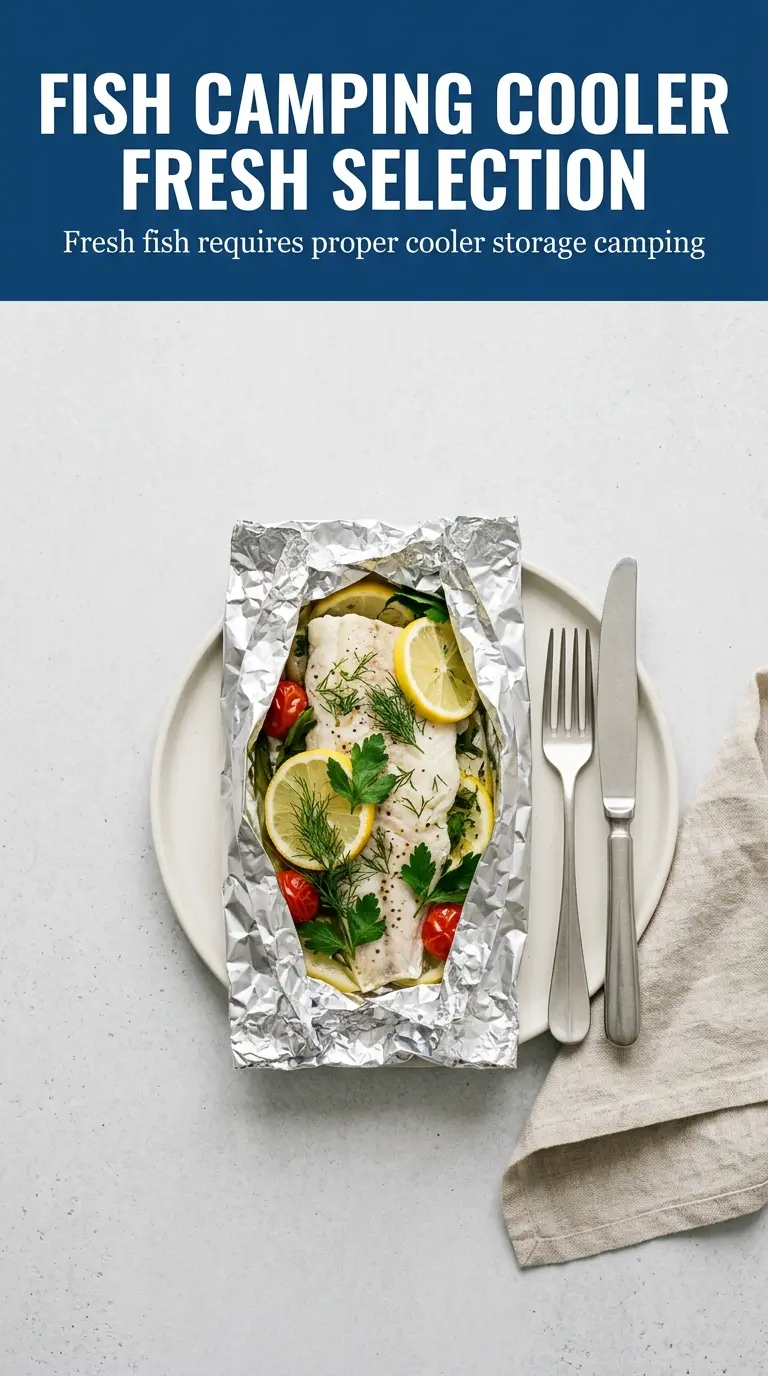
- Vegetables — Zucchini and bell pepper are ideal because they soften quickly without collapsing. If you swap in carrots or potatoes, slice them paper-thin or par-cook them first.
- Dill or parsley — Dill gives the fish a brighter, cleaner edge; parsley stays more neutral. Either one works, but dried herbs won’t give the same fresh finish, so use a smaller amount if that’s all you have.
The Fire and Timing That Give You Flaky Fish, Not Overcooked Edges
Layer the Ingredients with the Fish on Top
Set each fillet on its own piece of foil, then pile the garlic, herbs, salt, pepper, butter, lemon, and vegetables around and over it. Keeping the fish centered helps it steam evenly instead of sitting in one hot corner of the packet. If you tuck the vegetables only underneath, the fish can stick to the foil, so give it a little cushion all around.
Seal the Foil Tightly
Bring the long sides together first, then fold them down in tight, repeated turns. Crimp the short ends last. The packet should look closed but not smashed flat; you want room for steam to circulate. If you see holes or loose corners, the butter will leak out and the fish will dry faster than it should.
Cook Over Medium Heat, Not Direct Flame
Set the packets on a campfire grate over medium heat and leave them alone for 15 to 20 minutes. Direct flame scorches foil fast, so you want hot coals or a steadier zone of heat. Salmon usually needs the longer end of the range, while thin tilapia can be ready sooner. The fish is done when it flakes easily with a fork and turns opaque all the way through.
Open Carefully and Serve Right Away
Let the packets rest for a minute before opening them, because the steam inside is intense. Open the top seam away from your face, then use a spoon to catch the buttery juices and pour them over the fish. That liquid is the best part of the dish, and it disappears if you let the packets sit too long before serving.
How to Adapt Foil Packet Fish for Different Fish and Cooking Setups
Use salmon for a richer, more forgiving packet
Salmon stands up to the heat better than most mild white fish, and its fat keeps it moist even if the packet runs a little hot. It needs the full cooking time, and the vegetables underneath pick up extra richness from the rendered fish and butter.
Make it dairy-free with olive oil
Swap the butter for olive oil and add an extra squeeze of lemon at the end. You’ll lose a little of that buttery sauce, but the fish still stays moist because the foil does the steam work.
Cook it on a grill at home instead of a campfire
Set the packets over medium heat on a covered grill and use the same timing. A closed grill acts like an oven, which gives you steadier heat and fewer scorched spots than an open flame.
Add sturdier vegetables without drying out the fish
If you want potatoes, carrots, or green beans, cut them very thin or give them a quick head start before wrapping. Otherwise the fish will be done before the vegetables are tender.
Storage and Reheating
- Refrigerator: Store leftovers in an airtight container for up to 2 days. The fish will still taste good, but the vegetables soften more after chilling.
- Freezer: I don’t recommend freezing the cooked packets. The fish texture turns mealy once thawed, and the zucchini gets watery.
- Reheating: Rewarm gently in a covered skillet over low heat with a spoonful of water or broth. High heat dries the fish fast and makes the vegetables collapse.
Answers to the Questions Worth Asking
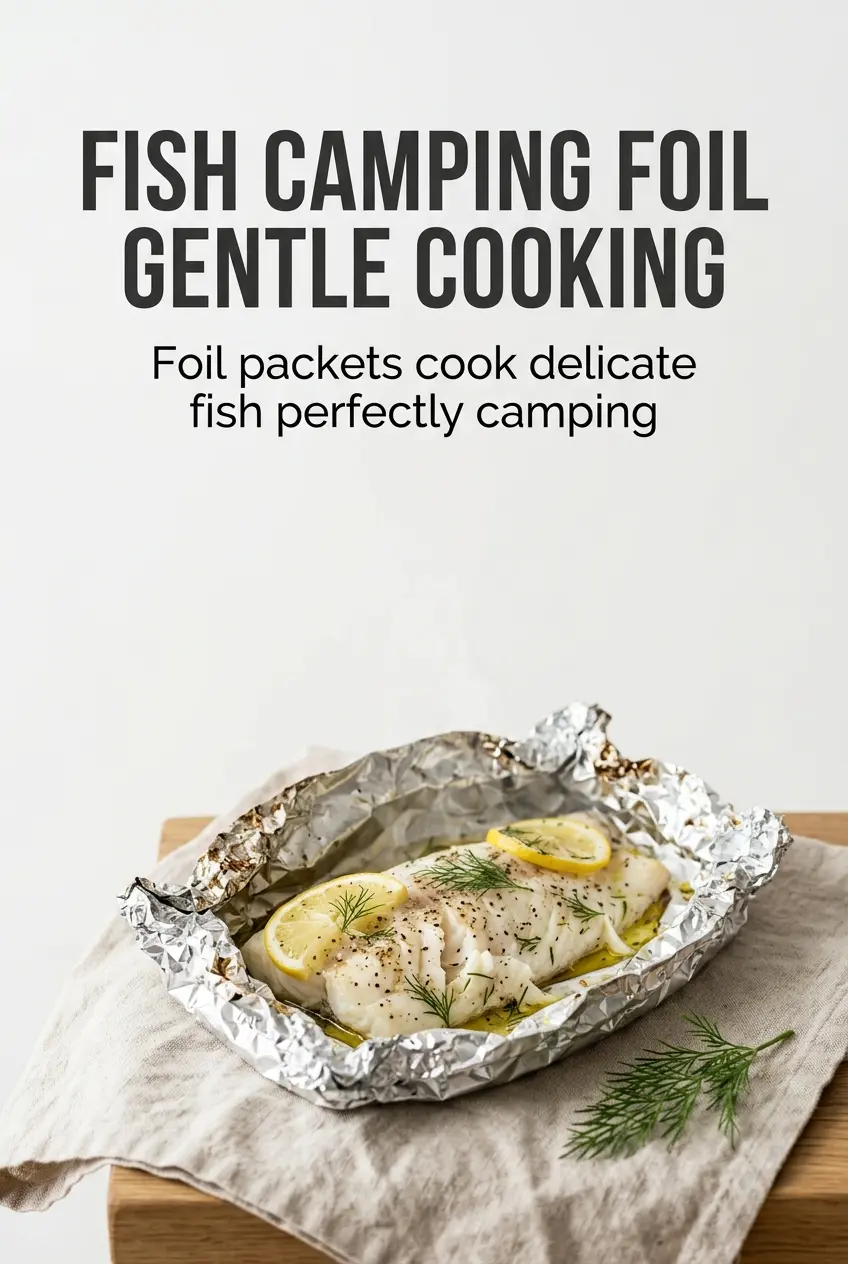
Foil Packet Fish
Ingredients
Equipment
Method
- Place each fish fillet on a sheet of heavy-duty aluminum foil.
- Top each fillet with minced garlic, dill or parsley, salt, and pepper, then add a pat of butter.
- Arrange lemon slices over the fish and surround with zucchini and bell pepper.
- Fold the foil into sealed packets so steam can’t escape.
- Place packets on a campfire grate over medium heat for 15-20 minutes until the fish flakes easily with a fork.
- Carefully open packets and serve immediately.