Golden chicken breasts in garlic butter sauce are the kind of pan dinner that disappears fast and leaves the skillet looking scraped clean. The chicken gets a deep, savory sear first, then the sauce comes together in the same pan with butter, garlic, and chicken broth, so every browned bit turns into part of dinner instead of staying stuck on the bottom. What you get is tender chicken with crisp edges and a glossy sauce that clings instead of pooling like plain melted butter.
This version works because the garlic goes into the pan after the chicken is cooked, when the heat has dropped a little. That keeps it fragrant instead of burnt, which is the difference between a rich sauce and one that tastes sharp or bitter. The broth loosens the fond and gives the butter somewhere to go, and a little lemon at the end wakes everything up without turning it into a lemon chicken recipe.
Below, I’ve included the little timing details that matter most, plus a few smart swaps for when you need to work with what’s in the fridge. If you’ve ever had garlic butter sauce split or turn greasy, the process section will help you avoid that.
The chicken stayed juicy and the garlic butter sauce thickened up just enough to spoon over rice. I liked that the garlic didn’t burn, and the lemon at the end kept it from tasting heavy.
Pin this garlic butter chicken for a fast skillet dinner with a glossy pan sauce and plenty of garlic.
The One Thing That Keeps This Garlic Butter Sauce From Turning Greasy
The sauce only stays silky if you respect the order. The chicken gets seared first, then removed from the pan before the butter and garlic go in. That matters because garlic burns fast, and burnt garlic turns the whole sauce harsh in under a minute.
Once the broth goes in, scrape the bottom of the skillet well. Those browned bits are concentrated flavor, and they also help the sauce pick up a little body. If the pan is still screaming hot when the butter goes in, pull it off the heat for a few seconds. Butter doesn’t need a boil to become a sauce; it needs a chance to emulsify with the broth instead of separating into an oily layer.
What Each Ingredient Is Doing in the Pan
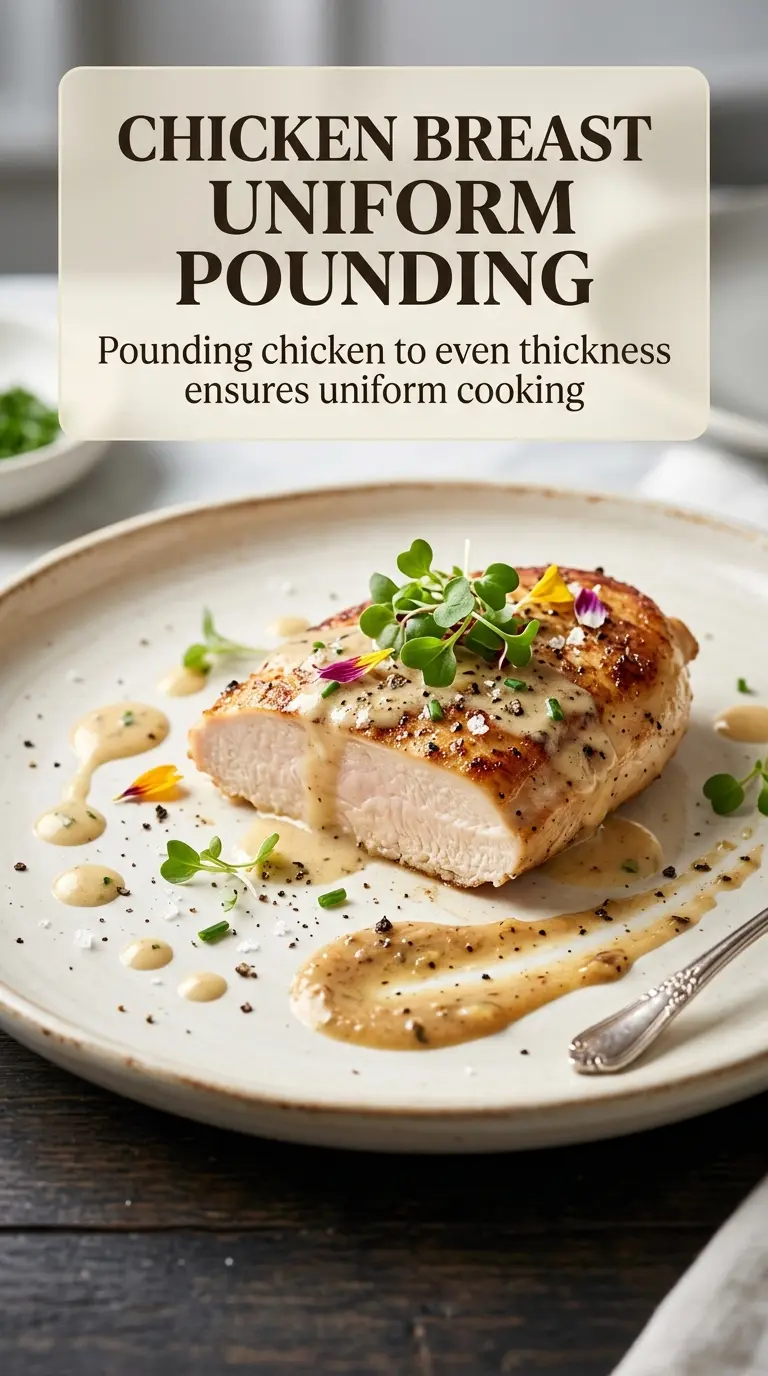
- Chicken breasts — Boneless breasts cook fast and give you a clean canvas for the sauce. If yours are thick in the center, pound them to an even thickness so the edges don’t dry out before the middle reaches 165°F.
- Butter — This is the body of the sauce, not just extra richness. Use real butter here; margarine won’t give the same silky finish or the same flavor.
- Garlic — Fresh minced garlic is worth using because it perfumes the sauce in the short simmer time. Pre-minced garlic can work in a pinch, but it’s less fragrant and more likely to taste flat.
- Chicken broth — Broth loosens the browned bits and keeps the sauce from feeling like plain melted butter. Low-sodium broth gives you more control, especially if your chicken is seasoned aggressively.
- Lemon juice — A small squeeze at the end sharpens the sauce and keeps the butter from tasting heavy. Add it gradually; too much can make the sauce taste thin instead of bright.
- Fresh parsley — Parsley doesn’t just garnish the pan. It brings a fresh finish that cuts through the richness and makes the sauce look as good as it tastes.
Getting the Sear Before the Sauce
Seasoning and Searing the Chicken
Pat the chicken dry, then season it generously with salt and pepper on both sides. Heat the olive oil in a large skillet over medium-high heat until it shimmers, then lay the chicken in and leave it alone long enough to build color. If you move it too early, it sticks and tears instead of releasing with a crust. Cook until both sides are golden and the center reaches 165°F, then move the chicken to a plate.
Building the Garlic Butter Base
Lower the heat to medium before you add the butter. That small drop in heat keeps the garlic from scorching the second it hits the pan. Stir for 1 to 2 minutes until it smells sweet and nutty, not dark or sharp. If the garlic starts browning fast, the pan is too hot and the sauce will taste bitter.
Finishing with Broth, Herbs, and Lemon
Pour in the broth and scrape up the browned bits with a wooden spoon. Let it simmer briefly so it loses the raw edge and picks up a little body, then return the chicken to the skillet and spoon the sauce over the top. Add the lemon juice at the end, not earlier, so the sauce stays round and buttery. The parsley goes in last for a fresh finish and a little color.
How to Adjust This Chicken for Different Nights
Make It Dairy-Free
Swap the butter for a dairy-free butter substitute that’s meant for cooking, not spreading. You’ll still get a glossy pan sauce, but the flavor will be a little less rich and the sauce may need an extra pinch of salt to wake it up.
Use Chicken Thighs Instead
Boneless thighs work well if you want juicier meat and a slightly richer result. They need a few extra minutes in the skillet, and the final sauce benefits from a little more lemon because thighs bring more fat to the plate.
Turn It Into a Low-Carb Dinner
The chicken itself is already naturally low in carbs, so the main move is what you serve with it. Spoon the sauce over cauliflower mash, zucchini noodles, or sautéed greens to keep the plate light while still catching every bit of the garlic butter.
Storage and Reheating
- Refrigerator: Store leftovers in an airtight container for up to 3 days. The sauce will thicken as it chills.
- Freezer: It can be frozen, but the sauce may separate a bit when thawed. Freeze the chicken and sauce together for up to 2 months if you don’t mind whisking it back together after reheating.
- Reheating: Warm gently in a skillet over low heat with a splash of broth. High heat is the fastest way to dry out the chicken and break the sauce.
Answers to the Questions Worth Asking
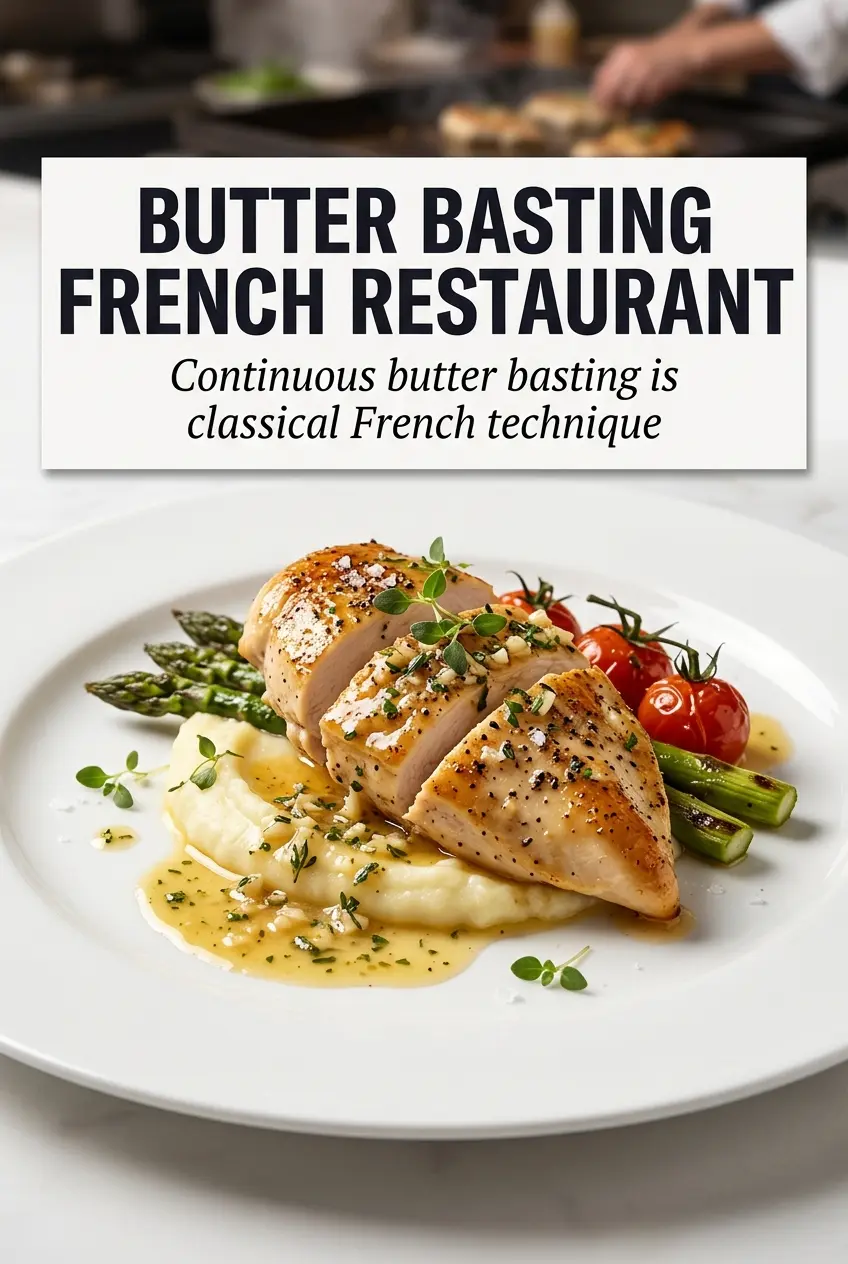
Garlic Butter Chicken
Ingredients
Equipment
Method
- Season the chicken breasts generously with salt and pepper.
- Heat the olive oil in a large skillet over medium-high heat and sear the chicken for 6-7 minutes per side until golden and cooked through to 165°F.
- Remove the chicken and set aside.
- Reduce heat to medium, then add butter and garlic to the skillet and cook for 1-2 minutes until fragrant.
- Add chicken broth and thyme, scraping up any browned bits, then simmer for 2-3 minutes.
- Return the chicken to the pan, spoon the sauce over top, then add lemon juice and parsley and serve immediately.