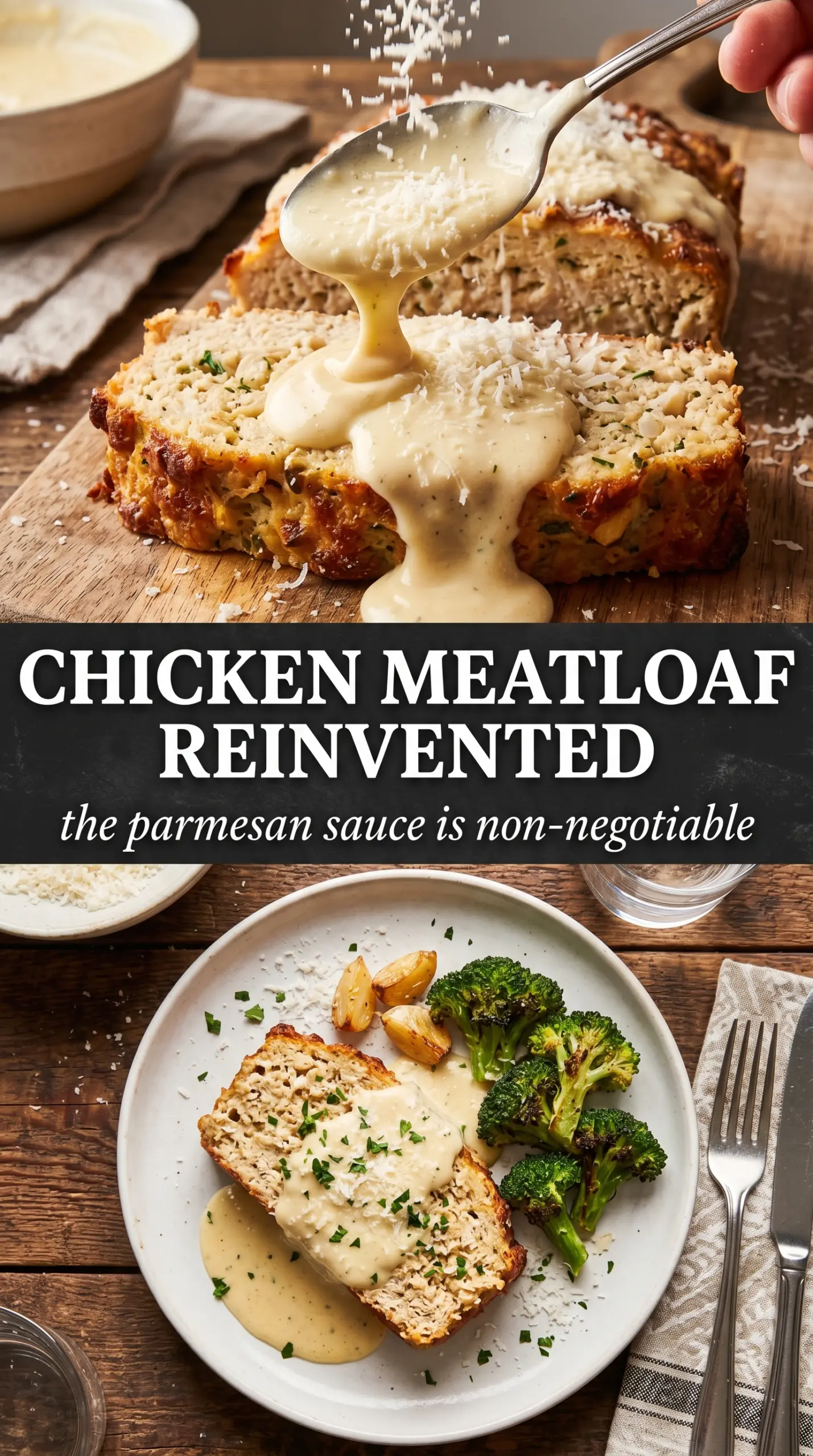
Garlic parmesan chicken meatloaf comes out tender in the middle with a salty, golden crust that tastes like it belongs on a weeknight table and not just in a comfort-food daydream. The chicken stays lighter than a beef loaf, but the parmesan, garlic, and buttery topping give each mini loaf enough richness to feel satisfying from the first bite to the last.
The trick is keeping the mix gentle and the heat high enough to brown the top without drying out the chicken. Panko adds a little structure without turning the texture dense, and the garlic butter brushed on before and after baking gives you that glossy finish and deep savory flavor that makes this version stand out. I like shaping it into individual loaves because they cook faster, brown more evenly, and give you more of that caramelized edge.
Below you’ll find the exact texture cues to watch for, why the parmesan belongs in both the mix and the topping, and a few easy swaps if you’re working with what you have on hand.
The chicken stayed so juicy, and the parmesan crust on top turned golden and crisp without drying out the centers. I made the mini loaves exactly 28 minutes and they came out perfect with that garlic butter brushed on at the end.
Golden garlic parmesan chicken meatloaf with a buttery crust is the kind of dinner that deserves a spot in your regular rotation.
The Difference Between Tender Chicken Meatloaf and a Dry Brick
Ground chicken needs a lighter hand than beef or pork. Once you overmix it, the proteins tighten and the loaf turns compact instead of tender, which is the main reason so many chicken meatloaves end up dry. The goal here is a mixture that looks evenly combined, not perfectly polished.
The other thing that matters is how you shape it. Individual mini loaves cook more evenly than one large loaf, and the extra surface area gives you more browned edges plus more of that garlicky parmesan crust. If the tops start to darken too fast, the oven is running hot; tent loosely with foil for the last few minutes instead of lowering the heat and stealing the browning you already built.
- Ground chicken — Choose standard ground chicken, not extra-lean breast-only blends if you can avoid them. A little dark meat keeps the loaves from eating dry.
- Panko breadcrumbs — Panko lightens the texture and holds some of the moisture in the meat. Regular breadcrumbs work in a pinch, but the finished loaf will be tighter.
- Parmesan — Use finely grated parmesan, not big shreds. Fine grating melts into the meat and browns on top without falling off the loaf.
- Garlic butter topping — This is not just garnish. It bastes the surface as the meatloaf bakes, helping the top turn glossy and deeply savory.
What Each Ingredient Is Actually Doing in This Dish
- Ground chicken — This is the base, so freshness matters more than brand loyalty. If it looks wet and loose, that’s fine; the egg and panko are there to bring it together.
- Parmesan cheese — Parmesan adds salt, nuttiness, and structure. The extra on top gives you that browned crust that makes each loaf look finished.
- Panko breadcrumbs — These keep the texture airy. If you swap in crushed crackers or fine breadcrumbs, expect a denser bite.
- Garlic and garlic powder — Fresh garlic gives the loaf its sharp, aromatic backbone, while garlic powder spreads that flavor through every bite. Using both is what keeps the dish from tasting flat.
- Egg — The egg binds the mixture so the loaves hold their shape. One is enough; more than that can make the texture spongy.
- Parsley and Italian seasoning — Parsley keeps the flavor fresh, and Italian seasoning adds the familiar herb note that makes this read as Italian-American instead of just plain chicken.
- Butter — Melted butter in the topping helps the parmesan brown and gives the surface a rich finish. Olive oil can work, but it won’t give the same glossy, savory crust.
How to Shape and Bake the Loaves for a Golden Crust
Mix Just Until It Comes Together
Combine the ingredients with your hands or a fork and stop as soon as the mixture looks even. If you keep working it, the chicken gets paste-like and the finished meatloaf turns tight. The mixture should hold its shape when you press it, but it doesn’t need to feel firm in the bowl.
Form Small Loaves on the Sheet Pan
Divide the mixture into four equal portions and shape them into short ovals with a little space between each one. That spacing matters because it lets hot air circulate and keeps the sides from steaming. If the loaves are packed too close together, the bottoms stay pale and the tops take longer to brown.
Brush, Top, and Bake to Temperature
Mix the melted butter with garlic, brush it over each loaf, then press a little extra parmesan on top. Bake until the tops are golden and the centers reach 165°F, which usually takes 25 to 28 minutes. If you pull them too early, the middle will feel soft and undercooked; if you wait for the whole loaf to look very firm, you’ve usually gone past juicy.
Finish With the Last Layer of Flavor
Brush on the remaining garlic butter as soon as the loaves come out of the oven. That last hit of butter melts into the parmesan and makes the crust taste fuller, not greasy. A scatter of fresh parsley at the end cuts through the richness and keeps the dish from feeling heavy.
How to Adapt This for Different Diets and Dinners
Gluten-Free Version
Swap the panko for certified gluten-free breadcrumbs or crushed gluten-free crackers. The texture stays close to the original, though the loaf may brown a little less evenly if the crumbs are very coarse.
Dairy-Free Version
Use a dairy-free parmesan-style substitute in the meat mixture and top the loaves with olive oil instead of butter. You won’t get the same buttery finish, but the garlic still carries the dish and the top will brown nicely.
Make It Spicier
Add a pinch of red pepper flakes to the meat mixture or the butter topping. It doesn’t change the structure, just adds a little heat that plays well with the parmesan.
Storage and Reheating
- Refrigerator: Store leftovers in an airtight container for up to 4 days. The crust softens a little in the fridge, but the flavor holds well.
- Freezer: These freeze well. Cool completely, wrap each loaf tightly, and freeze for up to 2 months. Thaw overnight in the refrigerator before reheating.
- Reheating: Reheat in a 325°F oven, covered loosely with foil, until warmed through. The biggest mistake is blasting chicken meatloaf in the microwave, which dries out the edges before the center is hot.
Answers to the Questions Worth Asking
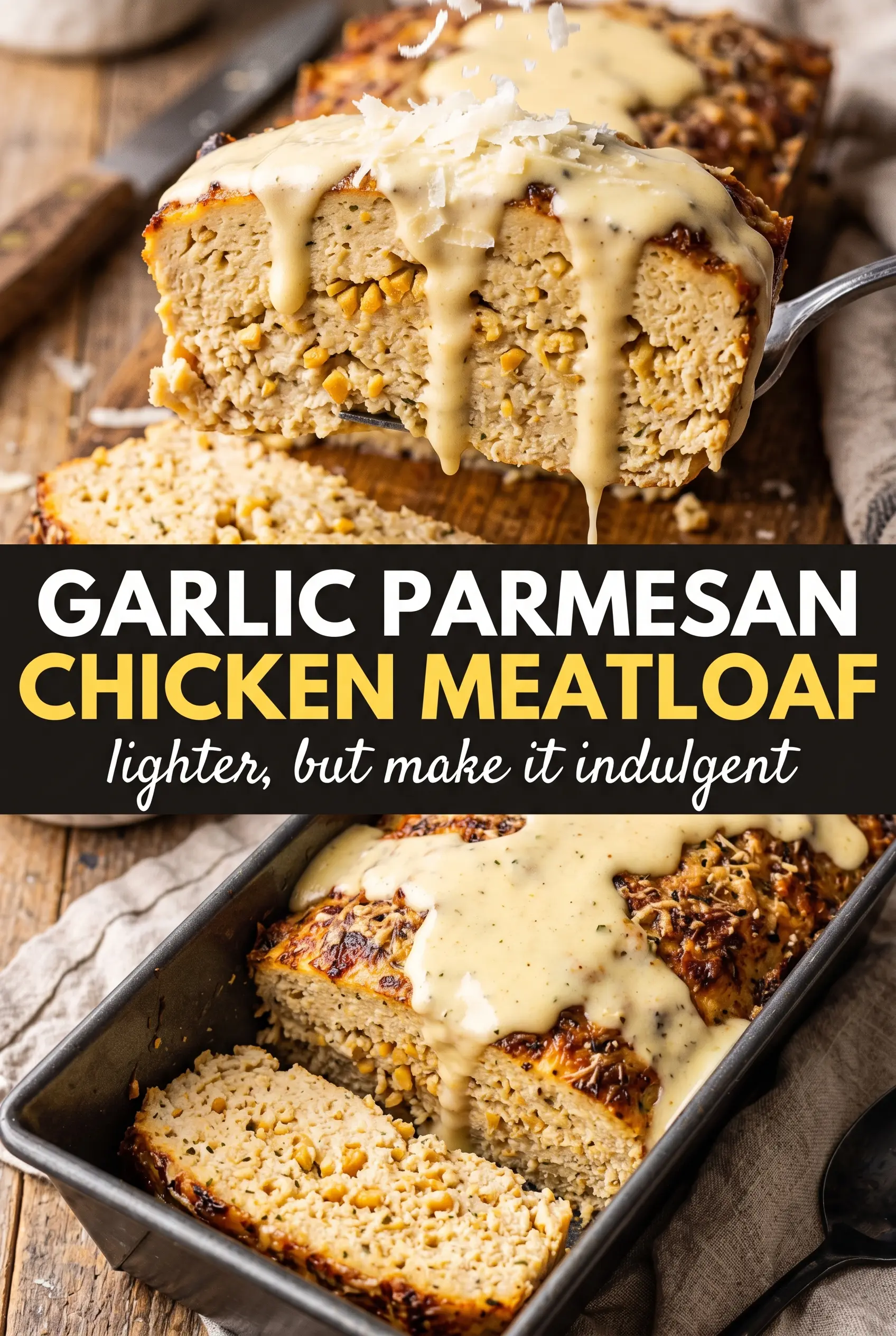
Garlic Parmesan Chicken Meatloaf
Ingredients
Equipment
Method
- Preheat the oven to 400°F and line a sheet pan with parchment for easy release and cleanup.
- Combine ground chicken, parmesan, panko, minced garlic, egg, chopped parsley, Italian seasoning, garlic powder, salt, and black pepper, and mix until just combined.
- Divide the mixture into 4 equal portions and shape each into an oval loaf on the prepared pan.
- Mix melted butter with minced garlic and brush over each meatloaf, then press extra parmesan on top for a golden crust.
- Bake 25–28 minutes at 400°F until the meatloaves are cooked through (165°F internally) and golden on top.
- Brush with the remaining garlic butter, garnish with fresh parsley, and serve while hot.