Juicy Greek chicken kabobs bring the kind of charred, lemony bite that makes people hover around the grill before dinner is even called. The chicken stays tender because it gets a real marinade window, not just a quick toss in dressing, and the vegetables pick up enough heat to get sweet edges without turning soft and limp. Served with tzatziki, they’ve got that clean, bright finish that keeps you going back for one more skewer.
The trick is balancing acid and fat in the marinade so the chicken tastes bold without getting mushy. A little Dijon helps the oil and lemon stay emulsified, oregano gives the kabobs that unmistakable Greek backbone, and garlic does better here when it’s minced fine enough to cling to the meat. If you’ve ever had grilled chicken skewers turn dry before the vegetables were even done, this version avoids that by cutting the chicken evenly and grilling hot and fast.
Below, I’ve included the parts that matter most: how long to marinate for the best texture, what order to thread the skewers, and a few easy swaps if you need to adjust the vegetables or make the dish dairy-free.
The marinade made the chicken taste like real souvlaki, and the skewers came off the grill juicy with just enough char on the edges. I used the tzatziki with pita and the whole pan disappeared fast.
Greek Chicken Kabobs with lemon, oregano, and tzatziki are the kind of grilled dinner worth keeping close for easy weeknights.
The Marinade Time That Keeps the Chicken Juicy Instead of Chalky
Greek chicken kabobs live or die by the marinade. The lemon juice gives you that bright souvlaki flavor, but if the chicken sits in acid too long, the surface can tighten up and turn mealy. Four to eight hours is the sweet spot here: long enough for the garlic, oregano, and lemon to work into the meat, short enough to keep the texture clean and tender.
The other thing people miss is heat management. A medium-high grill gives you browning before the chicken dries out, and cutting the pieces evenly matters more than most people think. When one skewer has tiny cubes and another has big ones, the small pieces overcook while you’re waiting on the larger pieces to finish.
- Even chicken pieces — Cut the breast meat into similar-sized cubes so every skewer finishes at the same time. Uneven cuts are the fastest way to get dry edges and undercooked centers.
- Fresh oregano — Fresh oregano tastes sharper and more fragrant than dried here. If you only have dried, use less, because the flavor concentrates as it sits in the marinade.
- Dijon mustard — It doesn’t make the kabobs taste like mustard. It helps bind the marinade so the lemon and oil coat the chicken evenly and cling better on the grill.
- Soaked wooden skewers — They keep from burning during the short grill time. If you skip the soak, the ends can singe before the chicken is done.
What Each Ingredient Is Doing in These Kabobs
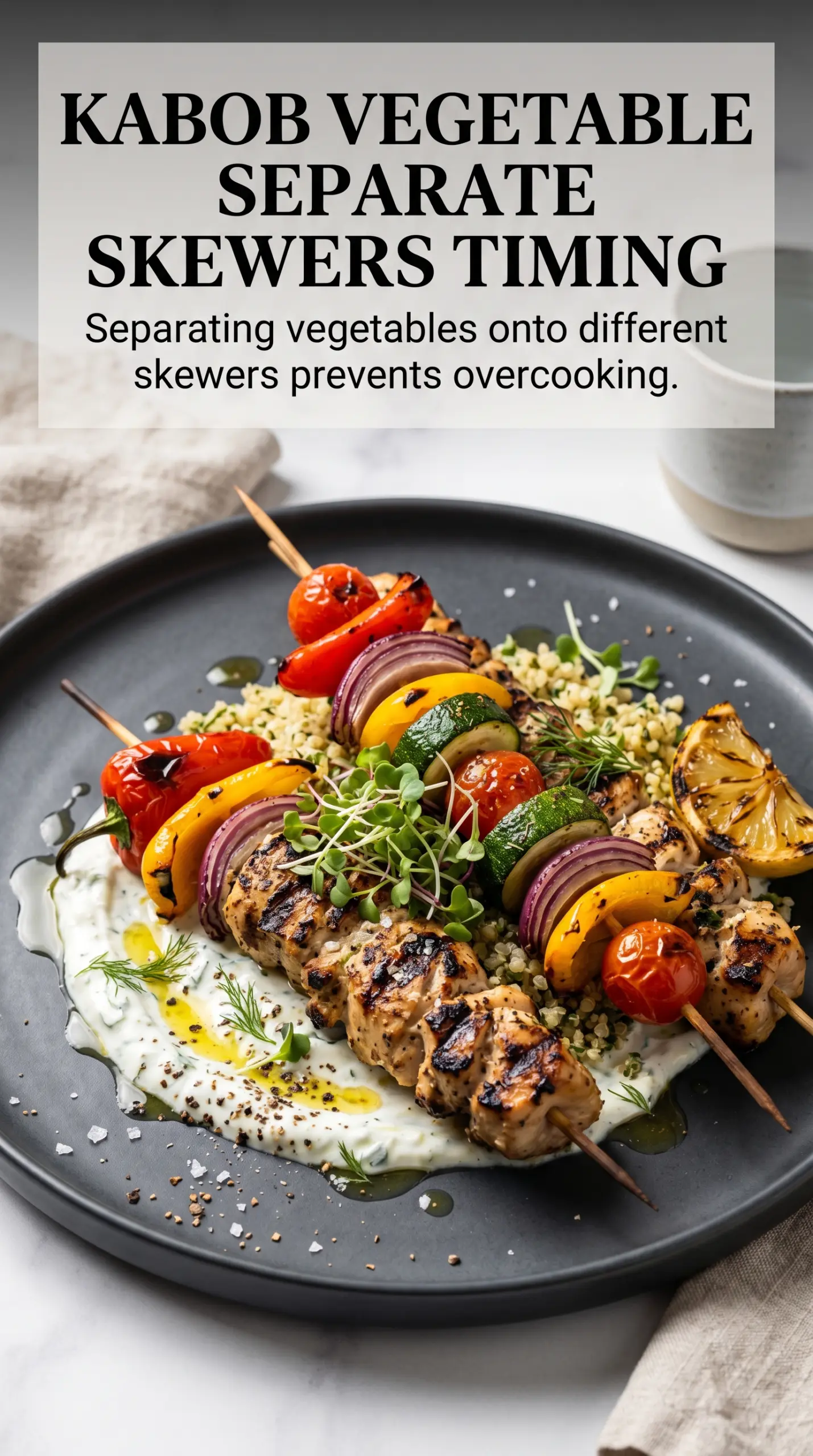
- Chicken breasts — Lean breast meat stays clean and mild, which is perfect for soaking up the marinade. Thighs work too if you want a little more richness, but they’ll need a touch more grill time.
- Olive oil — This carries the garlic and oregano and helps the chicken brown instead of drying out. Use a decent extra-virgin oil if you can taste the marinade before grilling.
- Lemon juice — Fresh lemon is worth it here. Bottled juice tastes flat and less bright, and this recipe leans on that sharp citrus edge to balance the grill char.
- Garlic and oregano — These are the backbone of the Greek flavor. Mince the garlic fine so it doesn’t burn on the grill; big pieces can turn bitter.
- Cherry tomatoes, red onion, and bell pepper — They add color, sweetness, and a little moisture. Cut them large enough that they don’t collapse before the chicken is done.
- Tzatziki — The cool yogurt sauce finishes the kabobs and softens the smoky edges. Store-bought works fine, but a thick, garlicky version makes the whole plate feel complete.
Building the Skewers So Everything Finishes at the Same Time
Marinate the Chicken First
Whisk the olive oil, lemon juice, garlic, oregano, Dijon, salt, and pepper until it looks slightly thickened and glossy. Add the chicken and coat every side, then let it rest in the fridge for at least 4 hours. If you rush this step, the kabobs will taste seasoned on the outside but flat in the middle.
Thread With the Grill in Mind
Build the skewers with chicken and vegetables spaced snugly but not packed tight. Crowding traps steam, and steam is the enemy of char. Leave a little room between pieces so hot air can move around them and the edges can brown.
Grill Hot and Turn Once
Set the kabobs over medium-high heat and cook for about 5 to 6 minutes per side. You’re looking for browned edges, lightly blistered vegetables, and chicken that feels firm when pressed but not hard. If the grill is too cool, the chicken will dry before it gets color; if it’s too hot, the outside will char before the center cooks through.
Serve While the Skewers Are Still Juicy
Pull the kabobs off the grill as soon as the chicken reaches doneness and let them rest for a few minutes. That short rest keeps the juices in the meat instead of on the plate. Serve with tzatziki, pita, and lemon wedges so people can squeeze more brightness over the top right before eating.
How to Adapt These Kabobs Without Losing the Greek Flavor
Dairy-Free Serving
The kabobs themselves are already dairy-free, so the only change is the sauce. Use a dairy-free tzatziki-style sauce made with coconut or almond yogurt, or serve the skewers with extra lemon and a cucumber salad instead. You’ll keep the same fresh finish without changing the grilled chicken.
Chicken Thigh Swap
Boneless chicken thighs give you a juicier, slightly richer kabob and they’re more forgiving on the grill. The tradeoff is that they need a little more trimming and can take a minute or two longer to cook. If you like a deeper grilled edge, thighs are a great swap.
Vegetable Changes
Zucchini, mushrooms, or chunks of summer squash work well if you want to change up the vegetables. Keep the pieces on the larger side, since softer vegetables cook faster than onion and pepper. If you use mushrooms, toss them lightly in the marinade or a little oil so they don’t dry out on the grill.
Make It Gluten-Free
The kabobs are naturally gluten-free as written. Just check your Dijon mustard and tzatziki if you’re serving store-bought versions, since some brands add thickeners or flavorings you wouldn’t expect. Pair it with gluten-free pita or rice if you want a fuller meal.
Storage and Reheating
- Refrigerator: Store leftovers in an airtight container for up to 3 days. The vegetables soften a bit, but the flavor holds up well.
- Freezer: The cooked chicken freezes better than the vegetables. If you want to freeze it, pull the chicken off the skewers and freeze it separately for up to 2 months.
- Reheating: Warm gently in a covered skillet over low heat or in the oven at 325°F until just heated through. High heat dries out the chicken fast, so avoid blasting it in the microwave unless you’re in a hurry.
Questions I Get Asked About This Recipe
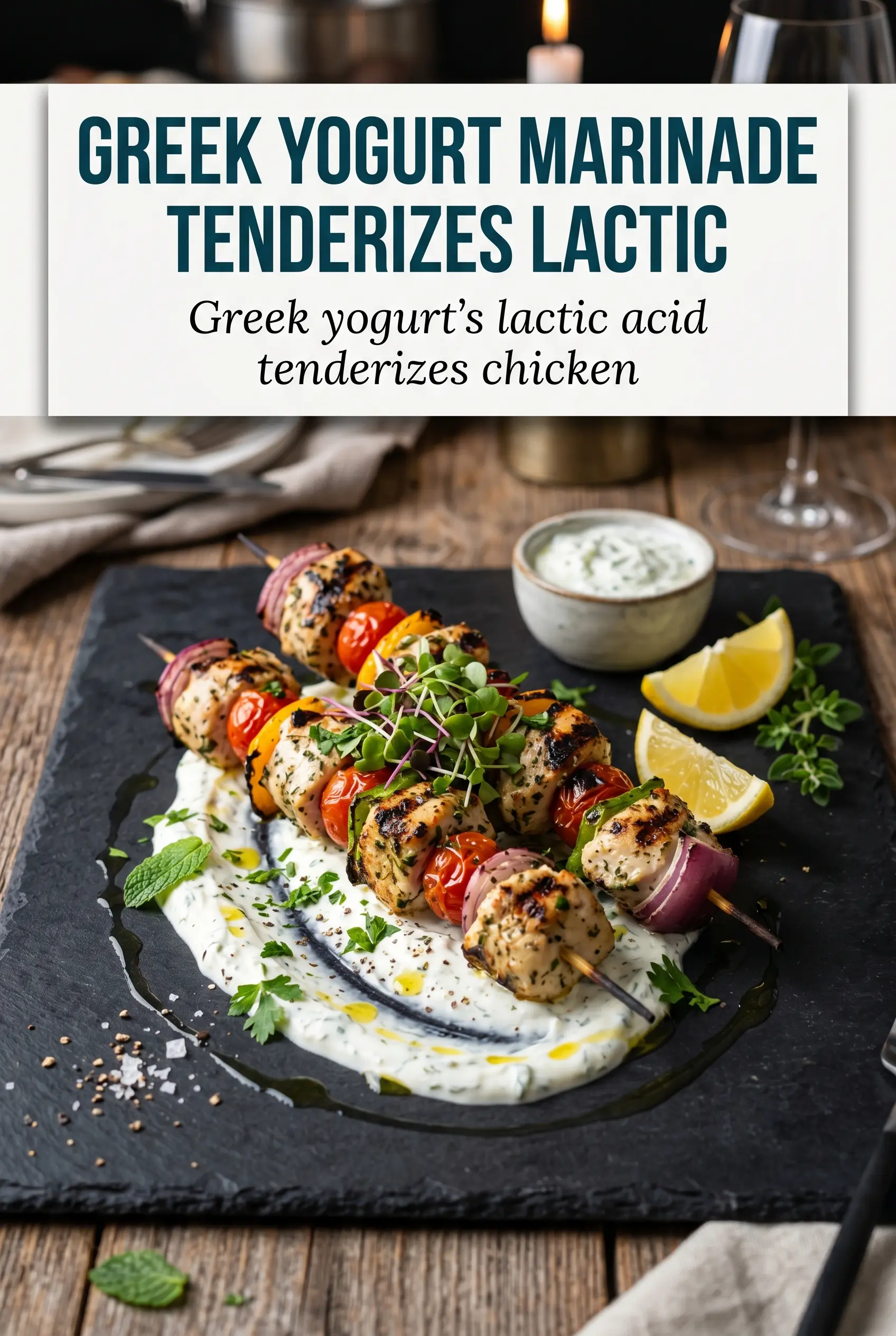
Greek Chicken Kabobs
Ingredients
Equipment
Method
- Whisk together olive oil, lemon juice, garlic, fresh oregano, Dijon mustard, salt, and pepper until evenly combined, with a glossy consistency.
- Taste and adjust seasoning so the marinade is bright and well-salted for the chicken.
- Add cubed chicken breasts to the marinade and mix to coat thoroughly, ensuring all pieces look covered.
- Cover and refrigerate for 4-8 hours to marinate, letting the chicken absorb the flavors while staying chilled.
- Thread marinated chicken and the cherry tomatoes, red onion chunks, and bell pepper chunks onto soaked wooden skewers, alternating pieces for even cooking.
- Leave a little space between chunks so they can grill quickly without steaming.
- Preheat the grill to medium-high heat and grill the kabobs for 5-6 minutes per side, turning once, until the chicken is cooked through and has light char marks.
- Serve immediately with tzatziki sauce, pita bread, and lemon wedges.