Grilled California avocado chicken lands in that sweet spot between fresh and satisfying. The chicken stays juicy from the quick marinade, the mozzarella melts just enough to hold the toppings together, and the avocado brings a cool, buttery finish that makes each bite feel balanced instead of heavy. A little balsamic glaze at the end pulls the whole plate into place.
What makes this version work is timing. The chicken gets enough time in the marinade to pick up garlic and Italian seasoning, but not so long that the texture turns soft. The toppings go on after the grill marks are set, then the lid closes just long enough to melt the cheese without overcooking the chicken underneath.
Below, you’ll find the best way to keep the chicken from drying out, how to handle the avocado so it tastes fresh instead of mushy, and a few easy swaps if you want to bend this into a weeknight dinner that still feels a little special.
The chicken stayed juicy, and the mozzarella melted over the avocado just enough to hold everything together without getting greasy. I was worried the toppings would slide off, but the balsamic glaze made it all stick beautifully.
Save this grilled California avocado chicken for the nights when you want juicy grilled chicken, fresh toppings, and a fast balsamic finish.
The part that keeps the chicken juicy while the toppings finish
Grilled chicken goes dry fastest when the toppings are added too early or the heat is too high for too long. This recipe avoids both problems by grilling the chicken first until it’s just cooked through, then adding the avocado, tomato, and mozzarella at the end for a short covered melt. That keeps the avocado fresh and the chicken from steaming under a pile of toppings for half the cook time.
The other detail that matters is thickness. If one breast is much thicker than the others, pound it lightly or slice it horizontally so everything cooks at the same pace. Uneven pieces are the usual reason one chicken breast is dry while another still needs a few more minutes.
- Avoid crowding the grill. Chicken needs direct contact with the grates to get those clean marks and build flavor.
- Use medium-high heat, not blasting heat. Too hot and the outside darkens before the center finishes.
- Let the chicken rest in the marinade for the full 30 minutes. That short soak gives the garlic and seasoning time to cling without turning the texture mushy.
What each topping is doing on the plate
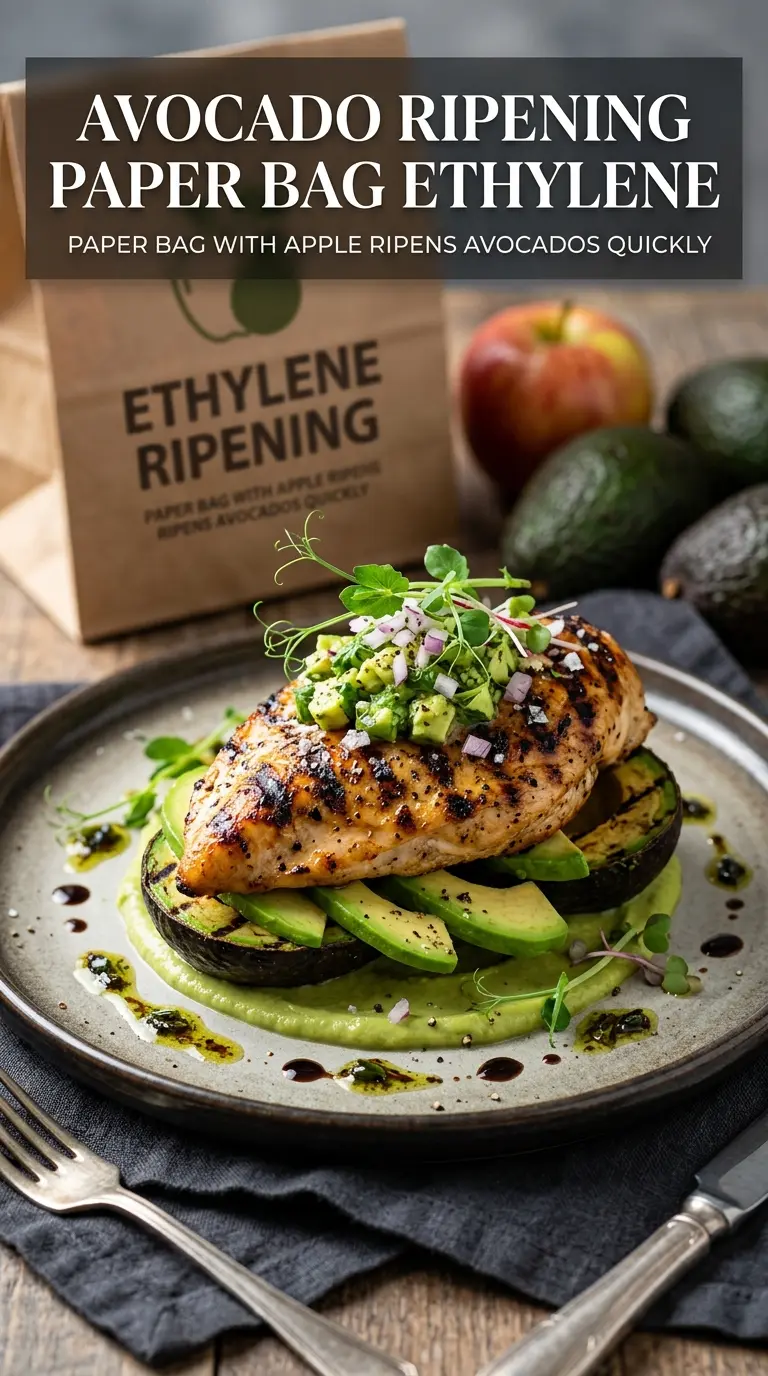
- Chicken breasts — Lean chicken breasts are the clean base here, and they take on the grill well as long as they aren’t overcooked. If yours are very large, split them into cutlets so they cook in the same 12 to 14 minutes total instead of drying out while the center catches up.
- Olive oil — The oil helps the seasoning coat the chicken and keeps the surface from sticking to the grill. A standard olive oil is fine here; save the expensive finishing oil for drizzling on salads.
- Garlic and Italian seasoning — These are the backbone of the marinade. Fresh garlic gives the chicken its sharp savory note, while the dried herbs bring enough background flavor to stand up to the avocado and cheese. If you swap in garlic powder, use 1/2 teaspoon and don’t expect quite the same punch.
- Avocados — Use ripe avocados that yield slightly when pressed, not soft ones that collapse on the hot chicken. Slice them just before serving so they stay clean and buttery instead of browning and turning slumpy.
- Mozzarella — Shredded mozzarella melts fast and gives you that gentle pull without overpowering the fresh toppings. Fresh mozzarella works too, but it releases more moisture and can make the top of the chicken slippery.
- Balsamic glaze — This is what wakes everything up at the end. It adds sweetness and acidity, and it’s the ingredient that keeps the dish from tasting flat after the cheese melts. If you only have balsamic vinegar, simmer it until syrupy before drizzling.
Getting the grill, the melt, and the finish in the right order
The Marinade That Does the Real Work
Mix the olive oil, minced garlic, Italian seasoning, salt, and pepper until the chicken is coated all over, then let it sit for 30 minutes. That’s enough time for the surface to season without breaking down the meat. If you marinate much longer with fresh garlic, the flavor can get harsh and the texture can start to go soft around the edges.
Building Grill Marks Without Drying the Center
Place the chicken on a preheated medium-high grill and leave it alone for the first few minutes. You want clear grill marks and a little resistance when you lift a piece, not sticking and tearing. Flip once, then cook the second side until the chicken reaches doneness with juices running clear and the thickest part no longer pink.
The Topping Melt That Holds Everything Together
Once the chicken is cooked, top each breast with tomato slices, avocado slices, and mozzarella. Close the grill lid for about 2 minutes, just long enough for the cheese to soften and begin melting. If you leave it longer, the avocado loses its clean texture and the tomato starts to slump into the cheese.
The Last Drizzle That Makes It Taste Finished
Move the chicken to a serving platter and drizzle with balsamic glaze right before serving. This final step adds shine, acidity, and a little sweetness that pulls the grilled flavor forward. Skip it until the end; if it goes on too early, it can burn or vanish under the heat.
Three ways to adjust this without losing what makes it good
Make it dairy-free
Leave off the mozzarella and add a second layer of avocado or a spoonful of chopped basil for freshness. You’ll lose the creamy melt on top, but the chicken still carries the dish because the marinade and balsamic glaze are doing the heavy lifting.
Use chicken cutlets for faster grilling
Slice thick chicken breasts in half horizontally before marinating so they cook faster and more evenly. The tradeoff is less juiciness if you push the cook time too far, but the upside is a quicker grill and a better chance of getting the toppings on while the chicken is still hot.
Swap the mozzarella for a sharper cheese
Provolone or Monterey Jack melt a little smoother and give the chicken a more noticeable cheese pull. You’ll get less of that gentle, milky flavor mozzarella brings, but you’ll gain a deeper savory finish that still plays well with avocado and tomato.
Make the balsamic glaze yourself
Simmer balsamic vinegar over low heat until it coats a spoon, then cool it before drizzling. Homemade glaze tastes brighter and less sweet than bottled glaze, but it can burn if you reduce it too aggressively, so keep the heat gentle.
Storage and Reheating
- Refrigerator: Store the chicken separately from the avocado if you can. It keeps 3 days, though the tomatoes soften after the first day.
- Freezer: Freeze the grilled chicken before adding toppings. The finished assembled dish doesn’t freeze well because avocado turns watery and the mozzarella texture changes.
- Reheating: Warm the chicken gently in a covered skillet over low heat or in a 300°F oven until just hot. Add fresh avocado, tomato, and cheese after reheating so the toppings stay clean instead of soggy.
Answers to the questions worth asking
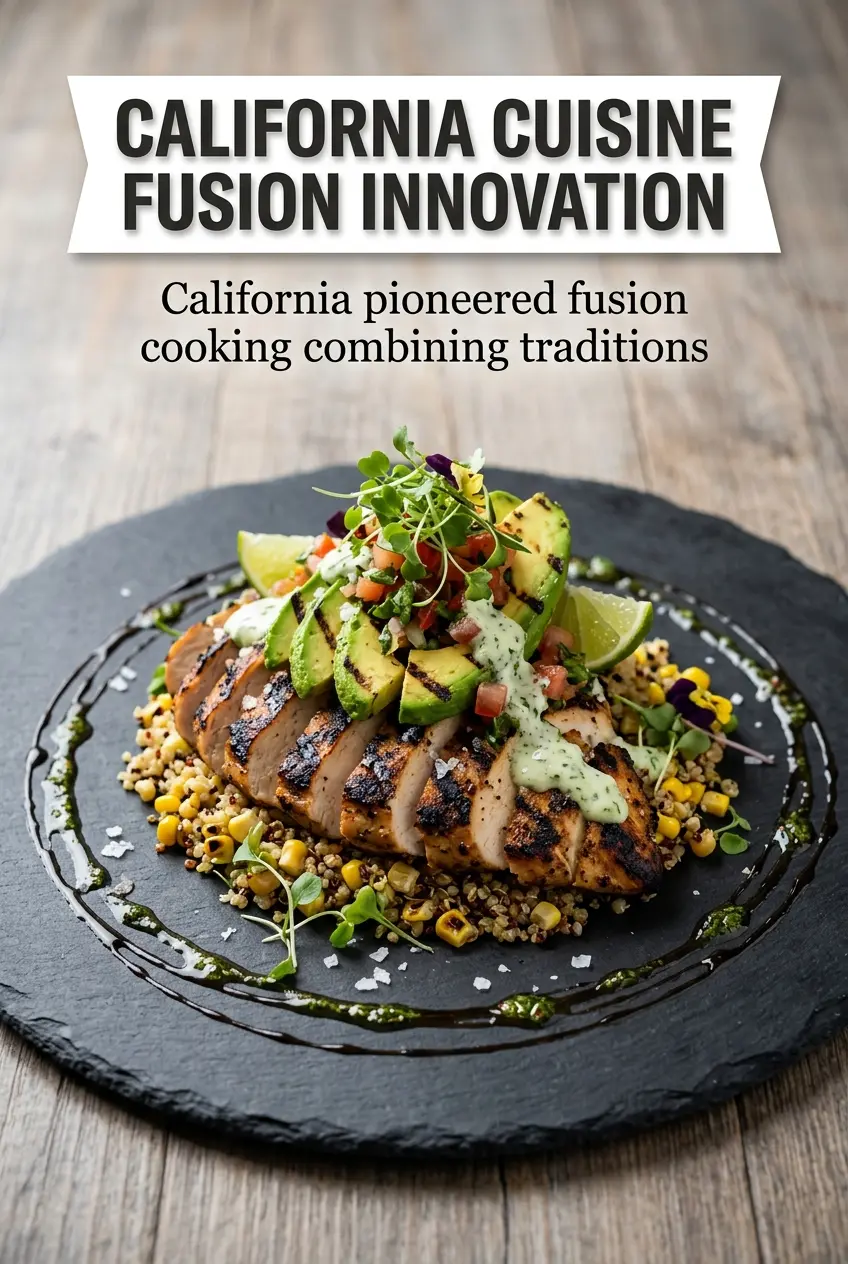
Grilled California Avocado Chicken
Ingredients
Equipment
Method
- In a bowl, coat the chicken breasts with olive oil, minced garlic, Italian seasoning, salt, and pepper, then cover and refrigerate for 30 minutes.
- Bring the chicken to room temperature while the grill preheats over medium-high heat, about 5 minutes.
- Place the chicken breasts on the grill over medium-high heat and cook for 6-7 minutes per side until grill-marked and cooked through.
- Close the grill lid for 2 minutes until the mozzarella melts and turns slightly bubbly.
- Top each breast with tomato slices, then layer avocado slices on top.
- Finish with a drizzle of balsamic glaze and serve immediately.