Crispy-skinned chicken thighs and a sticky honey-buffalo glaze are a hard combination to beat when you want dinner to land with some heat, some sweetness, and enough char to taste like it came off a real grill. Bone-in, skin-on thighs handle that kind of bold sauce better than lean cuts because the fat keeps them juicy while the skin turns shattery at the edges. The result is smoky, spicy, glossy chicken that still eats like comfort food.
The trick here is giving the sauce enough sugar to cling without burning the moment it hits the grill. Honey brings the shine and the caramelized finish, while the butter rounds out the buffalo sauce so it coats instead of turning harsh. A short marinade is enough to season the meat without making the skin soggy, and reserving part of the sauce for basting keeps things clean and safe while the chicken cooks.
Below, you’ll find the exact grill cues that matter, the ingredient swaps that still work, and the fixes for the two problems that trip people up most: burned glaze and chicken that looks done before it actually is.
The glaze got sticky and caramelized instead of burning, and the skin stayed crisp even with all that sauce on top. I’ve made it twice now and the thighs were juicy both times.
Save these grilled honey buffalo chicken thighs for nights when you want crispy skin, sticky glaze, and real grill flavor in one pan of chicken.
The Glaze Needs Enough Sugar to Stick, Not So Much That It Burns
Honey-buffalo chicken goes wrong when the sauce is treated like a marinade and a finishing glaze at the same time. The sugar in honey starts darkening fast over direct heat, so the sauce needs to be split: enough to season the chicken before it hits the grill, then a reserved portion for the final basting. That keeps the flavor on the meat without letting the sugars scorch before the thighs finish cooking through.
Chicken thighs are forgiving, but skin-on thighs still need room to render. If the heat is too high, the skin tightens before the fat can melt, and you end up with leathery skin under a burnt coating. Medium heat gives you the better trade: crisp skin first, then sticky glaze building toward the end.
- Bone-in, skin-on thighs — These hold up to the sauce and stay juicy over the grill. Boneless thighs work, but they cook faster and don’t develop the same crisp skin or deep chicken flavor.
- Buffalo sauce — Use a sauce you actually like on its own, because it becomes the backbone of the glaze. If it’s very salty, keep the seasoning light.
- Honey — This is what gives the glaze that lacquered finish. Maple syrup can work in a pinch, but it tastes different and browns a little less cleanly.
- Butter — It smooths the sharpness of the buffalo sauce and helps the glaze cling. Don’t skip it if you want the sauce to brush on evenly instead of sliding off.
- Apple cider vinegar — A small amount keeps the glaze from tasting flat and cuts the sweetness just enough. Lemon juice works if that’s what you have, but vinegar gives a cleaner buffalo-style tang.
What Each Ingredient Is Actually Doing in the Glaze
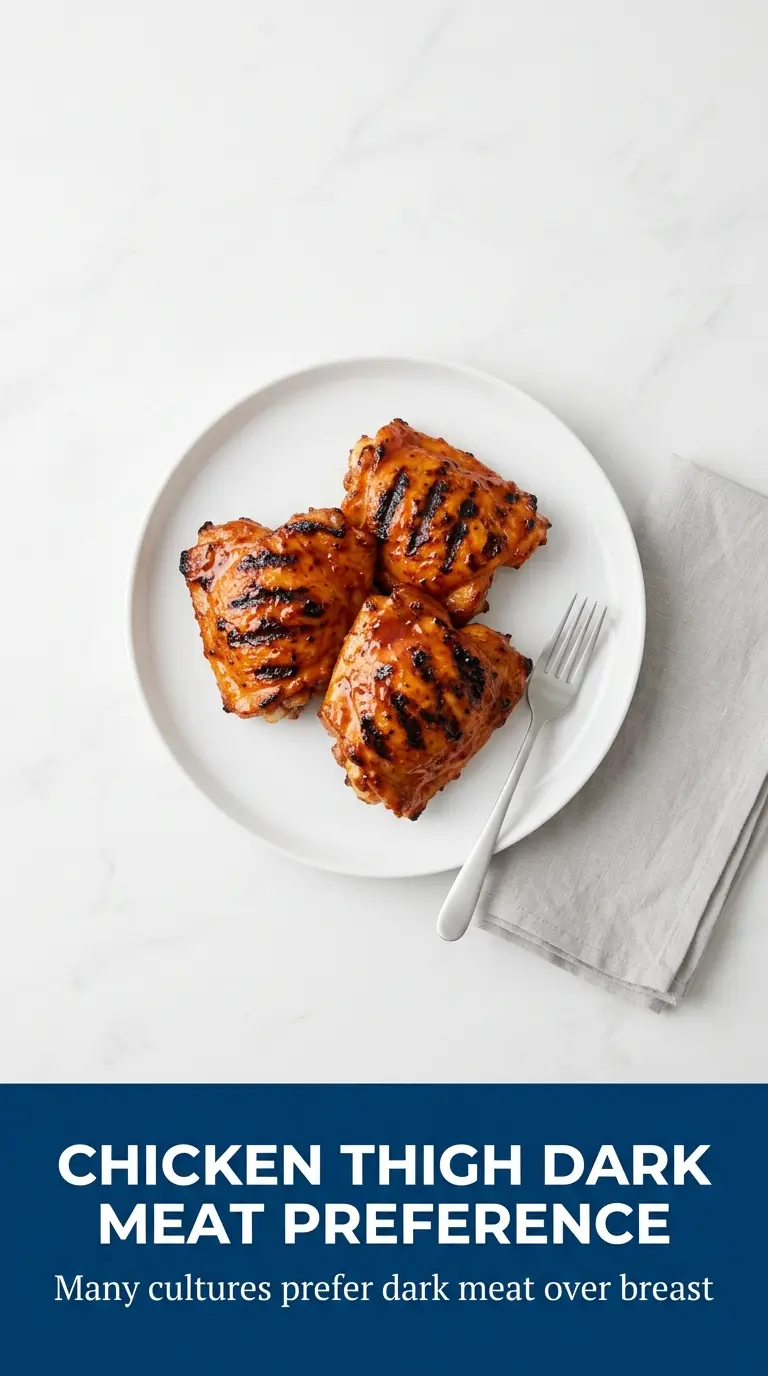
- Sugar (the main component) — Sugar is what creates the gloss and shine. The amount determines whether it sticks or burns.
- Acid (vinegar, lemon, or soy sauce) — The acid prevents the glaze from tasting one-dimensional and burns less easily than pure sugar.
- Liquid (water, juice, or stock) — The liquid helps the sugar dissolve and spread. Too much makes the glaze thin; too little makes it grainy.
- Butter (optional but creates richness) — A small amount of butter makes the glaze glossy and helps it cling. It also prevents the glaze from tasting flat.
- Heat application (medium, not high) — High heat burns the sugar immediately. Medium heat allows the glaze to caramelize without charring.
- Brush application (thin, not heavy) — A light brush of glaze cooks evenly. Heavy application pools and burns in spots.
- Final minutes of cooking (apply near the end) — The glaze should be applied in the last minute or two. Too early and it burns; too late and it doesn’t set.
- Rest time (let it set slightly before serving) — The glaze needs a moment to become tacky and adhere. Serve while still warm so it’s glossy, not hard.
Getting the Skin Crisp Before the Sauce Turns Sticky
Mixing the Glaze
Stir the buffalo sauce, honey, melted butter, and vinegar until the mixture looks smooth and glossy. It should coat the back of a spoon without feeling heavy or separated. Reserve part of it before it touches the raw chicken so you’ve got a clean basting sauce later. If you skip that step, you’ll be tempted to reuse the marinade, and that’s where flavor turns into a food-safety problem.
Marinating Without Softening the Skin
Brush the chicken with the sauce, season it, and let it sit for 30 minutes. That’s long enough to flavor the surface without turning the skin limp. Leave the thighs uncovered or only lightly covered if you can, because trapped moisture fights crisping on the grill. If the skin looks wet going onto the grates, pat it dry before cooking.
Grilling the First Side
Place the thighs skin-side down over medium heat and leave them alone for 8 to 10 minutes. You’re looking for deep golden browning and skin that releases from the grates without tearing. If it sticks, it needs another minute; forcing it too early tears the skin and leaves the fat behind. This first side does most of the rendering, so patience pays off here.
Flipping and Basting
Turn the thighs over and brush on the reserved glaze as they finish cooking. Keep the lid down if you’re using one, but don’t walk away from the grill because honey can go from glossy to burnt in a short window. The chicken is done when the thickest part hits 165°F and the glaze looks sticky, darkened, and a little tacky at the edges. Let it rest a few minutes before serving so the juices settle and the sauce stays on the meat instead of running off the board.
How to Change the Heat, the Sauce, or the Serving Plan
Make It Milder Without Losing the Buffalo Character
Use a milder buffalo sauce or cut the buffalo sauce with a little more honey. The chicken will still taste like honey buffalo, but the heat lands in the background instead of hitting first. This works well if you’re serving kids or anyone who likes the tang more than the burn.
Make It Dairy-Free
Swap the butter for a neutral oil or a dairy-free butter substitute. You’ll lose a little of the roundness that real butter gives the glaze, but the sauce will still cling and caramelize nicely. Just keep the basting layer thin so it doesn’t drip and flare on the grill.
Use Boneless Thighs for Faster Cooking
Boneless thighs shave off some time and are easier to serve, but they won’t give you quite the same crispy skin or rich grilled texture. Reduce the cook time and watch the glaze closely, because the sugar will still brown fast. This is the right swap when you want the same flavor with less grill time.
Serve It Like a Game-Day Plate
Keep the blue cheese dressing cold and the celery crisp until the chicken comes off the grill. That contrast matters here because the cool, crunchy sides cut the sticky heat of the glaze. If you want to stretch the meal, slice the thighs and pile them into sandwiches or wraps with the dressing and celery on the side.
Storage and Reheating
- Refrigerator: Store leftovers in an airtight container for up to 4 days. The skin will soften, but the flavor stays strong.
- Freezer: Freeze cooked thighs for up to 2 months, wrapped tightly and sealed well. The glaze may lose a little shine after thawing, but the chicken still reheats nicely.
- Reheating: Warm in a 350°F oven until heated through, then finish under the broiler for a minute or two to wake up the glaze. The common mistake is microwaving them straight from the fridge, which makes the skin rubbery and dulls the sauce.
Answers to the Questions Worth Asking
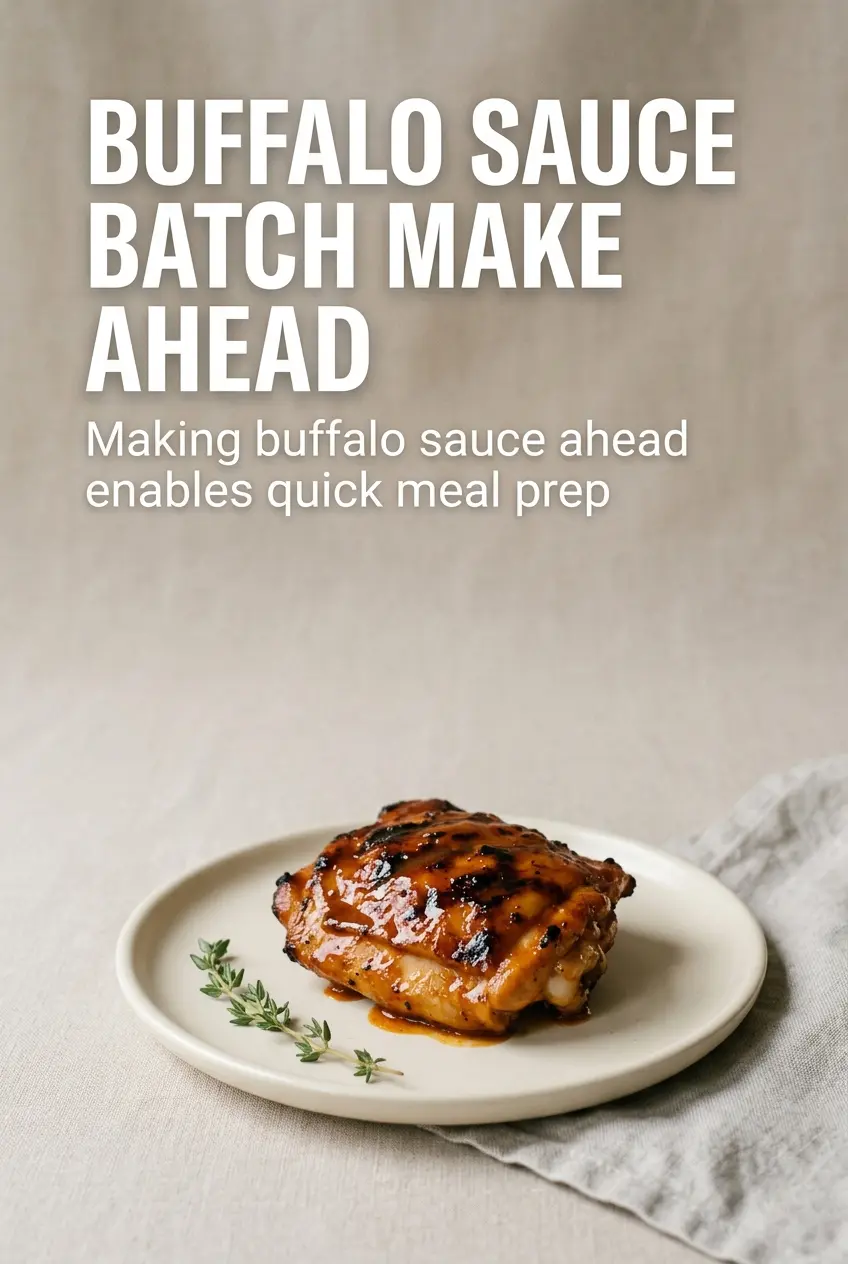
Grilled Honey Buffalo Chicken Thighs
Ingredients
Equipment
Method
- In a bowl, mix buffalo sauce, honey, melted butter, and apple cider vinegar until smooth.
- Reserve 1/3 cup of the sauce for basting.
- Season the chicken thighs with salt and pepper, then brush with some of the sauce.
- Marinate for 30 minutes in the refrigerator.
- Preheat the grill to medium heat, then place the chicken skin-side down and grill for 8-10 minutes until the skin looks deeply browned and crisping.
- Flip the thighs and grill for 8-10 more minutes, basting frequently with the reserved sauce, until the glaze looks sticky.
- Continue grilling until the internal temperature reaches 165°F and the glaze clings to the chicken.
- Serve the grilled honey buffalo chicken thighs with blue cheese dressing and celery sticks.