Charred romaine turns Caesar salad into something with a little more backbone. The grill softens the edges of the lettuce just enough to make it tender, while the cut sides pick up a smoky bite that plays beautifully against the creamy dressing, crisp croutons, and salty Parmesan. It lands on the plate looking restaurant-worthy, but it still eats like something you can throw together in minutes.
The trick is keeping the grill hot enough to mark the lettuce quickly without letting it collapse. Romaine only needs a short time over direct heat, and that brief exposure gives you the contrast this salad is known for: cool, crisp inner leaves and lightly wilted, smoky edges. The dressing stays classic and sharp, with lemon and Dijon cutting through the richness so the whole dish doesn’t feel heavy.
Below, you’ll find a few practical notes on grilling romaine without turning it limp, what to swap if you’re short on ingredients, and the questions that come up most often when people make this for the first time.
The lettuce got those perfect grill marks without going soggy, and the dressing had just enough garlic and lemon to taste bright instead of heavy. I served it with burgers and everyone ate the salad first.
Save this grilled Caesar salad for the nights when you want smoky romaine, creamy dressing, and crisp croutons on one plate.
The Detail That Keeps Grilled Romaine Crisp Instead of Limp
Grilled romaine sounds simple, but it goes wrong fast if the lettuce stays on the heat too long. The goal isn’t to cook it through. It’s to sear the cut face just enough to pick up color and a little smoke while the core stays cool and crisp. That contrast is what makes the salad worth serving.
The biggest mistake is using medium heat and waiting for the lettuce to “soften.” By the time that happens, the leaves have collapsed and the edges turn watery. A hot grill, a light coating of oil, and a short cook time give you char without losing structure. If the romaine is wet from washing, pat it dry first or the cut side will steam instead of sear.
- High heat gives you the quick char you want before the leaves wilt.
- Olive oil protects the lettuce and helps the grill marks develop evenly.
- Dry romaine is essential; any surface moisture turns to steam on contact with the grates.
- Short cook time keeps the center crisp and prevents the salad from going floppy.
What Each Ingredient Is Actually Doing in the Bowl
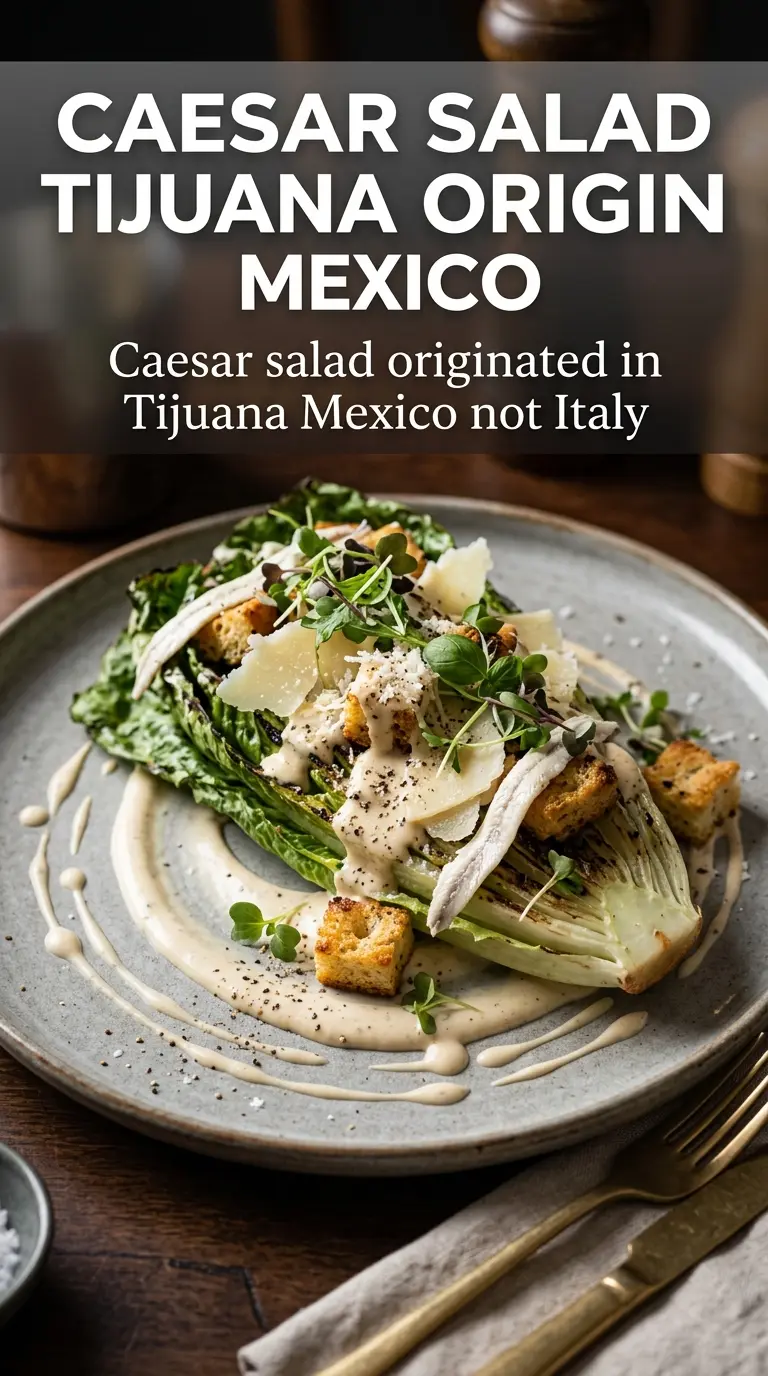
- Romaine hearts hold their shape on the grill better than softer lettuces. The inner ribs stay crunchy while the cut edges pick up smoke.
- Mayonnaise gives the dressing its body and makes it cling to the leaves. It’s the base that keeps this from tasting thin.
- Parmesan adds salt and depth in both the dressing and the finish. Use a wedge and grate it yourself if you can; pre-grated cheese can taste dull and grainy.
- Lemon juice brightens the whole salad and cuts through the richness. Fresh lemon matters here because bottled juice can taste flat next to the charred lettuce.
- Dijon and Worcestershire build that classic Caesar backbone. They don’t dominate, but without them the dressing tastes one-note.
- Croutons add the crunch that makes grilled lettuce feel complete. Homemade or store-bought both work as long as they stay crisp.
Grilling the Lettuce, Then Finishing Fast
Seasoning the Romaine
Brush the cut sides of the romaine lightly with olive oil and season with salt and pepper. You want a thin, even coat, not a slick layer that drips onto the grill. If the oil pools in the ribs, the lettuce can pick up bitterness instead of a clean char. Place the romaine cut-side down only after the grill is fully hot.
Getting the Char Without Overcooking
Lay the romaine on the grill and leave it alone for 2 to 3 minutes. The cut surface should darken in spots and pick up clear grill marks while the outer leaves stay mostly raw. If it sticks when you try to lift it, give it another few seconds; once the grill marks form, the lettuce usually releases cleanly. Pull it off as soon as the edges soften slightly.
Building the Dressing
Whisk the mayonnaise, Parmesan, lemon juice, garlic, Dijon, Worcestershire, salt, and pepper until smooth. The dressing should look thick but pourable, with no gritty bits of cheese clinging to the whisk. If it seems too thick, loosen it with a small squeeze of lemon or a teaspoon of water. Taste it before you dress the lettuce; Caesar needs enough salt and acid to stand up to the grill.
Plating for the Best Contrast
Set the grilled romaine on plates while it’s still warm and drizzle the dressing over the top. Finish with croutons, shaved Parmesan, and lemon wedges. The warm lettuce helps the dressing spread a little, but it shouldn’t sit long before serving or the croutons will lose their crunch. Serve it right away while the charred edges are still aromatic.
How to Adapt This Grilled Caesar Salad for Different Tables
Make it dairy-free
Swap the Parmesan in the dressing for a dairy-free Parmesan-style alternative and finish with the same topping if your substitute melts into the dressing well. The salad will still taste sharp and savory, but it’ll lose a little of the classic nutty depth that real Parmesan brings.
Make it gluten-free
Use gluten-free croutons or skip them and add extra shaved Parmesan for texture. The grilled romaine and dressing are already gluten-free, so this change is all about keeping the crunch without introducing a hidden wheat ingredient.
Turn it into a main dish
Top each plate with grilled chicken, shrimp, or sliced steak. The smoky romaine and tangy dressing work best with simply seasoned protein, so don’t overcomplicate the topping. This turns the salad into a full meal without changing the base recipe.
Storage and Reheating
- Refrigerator: Store the grilled romaine and dressing separately for up to 2 days. The lettuce will soften a little, so it’s best eaten the day it’s made.
- Freezer: Don’t freeze the assembled salad. The lettuce turns watery and the dressing separates.
- Reheating: This salad isn’t meant to be reheated. If you want the romaine warm again, give it 10 to 15 seconds on a hot grill just to take the chill off, then dress and serve immediately.
Answers to the Questions Worth Asking
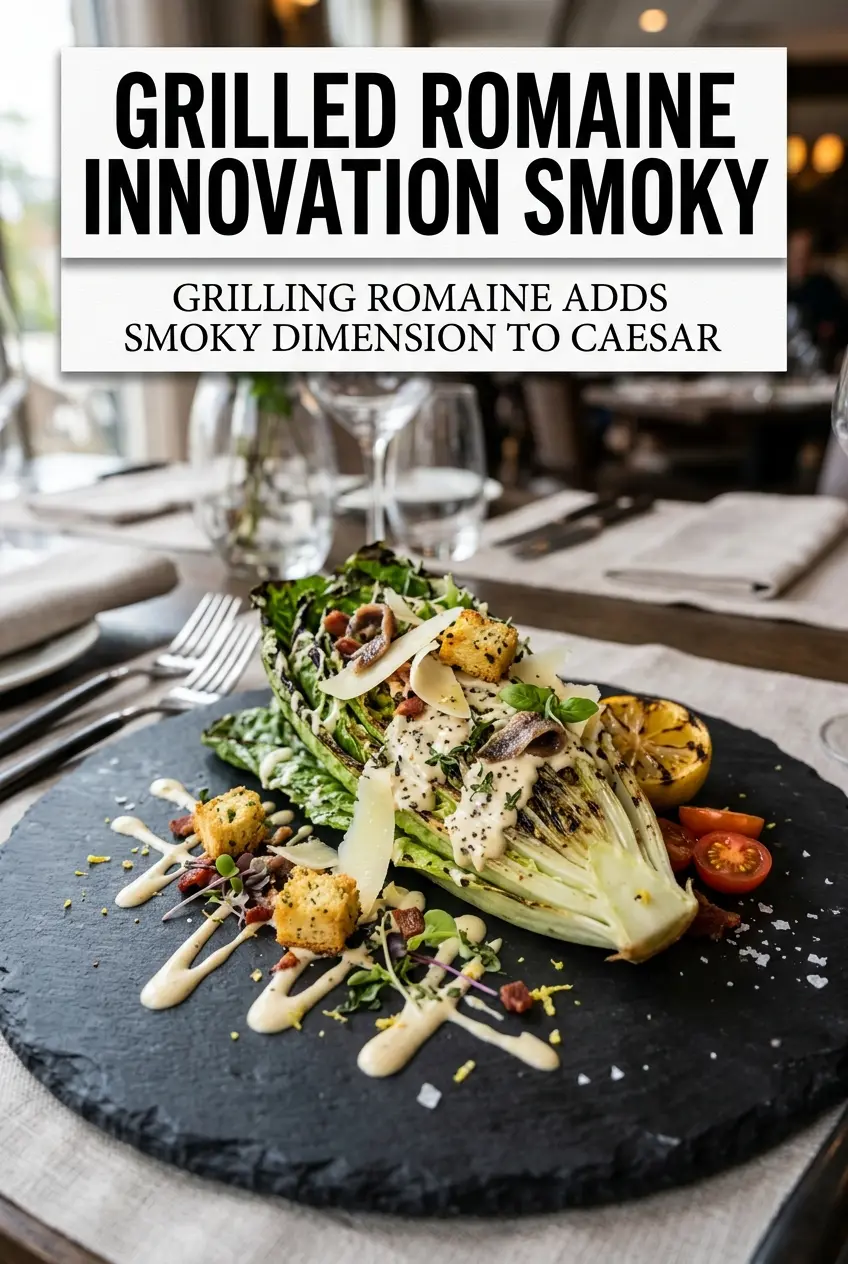
Grilled Caesar Salad
Ingredients
Equipment
Method
- Brush the cut sides of romaine hearts with olive oil and season with salt and pepper. Make sure the cut surfaces are evenly coated for clear char marks.
- Grill cut-side down over medium-high heat for 2-3 minutes until charred. Cook just until the hearts soften slightly and develop visible grill stripes.
- Whisk together mayonnaise, grated Parmesan, lemon juice, garlic, Dijon mustard, and Worcestershire sauce. Season with salt and pepper, whisking until smooth and creamy.
- Place grilled romaine hearts on plates and drizzle with Caesar dressing. Aim for a light coating so the char stays visible.
- Top with croutons, shaved Parmesan, and lemon wedges. Finish with the toppings right before serving for the best crunch.