Smoked mac and cheese comes out with the kind of crusty, bubbling top that makes people hover by the smoker before dinner is even called. The pasta stays tender, the sauce stays rich, and the smoke threads through the whole pan without turning it harsh or bitter. When it’s done right, every scoop pulls up creamy cheese sauce under that crisp panko lid.
This version works because the sauce starts on the stove, where you can control the thickness before it ever hits the smoker. The roux gives the milk and cream enough body to coat the pasta, and the mix of sharp cheddar and Gouda brings both bite and melt. Smoke adds the finishing note, not the whole personality, which is why the cheese still tastes like cheese instead of wood.
Below, I’ve laid out the part that matters most: how to keep the sauce smooth, how to avoid a grainy finish, and what changes when you want to make this for a smaller crowd or stretch it for a bigger barbecue spread.
The sauce stayed silky all the way through the smoke, and the panko top came out crisp instead of soggy. I used hickory and the flavor was spot on without overpowering the cheese.
Save this smoky cast iron mac and cheese for your next barbecue when you want a creamy center and a crisp golden top.
The Sauce Breaks When the Heat Is Too High
Mac and cheese goes grainy fast when the cheese hits a boiling sauce. That’s the mistake to avoid here. The roux needs to thicken the milk and cream first, and the cheese goes in after the heat comes down so it melts into a smooth sauce instead of seizing up. If the pan is roaring, the proteins in the cheese tighten and the texture turns sandy.
The other thing people miss is how much the smoker continues cooking the dish. You want the sauce a little looser than you think in the pan, because the noodles and the panko topping both absorb moisture during the smoke. If it looks perfect before it goes in, it usually lands a little dry at the table. A glossy, slightly fluid sauce is the right target.
- Low, steady heat keeps the dairy emulsified and smooth.
- Cooked pasta holds up better than undercooked noodles, which can stay too firm after the smoke.
- Breadcrumb topping gives you the contrast this dish needs, but it only stays crisp if the surface is exposed to enough heat at the end.
What Each Cheese Is Doing in the Pan
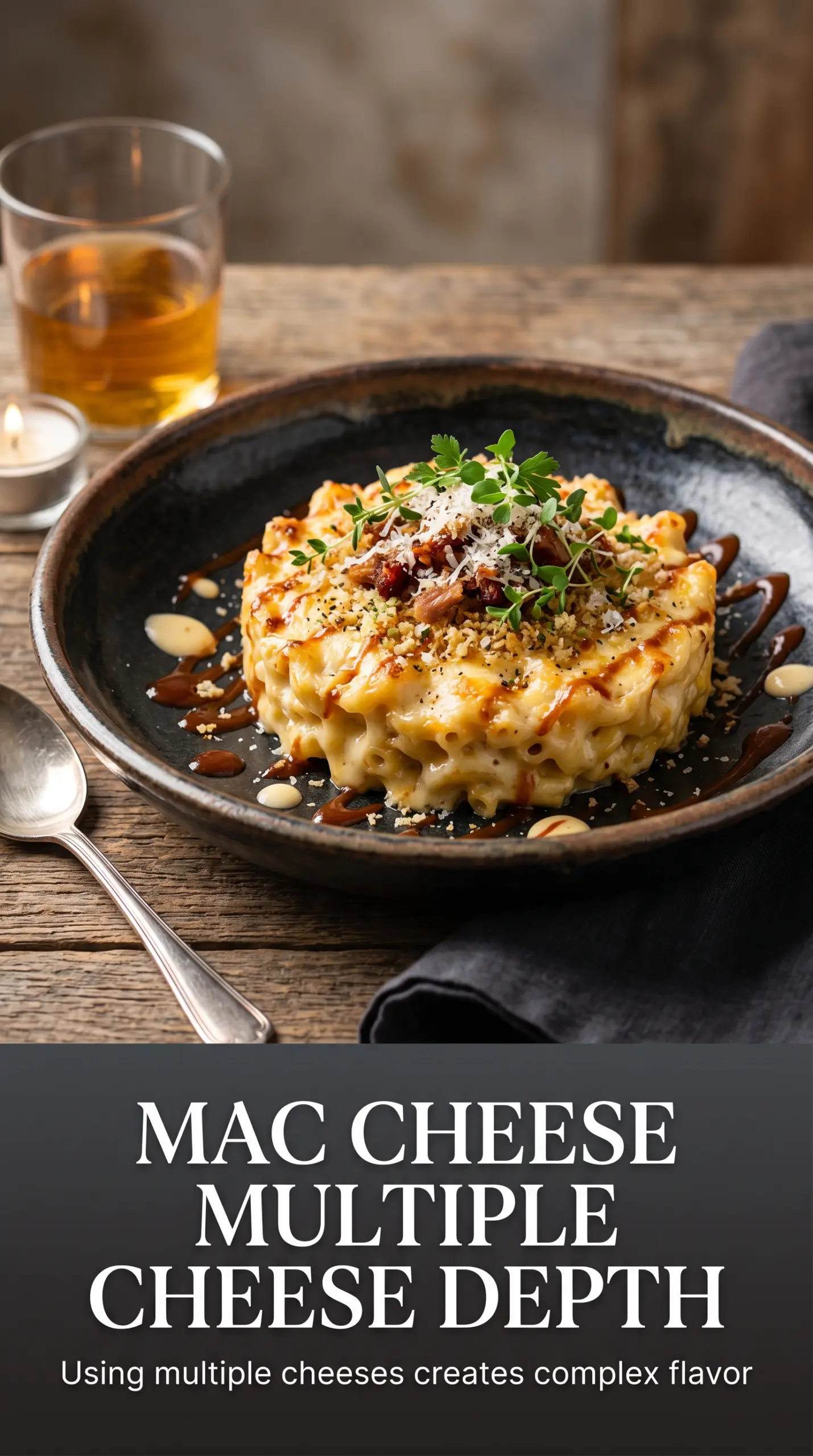
- Sharp cheddar gives the mac its backbone. It melts well, but more important, it brings the bold cheese flavor that stands up to smoke.
- Gouda makes the sauce silkier and a little rounder. If you swap it for another cheese, choose one that melts cleanly, or the sauce can get stringy.
- Whole milk and heavy cream give the sauce body and richness. You can use all milk in a pinch, but the finish won’t be as lush and the sauce can lean thinner after smoking.
- Panko breadcrumbs are worth using here because they stay lighter and crisper than standard breadcrumbs. Mix them with melted butter right before topping the pan so they bake into a golden lid instead of clumping.
- Butter and flour form the roux that holds the whole thing together. If the roux is undercooked, the sauce can taste pasty; if it’s too dark, the dairy won’t taste as clean.
Building the Pan So the Top Stays Crisp
Making the Cheese Sauce
Melt the butter and whisk in the flour until it looks like a smooth paste with no dry spots. Let it cook just long enough to lose the raw flour smell, then whisk in the milk and cream gradually so the base stays lump-free. The sauce should thicken enough to coat a spoon, not sit in a stiff mound. Pull it off the heat before adding the cheese, then stir until it turns glossy and smooth.
Combining Pasta and Sauce
Fold the cooked macaroni into the sauce while both are still warm. If the pasta is cold, it grabs the sauce unevenly and you end up with pockets of dry noodles at the edges of the pan. Use a disposable aluminum pan or another smoker-safe dish with enough room for the mixture to settle in an even layer. The surface should look creamy all the way across before the topping goes on.
Smoking and Finishing
Stir the panko with melted butter and scatter it evenly over the top. Set the pan in a 225°F smoker and let the smoke work slowly until the sides are bubbling and the top has turned deep golden. If the topping starts browning too quickly, the smoker is running hot or the pan is too close to the fire. Let the mac rest for 10 minutes after it comes off the smoker so the sauce settles instead of running everywhere on the plate.
How to Adapt It for a Bigger Crowd or a Different Diet
Make It Gluten-Free
Use a gluten-free all-purpose flour blend for the roux and swap in gluten-free pasta and breadcrumbs. The sauce still gets creamy, but the pasta can soften faster, so keep an eye on the smoke time and pull it once the top is set and the center is hot.
Skip the Smoke and Bake It Indoors
If you don’t have a smoker, bake it at 350°F until the edges bubble and the top turns golden. You’ll lose the smoke note, but the texture stays rich and creamy, and a few drops of liquid smoke in the sauce can hint at the BBQ flavor without overwhelming it.
Use Pepper Jack for a Little Heat
Swap part of the cheddar for pepper jack if you want a sharper finish with a mild kick. Keep some cheddar in the mix so the sauce still tastes familiar and melts evenly; too much pepper jack can turn the texture looser and the flavor a little aggressive.
Storage and Reheating
- Refrigerator: Store leftovers in an airtight container for up to 4 days. The sauce thickens as it chills, so the texture will be denser the next day.
- Freezer: It freezes, but the sauce can get a little grainy after thawing. Freeze in portions if you want to use it later, then thaw in the fridge overnight before reheating.
- Reheating: Warm covered in the oven at 325°F with a splash of milk stirred in before heating. The mistake to avoid is blasting it in the microwave without added moisture, which dries out the pasta and makes the cheese sauce seize.
Answers to the Questions Worth Asking
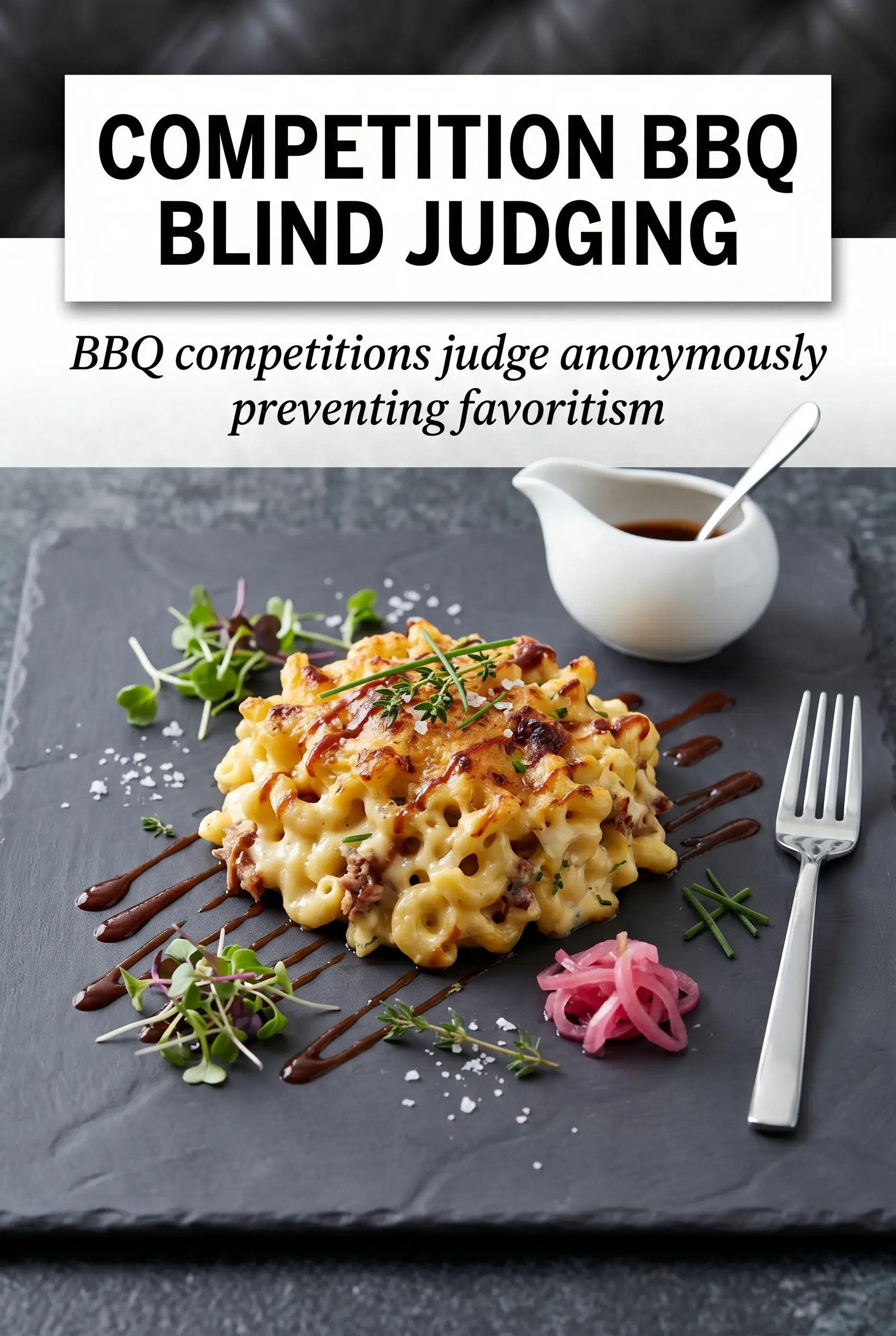
Groark Boys BBQ Smoked Mac and Cheese
Ingredients
Equipment
Method
- Prepare smoker to 225°F with your choice of wood. You want clean, steady smoke before adding the pan.
- Melt 4 tablespoons butter in a pot over medium heat. Keep it moving so it doesn’t brown too quickly.
- Add all-purpose flour and whisk for 1 to 2 minutes until smooth and lightly thickened. The mixture should look like a paste and lose the raw flour smell.
- Whisk in whole milk and heavy cream gradually until glossy and smooth. Heat until steaming, about 3 to 5 minutes.
- Add sharp cheddar and Gouda cheeses and whisk until fully melted. Season with garlic powder, onion powder, salt, and pepper to taste until the sauce is uniform.
- Mix cooked elbow macaroni with the cheese sauce in a disposable aluminum pan. Stir thoroughly so every noodle is coated.
- In a separate bowl, mix panko breadcrumbs with 2 tablespoons melted butter. Spread the crumbs evenly over the top.
- Smoke at 225°F for 60 to 90 minutes until bubbly and the top is golden. If the surface darkens early, loosely tent with foil while keeping it on the smoker.
- Let rest for 10 minutes before serving. This sets the sauce for a sliceable, creamy texture.