Healthy meatloaf stays on the menu when it slices cleanly, holds together, and still tastes like the comfort food people want from a classic loaf. The trick is giving the meat enough structure without weighing it down, then adding enough moisture that the lean meat doesn’t bake into a dry brick. With grated onion, carrot, and zucchini folded through the mixture, every slice stays tender and the vegetables melt right into the background instead of turning chunky or watery.
This version leans on rolled oats instead of a heavy breadcrumb load, which helps the loaf stay soft without going dense. The vegetables need one important extra step: the zucchini gets squeezed dry before it goes in, and that keeps the pan from filling with liquid. The glaze is simple, but it matters. Tomato paste brings depth, honey rounds out the sharp edges, and a little vinegar keeps the top from tasting flat.
Below, you’ll find the small details that make the difference between a meatloaf that crumbles and one that slices neatly, plus a few swaps for turkey, dairy-free cooking, and make-ahead storage.
I was skeptical about the oats, but the loaf held together beautifully and stayed moist all the way through. The glaze set up on top instead of running off, and even my picky eater asked for leftovers the next day.
Save this lean, vegetable-packed meatloaf for nights when you want classic comfort with a lighter finish and a clean tomato glaze.
Why This Meatloaf Stays Tender Instead of Turning Dense
Most lean meatloaves fail for one of two reasons: they don’t have enough moisture, or they get overmixed until the texture turns tight and springy. This recipe solves both. The oats absorb liquid gently, the milk softens them before baking, and the grated vegetables add moisture without making the loaf feel heavy. That gives you a slice that holds together but still eats like meatloaf, not meatloaf-shaped stuffing.
The other detail that matters is how you handle the vegetables. Grating the onion and carrot keeps them from creating hard chunks, and squeezing the zucchini dry keeps the loaf from leaking water into the pan. If the mixture looks wet before baking, it usually means the zucchini wasn’t pressed firmly enough or the onion was cut too coarse.
- Rolled oats — They act like a soft binder and keep the loaf lighter than a heavy breadcrumb mixture. Quick oats work in a pinch, but rolled oats give a better texture.
- Ground turkey or 90/10 beef — Both work here, but turkey needs the full amount of moisture from the milk and vegetables to stay juicy. If you use extra-lean beef, expect a slightly firmer slice.
- Zucchini — This is the vegetable that brings moisture without announcing itself. Squeeze it well; that step matters more than the exact amount.
- Worcestershire sauce — It adds savory depth that lean meat needs. There’s no real substitute that tastes quite the same, though soy sauce can stand in if that’s what you have.
What Each Ingredient Is Doing in the Pan

- Grated onion and garlic — They disappear into the loaf and season it from the inside. If you chop them instead of grating, the texture gets chunkier and the loaf can fall apart more easily.
- Carrot — It adds a little sweetness and color, and it helps the interior look moist instead of gray. Use a fine grate so it softens fully in the oven.
- Eggs — They hold the loaf together. Two eggs is the right balance here; cutting back usually leads to crumbling when you slice it.
- Tomato paste glaze — It gives the top a concentrated savory-sweet layer instead of a watery ketchup finish. If you want a darker, less sweet glaze, reduce the honey slightly and let the loaf bake long enough for the top to caramelize.
- Whole milk — This helps the oats hydrate before the meat goes into the oven. You can use unsweetened plain non-dairy milk, but skip anything flavored or sweetened.
Building the Loaf So It Slices Cleanly
Soaking the Oats First
Stir the oats with the milk and let them sit while you prep the vegetables. They don’t need to turn into oatmeal; they just need a few minutes to soften so they blend into the meat instead of staying chalky. If you skip this brief soak, the finished loaf can feel grainy and dry at the center.
Mixing Without Compacting
Add the ground meat, soaked oats, eggs, grated vegetables, garlic, Worcestershire, thyme, salt, and pepper to a bowl and mix only until everything looks evenly distributed. Use your hands and stop as soon as the mixture comes together. If you keep working it, the proteins tighten up and the loaf turns firm instead of tender.
Pressing and Glazing
Transfer the mixture to the parchment-lined loaf pan and press it in gently so there aren’t big air pockets. Spread the glaze over the top in a thin, even layer. If you pile it on too thick, the sugars can brown before the meat finishes cooking.
Baking to Temperature, Not Guesswork
Bake at 350°F until the center reaches 160°F, which usually takes 55 to 65 minutes. The top should look set and slightly lacquered, and the edges will pull just a touch from the pan. If the loaf is browning too fast, tent it loosely with foil for the last part of the bake.
Resting Before Slicing
Let the meatloaf rest for 10 minutes before cutting into it. That pause lets the juices settle back into the loaf, which is the difference between neat slices and a puddle on the board. A long rest isn’t needed here; just enough time for the structure to set.
How to Adapt This for Turkey, Dairy-Free, or a Bigger Batch
Ground turkey version
Use ground turkey for a lighter loaf, but don’t reduce the moisture ingredients. Turkey dries out faster than beef, so the milk, zucchini, and eggs all matter more here. The flavor stays mild, so the glaze and Worcestershire carry more of the savory depth.
Dairy-free swap
Replace the whole milk with unsweetened plain almond milk, oat milk, or soy milk. The loaf still comes together, but choose an unsweetened option so the glaze doesn’t clash with the filling. The texture stays close to the original as long as you keep the zucchini well drained.
Gluten-free version
This recipe is already easy to keep gluten-free if your Worcestershire sauce is certified gluten-free. Rolled oats are naturally gluten-free, but use a package labeled gluten-free if cross-contact matters in your kitchen. The result stays soft and sliceable without changing the method.
Make it ahead
You can mix the loaf and shape it in the pan up to a day ahead, then cover and refrigerate it. Add the glaze right before baking so it doesn’t thin out or sink into the surface. Cold meatloaf may need a few extra minutes in the oven.
Storage and Reheating
- Refrigerator: Store sliced or whole for up to 4 days. The texture gets a little firmer as it chills, but it stays moist if wrapped well.
- Freezer: It freezes well. Cool completely, wrap individual slices tightly, then freeze for up to 3 months for the easiest thaw-and-reheat portions.
- Reheating: Reheat covered in a 325°F oven with a splash of water in the pan, or microwave slices in short bursts at medium power. The common mistake is blasting it on high heat, which dries out the lean meat before the center warms through.
Questions I Get Asked About This Recipe
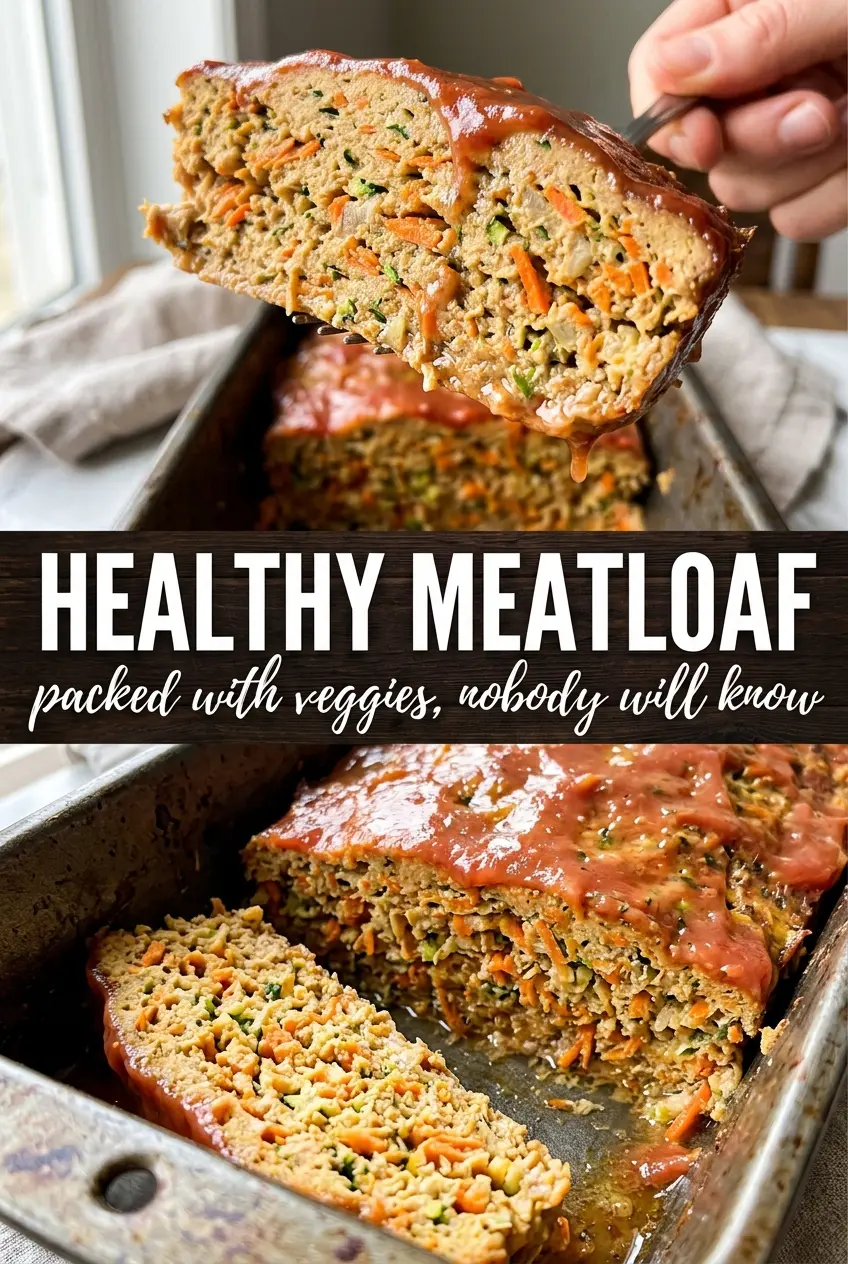
Healthy Meatloaf with Clean Tomato Glaze
Ingredients
Equipment
Method
- Preheat the oven to 350°F and line a loaf pan with parchment for easy release.
- In a large bowl, combine lean ground beef (90/10) or ground turkey, rolled oats, eggs, whole milk, grated onion, grated carrot, squeezed-dry grated zucchini, minced garlic, Worcestershire sauce, dried thyme, and salt and pepper until evenly blended.
- Press the mixture firmly into the prepared loaf pan to help it hold together when sliced.
- Mix tomato paste, honey, and apple cider vinegar, then spread the glaze over the top.
- Bake at 350°F for 55–65 minutes, until the internal temperature reaches 160°F and the top looks set and glossy.
- Rest the meatloaf for 10 minutes before slicing so the juices redistribute and the loaf cuts cleanly.