Hobo dinner cheeseburgers deliver all the comfort of a backyard burger and a foil-packet potato dinner in one tidy bundle. The beef stays juicy, the vegetables steam underneath, and the cheese melts right over the patty when the packets open at the end. What you get is smoky, savory, and a little rustic in the best way, with the potatoes catching every bit of beefy butter dripping through the foil.
The trick here is building the packet in the right order. Thin-sliced potatoes go on the bottom because they need the most heat and longest cooking time, while the burger cooks on top and seasons the vegetables as it goes. Heavy-duty foil matters, too, because thin foil tears when the potatoes soften and the packets get flipped over the fire. A short rest after cooking helps the juices settle so the burgers don’t run all over the foil when you open them.
Below, I’ll walk through the packet-building details that keep the potatoes tender, the burger from drying out, and the cheese perfectly melted without overcooking everything underneath.
The potatoes were tender, the burgers stayed juicy, and the cheese melted right over the patties when we opened the foil. I used the campfire grate and they cooked evenly in about 25 minutes.
Save these campfire hobo dinner cheeseburgers for the nights when you want a full burger dinner with buttery vegetables in one foil packet.
The Part Most Foil Packet Burgers Get Wrong
The biggest mistake with foil packet burgers is treating the beef like it needs to be sealed in with the vegetables from the start. In reality, the potatoes are the slowest ingredient here, and they need direct contact with the hottest part of the packet first. If the slices are too thick, they stay firm while the burger overcooks. If they’re thin and even, they turn tender in the same window that gives you a juicy patty and soft onions.
Another easy failure point is overpacking the foil. Tight is good; cramped is not. Leave a little room for steam to circulate so the potatoes soften instead of drying out against the foil. The butter helps with both flavor and moisture, and the flip halfway through keeps the bottom from scorching on the grate.
What the Potatoes, Butter, and Cheese Are Each Doing Here
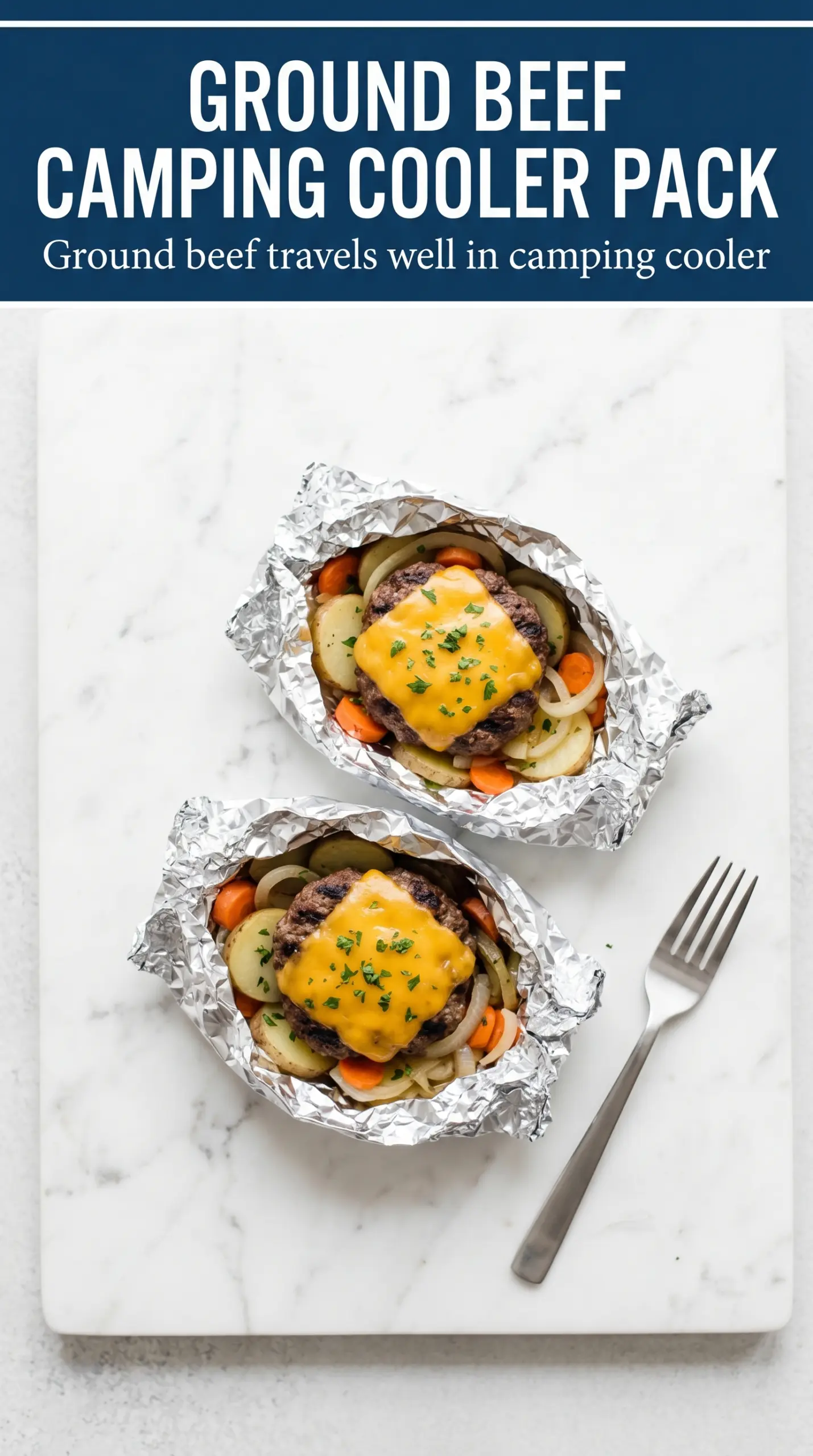
- Ground beef — Use an 80/20 blend if you can. Leaner beef can work, but it loses some of the buttery richness that makes the packet taste like more than just meat and vegetables. Form the patties thin, because thick burgers need more time than the potatoes and the vegetables will overcook before the center is done.
- Potatoes — Thin slices are non-negotiable here. They act like the base of the packet and soak up the fat and juices as they cook. Yukon Golds give a creamy texture, while russets soften a little more and taste a bit starchier.
- American cheese — It melts cleanly and fast, which is exactly what you want once the packet opens. A sharper cheese can work, but it won’t melt as smoothly over the hot burger. If you swap it, choose a sliceable cheese that melts well, not a crumbly one.
- Heavy-duty foil — This is one place where the better version matters. Thin foil can split when the packet gets flipped or lifted from the grate. Heavy-duty foil holds in the steam and keeps the butter from leaking out into the fire.
- Butter — That tablespoon on top of each patty isn’t just for richness. It melts down through the packet and seasons the vegetables while helping the burger stay moist. You can use salted butter, but if you do, go lighter on the seasoning at the start.
Building the Packet So Everything Finishes at the Same Time
Layer the Vegetables First
Start with the potatoes, then add the onion and bell pepper. The potatoes need the longest time, and the onion and pepper soften into the juices as the packet cooks. Keep the slices thin and even so the whole base cooks at the same pace; thick chunks leave you with crunchy potatoes and limp, overdone beef.
Set the Burger on Top
Place the thin patty directly over the vegetables and season it before you fold the packet. That lets the salt and pepper hit the meat instead of disappearing into the juices below. Press the center slightly thinner than the edges so the burger stays flat instead of puffing into a dome while it cooks.
Seal, Flip, and Listen for Steam
Fold the foil tightly into a sealed packet, but don’t wrap it so tight that the foil tears when the steam builds. Set it on a medium-hot grate and cook until the packet puffs a little and you can smell the onions turning sweet. Flip halfway through so the bottom doesn’t burn before the potatoes finish softening.
Melt the Cheese at the End
Open each packet carefully, add the cheese, and close it back up for a minute or two. That short burst of trapped heat melts the cheese without pushing the burger past juicy into dry. Let the packets sit for 5 minutes before serving so the juices settle and don’t flood the foil the second you open it.
How to Change These Hobo Dinner Cheeseburgers Without Breaking Them
Dairy-Free Packet Burgers
Skip the butter and use a tablespoon of olive oil or avocado oil in each packet. You’ll lose the rich buttery finish, but the vegetables still soften well and the burgers stay moist. For the cheese, use your favorite dairy-free meltable slices, but add them only at the very end so they don’t dry out.
Gluten-Free by Default
This recipe is naturally gluten-free as written, which makes it handy for mixed crowds. Just check your cheese slices and seasoning blend if you use any packaged versions, since a few brands add fillers or starches. The cooking method doesn’t need to change at all.
Make It with Ground Turkey
Ground turkey works, but it needs the butter more than beef does. Use a turkey blend that isn’t extra lean if you can find it, and keep the patties thin so they don’t dry out before the potatoes are tender. The finished packet tastes a little lighter and less beefy, but it still scratches the same campfire-dinner itch.
Storage and Reheating
- Refrigerator: Store leftovers in an airtight container for up to 3 days. The potatoes soften a bit more after chilling, but the flavor holds up well.
- Freezer: These freeze, but the potatoes turn softer and a little grainy after thawing. If you do freeze them, wrap the cooled packets tightly and thaw in the refrigerator before reheating.
- Reheating: Reheat in a 350°F oven, loosely covered with foil, until hot through. The biggest mistake is using high heat, which dries out the beef before the potatoes warm through. A skillet over low heat works too if you need to warm a single packet.
Questions I Get Asked About This Recipe
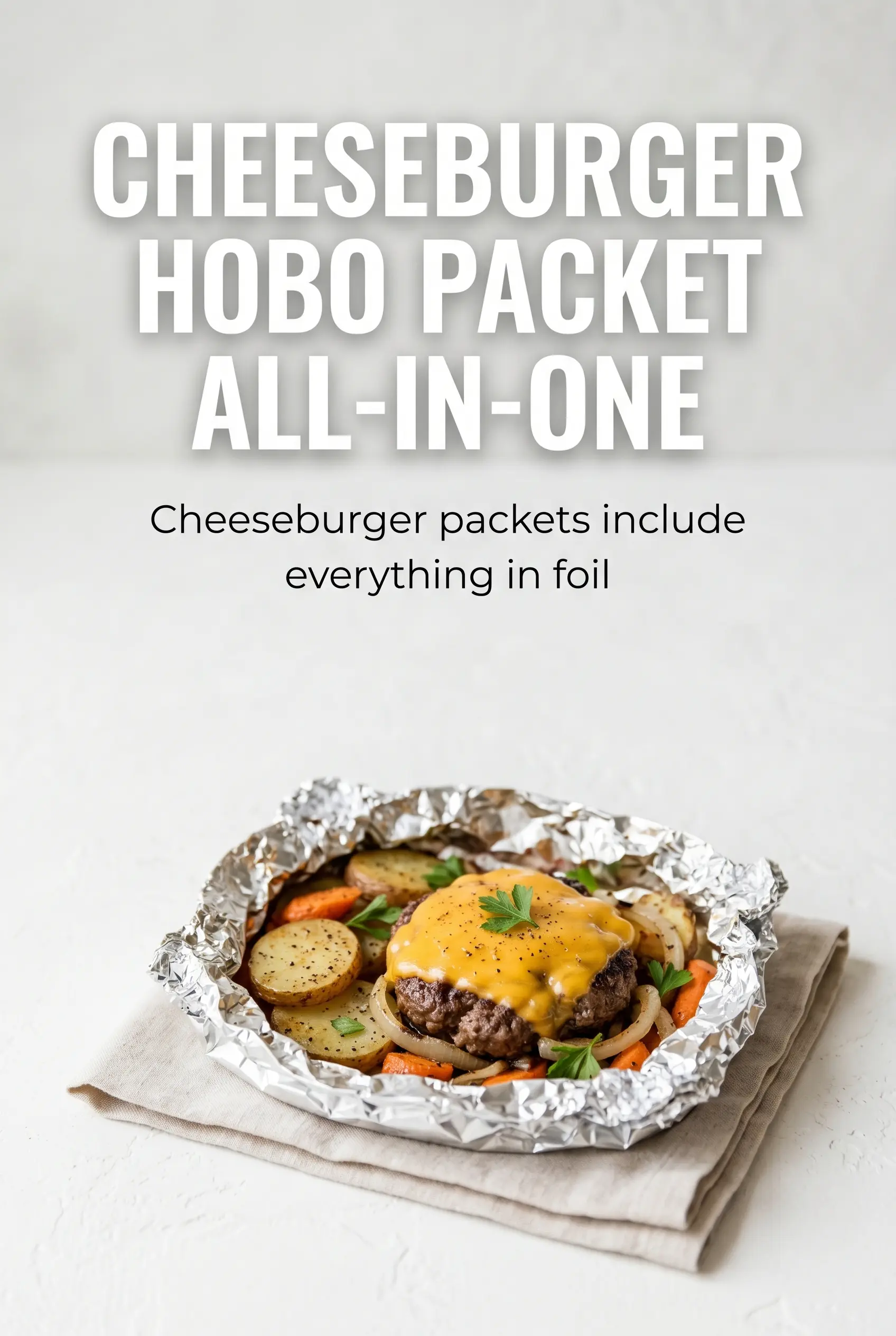
Hobo Dinner Cheeseburgers
Ingredients
Equipment
Method
- Divide the ground beef into 4 portions and form into thin patties, seasoning with salt and pepper. Visual cue: patties are thin enough to cook through quickly in foil.
- Place sliced potatoes, onions, and bell peppers on each heavy-duty aluminum foil sheet in a layer. Visual cue: vegetables cover most of the foil so they steam and soften.
- Set a beef patty on top of the vegetable layer and add 1 tablespoon butter to each packet. Visual cue: butter melts into the juices as the packet cooks.
- Fold foil into sealed packets, pressing edges closed all the way around. Visual cue: no gaps where steam can escape.
- Place packets on a campfire grate over medium heat and cook for 20-25 minutes. Visual cue: potatoes look tender and steam is actively building inside.
- Flip the packets halfway through cooking. Visual cue: flip carefully so the juices stay trapped.
- Open packets and add American cheese slices to the burgers. Visual cue: cheese lands directly on the hot beef.
- Reseal the packets briefly to melt cheese, keeping them closed for about 1-2 minutes. Visual cue: cheese turns glossy and fully softens.
- Let packets cool for 5 minutes before serving from the foil. Visual cue: steam settles slightly so the juices don’t burn when eating.