Hobo dinner foil packets hit that sweet spot between low-effort and genuinely satisfying: tender potatoes, sweet carrots, softened onions, and a beef patty that stays juicy while the vegetables steam underneath it. When the foil opens, you get a full meal in one packet, with buttery drippings soaking into everything below. It’s the kind of campfire dinner people remember because it feels simple but still tastes like real cooking.
The trick is stacking the vegetables under the beef, not around it. The meat juices and butter drip down as the packets cook, which seasons the potatoes and carrots without turning them greasy. Thin patties help the beef cook through in the same window as the vegetables, and heavy-duty foil matters because a weak packet will split when you flip it or pull it off the grate.
Below, I’ll walk through the one detail that keeps the packets from steaming into mush, plus the ingredient swaps and timing notes that make this work whether you’re cooking over coals, a grill, or a backyard fire pit.
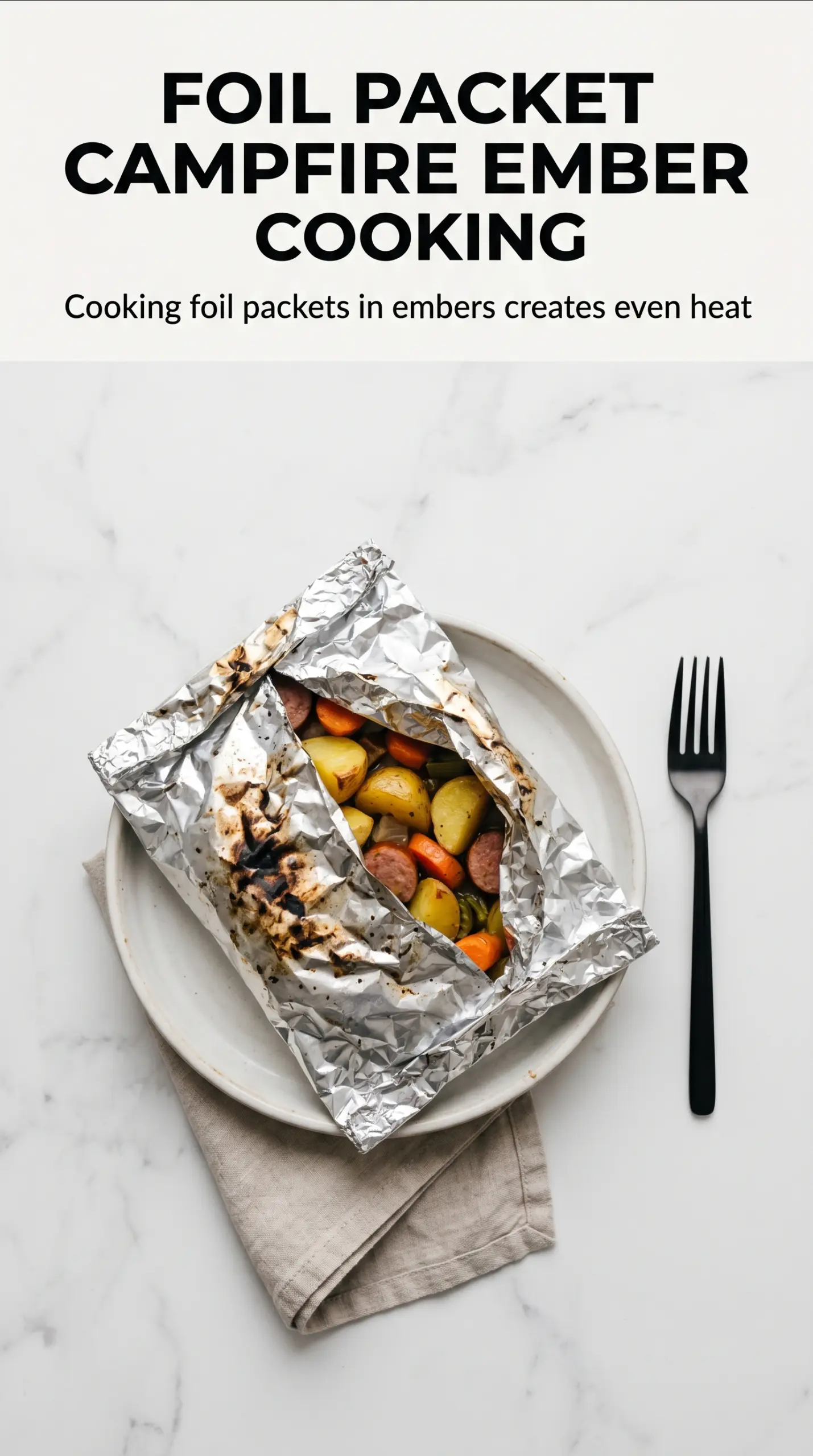
The potatoes came out tender, the carrots still had a little bite, and the beef stayed juicy instead of drying out. I flipped the packets halfway through and everything cooked evenly right over the fire.
These hobo dinner foil packets are the kind of campfire meal that turns simple beef and vegetables into a full dinner with almost no cleanup.
The One Mistake That Makes Foil Packets Turn Soggy
The problem with a lot of foil packet dinners is that the vegetables all go in at the same size and the packet gets sealed too tightly around a pile of wet ingredients. That traps steam, which is fine in moderation, but if the potatoes are cut too thick or the patties are too bulky, the beef and vegetables finish on different schedules. You end up with dry meat or hard potatoes.
This version avoids that by slicing the potatoes and carrots thin enough to cook in about the same time as the beef patties. The onion softens quickly and helps season the whole packet, while the butter melts down through the layers instead of sitting on top. Keep the patties thin and the foil sealed snugly, not puffed up like a balloon.
What Each Ingredient Is Doing Inside the Packet
- Ground beef — Thin patties cook evenly inside the packet and give the vegetables something rich to steam against. An 80/20 blend gives the best balance of flavor and juiciness. Leaner beef works, but the packet won’t have quite as much buttery drippings.
- Potatoes — These need to be sliced thin so they soften before the beef overcooks. Russets or Yukon Golds both work, but Yukon Golds hold their shape a little better and taste creamier.
- Carrots — They bring sweetness and color, and they stand up well to campfire cooking. Slice them thin and even; big chunks stay firm while everything else finishes.
- Onion — Onion melts into the packet and seasons the meat and potatoes as it cooks. Yellow onion is the best all-purpose choice, but white onion works if that’s what you have.
- Butter — The butter keeps the packet from eating dry and helps carry the seasoning through the vegetables. If you want a lighter finish, you can reduce it a little, but don’t skip it entirely.
- Heavy-duty foil — This is not the place for flimsy foil. A strong sheet keeps the packet intact when you flip it and helps hold in the heat long enough for the potatoes to cook through.
Building the Packet So Everything Finishes at the Same Time
Start with the vegetables on the bottom
Lay the potatoes down first, then the carrots and onions, and place the beef patty on top. That order matters because the beef juices drip downward and season the vegetables as they cook. If you put the beef on the bottom, it can stick to the foil and the vegetables won’t pick up as much flavor.
Seal it like you mean it
Fold the foil over the filling and crimp the edges tightly so the steam stays inside the packet. Leave a little space above the food for heat circulation, but don’t leave gaps at the seams. If the packet leaks, the vegetables dry out before the potatoes turn tender.
Cook over steady medium heat
Set the packets on a campfire grate over medium heat and flip them halfway through the cooking time. You’re looking for soft potatoes, tender carrots, and beef that’s cooked through with no pink in the center. If the fire is too hot, the outside of the packet will scorch before the middle is ready, so keep it over glowing coals rather than open flames whenever possible.
Open carefully and rest briefly
Let the packets cool for five minutes before opening them. Steam blasts out fast, and that short rest also lets the juices settle back into the meat and vegetables. Open from the top edge and peel the foil back away from your face.
How to Make These Foil Packets Fit Your Fire, Pantry, or Diet
Swap in ground turkey for a lighter packet
Ground turkey works well if you want a leaner dinner, but it needs the butter to keep from tasting dry. Use the same shaping method and watch the cooking time closely, since turkey can dry out faster than beef if the fire runs hot.
Make it dairy-free without changing the texture much
Use olive oil or a plant-based butter substitute in place of the butter. You’ll lose a little of that classic buttery campfire taste, but the vegetables will still steam well and the packet will stay moist.
Turn it into a vegetarian foil packet
Swap the beef for thick slices of mushrooms or a plant-based crumble, then add an extra pinch of salt and garlic powder so the packet doesn’t taste flat. The potatoes and carrots still carry the meal, and the mushrooms bring a savory note that stands in for the meatiness.
Use the oven when camping weather won’t cooperate
Bake the sealed packets at 400°F on a sheet pan for about 30 to 35 minutes. The packet still needs that sealed steam environment, and the oven gives you more even heat than a tricky campfire.
Storage and Reheating
- Refrigerator: Store leftovers in an airtight container for up to 3 days. The potatoes soften a little more after chilling, but the flavor holds up well.
- Freezer: These freeze better after cooking than before, though the potatoes can turn a little soft once thawed. Wrap portions well and freeze for up to 2 months.
- Reheating: Reheat covered in a 350°F oven until warmed through, or use a skillet over low heat with a splash of water. Don’t blast them in the microwave on high or the beef can turn tough while the vegetables dry out.
Answers to the Questions Worth Asking
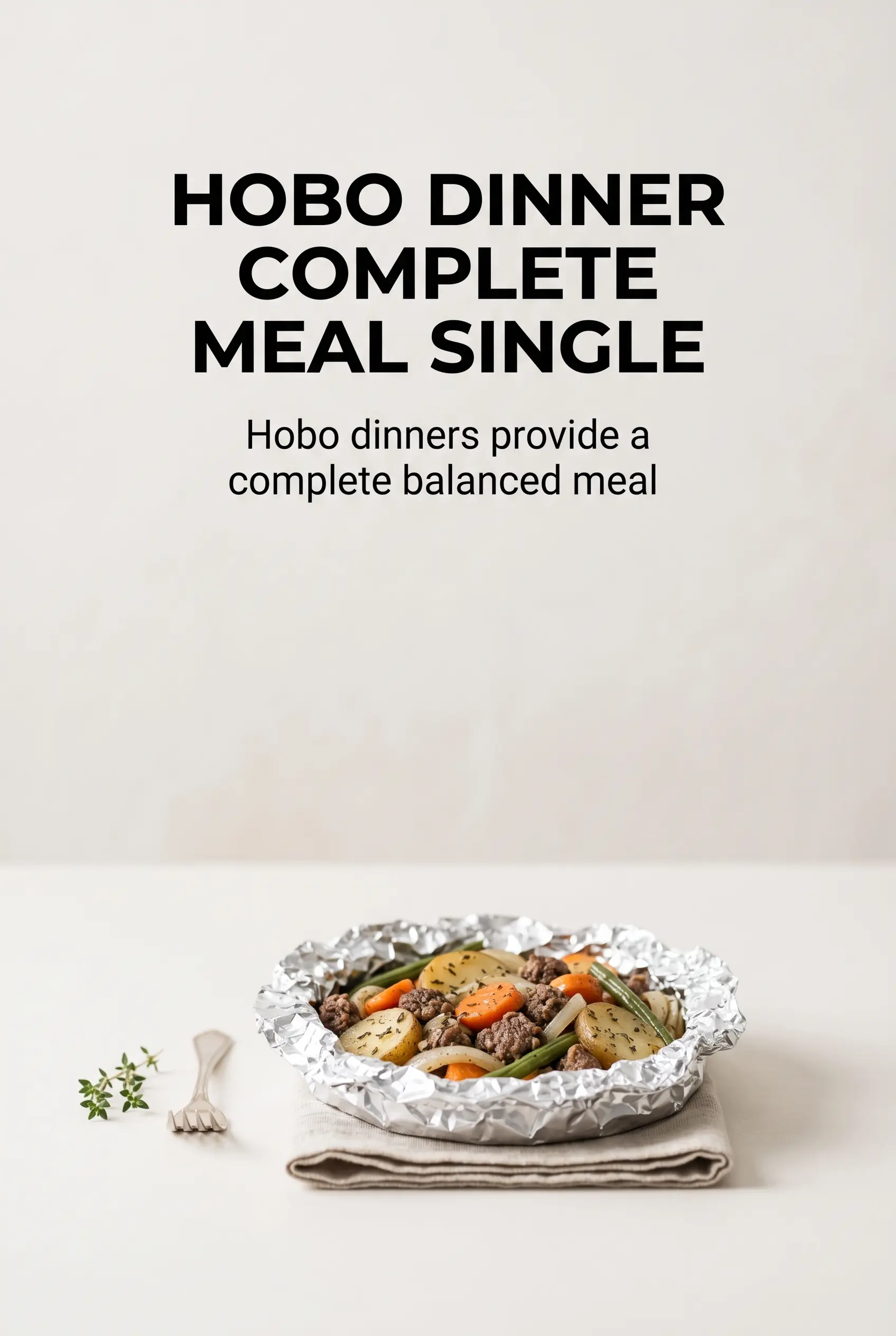
Hobo Dinner Foil Packets
Ingredients
Equipment
Method
- Divide the ground beef into 4 portions and shape each portion into a thin patty.
- Layer sliced potatoes, carrots, and onions onto each foil sheet, then place one beef patty on top of the vegetables.
- Season each packet with salt, pepper, and garlic powder, then top with 1 tablespoon butter.
- Fold the foil into sealed packets, crimping the edges tightly to prevent steam from escaping.
- Place packets on a campfire grate over medium heat for 25-30 minutes until the foil is puffed and you see steady steaming.
- Flip the packets halfway through cooking so the vegetables cook evenly and the steam stays trapped inside.
- Carefully open the packets, watching for steam, and check that the beef is cooked through and the vegetables are tender.
- Let packets cool for 5 minutes before serving directly from the foil.