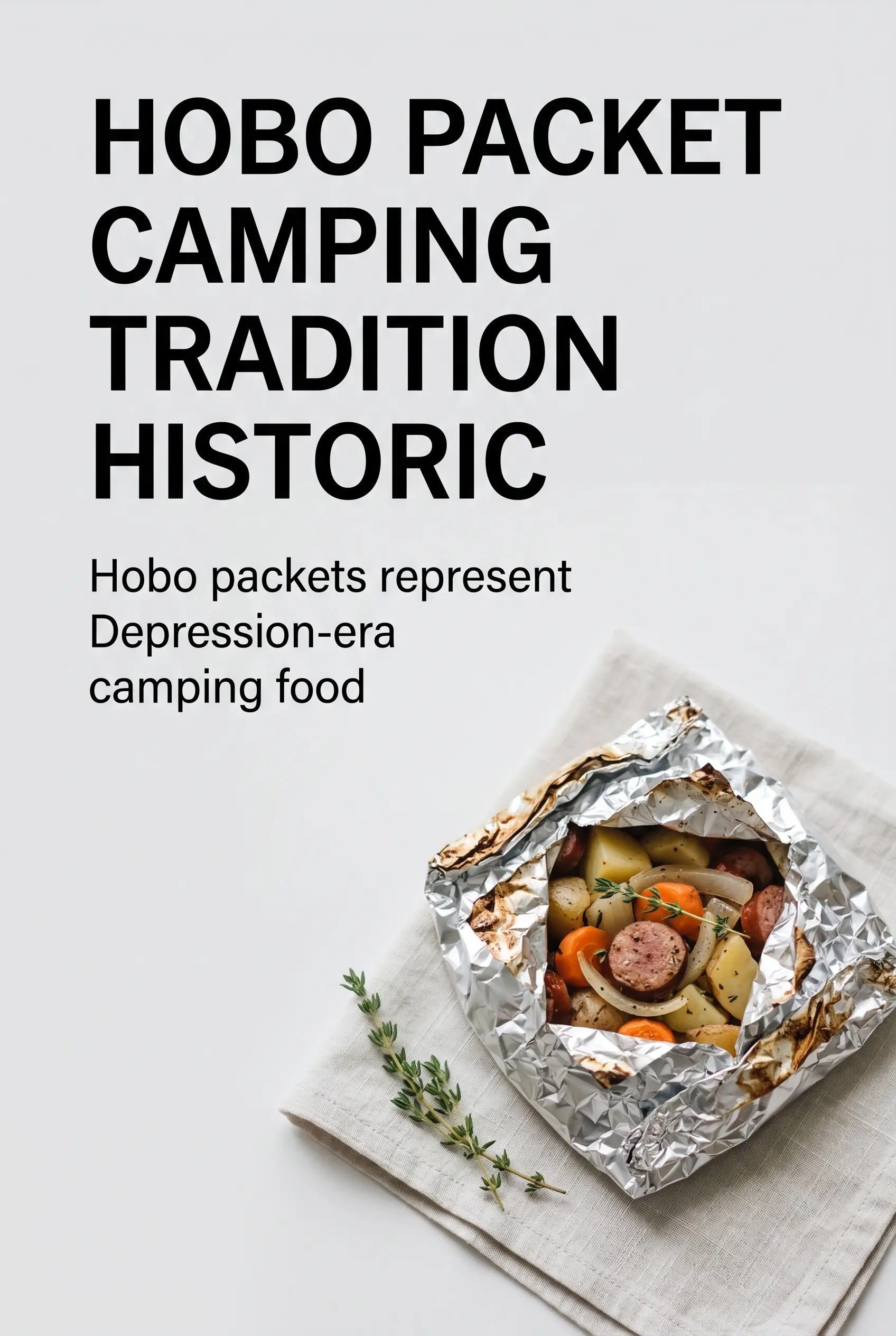
Hobo foil packets come out with the kind of easy, old-school comfort that earns them a permanent spot in the campfire rotation. The vegetables steam under the meat, the butter melts through everything, and the foil seals in just enough moisture to keep the potatoes tender without turning the whole packet soggy. When you open one and the steam rushes out, you get a complete dinner with almost no cleanup.
The part that makes this version work is the layering. The potatoes and carrots go on the bottom because they need the most heat and the longest time. The meat sits on top, where it can brown a little and still flavor the vegetables as it cooks. Heavy-duty foil matters here, because thin foil tears when you flip the packets or lift them off the grate, and a leak means lost juice and uneven cooking.
Below, I’ve included the little things that matter most: how to keep the packets from drying out, what to swap if you’re cooking over a grill instead of a fire, and the one timing detail that keeps the potatoes from coming out hard in the center.
The potatoes were tender, the carrots held their shape, and the butter kept everything from drying out. I used ground beef patties and the packets cooked evenly in 30 minutes over the fire.
Hobo foil packets with tender potatoes, buttery vegetables, and steam-sealed campfire flavor.
The Packing Order That Keeps the Potatoes From Staying Hard
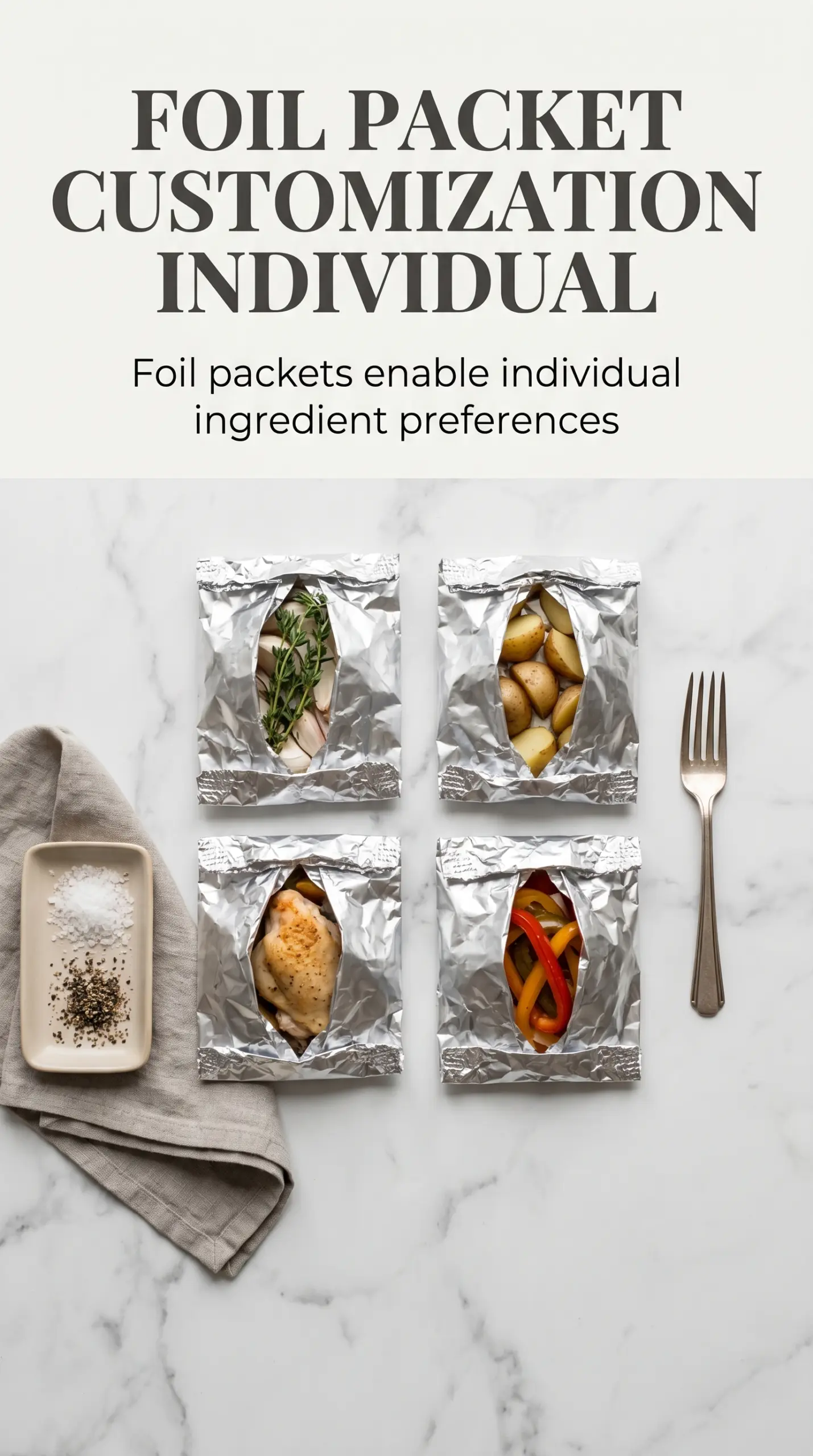
With foil packets, the biggest mistake is burying everything in a flat pile and hoping the heat gets through evenly. Potatoes need the most time, so they belong closest to the hot foil and in the thinnest slices you can manage. If they’re cut too thick, the meat will be done before the vegetables catch up, and you’ll open the packet to find hard centers hiding under soft edges.
The other thing people miss is moisture balance. You want enough butter and trapped steam to cook the vegetables, but not so much liquid that the packet turns watery. Heavy-duty foil helps keep the seal tight, and a well-folded packet prevents leaks when you flip it halfway through cooking.
- Thin potato slices — These cook fast enough to match the rest of the packet. Keep them about 1/4 inch thick.
- Carrots and onions — They hold up well under heat and add sweetness as they soften, which helps the simple seasoning taste fuller.
- Butter — It coats the vegetables and keeps the meat from tasting dry. Margarine works in a pinch, but the flavor isn’t as round.
- Heavy-duty foil — Regular foil tears too easily when the packets are flipped or moved. If that’s all you have, double it.
What Each Ingredient Is Actually Doing in the Packet
- Ground beef or stew meat — Ground beef cooks into a softer, more familiar camp-style packet. Stew meat gives you a meatier bite, but it needs the full cook time and works best when sliced small or divided evenly.
- Potatoes — These are the backbone of the meal. Waxy potatoes hold their shape better than russets, which can break down and get mealy in the foil.
- Carrots — They bring sweetness and stay intact instead of melting into the rest of the vegetables. Slice them on the thinner side so they cook at the same pace as the potatoes.
- Onion — Onion softens into the juices and seasons the whole packet from the inside out. Yellow or white onion both work well here.
- Green beans — Canned green beans are convenient and already tender, so they’re a good fit for this fast-cooking method. Drain them well so they don’t water down the packet.
- Garlic powder — This gives you even seasoning without worrying about chopped garlic burning in the foil. Fresh garlic can turn sharp or bitter over direct heat.
How to Build the Packet So Everything Finishes at the Same Time
Layering the Vegetables
Lay the potatoes down first, then add the carrots, onions, and green beans. That order gives the densest vegetables the most direct heat and keeps the quicker-cooking pieces from turning to mush. Season each layer lightly as you go if you want the flavor to reach all the way through instead of sitting only on top.
Adding the Meat and Butter
Place the beef or stew meat on top of the vegetables, then season with salt, pepper, and garlic powder before topping each packet with butter. If you’re using ground beef, shaping it into patties helps it cook more evenly than loose crumbles. The butter melts downward and carries the seasoning into the vegetables while the packet cooks.
Sealing, Flipping, and Checking for Doneness
Fold the foil tightly so the packet is sealed on all sides, but leave a little room for steam to circulate inside. Cook over medium campfire heat for 25 to 30 minutes, then flip once halfway through so the bottom doesn’t scorch. If the potatoes still feel firm when you open one packet, reseal it and give it a few more minutes; that’s the first place to check because it’s the ingredient most likely to lag behind.
Swap in Sausage for a Smokier Packet
Use sliced smoked sausage instead of beef if you want a deeper, saltier flavor with less hands-on checking. The packet will cook a little more quickly because the sausage is already cooked, so you’re mostly heating and softening the vegetables rather than fully cooking the meat.
Make It Dairy-Free
Replace the butter with a dairy-free butter or a drizzle of olive oil. You’ll lose a little of the classic campfire richness, but the vegetables will still soften properly and the packet will stay moist.
Use Fresh Green Beans Instead of Canned
Fresh green beans add a brighter bite and hold their texture better, but they need to be trimmed and sliced shorter so they cook through. If you use fresh beans, keep the rest of the vegetables sliced a little thinner so everything finishes together.
Storage and Reheating
- Refrigerator: Store leftovers in an airtight container for up to 3 days. The potatoes soften a little more as they sit.
- Freezer: These freeze better than you’d expect if the meat is ground beef, but the potatoes can turn grainy after thawing. Freeze in airtight containers for up to 1 month if needed.
- Reheating: Reheat in a covered skillet with a splash of water or in a 325°F oven until hot. The mistake to avoid is blasting them on high heat, which dries out the meat before the center warms through.
Answers to the Questions Worth Asking
Hobo Foil Packets
Ingredients
Equipment
Method
- If using ground beef, form it into 4 patties; if using stew meat, divide it into 4 portions.
- Keep the portions separate so each one goes onto its own foil sheet.
- Preheat the campfire grate over medium heat so it’s ready for 25–30 minutes of cooking.
- On each of the 4 foil sheets, layer vegetables starting with sliced potatoes, then carrots, then onion.
- Add drained green beans on top of the layered vegetables on each foil sheet.
- Place one meat portion on top of the vegetables in each packet.
- Season each packet with salt and pepper, then sprinkle garlic powder over the meat and vegetables.
- Top each packet with 1 tbsp butter, placed over the center so it melts as the packet heats.
- Fold foil into sealed packets, pressing edges closed so steam stays inside.
- Place the packets on the campfire grate over medium heat and cook for 25–30 minutes total.
- Flip the packets halfway through cooking so the vegetables steam evenly.
- Let packets cool for 5 minutes before carefully opening them to avoid steam burns.
- Serve immediately with the contents hot and steaming straight from the opened foil.