Bubbling hobo stew is the kind of one-pot dinner that earns its keep fast: tender chunks of beef, soft potatoes, sweet corn, and carrots all simmer together in a broth that tastes bigger than the short ingredient list suggests. It lands in the bowl rustic and hearty, with enough body to feel like a meal and enough broth to keep every spoonful interesting.
What makes this version work is the order. Browning the meat first gives the stew a deeper base, and the canned tomatoes and broth pick up every bit of flavor from the pot. The potatoes go in early enough to soften, but the covered simmer keeps the vegetables from turning to mush. Using both beef and canned vegetables is what gives hobo stew its campfire character without needing a long ingredient list or fancy technique.
Below you’ll find the simple trick that keeps the broth from tasting flat, plus a few smart swaps for ground beef, Dutch oven cooking, and make-ahead storage. If you’ve ever ended up with a watery stew or vegetables that fell apart, the notes below will help you avoid both.
The broth thickened just enough, the potatoes held their shape, and even the leftovers tasted better the next day. My kids went back for seconds without picking out the carrots.
Save this campfire hobo stew for the nights when you need a hearty Dutch oven dinner with simple pantry ingredients.
The Reason the Pot Needs to Brown Before the Vegetables Go In
The biggest mistake with hobo stew is rushing past the browning step. If the meat goes in pale and watery, the whole pot tastes like boiled dinner instead of stew. You want the meat to pick up actual color before anything else joins the pot, because those browned bits on the bottom are what give the broth its depth.
This matters even more if you’re using ground beef instead of stew meat. Ground beef releases more moisture, so let it sit long enough to develop some real browning before you stir. If the pot fills with liquid, cook it down until you hear a sizzle again. That sound tells you the meat is caramelizing instead of steaming.
- Stew meat or ground beef — Stew meat gives you bigger, chewier bites and a more traditional texture. Ground beef is faster and works well if you’re cooking over a fire where steady heat can be tricky. If you use ground beef, cook off the excess grease before adding the vegetables so the broth doesn’t turn greasy.
- Potatoes — These build the body of the stew and soak up the broth as they cook. Yukon Golds hold their shape better than russets, but russets will soften more and make the broth thicker. Cut them into even cubes so they finish at the same time as the carrots.
- Canned tomatoes and beef broth — The tomatoes add acidity that keeps the stew from tasting flat, and the broth carries the seasoning through the whole pot. If you only have water, the stew will still cook, but it loses the savory backbone that makes this taste like dinner instead of soup.
- Corn and green beans — Canned vegetables are practical here because they stand up to the long simmer and add the classic hobo stew mix of sweet and earthy notes. Drain them well so the broth stays concentrated. Frozen vegetables can work too, but add them near the end so they don’t go soft.
Building the Stew So the Vegetables Stay Tender, Not Mushy
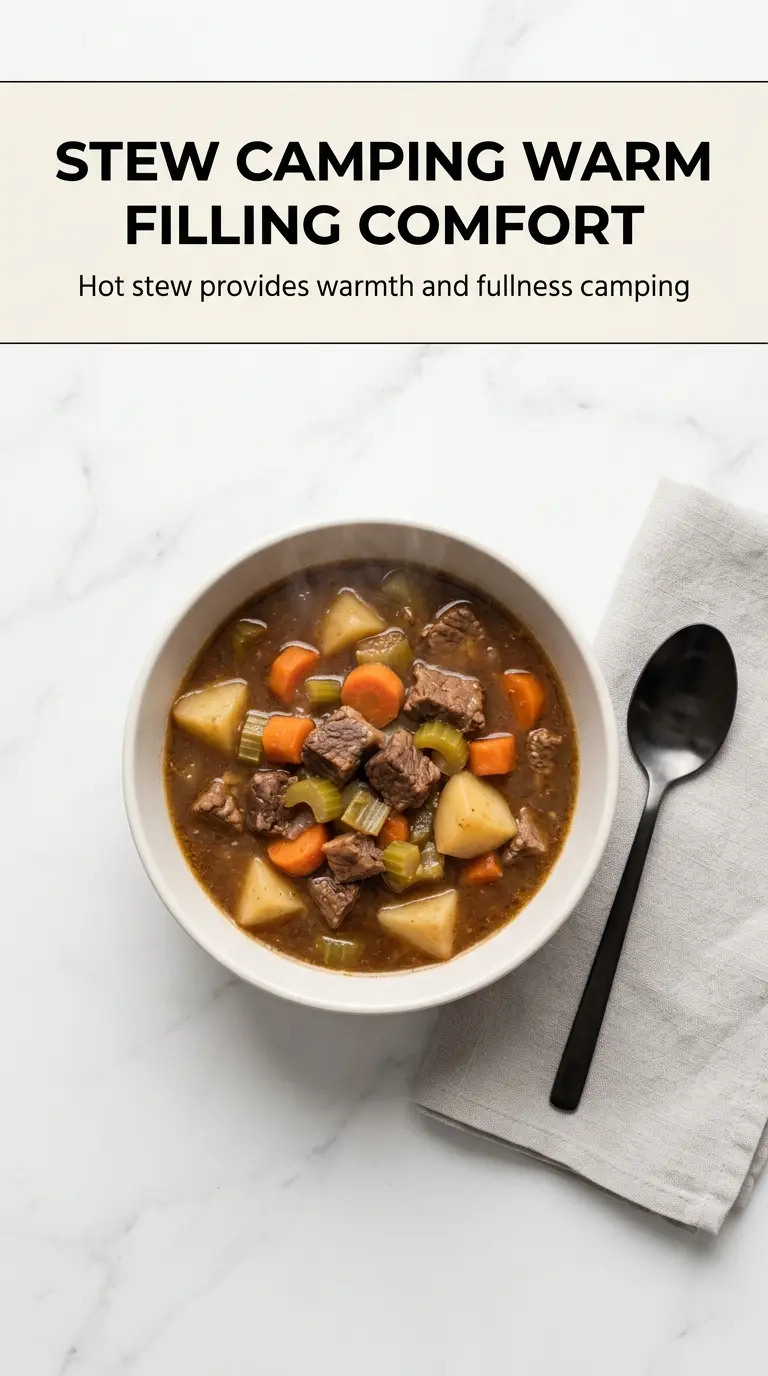
The image block above should sit right before the ingredient notes when you’re publishing this post. After that, the key is controlled simmering. Once the broth comes to a boil, drop it back to a steady, gentle bubble. A hard boil knocks the potatoes apart and makes the carrots lose their shape before the center has a chance to turn tender.
Cover the pot, but leave enough heat under it that you still see small bubbles breaking the surface. If the stew looks thin at the start, don’t crank the heat to force it thick. The broth tightens a little as the potatoes release starch, and the flavor gets better when the pot has time to simmer rather than race.
Brown the Meat First
Cook the beef in a Dutch oven over campfire heat until it loses its raw color and starts developing brown edges. If you’re using stew meat, give it time to sear on the outside before stirring. If you’re using ground beef, break it up after the first side has browned so you get a deeper flavor instead of a soft crumble.
Add the Vegetables and Liquid
Stir in the potatoes, carrots, onion, corn, green beans, tomatoes, and beef broth once the meat is browned. Keep the pieces close in size so the potatoes and carrots finish together. The broth should come up around the ingredients, not drown them; if the pot looks overloaded, the vegetables steam unevenly instead of simmering properly.
Simmer Until the Potatoes Yield
Bring everything to a boil, then lower the heat and cover the pot for 35 to 40 minutes. The potatoes should slide off a fork without collapsing, and the carrots should lose their crunch while still holding shape. If the stew is still thin at the end, uncover it for the last few minutes so some liquid cooks off.
What to Change When You Need a Different Kind of Campfire Dinner
Ground beef for the fastest version
Use ground beef when you want a shorter cook and a softer, more spoonable stew. It doesn’t have the same meaty texture as stew meat, but it gives you a rich base quickly and handles campfire cooking better because it finishes fast.
Make it dairy-free and gluten-free without changing the method
This recipe is naturally dairy-free and gluten-free as written, as long as your broth is gluten-free. That makes it an easy crowd meal because you don’t have to change the technique or lose the stew’s rustic texture to fit those needs.
Swap in fresh vegetables when you have them
Fresh corn, fresh green beans, or extra carrots all work, but add quick-cooking vegetables later in the simmer so they don’t turn soft. Canned vegetables are forgiving and convenient, while fresh ones bring a little more bite and sweetness if you’re cooking at home instead of at camp.
Storage and Reheating
- Refrigerator: Store for up to 4 days in a sealed container. The potatoes absorb more broth as it sits, so the stew gets thicker by the next day.
- Freezer: It freezes well for up to 3 months, though the potatoes can soften a little after thawing. For the best texture, cool it fully, freeze it in airtight containers, and leave a little space at the top for expansion.
- Reheating: Warm it slowly on the stovetop over medium-low heat, stirring now and then. If you blast it on high, the potatoes can break apart before the center heats through. Add a splash of broth if it has thickened too much in the fridge.
Answers to the Questions Worth Asking
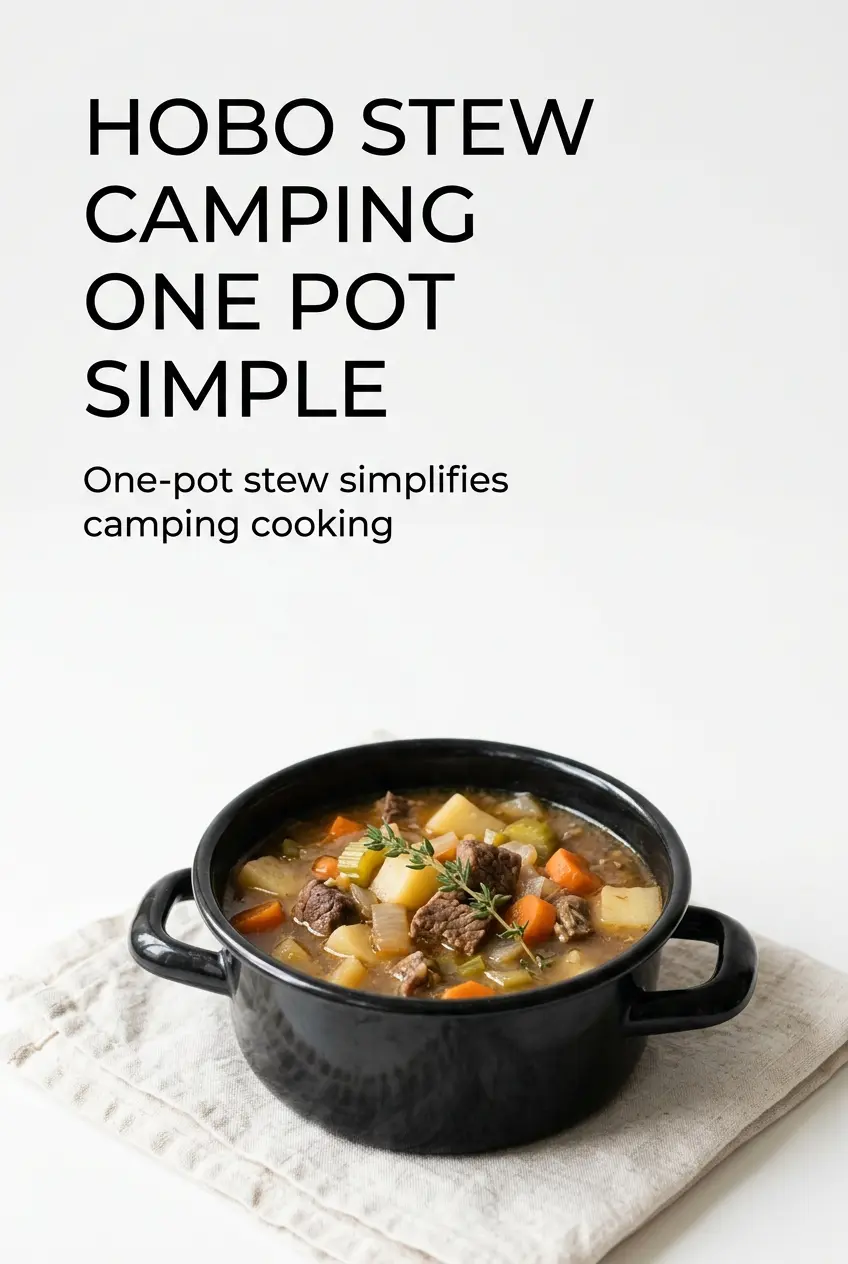
Hobo Stew
Ingredients
Equipment
Method
- Set a Dutch oven over a campfire and brown the stew meat in it until browned on all sides, with a lively sizzle in the bottom of the pot.
- Stir and cook a little longer as needed until the meat is no longer pink and the surface looks caramelized.
- Add the cubed potatoes, sliced carrots, diced onion, drained corn, drained green beans, diced tomatoes, and beef broth to the Dutch oven.
- Season with garlic powder, paprika, salt, and black pepper, then stir to combine so the liquid looks evenly colored.
- Bring the stew to a boil, with steady bubbling across the surface.
- Reduce heat to a gentle simmer, cover, and cook 35-40 minutes until the vegetables are tender, with frequent soft bubbles around the edges.
- Ladle the hobo stew into bowls and serve hot, showing tender vegetable chunks and a bubbling consistency.