Glossy chicken, charred edges, and sweet-savory glaze are what make these Honey Garlic Asian Chicken Kabobs disappear fast off the grill. The pineapple softens just enough to catch the sticky marinade, the peppers keep a little snap, and the onions pick up those browned edges that make every bite taste finished. This is the kind of skewer that gets passed around once and then immediately claimed for the next round.
The marinade does more than add flavor. Honey gives the kabobs their shine and helps the chicken caramelize, while soy sauce and rice vinegar keep the sweetness from turning flat. I also like reserving a little marinade for basting because that extra layer builds a lacquered finish without drowning the skewers. A short rest after grilling keeps the chicken juicy instead of losing all its juices the second it comes off the heat.
Below, I’ll show you how to keep the glaze from scorching, which ingredient matters most for that takeout-style balance, and the small swaps that still keep these skewers working when you need to adjust for what’s in the fridge.
The glaze clung to the chicken instead of dripping off, and the pineapple picked up just enough char to balance the sweetness. I used the basting trick and the kabobs came off the grill glossy, not sticky-soggy.
Honey Garlic Asian Chicken Kabobs are the kind of grilled skewers that stay glossy, caramelized, and crowd-friendly every time.
The Marinade Needs Time, But Not Too Much
With chicken kabobs, the biggest mistake is treating the marinade like a sauce that should soak forever. Honey and soy bring a lot of surface flavor fast, and chicken breast can only take so much before the texture starts to turn soft and a little stringy. One to four hours is the sweet spot here. That gives the garlic, ginger, and rice vinegar enough time to work into the meat without dulling the clean bite of the chicken.
The other thing that matters is heat. These skewers want medium-high grill heat so the chicken can brown before the honey in the marinade burns. If the grill runs too hot, the glaze goes from glossy to bitter in a hurry. If it’s too cool, the chicken steams and the vegetables go limp instead of picking up that grilled edge.
What Each Ingredient Is Doing in These Kabobs
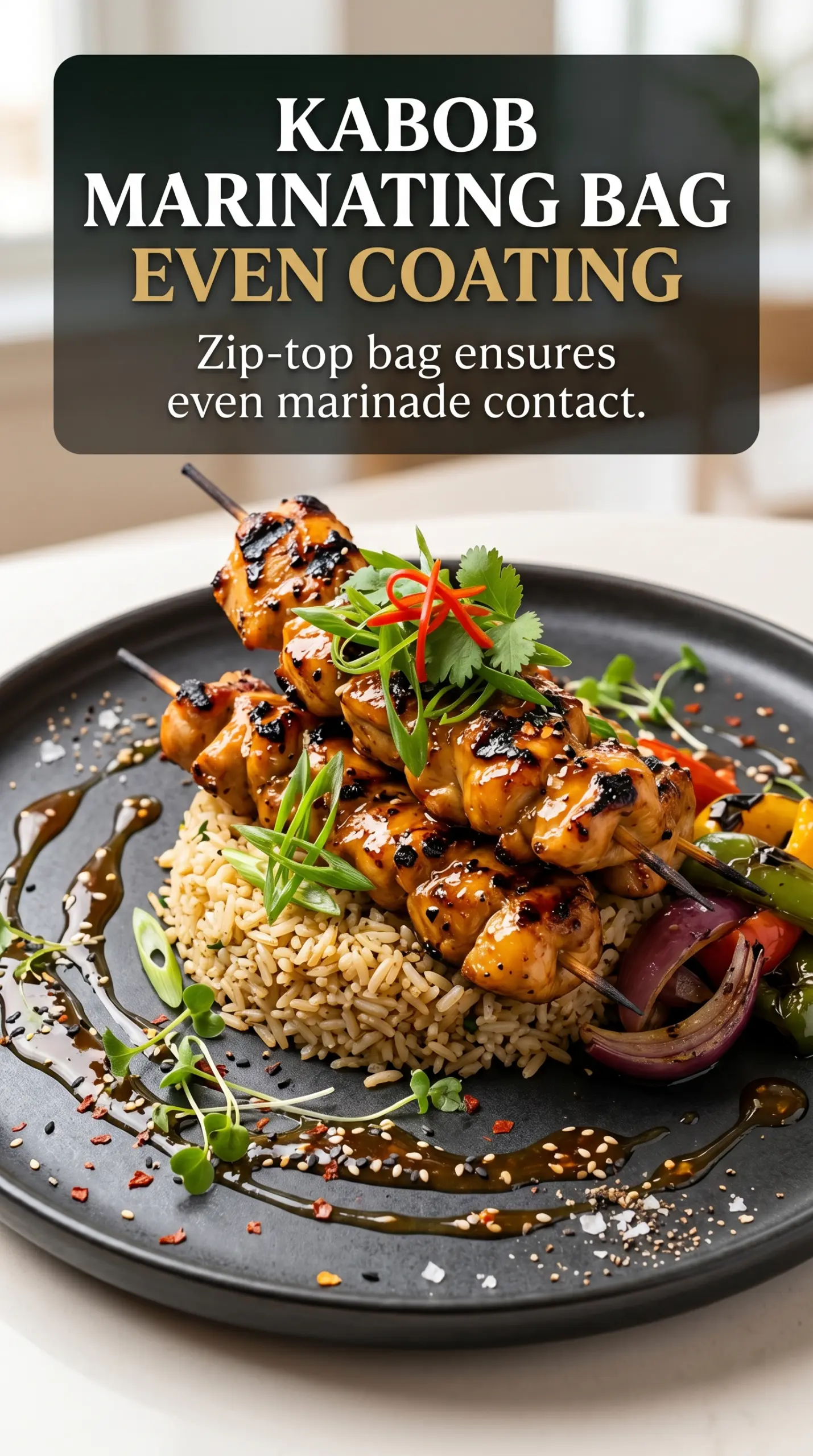
- Chicken breasts — Lean chicken breast cooks quickly on skewers and gives you clean pieces that pick up the glaze well. Cut the cubes evenly so they finish at the same time; uneven chunks are the fastest way to end up with dry chicken beside underdone chicken.
- Honey — This is what gives the kabobs their sticky sheen and that light caramelized finish on the grill. If you swap in sugar, you’ll lose some of the gloss and the marinade won’t cling the same way.
- Soy sauce — Soy brings salt, depth, and that savory backbone that keeps the honey from tasting one-note. Regular soy sauce works fine, but if you use low-sodium, the flavor will be a little softer and you may want a pinch more salt in the finished dish.
- Rice vinegar — This sharpens the marinade and keeps the sweetness in balance. Lemon juice can work in a pinch, but it tastes brighter and less round, so the finished kabobs won’t have the same sweet-soy feel.
- Sesame oil, garlic, and ginger — These three give the skewers their unmistakable Asian fusion character. Sesame oil is potent, so the small amount here matters; use toasted sesame oil for the best flavor, and grate the ginger finely so it disappears into the marinade instead of clumping on the chicken.
- Bell peppers, onions, and pineapple — These aren’t filler. The peppers stay crisp, the onions sweeten as they char, and the pineapple echoes the honey while adding juiciness. If you leave the pineapple out, the kabobs still work, but they lose that sweet-tart contrast that makes each bite pop.
- Wooden skewers — Soak them long enough to keep the exposed ends from scorching. If they’re only soaked for a few minutes, expect singed edges over a hot grill.
Building the Glaze Without Burning It
Whisk the marinade until the honey disappears
Start by whisking the honey, soy sauce, garlic, rice vinegar, sesame oil, and ginger until the mixture looks smooth and loose, not streaky. If the honey sits in thick ribbons at the bottom of the bowl, it won’t coat the chicken evenly. Reserve part of the marinade before it touches the raw chicken so you have a clean basting glaze later. Once raw meat has gone in, that portion is off-limits.
Thread the skewers with a little breathing room
Pack the chicken and vegetables on the skewers snugly enough that they hold together, but don’t jam everything tightly. A little space between pieces helps the grill reach more surface area, which means better browning and less steaming. Keep the pineapple pieces similar in size to the chicken so they finish at the same pace instead of turning mushy while the meat catches up.
Grill, baste, and stop before the sugar scorches
Place the kabobs over medium-high heat and let them sit long enough to get grill marks before turning. Brush on the reserved marinade during the last few minutes, not from the beginning, or the honey will burn before the chicken is cooked through. The kabobs are done when the chicken is firm, the juices run clear, and the edges have a deep golden glaze. Pull them off the grill and let them rest for a few minutes so the juices settle back into the meat instead of running onto the cutting board.
Ways to Adjust These Kabobs Without Losing the Point
Make Them Gluten-Free With One Swap
Use tamari instead of regular soy sauce and the kabobs stay savory, glossy, and balanced. The flavor stays close, and you won’t lose the sticky glaze, but tamari tends to taste a little rounder and less sharp than standard soy.
Swap the Pineapple for a Less Sweet Skewer
If you want more savory kabobs, use zucchini or mushrooms instead of pineapple. You’ll lose some of the sweet-tart contrast, but you’ll still get a juicy skewer with plenty of char, and the glaze will taste a little more teriyaki-style than tropical.
Use Chicken Thighs for Richer Texture
Boneless, skinless chicken thighs stay juicier on the grill and handle the marinade a little more gracefully if your timing runs long. They take a few extra minutes to cook, but they’re more forgiving and give the kabobs a richer bite.
Storage and Reheating
- Refrigerator: Store leftovers in an airtight container for up to 3 days. The vegetables soften a bit, but the chicken stays flavorful.
- Freezer: The cooked chicken freezes okay, but the peppers, onions, and pineapple lose their best texture after thawing. If you want to freeze ahead, freeze just the marinated chicken and add fresh vegetables when you cook it.
- Reheating: Reheat gently in a covered skillet over medium-low heat or in a 300°F oven until just warmed through. High heat dries out the chicken fast and makes the glaze taste bitter instead of glossy.
Answers to the Questions Worth Asking
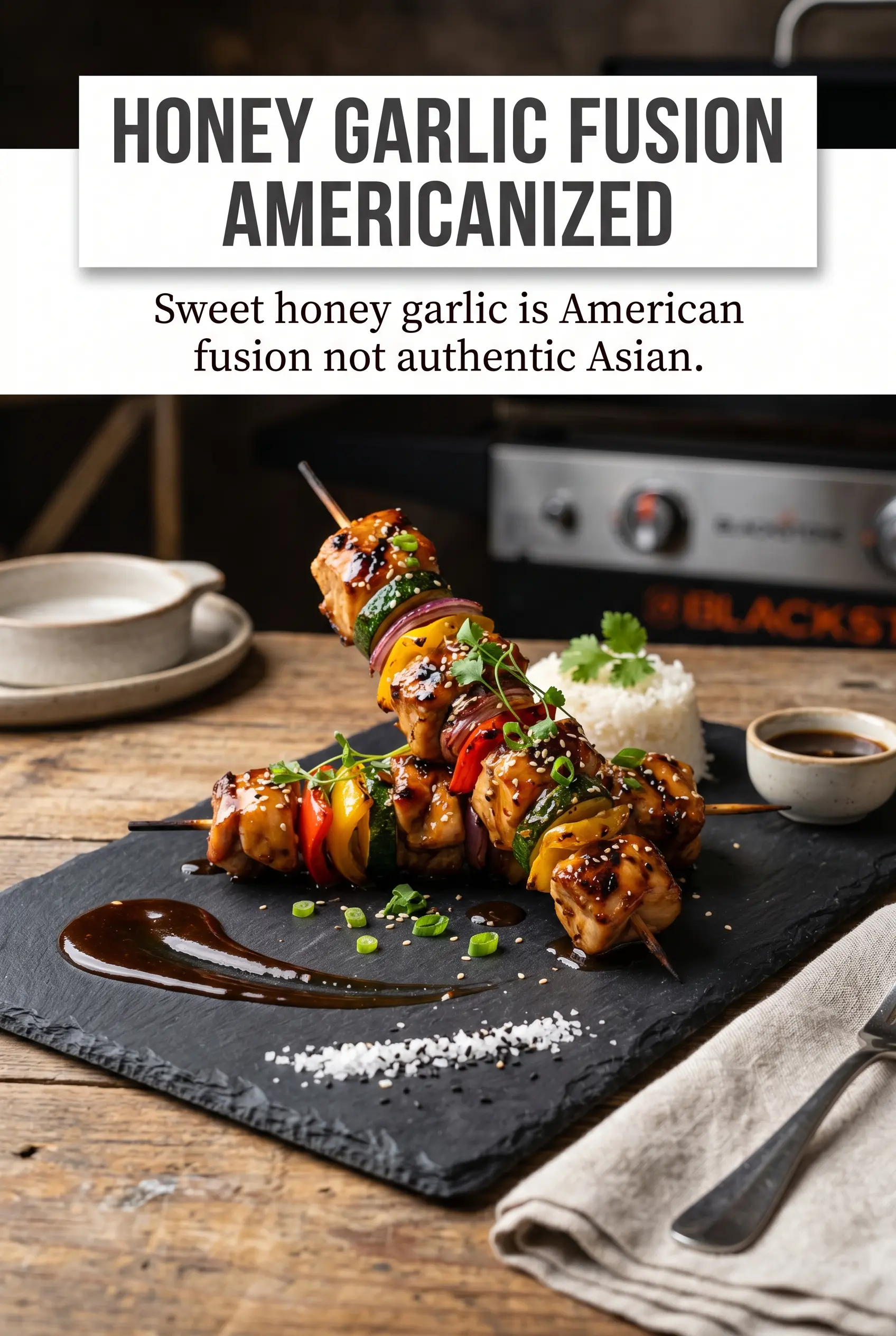
Honey Garlic Asian Chicken Kabobs
Ingredients
Equipment
Method
- In a bowl, whisk together honey, soy sauce, minced garlic, rice vinegar, sesame oil, and grated ginger until smooth.
- Reserve 1/4 cup of the marinade in a separate container for basting later.
- Add cubed chicken to the marinade, then cover and marinate for 1-4 hours in the refrigerator.
- If using wooden skewers, soak them in water while the chicken marinates to prevent burning.
- Thread chicken, bell pepper chunks, onion chunks, and pineapple chunks onto the soaked wooden skewers, alternating pieces for even cooking.
- Preheat the grill to medium-high heat, then place skewers on the grates.
- Grill for 5-6 minutes per side, basting with the reserved marinade during cooking until the glaze looks glossy and caramelized.
- Remove skewers from the grill and garnish with sesame seeds and sliced green onions before serving.