Grilled salmon earns its place on repeat when the skin turns crisp, the flesh stays tender, and the whole fillet lifts off the grill with clean, confident grill marks. The best version doesn’t taste like a pile of competing ingredients. It tastes like salmon first, with just enough lemon, garlic, and dill to sharpen the edges.
The difference here is in the handling. Dry salmon hits the grill better than wet salmon, and a short rest with oil, lemon, and garlic gives the surface enough seasoning without turning the fish mushy. Skin-side down does most of the work, so you’re not fighting the fillet. You’re letting the hot grates crisp the skin while the flesh cooks gently from the bottom up.
Below, I’ll walk through the part most people get wrong on the grill, plus the timing cues that matter more than the clock. If you’ve ever pulled salmon off too early and had it stick, or left it on too long and watched it dry out, this method fixes both.
The skin crisped up beautifully and the salmon stayed flaky instead of drying out. I used the 15-minute rest and it made the seasoning taste like it actually belonged on the fish.
Save this grilled salmon for the nights when you want crisp skin, juicy centers, and a fast main dish that cooks in minutes.
The Trick to Crisp Skin Without Overcooking the Flesh
Salmon on the grill fails most often for one of two reasons: the grates aren’t hot and oiled enough, or the fish gets moved before it’s ready to release. Skin-on fillets need that first uninterrupted stretch on the grill. Once the skin sears and tightens, it lifts more cleanly and protects the delicate flesh above it.
The other mistake is chasing grill marks at the expense of doneness. For salmon, a little patience matters more than aggressive flipping. Let the skin-side do the heavy lifting, then turn the fillet only after it has firmed up and the bottom has turned opaque almost halfway through.
What the Olive Oil, Lemon, and Garlic Are Doing Here
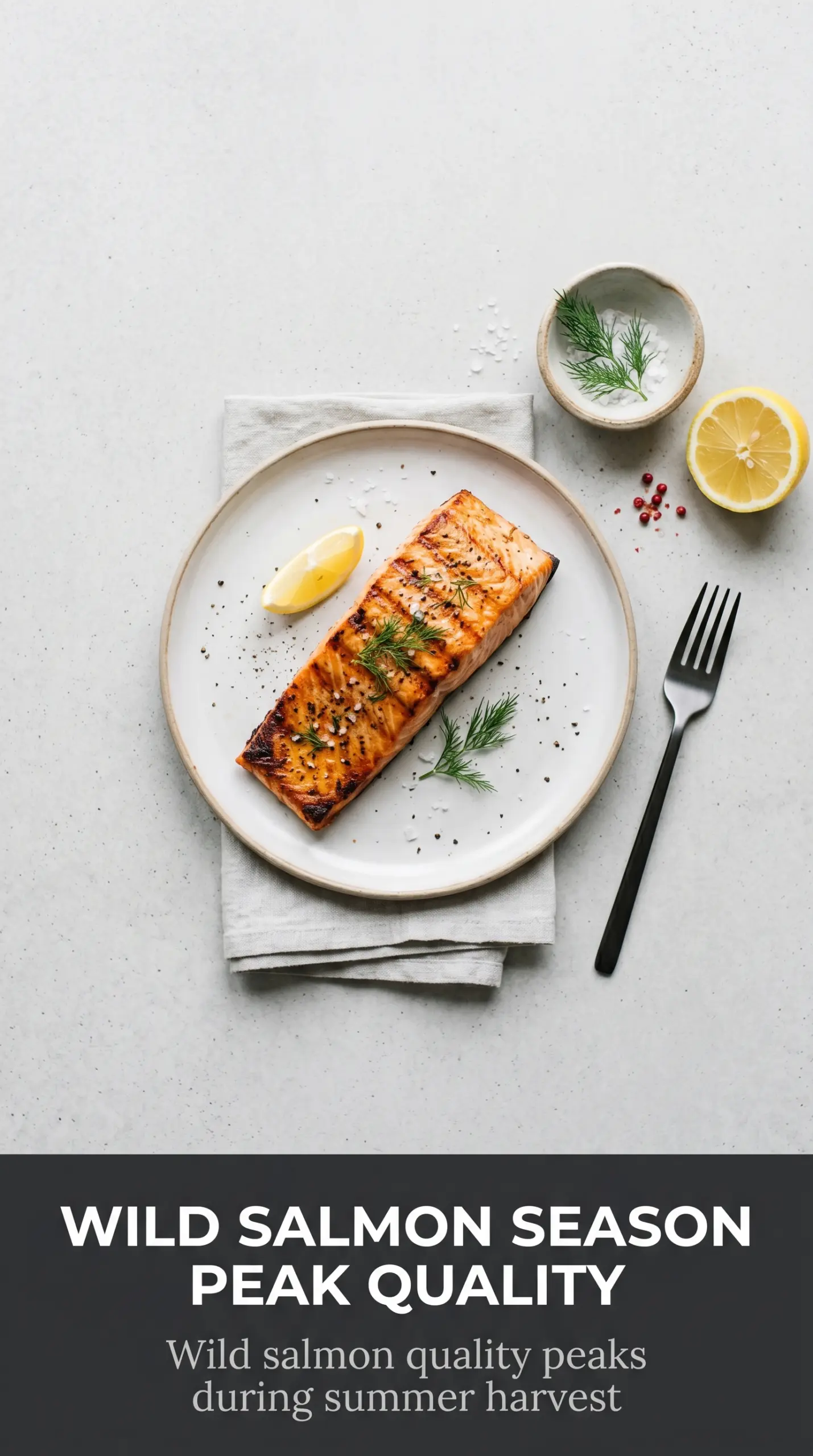
- Skin-on salmon fillets — Skin-on matters here because it protects the fish from direct heat and gives you the crispest, easiest release. Skinless fillets cook faster and are more likely to dry out on the grill. If you need to use skinless, shorten the first side and watch the center closely.
- Olive oil — This helps the seasoning cling and gives the fish a little insurance against sticking. A good everyday olive oil is fine; save the fancy finishing oil for the plate.
- Lemon juice — The lemon brightens the fish, but it also needs restraint. Too much acid and too much time can start to cure the surface, which makes the texture softer than you want. Fifteen minutes is enough.
- Garlic — Minced garlic gives the marinade a sharp edge, but it can burn if bits are left on the outside of the fish in clumps. Keep it finely minced and spread it evenly with the oil so it doesn’t blacken on the grates.
- Fresh dill and lemon wedges — These are best at the end. Dill adds a clean herbal note that fits salmon naturally, and a squeeze of lemon right before serving wakes everything up.
Getting the Grill Marks and the Temperature at the Same Time
Drying and Seasoning the Fillets
Pat the salmon dry before anything else. Moisture on the surface turns into steam, and steam is the enemy of browning. Brush the fillets with the olive oil, lemon juice, and garlic mixture, then season generously with salt and pepper. Let them sit for 15 minutes so the surface picks up flavor without sitting in the marinade long enough to soften.
Preheating and Oiling the Grates
Heat the grill to medium-high before the salmon goes anywhere near it. A properly hot grate gives you a better sear and helps the skin release. Oil the grates well using a folded paper towel dipped in oil and held with tongs, or the salmon will cling and tear when you try to turn it.
Skin-Side Down First
Set the fillets skin-side down and leave them alone for 6 to 8 minutes. You should hear a steady sizzle, not a violent crackle that screams the heat is too high. The fish will turn opaque from the bottom up, and the skin will loosen when it’s ready. If it sticks, give it another minute instead of forcing it.
The Final Flip and Rest
Turn the salmon carefully and cook for 2 to 3 minutes more, just until the center reaches 145°F or looks barely translucent in the thickest part. Pull it off before the flesh starts to flake apart on the grill. A short rest on the plate finishes the job and keeps the juices where they belong.
How to Adapt This for Different Grills and Different Eaters
Cedar Plank Salmon
A cedar plank gives the salmon a subtle smoky aroma and makes flipping unnecessary. Soak the plank first, then grill the fish on top of it until the salmon is opaque and just flakes at the center. The texture stays especially moist, though you give up some of the crisp skin.
Dairy-Free, Gluten-Free, and Naturally Low-Carb
This recipe already fits all three without changes, which is part of why it stays in my rotation. Serve it with grilled vegetables, salad, or rice if you want more of a meal. The salmon itself stays clean, simple, and straightforward.
No Fresh Dill
Use chopped parsley, chives, or a little thyme if dill isn’t in the kitchen. The flavor changes from bright and grassy to a little earthier, but the salmon still benefits from a fresh herb finish. Skip dried dill if you can; it doesn’t bring the same clean lift.
Storage and Reheating
- Refrigerator: Store leftovers in an airtight container for up to 2 days. The skin softens, but the fish stays useful for salads, grain bowls, or flaking over rice.
- Freezer: Cooked salmon can be frozen, but the texture loosens a bit after thawing. Wrap it tightly and freeze for up to 1 month if needed, then thaw in the refrigerator overnight.
- Reheating: Warm it gently in a low oven, covered loosely with foil, until just heated through. High heat dries salmon out fast, so avoid blasting it in the microwave unless you’re okay with a firmer texture.
Questions I Get Asked About This Recipe
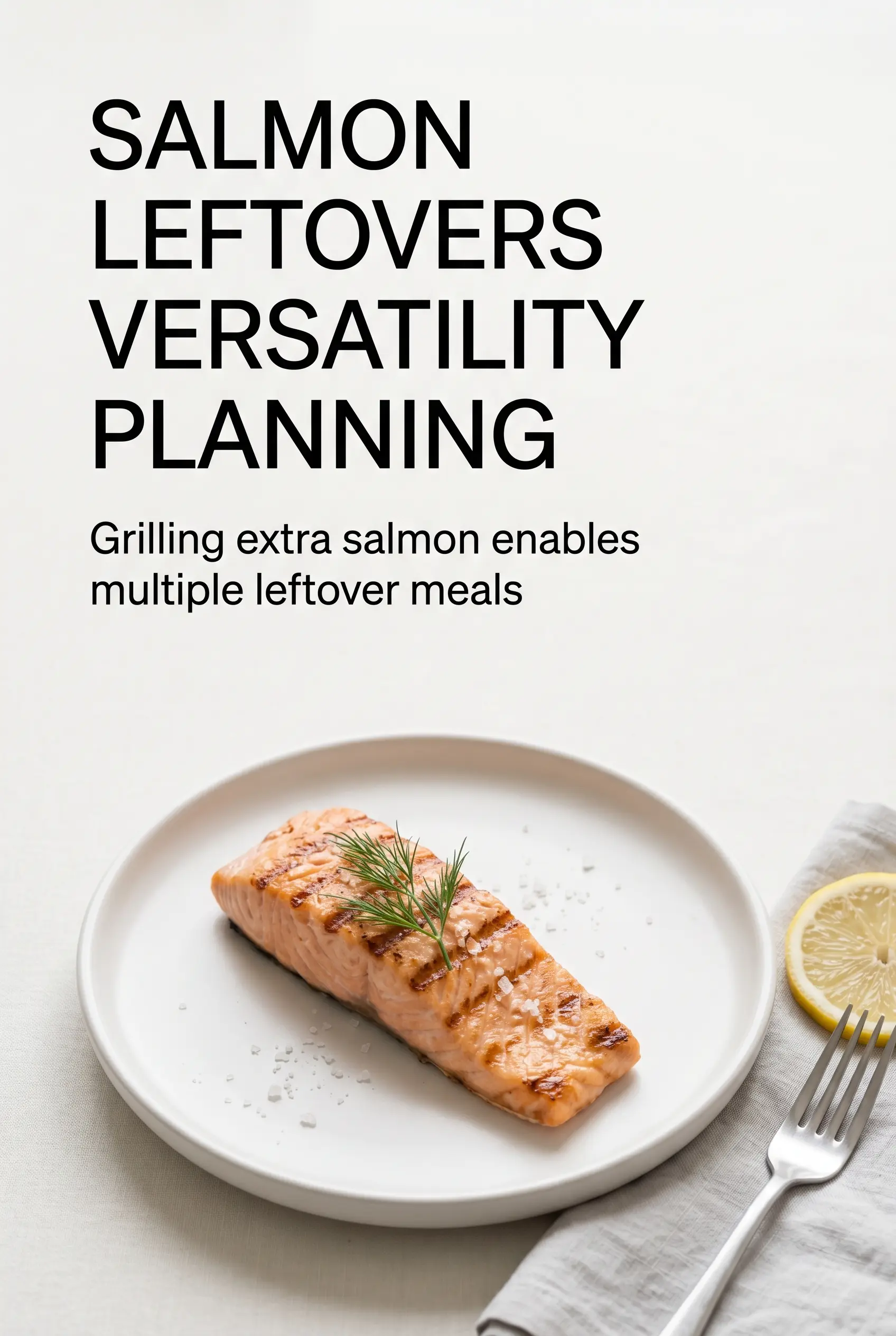
How To Make The Best Grilled Salmon
Ingredients
Equipment
Method
- Pat the salmon fillets dry and brush them with the olive oil, lemon juice, and minced garlic mixture.
- Season the salmon generously with salt and pepper, then let it sit for 15 minutes to marinate.
- Preheat the grill to medium-high and oil the grates well to prevent sticking.
- Place the salmon skin-side down on the grill and cook for 6-8 minutes without moving, until the skin is crisp and release is easy.
- Carefully flip the salmon and grill for 2-3 minutes more, until it reaches desired doneness of 145°F for medium.
- Serve the grilled salmon immediately with fresh dill and lemon wedges.