Tender, lemony Greek chicken earns its place in the dinner rotation because the marinade does the heavy lifting without turning the meat dry or fussy. The outside picks up a savory little char on the grill, while the inside stays juicy and bright with oregano, garlic, and lemon zest. It tastes like you worked a lot harder than you did.
The trick is balance. Lemon juice gives the chicken that classic Greek tang, but olive oil keeps the acid from tightening the meat too quickly. Fresh oregano brings a cleaner, greener punch than dried alone, and the lemon zest adds the part of the citrus flavor that juice can’t give you. A four-hour marinade is enough to season the chicken well, but overnight gives it the deepest flavor without making the texture mushy.
Below, I’ve included the timing that matters, the ingredient swaps that still keep the chicken juicy, and the little grill cue that tells you when to pull it off the heat before it goes dry.
The chicken grilled up juicy and the lemon-garlic marinade wasn’t overpowering at all. I let it go the full 4 hours and the flavor soaked in all the way through.
Save this juicy Greek chicken for the next time you want a lemon-oregano marinade that stays tender on the grill.
The Marinade Timing That Keeps Greek Chicken Juicy Instead of Stringy
Greek chicken can go wrong when the acid gets too much time with the meat. Lemon juice is bright and essential here, but if the chicken sits in it for too long without enough oil, the surface starts to tighten and take on a slightly mealy texture. The sweet spot is four to twenty-four hours, with bone-in pieces forgiving a longer soak than thin boneless cuts.
The grill matters just as much as the marinade. You want medium-high heat and a clean grate so the chicken sears instead of sticking. If the chicken is browning too quickly before the center reaches temperature, the fire is too hot. Pull it as soon as it hits 165°F, then let it rest so the juices settle back into the meat instead of spilling out onto the cutting board.
What the Lemon, Olive Oil, and Oregano Are Each Doing Here
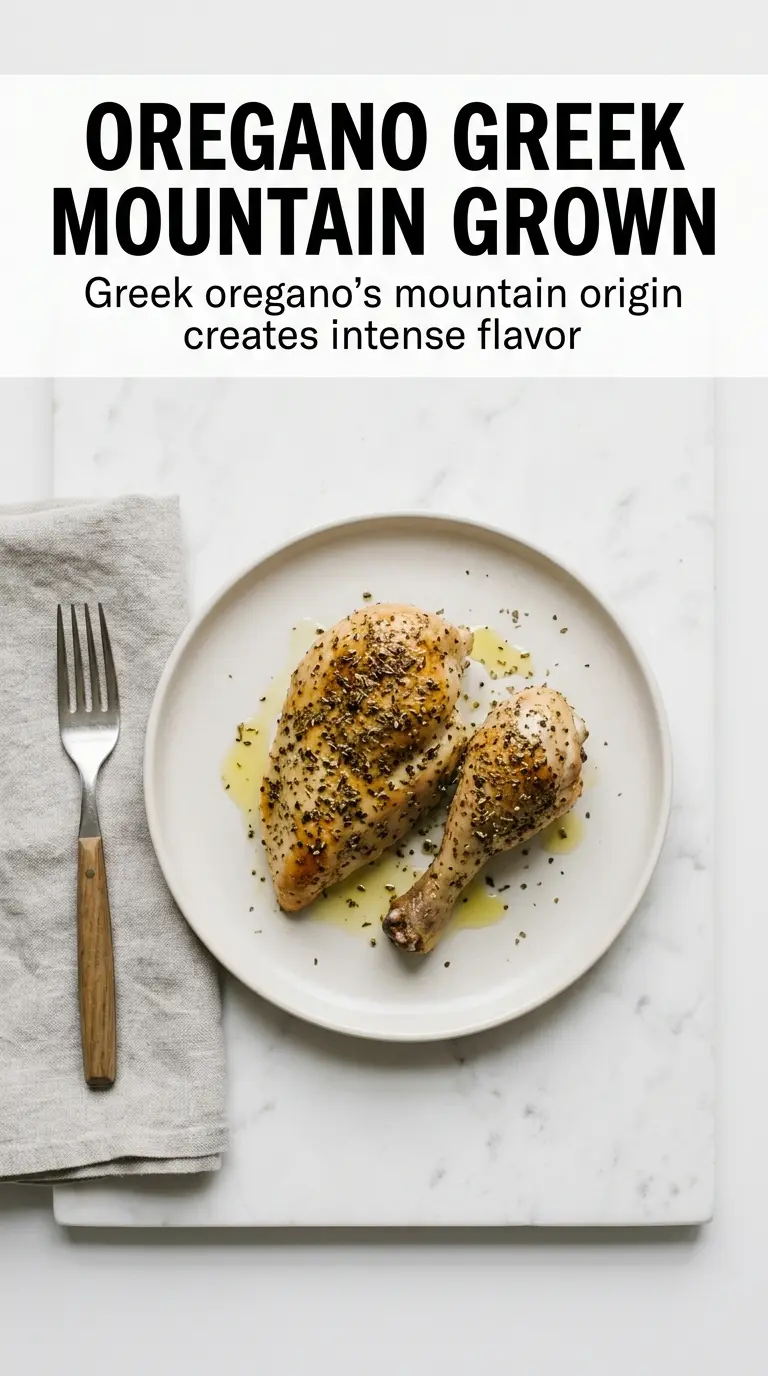
- Olive oil — This coats the chicken and cushions the lemon juice so the meat stays tender. Use a decent extra-virgin oil here because the flavor is front and center, not hidden under a sauce.
- Lemon juice and zest — Juice brings the tang; zest brings the aroma. If you skip the zest, the chicken still tastes good, but it loses that sharp, fragrant Greek finish that makes the marinade taste complete.
- Fresh oregano — Fresh oregano gives a greener, cleaner flavor than dried. Dried oregano still works well if that’s what you have; use half as much because dried herbs pack more intensity by volume.
- Garlic — Minced garlic perfumes the marinade and helps the surface of the chicken taste seasoned all the way through. Garlic powder won’t give the same punch, but it can stand in if you’re out of fresh cloves.
- Chicken pieces — Thighs stay juiciest on the grill, but this marinade works on breasts, drumsticks, or a mixed cut. If you use boneless breasts, watch the clock closely because they dry out faster than bone-in pieces.
Getting the Grill Marks Without Drying Out the Meat
Mixing the Marinade
Whisk the olive oil, lemon juice, zest, garlic, oregano, thyme, salt, and pepper until the mixture looks a little cloudy and emulsified. That tells you the oil and lemon are dispersed enough to coat the chicken evenly instead of separating into oily patches and sharp acidic spots. If the garlic sits in clumps, it won’t cling well, so break it up with the whisk before adding the chicken.
Marinating With Enough Time to Matter
Add the chicken and turn it until every piece is glossy and well coated. Cover and refrigerate for at least 4 hours, or up to 24 hours if the pieces are bone-in and not overly thin. If you go past a day, the lemon starts to work against the texture instead of for it, especially on boneless chicken.
Grilling Over the Right Heat
Set the grill to medium-high and let the grates get hot before the chicken goes on. You should hear a steady sizzle the moment it hits the grill, not a violent hiss or a weak whisper. Grill until the chicken releases more easily from the grate and the internal temperature reaches 165°F. If it sticks hard, it usually needs another minute; forcing it early tears the skin or leaves the surface behind.
Resting Before You Slice
Let the chicken rest for 5 minutes after grilling. That short pause keeps the juices where they belong instead of flooding out as soon as you cut in. If you slice immediately, the centers can look dry even when the chicken was cooked perfectly.
How to Adapt This for the Grill, the Oven, or a Dairy-Free Greek Plate
Oven-Baked Greek Chicken
Bake the marinated chicken at 425°F on a sheet pan until it reaches 165°F in the thickest part. You won’t get the same smoky grill char, but you’ll still get juicy meat and a better crust if you spread the pieces out instead of crowding them.
Boneless Breasts Instead of Mixed Pieces
Use boneless breasts if you want faster cooking, but shorten the marinade to 4 to 8 hours and watch the grill closely. They cook fast and dry out fast, so pull them the second they hit 165°F and rest them before slicing.
Dairy-Free Greek Dinner Bowl
The chicken itself is already dairy-free, so this version is about how you serve it. Pair it with rice, cucumbers, tomatoes, olives, and a drizzle of olive oil instead of yogurt sauce, and you still get a bright, complete meal without losing the Greek feel.
Storage and Reheating
- Refrigerator: Store cooked chicken in an airtight container for up to 4 days. It stays moist if you keep it whole rather than slicing it all at once.
- Freezer: Freeze cooked chicken for up to 2 months. Wrap tightly and thaw overnight in the refrigerator so the texture doesn’t go watery.
- Reheating: Reheat gently in a covered skillet over low heat with a splash of water or broth, or warm it in a 300°F oven. High heat is the mistake here; it pushes the juices out and makes the chicken tough.
Answers to the Questions Worth Asking

Juicy Greek Chicken
Ingredients
Equipment
Method
- Whisk olive oil, lemon juice, lemon zest, garlic, oregano, thyme, salt, and pepper in a bowl until well combined, glossy, and evenly fragrant.
- Place chicken pieces in a container and pour the marinade over them, turning to coat; cover and marinate for 4-24 hours in the refrigerator.
- Allow the marinated chicken to sit at refrigerator temperature while it marinates; keep covered so the surface stays moist and seasoned.
- Preheat your grill to medium-high heat, then grill the chicken until the internal temperature reaches 165°F, flipping as needed for even browning and visible grill marks.
- Once the chicken hits 165°F, transfer it off the heat so the juices stay trapped and the exterior doesn’t overcook.
- Let the chicken rest for 5 minutes before serving to keep it juicy and tender.