Citrus-marinated grilled chicken earns its place on the table when it lands with charred edges, juicy meat, and that bright Key lime finish that wakes everything up. This version keeps the marinade short and focused, so the fruit and garlic stay fresh instead of turning muddy on the grill. The honey helps the surface take on color, while the orange juice rounds out the sharper lime so the chicken tastes lively, not sharp.
The trick is balance. Too much acid for too long can tighten chicken and make the texture stringy, so the marinating window matters here. The grill also does important work: you want enough heat for browning, but not so much that the honey burns before the chicken cooks through. A quick rest after grilling lets the juices settle back into the meat.
Below, I’ve included the small details that make this recipe behave the way it should, plus a few simple ways to adapt it if you only have regular limes or want to change up the sides.
The marinade gave the chicken a bright citrus flavor without overpowering it, and the grill marks were perfect. I let it sit for 4 hours and the meat stayed juicy all the way through.
Save this Key West Grilled Chicken for the nights when you want citrusy grilled chicken with a clean Key lime finish.
The Marinade Window That Keeps the Chicken Tender
With a citrus marinade like this one, time matters more than people think. Key lime juice and orange juice bring brightness and flavor, but if the chicken sits in them too long, the surface proteins start to tighten and the texture goes from juicy to dry and a little chalky. Two to six hours is the sweet spot for this recipe. That gives the garlic, cumin, honey, and citrus enough time to season the meat without pushing it past tenderness.
The honey isn’t here just for sweetness. It helps the chicken pick up color on the grill, which is why the heat needs to be hot enough to brown but steady enough to cook the meat through before the sugars scorch. If the chicken is in a thick pile in the marinade, turn it once or twice so every piece gets exposed evenly.
What the Key Lime, Honey, and Cumin Each Bring to the Grill
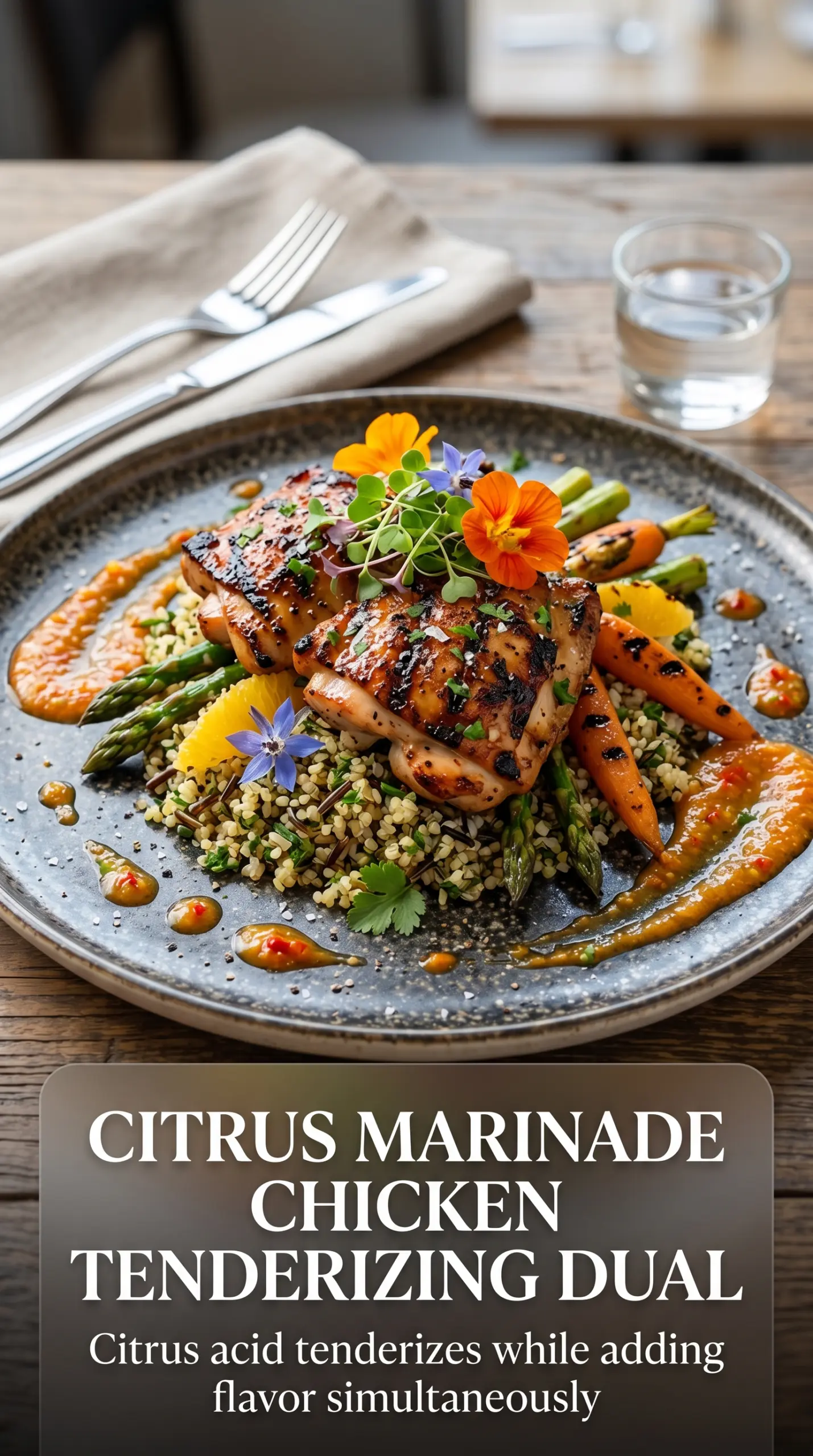
- Key lime juice — This is the sharp, unmistakable note that gives the chicken its Florida-style character. Regular lime works if that’s what you have, but Key lime brings a softer, more floral acidity. Bottled juice will work in a pinch, though fresh always tastes cleaner here.
- Orange juice — Orange juice smooths the lime and keeps the marinade from tasting one-dimensional. Use fresh-squeezed if you can, but no need to chase fancy juice for this one. Its job is to round out the edges and help the glaze-like finish on the grill.
- Honey — Honey helps the chicken brown and adds a light gloss after grilling. You need just enough to support the citrus, not enough to make the marinade sticky-sweet. If you swap in maple syrup, the flavor gets deeper and a little less tropical.
- Cumin — Cumin brings warmth underneath the citrus and keeps the marinade from tasting flat. It’s a small amount, but you notice it most after the chicken comes off the grill. Don’t skip it unless you want a much brighter, more direct citrus profile.
- Garlic — Fresh minced garlic gives the marinade backbone. Jarred garlic works in a rush, but it tastes harsher once grilled, so fresh is worth the extra minute of chopping.
Grilling It Hot Enough for Char Without Burning the Glaze
Whisking the Marinade Until It Looks Unified
Start by whisking the lime juice, orange juice, olive oil, garlic, honey, cumin, salt, and pepper until the honey is fully loosened and the mixture looks glossy. If the honey clings in streaks, it won’t coat the chicken evenly. The olive oil helps the marinade cling and gives the surface a little protection on the grill. This should smell bright, garlicky, and a little warm from the cumin.
Marinating for Flavor, Not for Days
Add the chicken pieces and turn them until every side is coated. Cover and refrigerate for 2 to 6 hours, not overnight. If the chicken sits too long in this much citrus, the texture can turn firm instead of tender. Give the bowl a flip once midway through if the chicken isn’t fully submerged in the marinade.
Grilling to 165°F Without Drying the Meat
Preheat the grill to medium-high and let the grates get hot before the chicken goes on. You want an immediate sizzle and defined grill marks, not sticking or gray steaming. Cook until the internal temperature reaches 165°F, turning once if needed so the outside gets color without overcooking the center. If the honey darkens too fast, move the chicken to a cooler part of the grill and finish it there.
Resting Before the First Slice
Let the chicken rest for 5 minutes after grilling. That short pause lets the juices settle, which keeps the meat from spilling out the moment you cut into it. Finish with cilantro and lime wedges so the herbs stay fresh and the extra squeeze of lime hits at the table instead of on the grill.
How to Adapt This for Different Grills, Diets, and Dinner Plans
Make It with Chicken Breasts
Chicken breasts work well here, but they dry out faster than pieces with more fat. Pound them to an even thickness so they cook at the same rate, and start checking early. Pull them the moment they hit 165°F and rest them before slicing so the citrus glaze doesn’t run out onto the board.
Use Regular Limes When Key Limes Aren’t Around
Regular lime juice gives you the same bright acidity, just with a slightly sharper edge. That’s where the orange juice matters most, because it softens the bite and keeps the marinade balanced. The result is still distinctly citrusy and works beautifully if Key limes aren’t available.
Make It Dairy-Free and Naturally Gluten-Free
This recipe already fits both dairy-free and gluten-free eating as written, which makes it easy to serve a mixed crowd. Just check any side dishes or seasoning blends you serve with it. The chicken itself gets all the flavor from the marinade and the grill, not from butter or breading.
Storage and Reheating
- Refrigerator: Store leftovers in an airtight container for up to 4 days. The citrus flavor stays nice, but the outside loses some of its fresh-grilled edge.
- Freezer: Freeze cooked chicken for up to 2 months. Wrap it well and thaw in the refrigerator so it reheats evenly instead of drying out.
- Reheating: Reheat gently in a covered skillet over low heat with a splash of water or chicken broth, or warm it in a 300°F oven until just heated through. High heat is the mistake here; it turns the lean meat stringy before the center is warm.
Answers to the Questions Worth Asking

Key West Grilled Chicken
Ingredients
Equipment
Method
- Whisk together Key lime juice, orange juice, olive oil, garlic, honey, cumin, salt, and pepper until smooth and evenly combined. The mixture should look glossy and pourable.
- Add chicken pieces to the marinade and turn to coat completely. Marinate for 2-6 hours in the refrigerator, turning once if possible for even flavor.
- Preheat the grill to medium-high heat, then grill chicken until it reaches an internal temperature of 165°F. Cook with the lid closed as much as possible, looking for charred grill marks and juices running clear.
- Let the grilled chicken rest for 5 minutes before serving. Garnish with Fresh cilantro and lime wedges for a bright tropical finish.