Libby’s pumpkin cookies bake up soft, cakey, and fragrant with cinnamon, nutmeg, cloves, and allspice, then finish with a vanilla icing that sets just enough to keep each bite neat. They’re the kind of cookie that tastes familiar on the first bite and then keeps getting better as the spices bloom and the pumpkin settles into the crumb. The texture sits right in that sweet spot between a drop cookie and a frosted tea cake, which is exactly why they disappear fast.
The trick with this style of pumpkin cookie is keeping the batter light enough to scoop while still giving the cookies enough structure to hold their shape. Pumpkin adds moisture without much fat, so the butter and sugar need a good beating at the start, and the flour goes in only until the dough comes together. Overmix it and you’ll get tougher cookies; underbake them and they’ll seem puffy in the oven but collapse as they cool.
Below, I’ve included the detail that matters most for soft pumpkin cookies, plus a few swaps and storage notes that help if you want to frost them ahead or bake them a day before serving.
The cookies stayed soft for days, and the frosting set up enough that I could stack them without a mess. The cinnamon on top made them taste like the classic pumpkin cookies I remember.
Save these soft Libby’s pumpkin cookies for the days when you want a thick, frosted cookie with warm spice and a tender crumb.
The Part That Keeps These Cookies Soft Instead of Dense
Most pumpkin cookies turn heavy because the batter gets overworked or the pumpkin-to-flour balance gets pushed too far toward dough. Here, the butter and sugar are beaten first so the cookies have some lift before the pumpkin goes in. That matters because pumpkin brings moisture, not structure, and it can make the dough look looser than you expect.
The other detail that saves the texture is stopping the bake when the centers look set but still soft. They finish on the pan as they cool, and that extra minute in the oven is the difference between a tender cookie and one that goes dry by the next day. If the tops lose their glossy, wet look and spring back lightly when touched, they’re ready.
- Pumpkin purée — Use plain pumpkin purée, not pumpkin pie filling. The canned version gives the most even moisture and the same result every time.
- Warm spices — Cinnamon, nutmeg, cloves, and allspice give these cookies their classic Libby’s character. Fresh spices matter here; if yours have been open for years, the cookies will taste flat even if the texture is right.
- Butter — Softened butter beats in air and keeps the crumb lighter. Melted butter changes the texture and makes the cookies spread more than they should.
- Powdered sugar icing — This is more than decoration. It adds sweetness and a soft finish that balances the spice, and milk is the easiest way to thin it to a drizzle or spreadable glaze.
What Each Ingredient Is Actually Doing in This Recipe
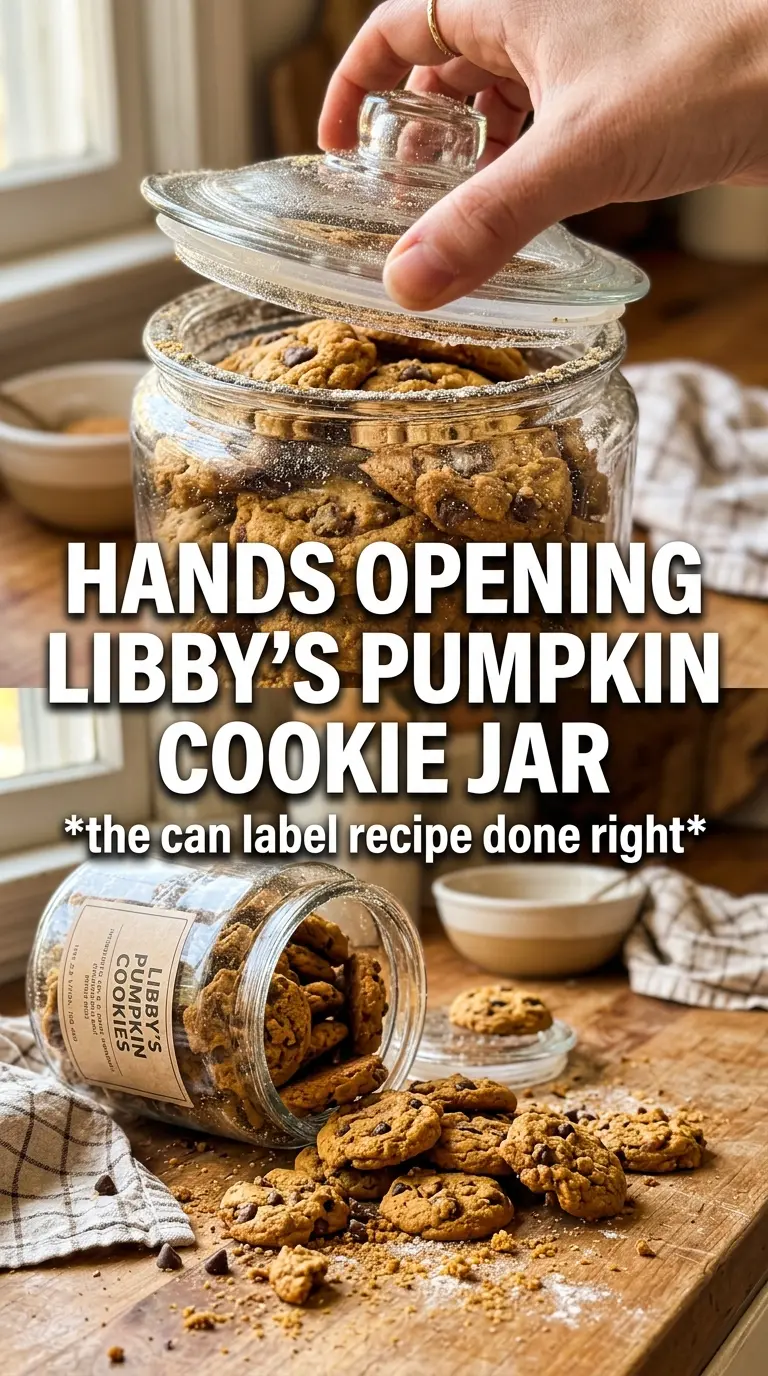
- Primary ingredient (the star) — Quality matters most. Choose the best you can find.
- Cooking medium (oil, butter, or broth) — This carries flavors and prevents dryness.
- Seasonings (salt, pepper, spices, herbs) — Layer flavors so nothing overpowers. Build depth gradually.
- Aromatics (garlic, onion, herbs) — Cook with fat to bloom flavors. Become the foundation.
- Supporting ingredients — Complement the main ingredient without overpowering it.
- Sauce or liquid (if applicable) — Brings flavors together. Balance richness with acid.
- Acid (lemon, vinegar, wine, or other) — Brightens and prevents flat-tasting results.
- Final finish (garnish, glaze, or sauce) — Prevents one-dimensional taste and adds visual appeal.
How to Mix the Dough So the Cookies Stay Tender
Whipping the Butter and Sugar First
Beat the butter and granulated sugar until the mixture looks pale and a little fluffy. You’re not trying to cream it for ages; you just want it lighter in color and texture so the cookies have some body. If the butter is too cold, the mixture stays grainy and won’t trap air well. If it’s melted, the cookies will spread into flatter, softer rounds.
Adding the Pumpkin Without Breaking the Batter
Once the butter mixture is ready, mix in the pumpkin, egg, and vanilla until the batter looks smooth and even. It may look slightly curdled for a moment, and that’s normal as the pumpkin loosens the mixture. Keep going until it comes back together before adding the flour. This is the point where rushing can make the batter look separated and scare you into overmixing later.
Folding in the Dry Ingredients Just Until Combined
Whisk the flour with the leaveners and spices before adding them, then fold it in on low speed or by hand until no dry streaks remain. The dough should be thick and soft, not stiff like a roll-out cookie dough. If you keep mixing after the flour disappears, the cookies can turn a little tough and lose that cakey tenderness that makes them special.
Baking Until the Tops Set
Drop the dough by tablespoons onto lined baking sheets and bake at 350F until the edges look set and the centers no longer look wet, usually 10 to 12 minutes. The cookies should still feel soft if you nudge one with a fingertip. Pulling them when they look just barely done is the key to keeping them pillowy after cooling.
How to Adapt These Pumpkin Cookies Without Losing the Classic Texture
Dairy-Free Version
Use a plant-based butter that comes in stick form for the cookie dough and the icing. Tub spreads can contain too much water, which changes how the cookies bake and makes the glaze thin and slippery instead of smooth.
Gluten-Free Swap
Replace the all-purpose flour with a cup-for-cup gluten-free blend that includes xanthan gum. The cookies will still be soft, but they may bake up a touch more delicate, so let them cool fully on the pan before moving them.
Less Sweet, More Spice
Reduce the icing to a thin drizzle instead of a full spread if you want the spice to lead. You can also add a little extra cinnamon to the dough, but don’t increase the cloves much or they’ll overpower the pumpkin.
Make Them Ahead
Bake the cookies a day ahead and frost them once they’re fully cool. That gives you the softest texture and keeps the icing from sinking into warm cookies. These also hold their shape well once glazed, which makes them a good choice for parties or cookie trays.
Storage and Reheating
- Refrigerator: Store in an airtight container for up to 5 days. The cookies stay soft, though the icing will firm up a bit.
- Freezer: Freeze the unfrosted cookies for up to 2 months. Layer them with parchment and thaw at room temperature before glazing.
- Reheating: These don’t need reheating, but if you want that fresh-baked feel, let a cookie sit at room temperature for 20 to 30 minutes after thawing. Don’t microwave frosted cookies or the icing will melt and slide.
Questions I Get Asked About This Recipe
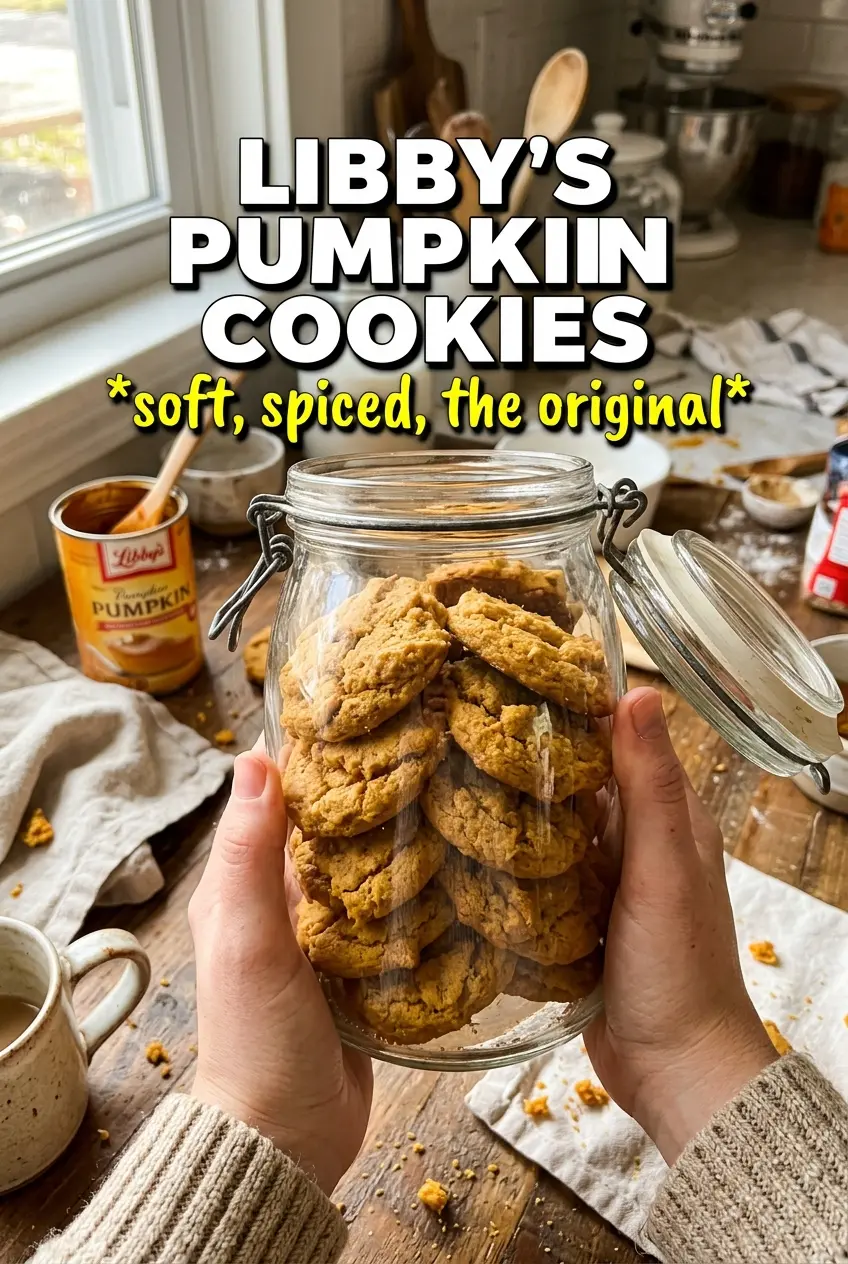
Libby's Pumpkin Cookies
Ingredients
Equipment
Method
- Preheat the oven to 350F, then line baking sheets with parchment or silicone liners for easy release.
- Whisk together the all-purpose flour, baking soda, baking powder, cinnamon, nutmeg, cloves, allspice, and salt until the spices are evenly distributed.
- Beat the unsalted butter, softened with the granulated sugar until fluffy.
- Add Libby's 100% Pure Pumpkin, the large egg, and vanilla extract, and beat until smooth and well combined.
- Fold the flour mixture into the pumpkin mixture until just combined, with no dry streaks.
- Drop the dough by tablespoons onto the lined baking sheets, spacing them apart for spreading.
- Bake at 350F for 10-12 minutes, until the cookies look set at the edges.
- Cool completely on the baking sheets before icing so the topping stays smooth.
- Whisk powdered sugar, milk, melted butter, and vanilla until smooth and drizzleable.
- Drizzle or spread the icing over each cookie, then dust with cinnamon.