Make ahead breakfast burritos hit the sweet spot between practical and satisfying: a warm tortilla wrapped around fluffy eggs, savory sausage, melted cheese, and just enough potato to keep every bite filling. The best part is that they freeze cleanly and reheat without turning soggy when you build them the right way. That means breakfast is already handled on the mornings when you’ve got no interest in standing at the stove.
This version works because the filling is cooked just enough to be sturdy before it ever hits the tortilla. Scrambled eggs that are softly set, sausage that’s fully browned, and hash browns that aren’t wet all matter here. Salsa adds flavor, but it needs to be used with a light hand so the burritos stay tight and don’t leak during freezing.
Below, I’ll walk through the small details that keep these burritos from cracking, getting watery, or falling apart after they’ve been frozen. There’s also a few practical notes on swaps and reheating so they work just as well from your freezer as they do over a campfire.
I finally got breakfast burritos that didn’t turn soggy after freezing. The tortillas stayed intact, and reheating them on the grill worked exactly like you said — the cheese melted all the way through without the filling drying out.
Freeze these breakfast burritos for grab-and-go mornings, camping trips, and no-stress reheating later.
The Reason These Burritos Freeze Without Turning Watery
The biggest mistake with freezer burritos is packing them with filling that still has too much moisture. Eggs, salsa, and potatoes all bring water into the wrap, and when that water freezes and thaws, the tortilla softens and tears. The fix is simple: cook the eggs just until set, drain the sausage well, and use salsa sparingly so it seasons the filling instead of soaking it.
Warm tortillas matter too. A cold flour tortilla splits the second you try to roll it tight, and a burrito that isn’t sealed well will unravel in the freezer. Give the tortillas a quick warm-up so they bend without fighting you, then roll with firm pressure so the seam stays put.
What Each Filling Is Doing Inside the Wrap
- Flour tortillas — Large burrito-size tortillas are the only choice here if you want a tight roll without tearing. Smaller tortillas will split or overfill too quickly. If yours feel stiff, warm them in a dry skillet or microwave them under a damp paper towel for a few seconds until flexible.
- Eggs — Soft scrambled eggs stay tender after freezing, but they shouldn’t be runny. Pull them off the heat while they still look slightly underdone because they’ll finish setting as they sit. Overcooked eggs turn dry and crumbly after reheating.
- Breakfast sausage — This gives the burritos their savory backbone. Cook it fully and drain excess fat so the filling doesn’t make the tortilla greasy. Ground turkey sausage works too if you want a lighter version, but it will taste leaner and less rich.
- Mexican cheese blend — This melts into the filling and helps everything hold together. Pre-shredded cheese is fine here, though freshly shredded melts a little smoother. Don’t cut the amount too much or the burritos won’t bind as well when reheated.
- Hash browns — These add body and keep the burritos from feeling flat. Cook them until they’re dry and lightly browned, not soft and steamy. Wet potatoes are the fastest way to end up with a soggy burrito.
- Salsa — Use it for flavor, not volume. A small amount goes a long way, and too much will make the filling slip around. Thick salsa works better than thin salsa because it coats without pooling.
Rolling, Wrapping, and Freezing So They Hold Together
Build the Filling in a Dry Pan
Scramble the eggs just until they’re set and still glossy, then let them cool for a few minutes before assembling. If the filling is hot, steam will build inside the tortilla and make the wrap slippery. Keep the sausage and hash browns drained and dry, because any extra grease or moisture shows up later as a soft seam or a soggy bottom.
Warm the Tortillas Before You Fill Them
Heat each tortilla until it bends easily without cracking. A cold tortilla fights the roll and usually tears near the seam or the fold-in points. Stack them under a clean towel as you work so they stay pliable while you assemble the burritos.
Roll Tight and Keep the Seams Down
Spoon the filling into the center of each tortilla, leaving enough space at the edges to fold cleanly. Fold in the sides first, then roll forward firmly so the burrito is compact and even. If you overfill them, the ends will burst open before they ever make it to the freezer.
Wrap for the Freezer, Not Just the Fridge
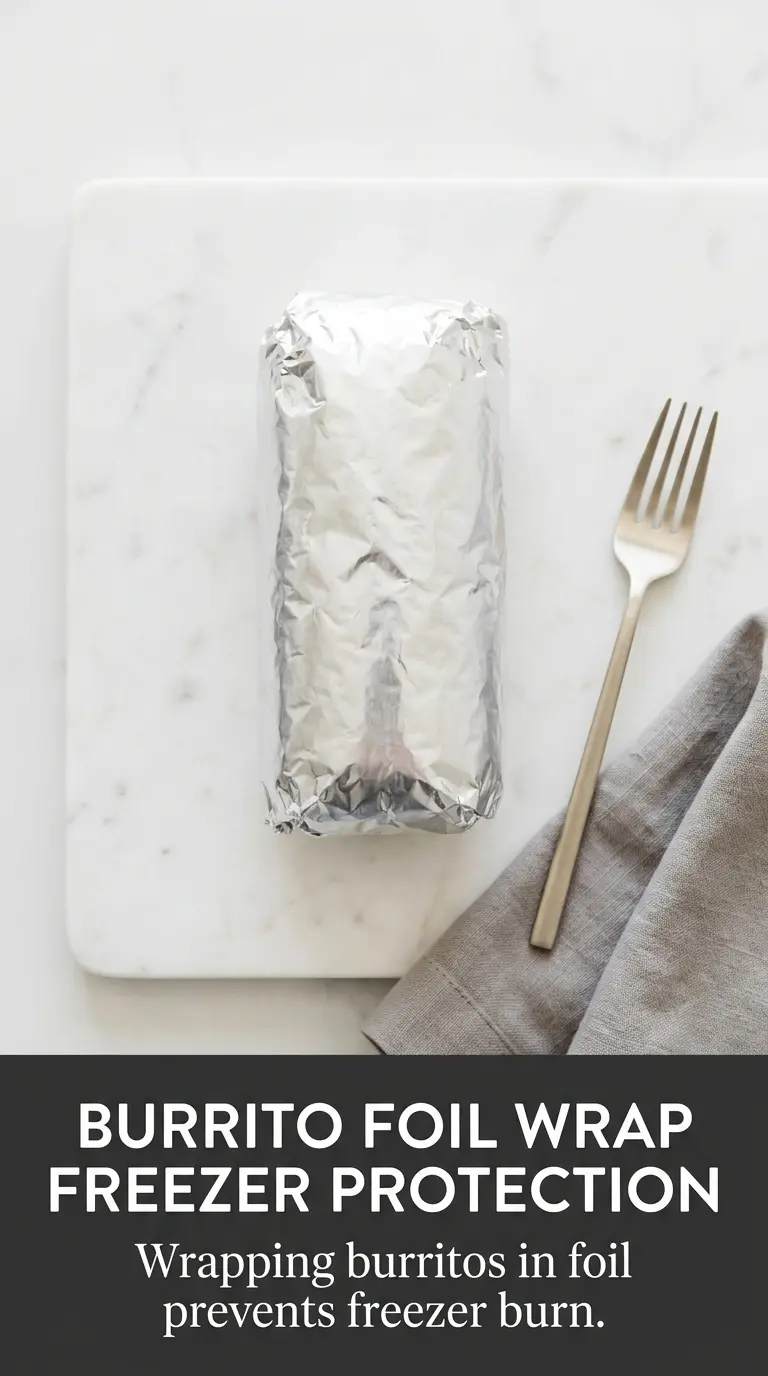
Wrap each burrito individually in foil or plastic wrap so they freeze in a neat, protected shape. Foil is best if you plan to reheat them on a grill or over camp heat. For longer freezer storage, add a second layer in a freezer bag so they don’t pick up freezer burn.
Three Ways to Make These Burritos Fit Your Routine
Vegetarian breakfast burritos
Swap the sausage for black beans, sautéed peppers, or a plant-based breakfast crumble. Beans add a softer, creamier bite while keeping the burrito filling and freezer-friendly. Drain and cool any vegetables well so they don’t water down the eggs.
Gluten-free filling bowls
If you need a gluten-free version, serve the filling in bowls or use certified gluten-free tortillas if you can find large ones that roll well. The filling itself is naturally gluten-free as long as your sausage and salsa are checked for additives. Bowls reheat beautifully and skip the risk of a torn wrap.
Campfire reheating
Foil-wrapped burritos can go straight onto a grill grate or over camp heat until warmed through, turning them occasionally so the outside doesn’t scorch before the center heats. This method gives you a lightly crisp tortilla and melted cheese without needing a skillet. If the fire is hot, set them near the edge of the grate instead of directly over the flame.
Storage and Reheating
- Refrigerator: Keep assembled burritos for up to 3 days. The tortilla softens a little, so they’re best when reheated in a skillet or wrapped in foil in the oven.
- Freezer: Freeze for up to 3 months. Wrap each burrito tightly, then store them in a freezer bag so they stay compact and don’t dry out.
- Reheating: For the best texture, reheat from frozen in foil on a grill, in a 375°F oven, or in a skillet over low heat with a lid. The biggest mistake is blasting them on high heat, which burns the tortilla before the center is hot.
Answers to the Questions Worth Asking
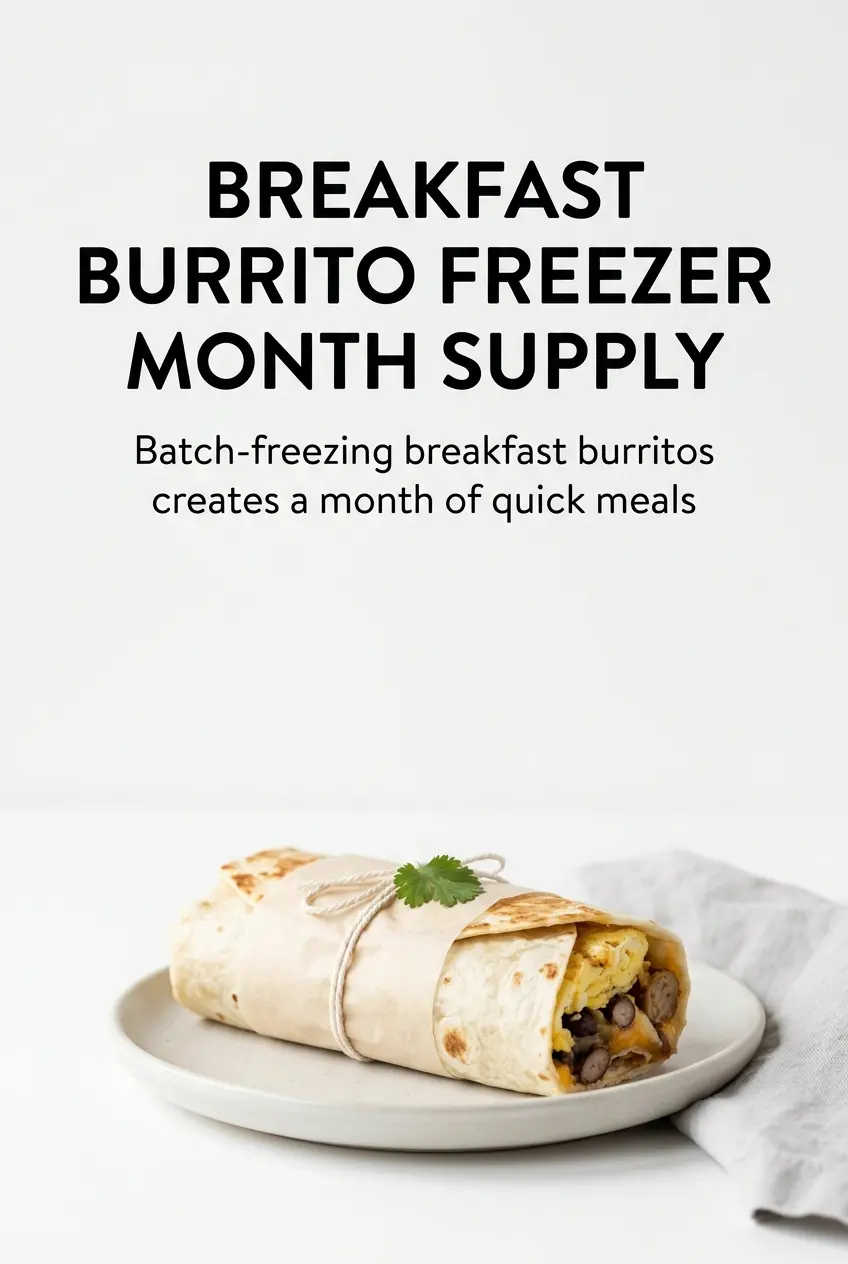
Make Ahead Breakfast Burritos
Ingredients
Equipment
Method
- Scramble the eggs and season with salt and pepper, stirring until softly set, about 8-10 minutes in a cast iron skillet over medium heat (about 350°F if using a thermometer). You should see curds that look moist but no longer runny.
- Warm the tortillas to make them pliable, heating 20-30 seconds per side on a dry sheet pan in a 350°F oven or until flexible. They should feel soft and bend without cracking.
- Cook and crumble the breakfast sausage until browned and cooked through, about 10 minutes in the same skillet over medium-high heat (about 375°F), then let it cool slightly. The pieces should be crumbly for even filling.
- Fill each tortilla with scrambled eggs, cooked and crumbled sausage, cooked hash browns, shredded Mexican cheese blend, and salsa. Distribute evenly so each burrito has a balanced bite.
- Fold in the sides and roll each tortilla tightly into a burrito, keeping the seam down. The wrap should hold the filling without gaps.
- Wrap each burrito individually in aluminum foil or plastic wrap. Press lightly so the wrap adheres and the burritos freeze with a neat shape.
- Freeze the wrapped burritos for up to 3 months. Stack them once fully firm so they take up less space and reheat evenly.
- To reheat, unwrap the foil or plastic wrap and place a burrito on a grill grate. Grill for 10-15 minutes, turning occasionally, until hot throughout and the cheese is melted.