Meatloaf meatballs deliver the same savory, nostalgic flavor as a classic loaf, but with more caramelized edges and a glossy ketchup glaze on every bite. They bake up tender in the center, hold their shape well, and hit that sweet-salty spot that makes people go back for seconds without thinking about it.
The trick is treating the mixture like meatloaf, not like a dense Italian-style meatball. Grated onion melts into the beef, breadcrumbs and milk keep the texture soft, and the meat gets mixed just until it comes together. That keeps the finished meatballs juicy instead of compacted, which matters even more when you’re glazing them before they go into the oven.
Below, I’ve included the small details that keep the glaze from sliding off and the meatballs from drying out, plus a few smart swaps if you need to adjust the recipe for what’s in your kitchen.
The glaze browned on top without burning, and the grated onion kept the meatballs tender all the way through. My husband asked if I could put these on the dinner rotation.
Save these meatloaf meatballs for a weeknight dinner with sticky ketchup glaze and classic comfort-food flavor.
The Small Change That Keeps Meatloaf Meatballs Tender
Meatballs made from beef can go tough fast when they’re mixed like bread dough. The goal here is to blend the ingredients just enough that the eggs, milk, and breadcrumbs disappear into the meat, but not so much that the proteins tighten up. Once that happens, you get springy meatballs instead of soft ones.
Grated onion does a lot of work in this recipe. It spreads flavor through the mixture without leaving crunchy bits behind, and it brings enough moisture to keep the meatballs from baking up dry. Worcestershire sauce adds the deep savory note people expect from meatloaf, while the ketchup glaze gives you the sweet-tangy finish that makes the whole pan taste finished.
What Each Ingredient Is Doing in the Pan
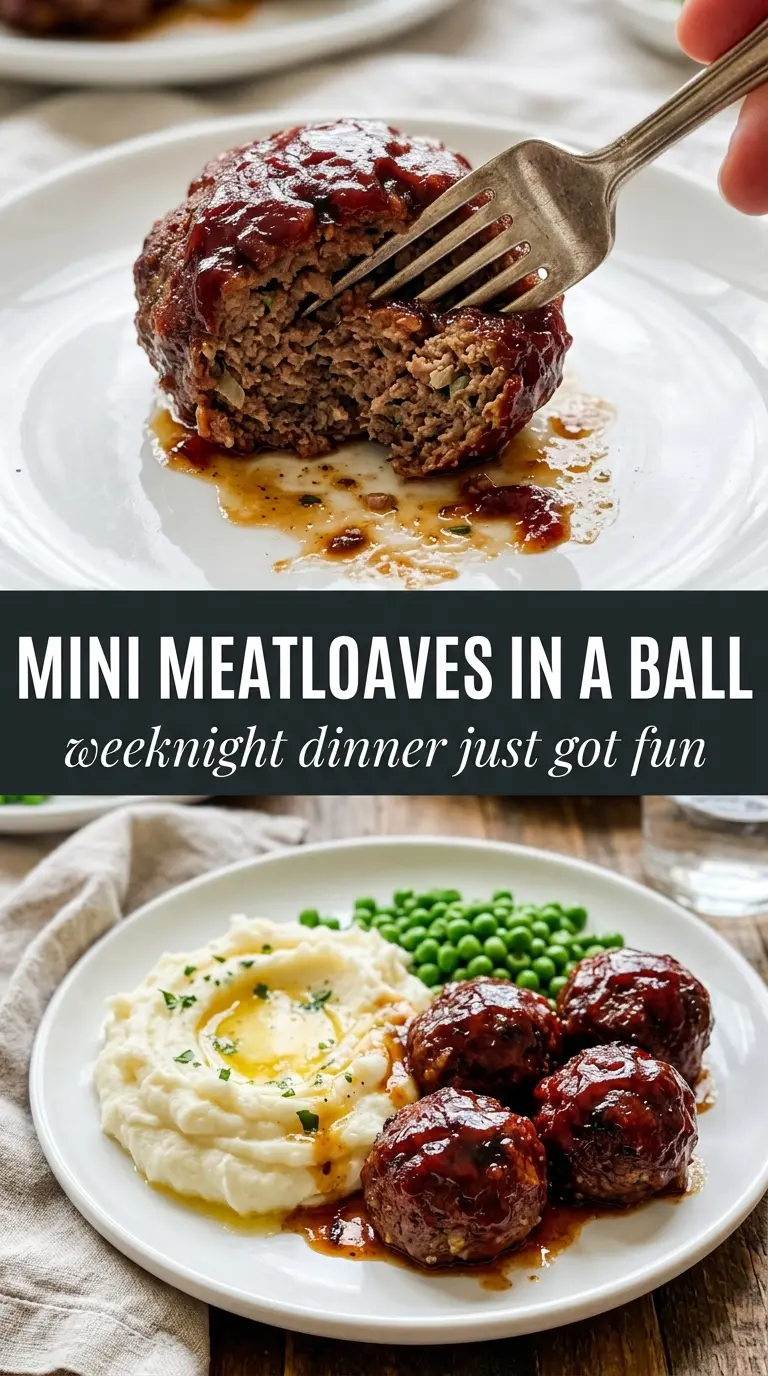
- Ground beef — Use 80/20 if you can. That little bit of fat keeps the meatballs juicy and helps carry the meatloaf flavor. Leaner beef works, but the texture will be drier and the glaze won’t have quite the same rich finish.
- Breadcrumbs, eggs, and milk — This is the binder trio. Breadcrumbs soak up the milk, the eggs set the mixture, and together they keep the meatballs tender instead of crumbly. If you need a swap, crushed saltines or gluten-free breadcrumbs both work.
- Grated onion and garlic — Grated onion melts into the mixture and seasons it from the inside out. Minced garlic gives the meatballs that familiar meatloaf backbone. If you only have onion powder, the flavor will be flatter, so keep the grated onion if at all possible.
- Worcestershire sauce — This is the shortcut to that deep, savory meatloaf taste. It adds a little tang and umami that you can’t fully replace with salt alone.
- Ketchup, brown sugar, and mustard — The glaze should taste sweet, sharp, and just a little sticky before it goes on the meatballs. Brown sugar helps it caramelize in the oven, while mustard keeps it from tasting flat.
How to Bake the Glaze Without Drying Out the Meatballs
Mixing the Meat Just Until It Comes Together
Combine the beef, breadcrumbs, eggs, milk, onion, garlic, Worcestershire, and seasonings in a large bowl, then stop as soon as everything looks evenly distributed. The mixture should feel soft and a little loose, not packed tight. If you keep working it, the meatballs turn dense in the oven, and that’s the quickest way to lose the meatloaf texture you’re after.
Shaping for Even Browning
Roll the mixture into golf ball-sized portions and set them on a parchment-lined baking sheet with a little space between each one. That spacing matters because the glaze needs direct oven heat to caramelize. If the meatballs are crowded, they steam instead of browning and you’ll miss the sticky edges that make this recipe work.
Glazing Before the Bake
Stir the ketchup, brown sugar, and mustard together until smooth, then brush it generously over each meatball. A thicker layer on top is what gives you that glossy, browned cap. If the glaze seems to slide off, the meatballs are probably too wet from overmixing or the brush stroke is too heavy; a thin, even coat stays put better than a puddle.
Finishing in the Oven
Bake at 400°F until the meatballs are cooked through and the tops look caramelized, usually 18 to 22 minutes. The glaze should darken and tighten, and the centers should no longer feel soft and raw when pressed. If you pull them too early, the middle stays pale and bouncy; if you overbake them, the beef loses its juiciness before the glaze has a chance to shine.
How to Adapt These Meatloaf Meatballs for Different Tables
Gluten-Free Meatloaf Meatballs
Swap in gluten-free breadcrumbs or crushed gluten-free crackers in the same amount. The structure stays the same, but gluten-free crumbs can absorb a little differently, so stop mixing as soon as the meat looks evenly coated. The finished meatballs still hold together well and keep the same soft, sliceable bite.
Dairy-Free Version
Use an unsweetened, plain non-dairy milk instead of dairy milk. Oat milk is the closest match here because it has a mild flavor and enough body to moisten the crumbs without making the mixture watery. Don’t use anything heavily flavored or sweetened, or the glaze will fight with it.
Turkey Meatloaf Meatballs
Ground turkey works, but it needs the moisture help from the onion and milk even more than beef does. Use the same glaze, and watch the baking time closely because turkey dries out faster. The flavor stays classic, but the result is a little lighter and less rich.
Storage and Reheating
- Refrigerator: Store leftovers in an airtight container for up to 4 days. The glaze will set up more firmly as it chills, which is normal.
- Freezer: These freeze well. Cool completely, then freeze on a tray before moving them to a container or bag so they keep their shape. The glaze may dull a little after thawing, but the flavor holds up.
- Reheating: Warm them covered in a 325°F oven until heated through, or microwave in short bursts with a splash of water or extra glaze. High heat is the mistake here; it dries out the beef and makes the glaze sticky in the wrong way.
Answers to the Questions Worth Asking
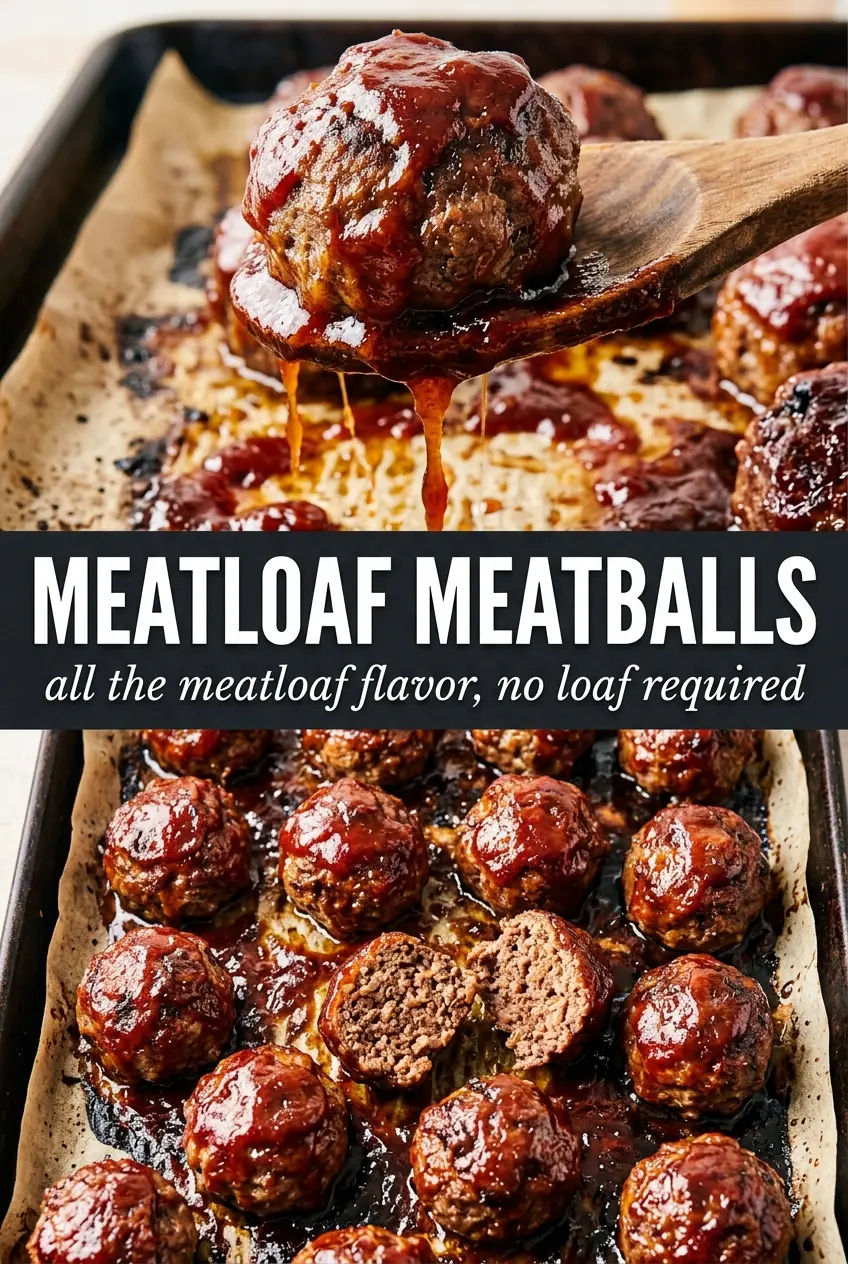
Meatloaf Meatballs
Ingredients
Equipment
Method
- Preheat the oven to 400°F and line a sheet pan with parchment for easy cleanup and even browning.
- Combine the ground beef, breadcrumbs, eggs, milk, grated onion, minced garlic, Worcestershire sauce, garlic powder, onion powder, and salt and pepper until just mixed—do not overwork the meat.
- Roll the mixture into golf ball-sized balls (about 1.5 inches) and place them on the baking sheet with space between each one.
- Mix the ketchup, brown sugar, and mustard, then brush generously over each meatball so the glaze can caramelize.
- Bake at 400°F for 18–22 minutes until the meatballs are cooked through and the glaze is caramelized.
- Serve with extra glaze or over mashed potatoes to soak up the sticky topping.