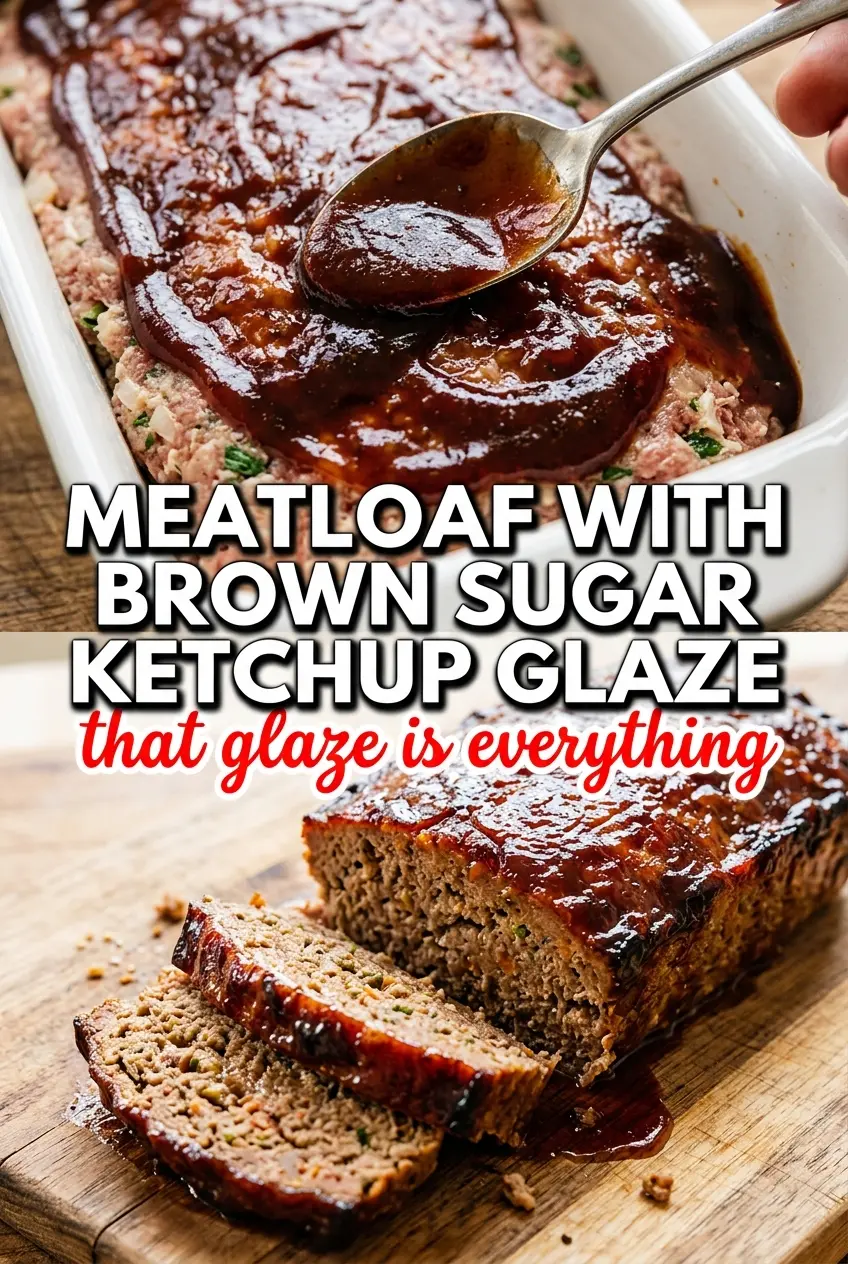
Meatloaf earns its place in the dinner rotation when it slices cleanly, stays juicy, and carries a glaze that turns sticky and burnished at the edges. The best version isn’t dry or bland under a pile of ketchup. It tastes like seasoned beef held together just enough, with a sweet-tangy top that cracks a little when you cut into it.
The trick is keeping the mixture tender without making it mushy. Soaked breadcrumbs bring moisture, grated onion disappears into the loaf and seasons it all the way through, and a light hand with mixing keeps the texture from turning dense. The glaze goes on in two rounds, which gives it time to caramelize instead of just sliding off into a thin layer.
Below, I’ll show you the small details that make this classic meatloaf worth repeating, plus the substitutions and storage notes that come up most often.
The glaze got that sticky, caramelized edge I never seem to get with other meatloaf recipes, and the inside stayed tender instead of heavy. I used a loaf pan just like you suggested and it sliced perfectly after resting.
Love the sticky brown sugar ketchup glaze and tender classic meatloaf slices? Save this one for the nights when you want a nostalgic main dish that actually delivers.
The Reason Meatloaf Gets Dense Before It Ever Reaches the Oven
Most meatloaf turns heavy for one reason: it gets worked like bread dough. Once ground beef is packed too tightly, the proteins bind up and the finished loaf eats like a brick. This version stays softer because the breadcrumbs soak in milk first, then everything is mixed only until the ingredients hold together.
The other detail that matters is the loaf pan. It shapes the meatloaf neatly and helps it bake up evenly, but it also means the top stays flatter, which is exactly what you want for that thick ketchup glaze. If the mixture looks a little loose when it goes into the pan, that’s fine. It firms as it bakes and slices better after a proper rest.
What Each Ingredient Is Doing in the Loaf and the Glaze
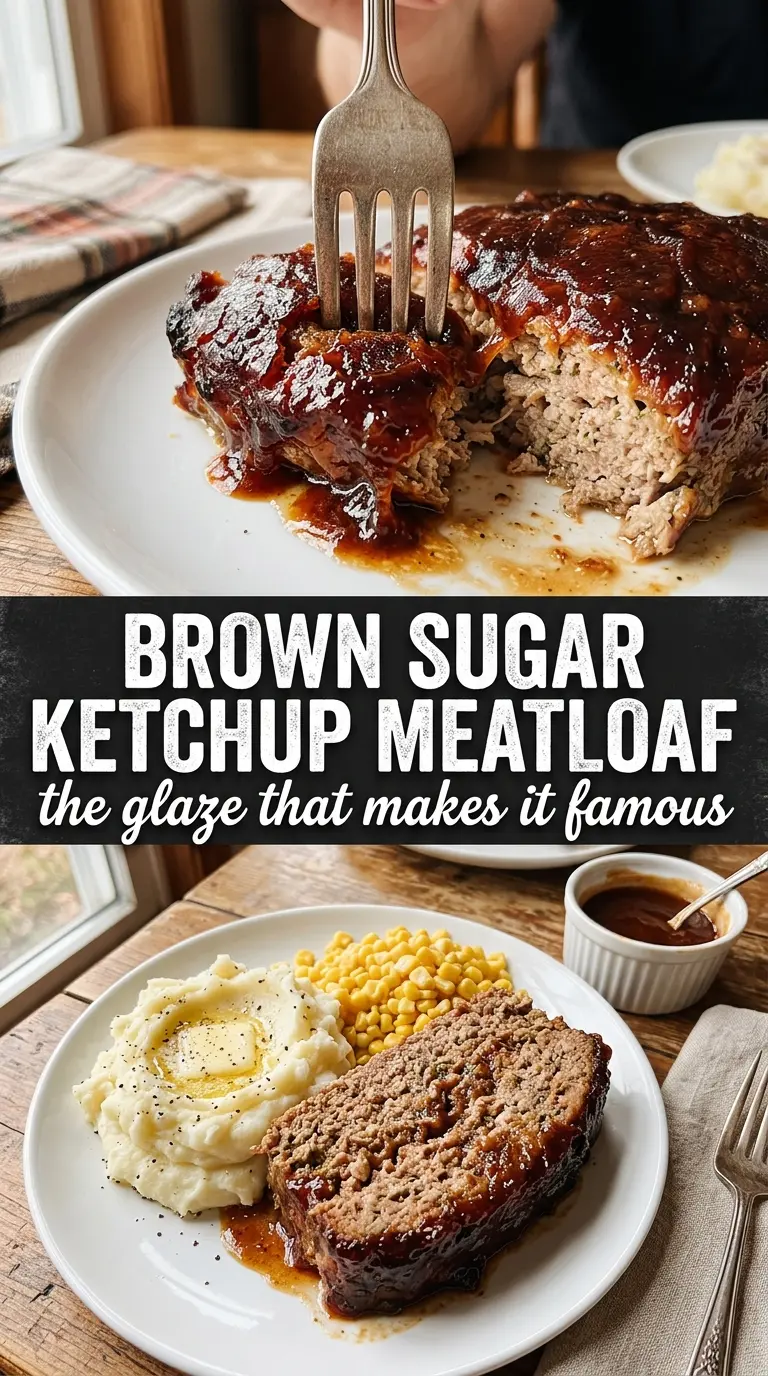
- Ground beef (80/20) — This fat level gives you flavor and enough richness to keep the loaf juicy. Leaner beef can work, but the texture gets drier and the loaf needs more careful handling to stay tender.
- Plain breadcrumbs and milk — This is the binder that keeps the meatloaf from turning crumbly without making it tight. Let the breadcrumbs sit in the milk for the full 3 minutes so they soften before they go into the beef.
- Grated onion — Grating instead of chopping matters here. It melts into the mixture, seasons every bite, and adds moisture without leaving hard onion pieces behind.
- Worcestershire sauce — It brings the savory backbone that makes meatloaf taste seasoned all the way through. There isn’t a perfect swap for its depth, but in a pinch you can use soy sauce for the saltiness and some of the umami.
- Brown sugar ketchup glaze — Ketchup gives the familiar tang, brown sugar gives the caramel edge, and apple cider vinegar keeps it from tasting flat or candy-sweet. The vinegar is the part that makes the glaze taste balanced once it hits the hot oven.
How to Build the Loaf So It Stays Tender and Glazes Cleanly
Soaking the Breadcrumbs First
Start by mixing the breadcrumbs with milk and letting them sit for a few minutes before anything else goes in. They should look swollen and soft, not dry and sandy. That step protects the final texture because dry crumbs pull moisture from the beef as it bakes. If you skip it, the loaf can taste tight in the center.
Mixing Without Overworking
Add the beef, eggs, onion, garlic, seasonings, and the soaked crumbs, then mix gently with your hands until the ingredients are just combined. Stop as soon as you no longer see loose streaks of breadcrumb mixture. If the mixture starts looking paste-like, you’ve gone too far and the loaf will bake up dense.
Glazing in Two Thin Layers
Whisk the glaze until the brown sugar dissolves enough that it looks glossy, then spread half over the loaf before it goes into the oven. After the first bake, add the remaining glaze and finish cooking. That second layer is what gives you the crackled, sticky top instead of a pale sauce that slides off. Bake until the center reaches 160°F, then rest the loaf for 10 minutes so the juices settle before slicing.
Three Ways to Adjust This Meatloaf Without Losing the Classic Character
Use ground turkey for a lighter loaf
Swap in ground turkey for the beef if you want a leaner dinner, but keep the milk, breadcrumbs, and grated onion exactly as written. Turkey dries out faster than beef, so the loaf needs that extra moisture and the full rest time before slicing.
Make it gluten-free with a simple breadcrumb swap
Use certified gluten-free breadcrumbs in the same amount and keep the rest of the method unchanged. The texture stays close to the original, though the loaf may feel a touch more delicate when hot, so let it rest before moving it out of the pan.
Add a sharper glaze if you like more tang
Increase the apple cider vinegar by 1 extra teaspoon for a glaze that cuts through the richness a little harder. It won’t taste sour once it bakes; it just keeps the brown sugar and ketchup from leaning too sweet.
Storage and Reheating
- Refrigerator: Store slices in an airtight container for up to 4 days. The glaze may set a little firmer, but the flavor holds well.
- Freezer: Meatloaf freezes well. Wrap individual slices tightly and freeze for up to 3 months, or freeze the whole loaf after cooling completely. Thaw in the refrigerator before reheating so the center warms evenly.
- Reheating: Warm slices covered in a 300°F oven with a splash of water or a spoonful of extra ketchup on top. The common mistake is blasting it in the microwave until the edges turn rubbery while the center is still cold.