Pumpkin gingersnap cookies land with a crisp edge, a crackly sugar shell, and a warm center that tastes like ginger, molasses, and browned butter even though there’s no browned butter in sight. The pumpkin stays in the background where it belongs; it softens the crumb just enough without turning these into cakey pumpkin cookies. What you get instead is a cookie with a real snap at the edges and a chewy middle that still feels bold and spiced.
The trick is keeping the pumpkin puree dry before it ever hits the bowl. Too much moisture is what makes gingersnaps spread too far and lose that crisp finish, so blotting the pumpkin matters more here than in a typical pumpkin bake. The dough also rests long enough to firm up, which helps the flavors settle and keeps the cookies from baking up greasy or flat.
Below, I’m breaking down the one step that keeps these cookies from going soft, plus the ingredient choices that matter most if you want that classic crinkled surface and a proper gingersnap bite.
The cookies baked up with those perfect crinkly tops and stayed crisp at the edges even the next day. Blotting the pumpkin made a bigger difference than I expected.
Love the crackly tops and spicy chew of these Pumpkin Gingersnap Cookies? Save this one for the cookie trays that need a little more snap and a lot more warmth.
The Pumpkin Moisture Mistake That Makes Gingersnaps Spread
Gingersnaps depend on a dough that’s sturdy enough to hold its shape, and pumpkin puree fights that if it goes in wet. That’s why these cookies start with blotted pumpkin, not straight-from-the-can puree. A little moisture is fine; a lot turns the dough soft, makes the cookies spread, and steals the crisp edges that define a good gingersnap.
The other thing working in your favor here is the chill. Once the flour goes in, the dough needs time to tighten up so the butter firms and the spices bloom without the cookies collapsing in the oven. If your dough feels sticky after mixing, it hasn’t failed — it just needs that half hour in the fridge.
- Pumpkin puree — Blotting it dry matters more than the exact brand. Lay it on a paper towel and press gently until it looks thicker and almost paste-like.
- Molasses — This is what gives the cookies their deep gingersnap backbone. Blackstrap is too harsh here; use regular unsulphured molasses for a rounder flavor.
- Brown sugar — Packed brown sugar keeps the centers chewy and adds moisture without making the dough loose.
- Black pepper — It doesn’t make the cookies taste peppery. It sharpens the spice blend and gives the finish that classic old-fashioned gingersnap bite.
What Each Spice Is Doing in the Dough
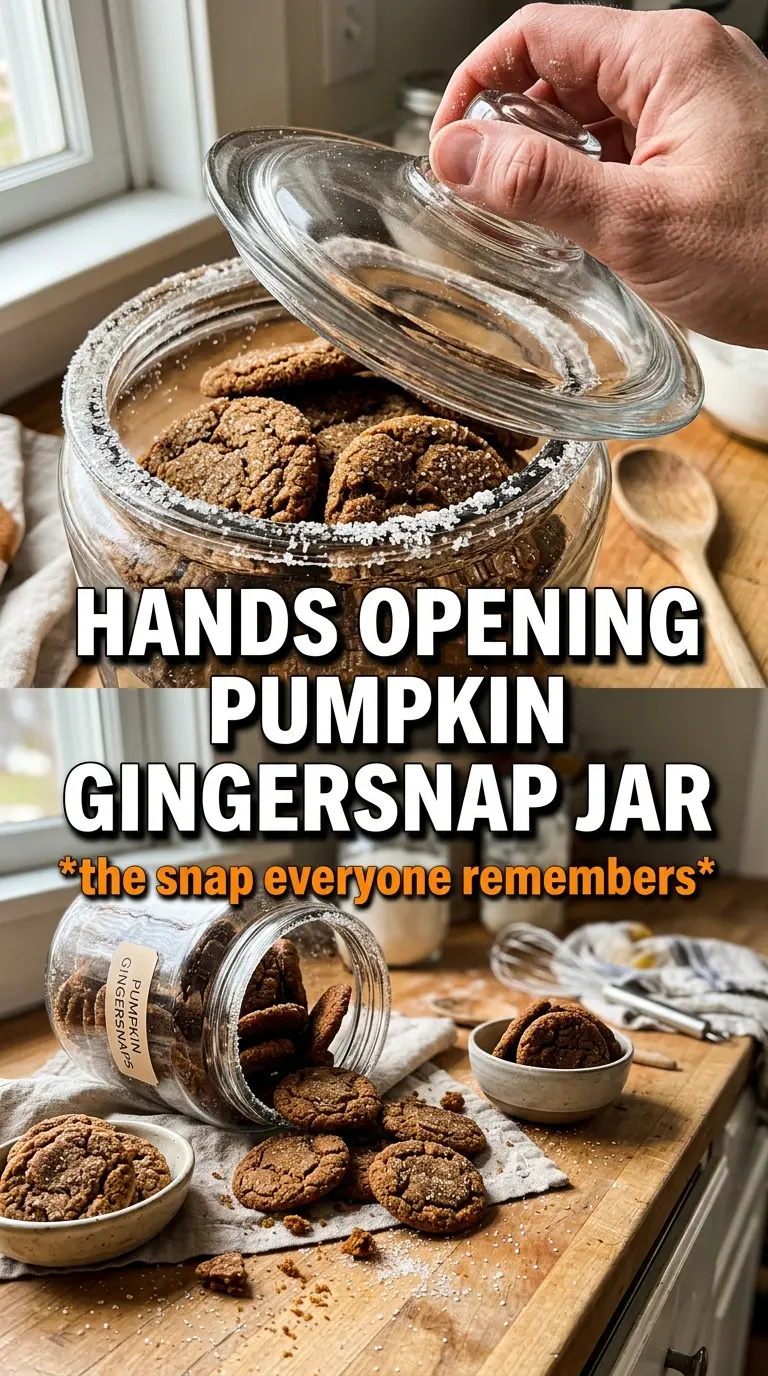
The spice blend is what keeps these from tasting like pumpkin cookies with a little ginger added. Ginger carries the front of the flavor, cinnamon rounds it out, cloves and allspice add warmth, and pumpkin pie spice reinforces that familiar bakery note without overpowering the dough. The black pepper sounds unusual, but it’s the part that makes the spice taste sharper and more alive.
Butter and brown sugar build the base, but the balance only works if the dry ingredients are whisked together first. That distributes the baking soda and spices evenly, so you don’t end up with one bite that tastes hot and another that tastes flat. The sugar coating on the outside matters too; it bakes into that sparkly, craggy shell that gives these cookies their signature look.
- Ground ginger — Use fresh spice from a jar that still smells bright. Old ginger tastes dusty and the cookies lose their punch.
- Cinnamon, cloves, allspice, and pumpkin pie spice — This layered mix creates depth. If you’re short on one, don’t just double another spice; the balance is what reads as classic gingersnap.
- Granulated sugar for rolling — This isn’t just for looks. It helps the tops crackle and keeps the outside crisp.
Building the Dough So the Cookies Bake Up Crinkled, Not Puffy
Start with the butter and sugar
Beat the softened butter and brown sugar until the mixture looks fluffy and a little lighter in color. That traps air, which helps the cookies lift just enough without turning cakey. If the butter is too warm, the dough gets greasy and the cookies spread before the structure sets.
Add the wet ingredients in a controlled way
Mix in the blotted pumpkin, egg, molasses, and vanilla until the dough looks smooth and glossy. The pumpkin should disappear into the mixture without leaving watery streaks. If it looks separated at this point, the butter was too soft or the pumpkin was still too wet.
Fold in the flour just until the streaks disappear
Add the dry ingredients and stop as soon as no flour pockets remain. Overmixing tightens the dough and can make the cookies tough, especially with all the spice already in play. A soft dough is right here; the fridge will finish the job.
Chill, scoop, and bake to the right finish
After chilling, scoop 1-1/2 tablespoon portions and roll them in granulated sugar. Bake until the edges look set and the tops are deeply crinkled, with the centers still a touch soft. Pull them before they look fully dry; they finish crisping as they cool on the pan.
How to Adapt These Pumpkin Gingersnap Cookies Without Losing the Snap
Gluten-Free Version
Use a 1:1 gluten-free baking blend with xanthan gum already included. The cookies will still crinkle and spread, but they may bake up a little more delicate, so let them cool on the pan for a few minutes before moving them.
Dairy-Free Swap
Replace the butter with a good plant-based stick butter, not a tub spread. You’ll still get chewy centers and crisp edges, but the flavor will be a little cleaner and less rich than with dairy butter.
Extra-Spicy Gingersnaps
Add another 1/2 teaspoon ginger and a small pinch more black pepper for a sharper bite. This pushes the cookies further into true gingersnap territory, but keep the molasses the same so the flavor stays balanced instead of harsh.
Storage and Reheating
- Refrigerator: Store in an airtight container for up to 5 days. The edges stay crisp for the first couple of days, then soften slightly.
- Freezer: Freeze baked cookies for up to 2 months with parchment between layers. You can also freeze the scooped dough balls and roll them in sugar right before baking.
- Reheating: Warm cookies on a sheet pan at 300°F for 4 to 6 minutes. Don’t use the microwave; it turns the sugar coating soft and makes the centers tacky.
Answers to the Questions Worth Asking
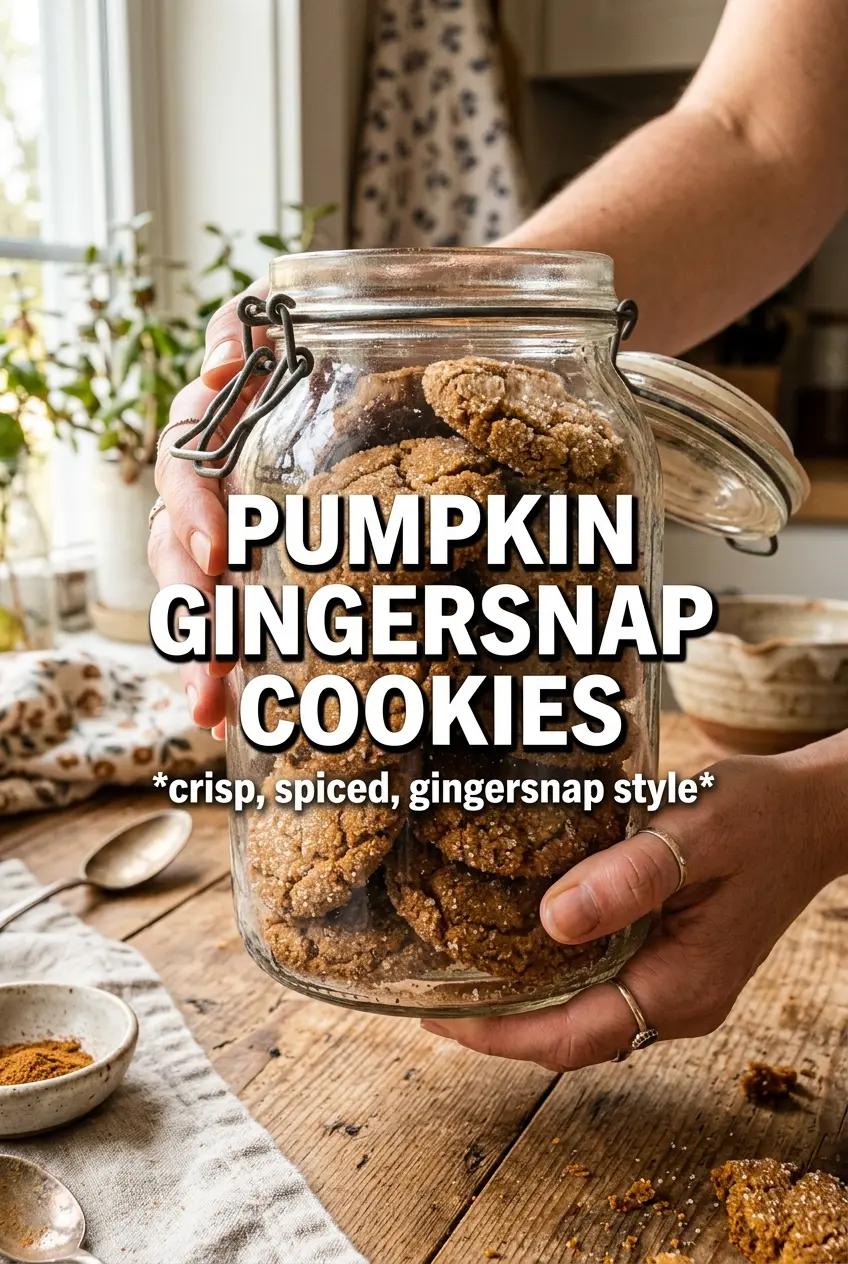
Pumpkin Gingersnap Cookies
Ingredients
Equipment
Method
- Preheat oven to 375°F and line baking sheets with parchment or a silicone mat for easy release.
- Blot pumpkin puree dry, then whisk together all dry ingredients in a bowl until evenly combined.
- Beat softened butter and packed brown sugar until creamy and smoother in texture.
- Add blotted pumpkin, egg, molasses, and vanilla, then mix until the wet ingredients look fully incorporated.
- Fold in the flour mixture just until no dry streaks remain, then refrigerate the dough for 30 minutes to firm up.
- Scoop dough into 1 1/2 tablespoon balls, then roll each ball in granulated sugar until lightly coated.
- Bake at 375°F for 9-11 minutes, until the cookies are crinkled and the edges look crisp.