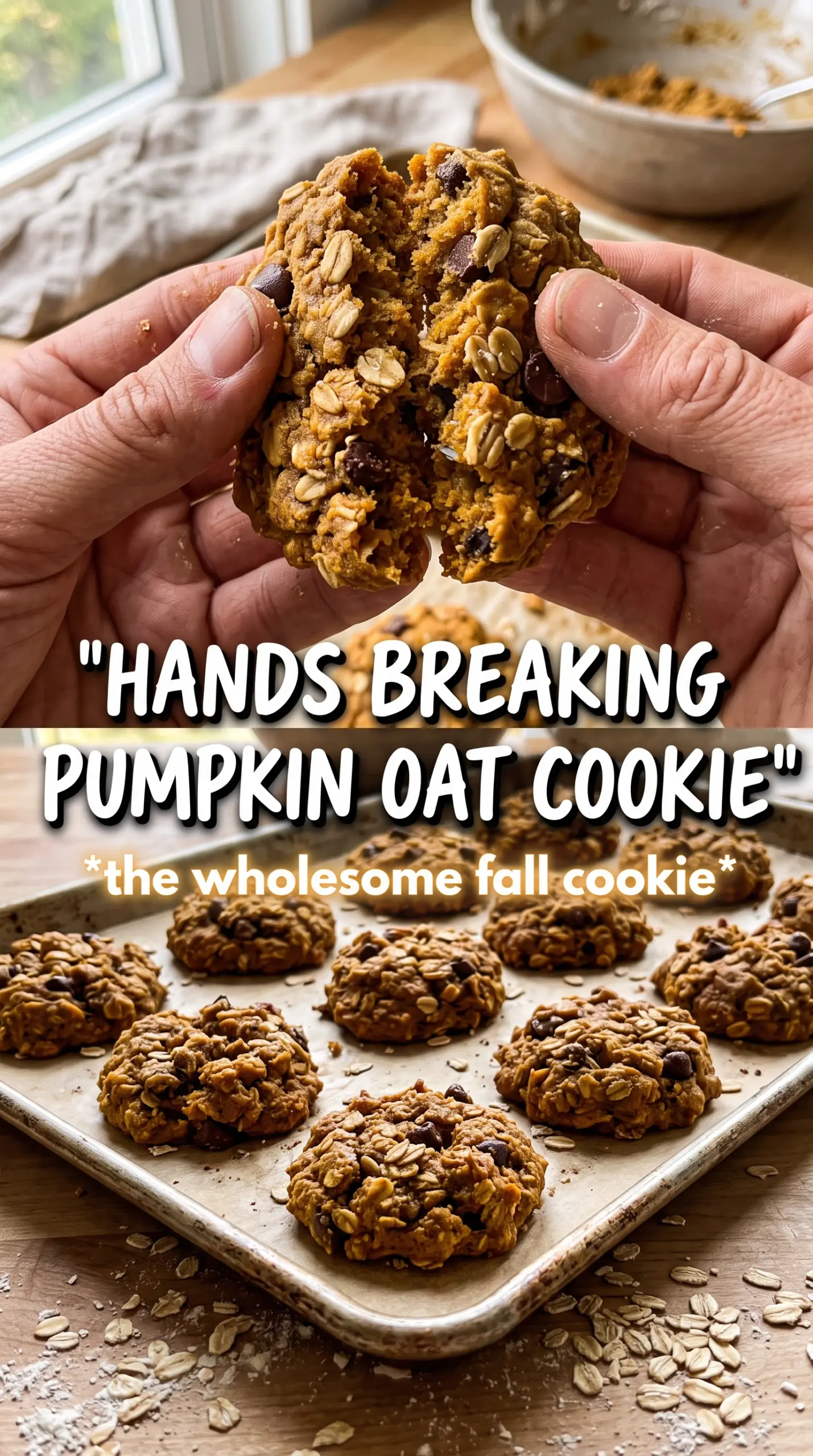
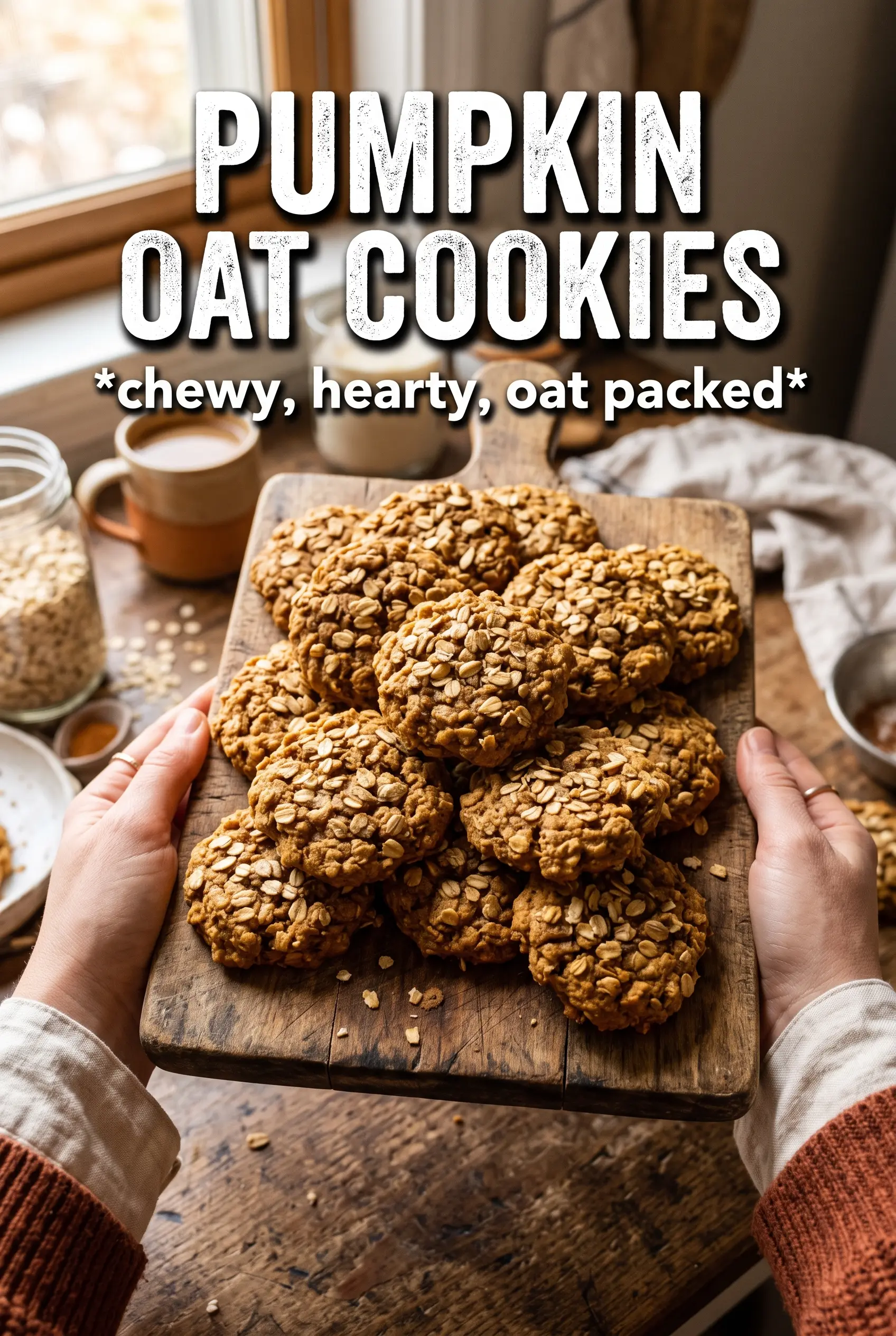
These pumpkin oat cookies bake up soft in the middle with crisp, caramelized edges and just enough chew from the oats to keep them from tasting cakey. The cinnamon sugar on top gives every bite a little crunch, and the raisins or cranberries, if you use them, add a tart-sweet pop that fits the pumpkin spice without taking over. They’re the kind of cookie that disappears fast from the cooling rack because they taste like a cross between a cozy oatmeal cookie and a spiced fall bake.
The part that makes this version work is the blotted pumpkin. Pumpkin puree brings flavor and moisture, but too much of it turns cookies fluffy and wet instead of chewy and structured. Drying it first keeps the dough sturdy enough to hold the oats, which is what gives these cookies their hearty texture. I also keep the bake time short and pull them when the edges are set but the centers still look a little soft; they finish on the pan and stay tender instead of going dry.
Below you’ll find the simple trick that keeps the cookies from spreading too much, plus a few smart swaps if you want to skip the dried fruit or make use of what’s already in your pantry.
The blotted pumpkin made all the difference — the cookies stayed soft and chewy instead of puffing up like little cakes, and the cinnamon sugar top turned golden and crisp.
Save these pumpkin oat cookies for the days when you want chewy centers, crisp cinnamon-sugar tops, and a cookie that actually tastes like pumpkin.
The Pumpkin That Goes In Dry, Not Soupy
Most pumpkin cookie problems start with too much moisture. Pumpkin puree looks harmless in the bowl, but if it goes in straight from the can, it adds enough water to turn a chewy cookie into something closer to a muffin top. Blotting the pumpkin dry first changes the whole texture of the dough. It lets the butter and sugar do the heavy lifting for spread and tenderness while the oats give the cookie its bite.
The other reason these stay balanced is the ratio of oats to flour. You need enough flour to hold the cookie together, but not so much that the oats disappear into a dry, sandy dough. The mixture should look thick and scoopable, not sticky or wet. If it feels loose, the pumpkin probably still has too much moisture.
- Blotted pumpkin puree — This is the difference between a soft, chewy cookie and a cakey one. Spread the puree on a paper towel and press another towel on top until it looks noticeably drier.
- Old-fashioned rolled oats — Quick oats work in a pinch, but they break down more and give a softer, less textured cookie. Rolled oats hold their shape and keep the cookies hearty.
- Brown sugar — It adds moisture and that deeper caramel note that works with pumpkin spice. Light brown sugar is fine; dark brown sugar will push the flavor a little richer.
- Raisins or dried cranberries — Optional, but they add small pockets of tart sweetness that keep each bite from tasting flat. Leave them out if you want a more classic oatmeal-cookie feel.
What Each Ingredient Is Actually Doing in This Recipe
- Primary ingredient (the star) — Quality matters most. Choose the best you can find.
- Cooking medium (oil, butter, or broth) — This carries flavors and prevents dryness.
- Seasonings (salt, pepper, spices, herbs) — Layer flavors so nothing overpowers. Build depth gradually.
- Aromatics (garlic, onion, herbs) — Cook with fat to bloom flavors. Become the foundation.
- Supporting ingredients — Complement the main ingredient without overpowering it.
- Sauce or liquid (if applicable) — Brings flavors together. Balance richness with acid.
- Acid (lemon, vinegar, wine, or other) — Brightens and prevents flat-tasting results.
- Final finish (garnish, glaze, or sauce) — Prevents one-dimensional taste and adds visual appeal.
Building the Dough So the Cookies Stay Chewy
Mix the dry ingredients first
Whisk the flour, baking soda, pumpkin pie spice, cinnamon, and salt before they go anywhere near the butter. That keeps the spices from clumping and helps the baking soda spread evenly through the dough, which matters when you want the cookies to rise evenly instead of baking up patchy. If you see streaks of spice after mixing, whisk the dry bowl again before adding it to the wet ingredients.
Cream the butter and sugars until they look fluffy
Beat the softened butter with the brown sugar and granulated sugar until the mixture lightens in color and looks a little airy. That step traps air and gives the cookies enough lift to stay soft without turning dense. If the butter is too warm, the dough will look greasy and the cookies will spread too much, so the butter should dent when pressed but not collapse.
Fold in the oats at the end
Once the flour mixture is combined, add the oats and any dried fruit with a spatula or on the lowest mixer speed. Stir just until the dough comes together. Overmixing at this stage can crush the oats and make the cookies tough around the edges while leaving the centers oddly gummy.
Bake until the edges set and the centers still look a little soft
Scoop the dough into 2-tablespoon rounds and leave enough space for gentle spread. Bake until the edges are golden and the centers no longer look wet, but stop before they seem fully firm. They finish setting on the pan during the first few minutes of cooling, and that resting time is what keeps them chewy instead of dry.
How to Adapt These Pumpkin Oat Cookies Without Losing the Texture
Gluten-Free Version
Use a cup-for-cup gluten-free flour blend in place of the all-purpose flour. The texture will be a little more delicate, but the oats still give the cookies enough body. Choose certified gluten-free oats if you need the recipe to be fully gluten-free.
Dairy-Free Swap
Replace the butter with a plant-based butter that comes in sticks, not a tub spread. Stick-style dairy-free butter behaves much closer to real butter, so the cookies still hold their shape instead of baking thin.
No Raisins, More Crunch
Skip the dried fruit and add chopped pecans or walnuts instead. You lose the little chewy bursts of sweetness, but you gain a deeper, toastier bite that works well with the oats and cinnamon sugar.
Storage and Reheating
- Refrigerator: Store in an airtight container for up to 5 days. The oats will soften a little as they sit, but the cookies stay pleasantly chewy.
- Freezer: These freeze well baked or as scooped dough balls. Freeze baked cookies in a single layer, then transfer to a bag; freeze dough on a tray before bagging and bake straight from frozen with an extra minute or two.
- Reheating: Warm baked cookies in a 300F oven for 3 to 5 minutes. The common mistake is blasting them in the microwave, which makes the centers gummy and the sugar topping sticky instead of crisp.
Questions I Get Asked About This Recipe
Pumpkin Oat Cookies
Ingredients
Equipment
Method
- Preheat the oven to 375°F and line baking sheets with parchment or silicone mats for easy release.
- Blot the pumpkin puree dry.
- Whisk together the all-purpose flour, baking soda, pumpkin pie spice, cinnamon, and salt until evenly mixed.
- Beat the softened unsalted butter with the brown sugar and granulated sugar until smooth and combined.
- Beat in the blotted pumpkin puree, then mix in the egg and vanilla until the batter looks uniform.
- Fold in the flour mixture and rolled oats just until no dry streaks remain.
- Fold in raisins or dried cranberries if using.
- Scoop 2-tablespoon rounds of dough onto the lined baking sheets, leaving space between cookies.
- Sprinkle cinnamon sugar over each cookie so the tops bake into a lightly sparkly crust.
- Bake for 10–12 minutes at 375°F until the cookies turn golden at the edges.
- Cool on the pan for 5 minutes before moving to a rack to finish cooling.