Pumpkin oatmeal sandwich cookies land in that sweet spot where the cookies stay hearty and chewy, the centers stay soft, and the filling brings just enough cinnamon-sweet tang to keep each bite from feeling heavy. The oats give the edges a little chew, while the pumpkin adds a gentle warmth instead of turning the dough cakey, which is where a lot of pumpkin cookies go wrong.
The trick is to use pumpkin that has been blotted dry and to stop mixing as soon as the flour disappears. That keeps the dough from spreading too much and stops the cookies from baking up dense instead of tender. The filling matters just as much: beat it until it’s fluffy, then use it generously so the cookies taste like a proper sandwich, not two dry cookies with a smear in the middle.
Below you’ll find the small details that make these dependable, plus a few ways to adjust them if you want a stronger spice note or need to make them ahead.
The cookies baked up soft with just enough chew, and the cinnamon cream cheese filling stayed thick instead of sliding out the sides. I chilled them for 20 minutes before serving and they sliced cleanly for a plate of dessert that looked bakery-made.
Save these pumpkin oatmeal sandwich cookies for the days when you want a soft oat cookie with a thick cinnamon cream cheese center.
The Pumpkin That Looks Right in the Dough
The biggest reason pumpkin cookies turn cakey is extra moisture. Pumpkin puree carries a lot of water, and if you stir it straight into the dough without drying it first, the cookies puff instead of spreading into that soft, chewy shape you want. Blotting the pumpkin with paper towels takes just a minute, but it changes the texture of the whole batch.
These cookies also rely on oats for structure, not just flavor. Rolled oats give the dough a hearty bite and help the cookies hold up once the filling goes in. Quick oats can work in a pinch, but they make the texture softer and less defined, which matters here because the sandwich cookie needs a sturdy base.
- Blotted pumpkin — This is the difference between soft-chewy cookies and pumpkin puff cookies. Press it between paper towels until it looks more matte than wet.
- Rolled oats — They keep the cookies substantial. The texture lands somewhere between a drop cookie and an oatmeal cookie bar, which is exactly what works for sandwich cookies.
- Brown sugar — It brings moisture and a deeper caramel note that plays well with the pumpkin spice. White sugar would make the cookies drier and flatter tasting.
- Cream cheese filling — Full-fat cream cheese gives you the best tang and the thickest filling. Low-fat versions can work, but they tend to loosen as the cookies sit.
What Each Ingredient Is Actually Doing in This Recipe
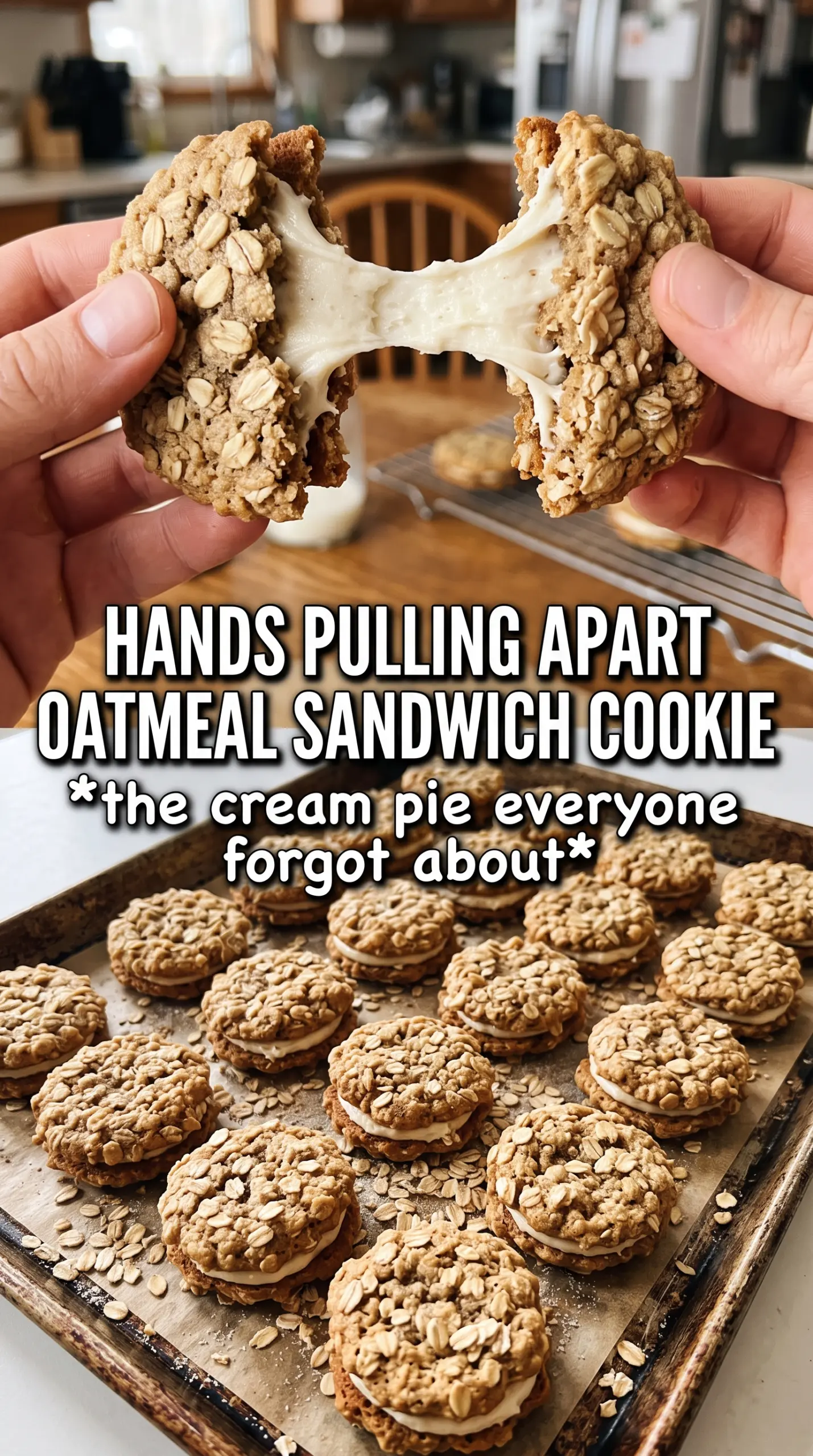
- Primary ingredient (the star) — Quality matters most. Choose the best you can find.
- Cooking medium (oil, butter, or broth) — This carries flavors and prevents dryness.
- Seasonings (salt, pepper, spices, herbs) — Layer flavors so nothing overpowers. Build depth gradually.
- Aromatics (garlic, onion, herbs) — Cook with fat to bloom flavors. Become the foundation.
- Supporting ingredients — Complement the main ingredient without overpowering it.
- Sauce or liquid (if applicable) — Brings flavors together. Balance richness with acid.
- Acid (lemon, vinegar, wine, or other) — Brightens and prevents flat-tasting results.
- Final finish (garnish, glaze, or sauce) — Prevents one-dimensional taste and adds visual appeal.
What Actually Happens in the Bowl and the Oven
Starting With the Butter and Sugar
Beat the butter and brown sugar until the mixture looks lighter and a little fluffy, not just combined. That step adds tiny pockets of air that help the cookies bake up with a tender center. Add the blotted pumpkin, eggs, and vanilla after the sugar stage is ready, then mix only until the batter looks smooth. If you keep beating after the eggs go in, the dough can loosen too much and bake up flatter than you want.
Bringing the Dough Together
Fold in the flour mixture first, then the oats. The dough should look thick and scoopable, not sticky like cake batter. If it feels loose, let it sit for a few minutes before deciding to add anything else, because the oats keep absorbing moisture as they rest. Scoop even 2-tablespoon portions so the cookies bake at the same rate and pair easily later.
Baking for Soft Edges and a Chewy Center
Bake at 375°F until the edges look set and the tops lose their raw shine, about 10 to 12 minutes. Pull them before they look fully done in the center; they finish setting on the hot pan and stay softer after cooling. If you wait for deep browning, the cookies will dry out and fight the filling instead of supporting it. Let them cool completely before assembling or the cream cheese filling will melt and squeeze out the sides.
Whipping and Sandwiching the Filling
Beat the softened cream cheese and butter until completely smooth before adding the powdered sugar, cinnamon, vanilla, and nutmeg. If the cream cheese still has cold lumps, the filling never turns silky. Once it’s fluffy, match the cookies by size and use a generous scoop of filling on the flat side of one cookie, then press the pair together just until the filling reaches the edges. Don’t smash them flat or the filling will bulge out in a thin layer instead of staying thick and creamy.
How to Adjust These Without Losing the Texture
Make them dairy-free with a few careful swaps
Use a plant-based butter in both the cookies and the filling, then choose a dairy-free cream cheese that’s known for holding its shape. The cookies will still bake up well, but the filling may be a little softer, so chill the assembled sandwiches before serving if you want cleaner edges.
Swap in quick oats only if you want a softer cookie
Quick oats will make the cookies less chewy and a little more uniform, which some people like. You’ll lose the hearty bite that makes the sandwich hold up, so expect a softer texture and a slightly less rustic look.
Turn the spice up without changing the dough
Add an extra 1/4 teaspoon of cinnamon to the filling or a pinch of clove to the cookie dough if you want a stronger spice finish. Keep it modest, since too much spice can crowd out the pumpkin and make the cookies taste dusty instead of warm.
Make them ahead for a party tray
Bake the cookies a day ahead and store them plain, then fill them shortly before serving. That keeps the cookies from softening too much around the filling and gives you the cleanest sandwich texture.
Storage and Reheating
- Refrigerator: Store assembled cookies in an airtight container for up to 4 days. The filling firms up in the fridge, which actually helps the sandwich texture stay neat.
- Freezer: Freeze the baked cookies without filling for up to 2 months, or freeze filled cookies in a single layer and wrap them well. The texture holds better when you thaw them slowly in the fridge.
- Reheating: These are best served at cool room temperature, not warmed. If they’ve been chilled, let them sit out for 15 to 20 minutes so the filling softens slightly and the cookie doesn’t taste dry.
Questions I Get Asked About This Recipe
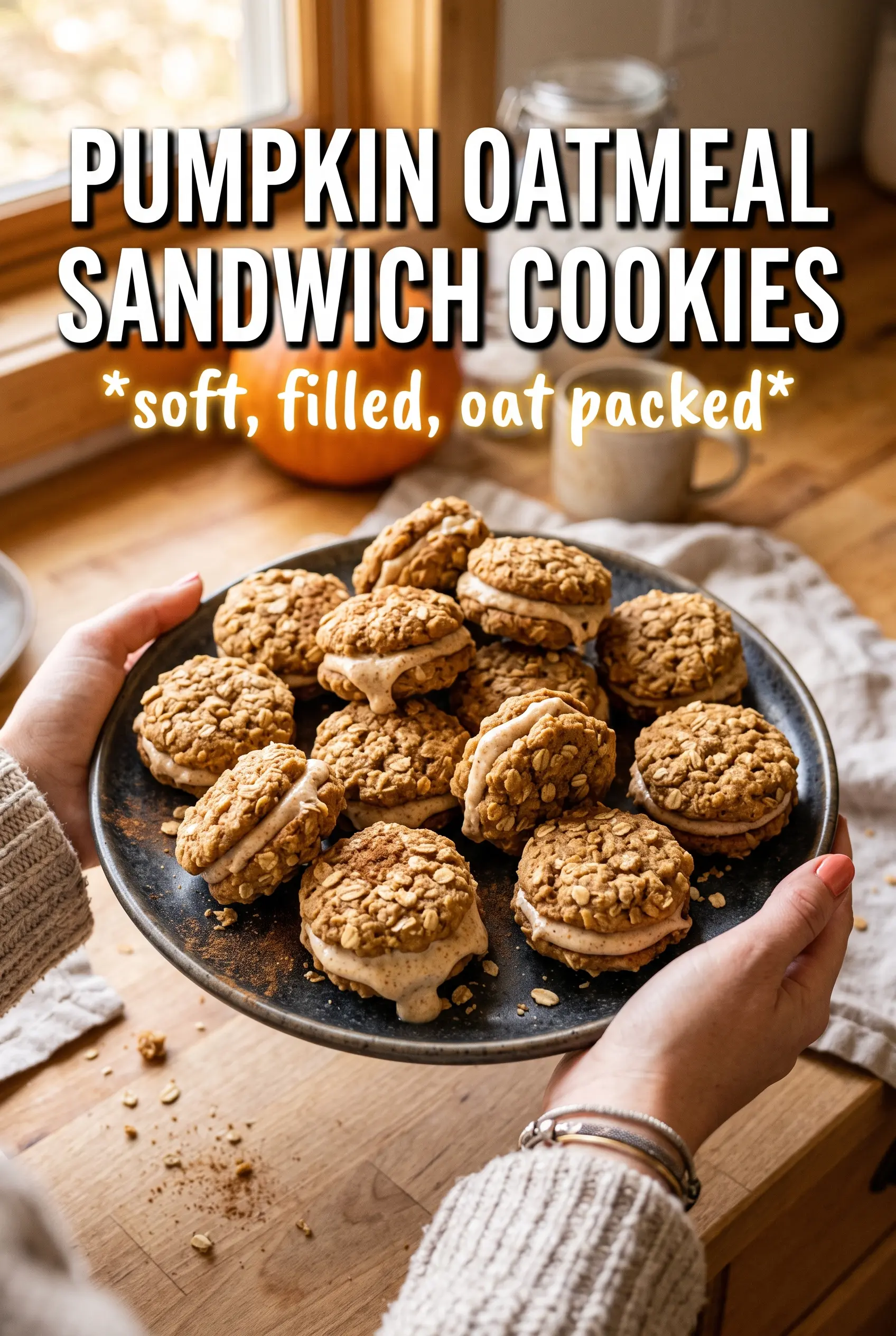
Pumpkin Oatmeal Sandwich Cookies
Ingredients
Equipment
Method
- Beat the butter and brown sugar until smooth. Add the blotted pumpkin, eggs, and vanilla and mix until combined, with a cohesive, thicker batter.
- In a separate bowl, whisk together the flour, rolled oats, baking soda, pumpkin pie spice, cinnamon, and salt. Fold the dry mixture into the pumpkin mixture until no dry streaks remain.
- Scoop the dough into 2-tablespoon rounds and place them on a sheet pan with spacing between cookies. Bake at 375F for 10-12 minutes, until the tops look set and the edges are lightly golden.
- Transfer the cookies to a rack and cool completely. The cookies must be fully cool so the filling won’t melt or slip.
- Beat the cream cheese and softened unsalted butter until smooth. Add powdered sugar, cinnamon, vanilla, and nutmeg and beat until fluffy and spreadable.
- Match cookies in pairs by size and shape. Spread generous filling on one cookie and sandwich with the second cookie to form 12 sandwich cookies, pressing gently so the filling reaches the edges without spilling.