Pumpkin pancakes for baby and toddler should be soft enough for little bites, sturdy enough to hold their shape, and mild enough that the pumpkin tastes cozy instead of spiced. These small pancakes cook up tender in the middle with lightly golden edges, and they stay moist even after they cool, which matters when breakfast is moving at kid speed.
The trick is keeping the batter gentle and the heat low. Pumpkin adds body and moisture, so the pancakes don’t need much stirring or a hot pan to work. A medium-low skillet gives the centers time to set before the bottoms overbrown, and that matters even more when you’re making silver-dollar pancakes for small hands.
Below you’ll find the exact texture cues I watch for, plus the one serving habit that makes these easier for babies and toddlers to eat safely and happily.
The little pancakes held together beautifully and stayed soft after cooling, which was perfect for my toddler’s lunchbox. I loved that the pumpkin flavor was mild and the banana on top made them sweet enough without needing much syrup.
Save these soft pumpkin pancakes for baby and toddler breakfasts, snack plates, and freezer mornings when you need tiny pancakes that stay tender.
The Pan Heat That Keeps Tiny Pancakes Soft Instead of Dark
Mini pancakes brown fast because they’re small. That sounds helpful until the outside sets before the center has time to cook through, especially when pumpkin puree is adding extra moisture to the batter. Medium-low heat gives you a pale, even surface and a soft middle instead of a dark crust with a gummy center.
Watch for the edges first. When they look set and the top loses its wet shine, the pancake is ready to flip. If the batter sizzles aggressively the second it hits the skillet, the pan is too hot and the pancakes will color before they finish cooking. A lightly greased pan works better than a heavily buttered one here, because too much fat can make the bottoms patchy and uneven.
What the Pumpkin, Egg, and Flour Are Doing Here
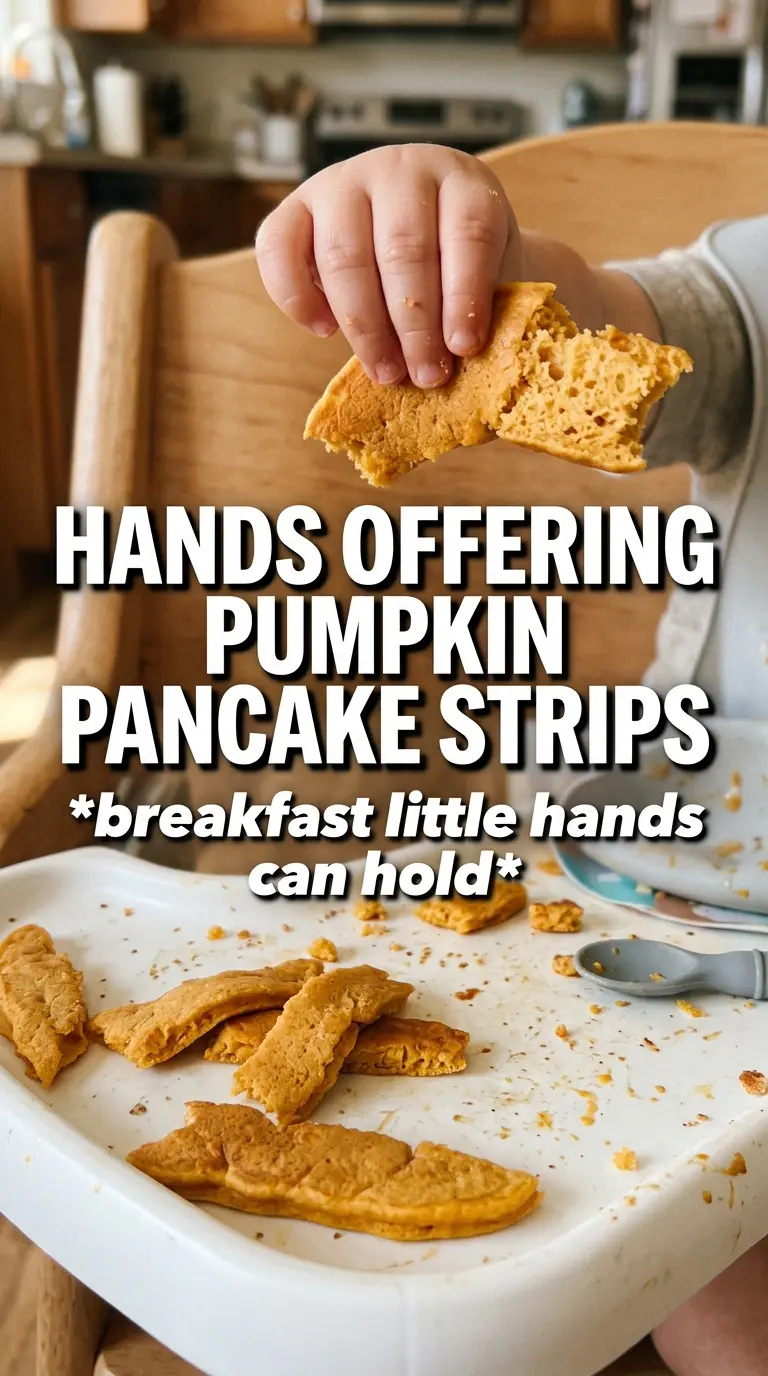
- Pumpkin puree — This is what gives the pancakes their soft, moist crumb and gentle pumpkin color. Use plain pumpkin puree, not pumpkin pie filling, which comes sweetened and spiced in a way that can throw off both the flavor and the texture.
- Whole wheat or all-purpose flour — Whole wheat adds a little more structure and a nuttier taste, while all-purpose keeps the pancakes lighter and softer. Either works; if you’re making these for a baby who prefers very tender pancakes, all-purpose is the safer texture choice.
- Egg — The egg helps bind the batter so the mini pancakes flip cleanly. If you leave it out, the pancakes tend to crumble at the edges, which is the last thing you want when you’re cutting them for little fingers.
- Milk and melted butter — Milk loosens the batter just enough for small pancakes that spread slightly but don’t run thin. The butter adds richness and keeps the finished pancakes from tasting dry after they cool.
- Cinnamon, nutmeg, and ginger — These give the pancakes warmth without overpowering the pumpkin. Keep the spice level modest for babies and toddlers; strong spice is one of the easiest ways to make a kid breakfast feel too intense.
- Maple syrup and vanilla — The maple syrup is optional and should be left out for babies under 1. Vanilla rounds out the pumpkin flavor, and even that small amount makes the batter taste more finished without needing extra sweetener.
Building a Batter That Stays Tender
Mix the Dry Ingredients First
Whisk the flour, baking powder, baking soda, and spices in a bowl before anything else goes in. That keeps the leaveners from clumping and gives the cinnamon and ginger a more even spread through the batter. Skip the salt here if you’re serving babies, because the pumpkin and vanilla already bring enough flavor on their own.
Bring the Wet Ingredients Together Without Overworking Them
Whisk the pumpkin, egg, milk, melted butter, maple syrup if you’re using it, and vanilla until the mixture looks smooth and even. The batter should look thick but pourable once the dry ingredients are added. If the butter is too hot, it can scramble the egg; let it cool for a minute after melting so everything blends cleanly.
Fold Just Until the Flour Disappears
Add the dry ingredients to the wet ingredients and stir only until you stop seeing dry flour. A few small lumps are fine. Overmixing tightens the batter and gives you pancakes that bounce back instead of staying soft, and that’s the opposite of what you want for baby and toddler portions.
Cook Tiny Rounds and Give Them Room
Spoon 1 to 2 tablespoon portions onto a lightly greased skillet. Keep them small so they cook through before the bottoms darken, and leave space between each round so you can slide a spatula under them cleanly. Flip them once the edges are set and the top no longer looks wet, then cook the second side just until it springs back lightly when touched.
How to Adapt These for Different Ages and Busy Mornings
For babies under 1 year
Leave out the maple syrup and serve the pancakes plain or with mashed banana. That keeps the flavor gentle and avoids adding sweetener before it’s needed, while the pumpkin and vanilla still make the pancakes taste satisfying.
Gluten-free version
Use a 1:1 gluten-free flour blend that includes xanthan gum. The pancakes may be a little more delicate, so let the first side set fully before flipping instead of rushing the turn.
Dairy-free swap
Replace the milk with an unsweetened plain non-dairy milk and use melted coconut oil or a neutral oil instead of butter. You’ll lose a little richness, but the pancakes will still stay soft if you keep the heat low.
Storage and Reheating
- Refrigerator: Store in an airtight container for up to 4 days. They stay soft, but the texture gets slightly denser after chilling.
- Freezer: Freeze in a single layer, then move to a freezer bag for up to 2 months. Separate layers with parchment so the small pancakes don’t stick together.
- Reheating: Warm in a toaster oven, skillet, or microwave until just heated through. Don’t blast them too long in the microwave or they’ll turn rubbery instead of soft.
Questions I Get Asked About This Recipe
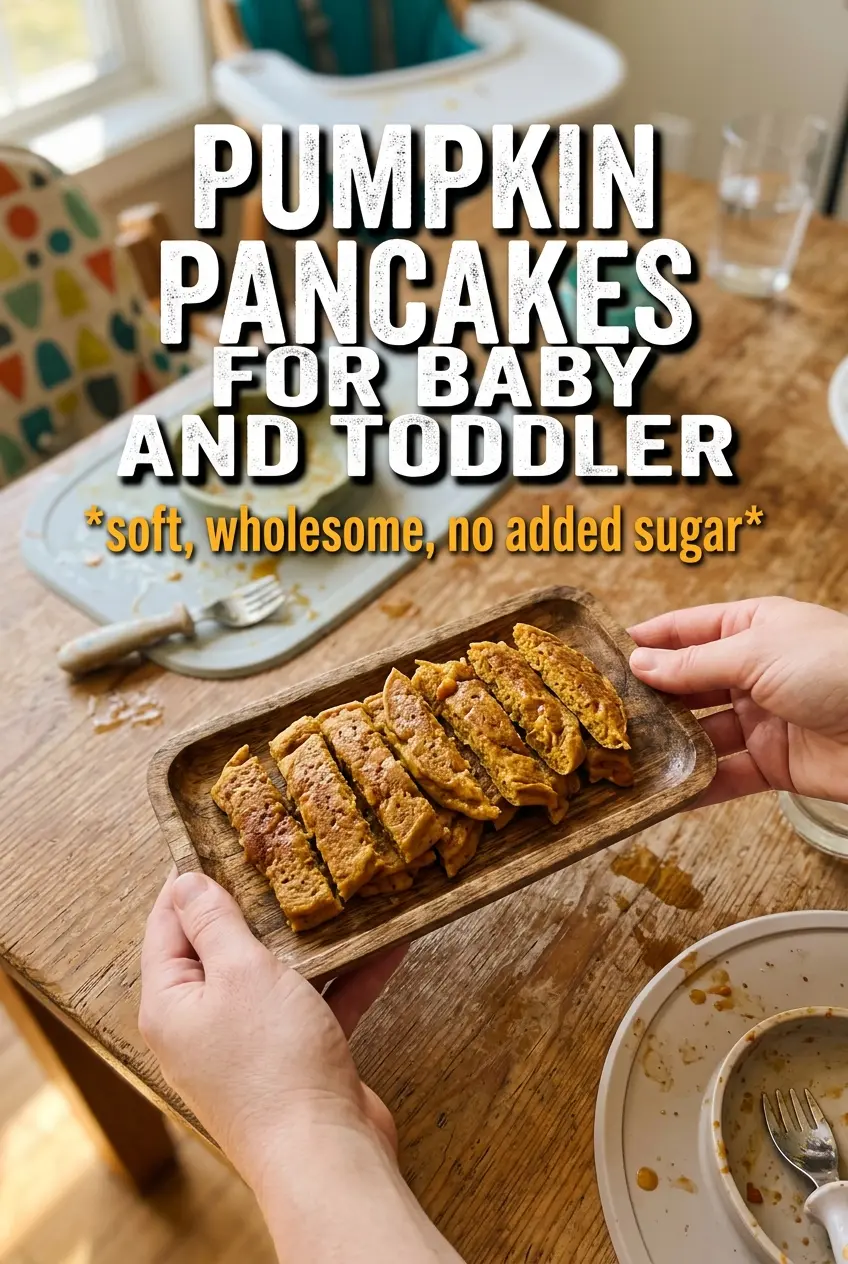
Pumpkin Pancakes for Baby and Toddler
Ingredients
Equipment
Method
- Whisk flour, baking powder, baking soda, cinnamon, nutmeg, and ginger in a bowl; keep it unsalted for babies.
- Whisk pumpkin puree, egg, whole milk, melted butter, maple syrup if using, and vanilla extract until smooth.
- Fold wet mixture into dry mixture just until smooth, with no dry flour streaks.
- Heat a lightly greased skillet over medium-low heat to help prevent burning.
- Drop 1 to 2 tablespoon rounds of batter for baby-sized portions and cook for 2 minutes, until the edges look set and bubbles appear near the surface.
- Flip gently and cook for 1 to 2 minutes more, until the second side is golden.
- Cool the pancakes to room temperature before serving, then cut into appropriate sizes for baby; serve with thinly sliced banana and a tiny drizzle of maple syrup.