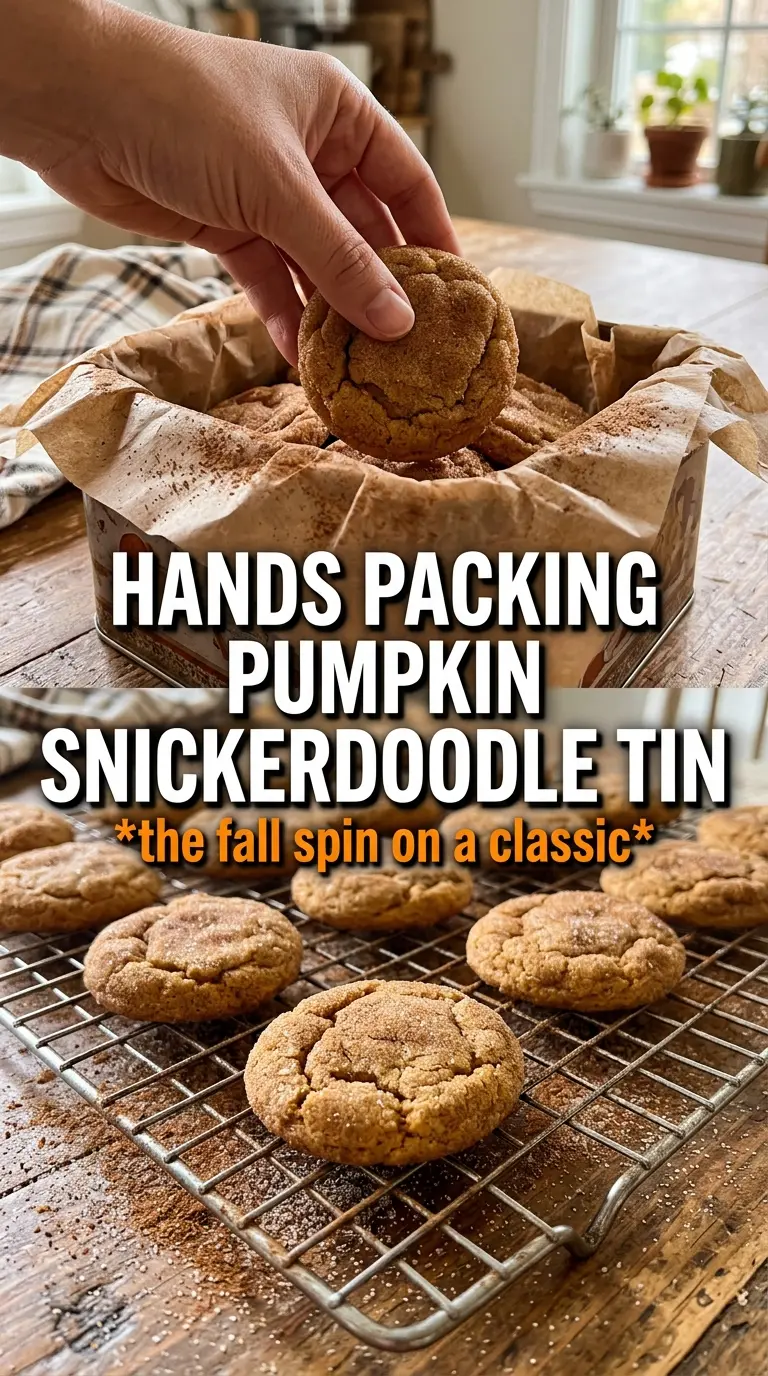
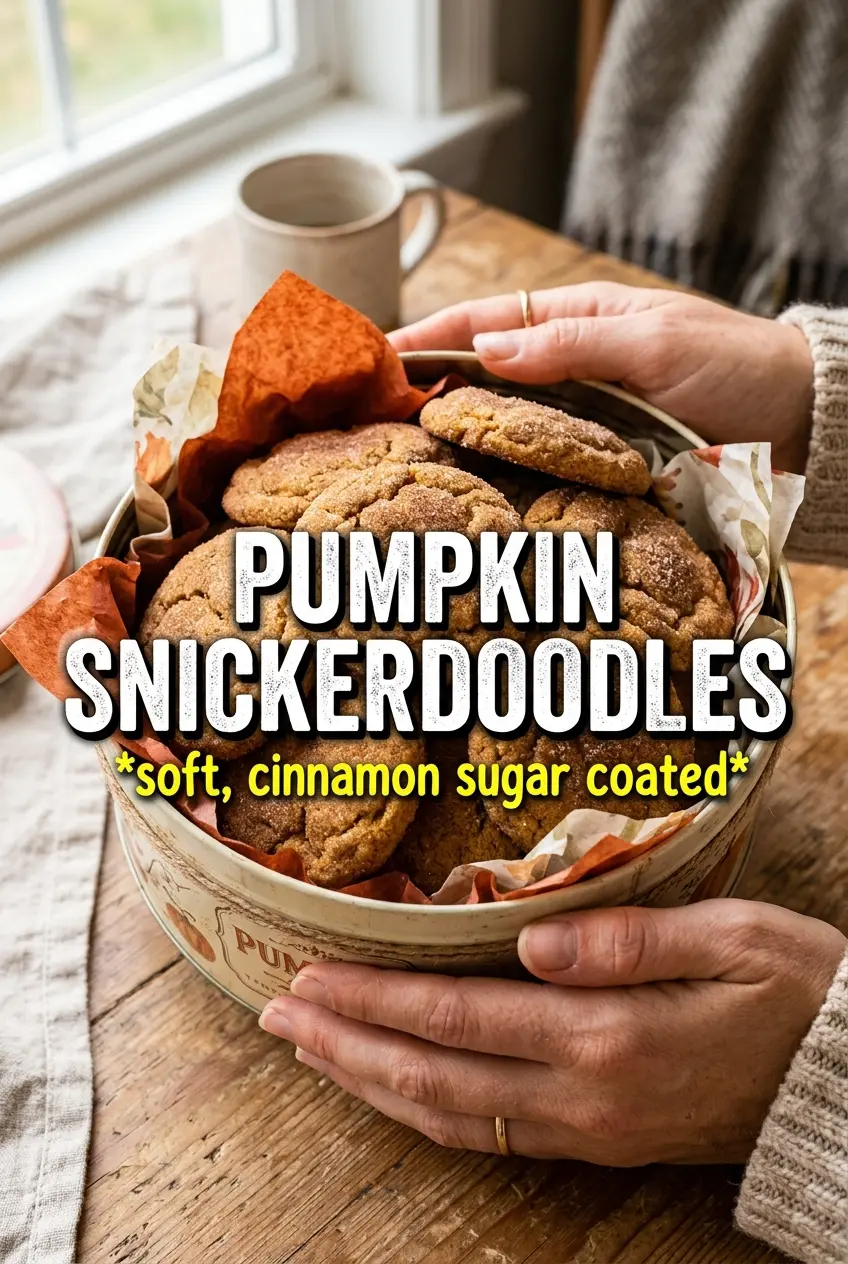
Pumpkin snickerdoodles bake up soft, thick, and crinkly, with cinnamon sugar on the outside and a warm pumpkin spice note tucked into every bite. The best ones have crisp edges, pillowy centers, and that classic snickerdoodle tang that keeps them from tasting flat or overly sweet. This version earns its place because it keeps the pumpkin in check, so the cookies stay tender without turning cakey.
The trick is moisture control. Pumpkin puree brings flavor and softness, but too much of it steals the crackly tops and makes the dough puff more like cake batter. Blotting the puree dry first sounds fussy, but it makes the difference between cookies that spread and cookies that bake up with defined edges and those familiar cinnamon-sugar ripples.
Below, I’ll walk through the small details that matter most, from mixing the dough just enough to keep the texture right to rolling the cookies heavily enough that every bite gets a proper spice crust.
I blotted the pumpkin like you said, and the cookies came out soft in the middle with those perfect crackly tops instead of puffing up like little cakes. The cinnamon sugar crust was spot on.
Save these pumpkin snickerdoodles for the cookie tray where soft centers and cinnamon-sugar crinkles matter most.
The Small Moisture Problem That Makes Pumpkin Cookies Go Cakey
Most pumpkin cookie recipes run into the same issue: the dough has too much water in it before it ever hits the oven. That extra moisture pushes the cookies upward instead of letting them spread into soft, crinkled rounds, and the texture lands closer to muffin tops than snickerdoodles. Blotting the pumpkin until it looks almost pasty fixes that problem before it starts.
Cream of tartar matters here, too. It gives snickerdoodles their sharp, familiar tang and helps the cookies set with a tender bite instead of a flat sugar-cookie texture. If you skip it, the cookies still bake, but they lose the part that makes them taste like snickerdoodles rather than just pumpkin spice cookies.
- Blotted pumpkin puree — This is the difference-maker. Use paper towels and press until the puree releases little to no visible liquid.
- Cream of tartar — It brings the classic snickerdoodle flavor and supports the crackly texture. There isn’t a perfect swap if you want the real result.
- Butter at a soft, spreadable room temperature — Cold butter won’t whip properly, and melted butter makes the dough greasy and loose.
- Cinnamon-sugar coating — Roll the dough generously. A light dusting won’t give you the bold crust that makes these cookies stand out.
What Each Ingredient Is Actually Doing in These Cookies
- All-purpose flour — This gives the cookies enough structure to hold the soft center. Bread flour makes them tough; cake flour makes them too delicate.
- Cream of tartar and baking soda — Together they create the snickerdoodle lift and tang. The reaction is part of what makes the tops crackle as they bake.
- Ground cinnamon, nutmeg, and allspice — These deepen the pumpkin flavor without making the cookies taste like pumpkin pie filling. The spice mix in the dough keeps the flavor from relying only on the coating.
- Unsalted butter — Butter carries the flavor and helps the dough whip up fluffy before the dry ingredients go in. Salted butter works in a pinch, but reduce the added salt slightly.
- Granulated sugar — This is what gives the outside that crisp, sparkly shell. Brown sugar changes the texture and pushes the cookies toward soft and chewy in a less snickerdoodle-like way.
- Egg — One egg binds the dough without making it too wet. A second egg would make the cookies puff more and lose that classic shape.
- Vanilla extract — It rounds out the spice and keeps the pumpkin from tasting one-note.
Building the Dough So the Cookies Stay Soft, Not Puffy
Whipping the Butter and Sugar
Beat the butter and sugar until the mixture turns pale and fluffy. That step traps air and gives the cookies their light bite, but stop once it looks smooth and noticeably expanded. If the butter is too cold, the mixture stays dense; if it’s melty, the cookies spread too fast in the oven.
Adding the Pumpkin Without Wetting the Dough
Beat in the egg, blotted pumpkin puree, and vanilla next. The batter may look a little curdled for a moment, and that’s normal. Once the flour goes in, it comes together. If the pumpkin was not dried enough, the dough will feel sticky and the cookies will bake up domed instead of crinkly.
Coating and Baking for the Crinkled Finish
Mix the rolling sugar and spices in a shallow bowl, then scoop the dough into 1 1/2 tablespoon portions and roll them well. The dough balls should look heavily coated before they go on the sheet. Bake just until the edges are set and the centers still look soft; overbaking steals the pillowy middle and leaves you with dry cookies that taste more like spice wafers than snickerdoodles.
How to Adapt These Pumpkin Snickerdoodles Without Losing the Texture
Gluten-Free Pumpkin Snickerdoodles
Use a 1:1 gluten-free baking flour that already contains xanthan gum. The cookies will still be soft and crinkly, but they may need an extra minute or two to set because gluten-free doughs often hold onto moisture a little longer.
Dairy-Free Version
Swap the butter for a plant-based stick butter with a similar fat content. Avoid tub-style spreads, which can make the dough softer and the cookies spread too much.
Extra-Spiced Cookies
If you like a stronger spice bite, add an extra 1/4 teaspoon cinnamon and a pinch more nutmeg to the dough. That pushes the flavor toward a bolder pumpkin-spice cookie without changing the texture.
Storage and Reheating
- Refrigerator: Store in an airtight container for up to 5 days. The cinnamon-sugar coating softens a little after the first day, but the cookies stay tender.
- Freezer: Freeze baked cookies for up to 2 months, or freeze the dough balls after rolling them in sugar. Baked cookies thaw well; frozen dough can go straight to the oven with an extra 1 to 2 minutes.
- Reheating: Warm cookies for 8 to 10 seconds in the microwave or a few minutes in a low oven. Long reheating dries out the centers, so stop as soon as the cookies feel soft again.
Answers to the Questions Worth Asking
Pumpkin Snickerdoodles
Ingredients
Equipment
Method
- Preheat the oven to 375°F and line baking sheets with parchment if desired, so the cookies bake evenly from the start.
- Blot the pumpkin puree thoroughly on paper towels—excess moisture is the enemy of crinkled snickerdoodles, and dry pumpkin helps the cinnamon-sugar crackle.
- Whisk all-purpose flour, cream of tartar, baking soda, cinnamon, nutmeg, allspice, and salt in a bowl until evenly combined.
- Beat the softened unsalted butter and granulated sugar until very fluffy, then add the egg and mix until smooth.
- Add the blotted pumpkin puree and vanilla extract, mixing just until the dough looks uniform.
- Fold in the flour mixture until no dry streaks remain.
- Mix the rolling spices in a shallow bowl: sugar, cinnamon, and pumpkin pie spice.
- Scoop about 1-1/2 tablespoon balls, then roll generously in the cinnamon spice sugar so each cookie is coated.
- Bake at 375°F for 10–12 minutes until crinkled with set edges but soft centers, then let the cookies cool on the sheet until firm enough to move.