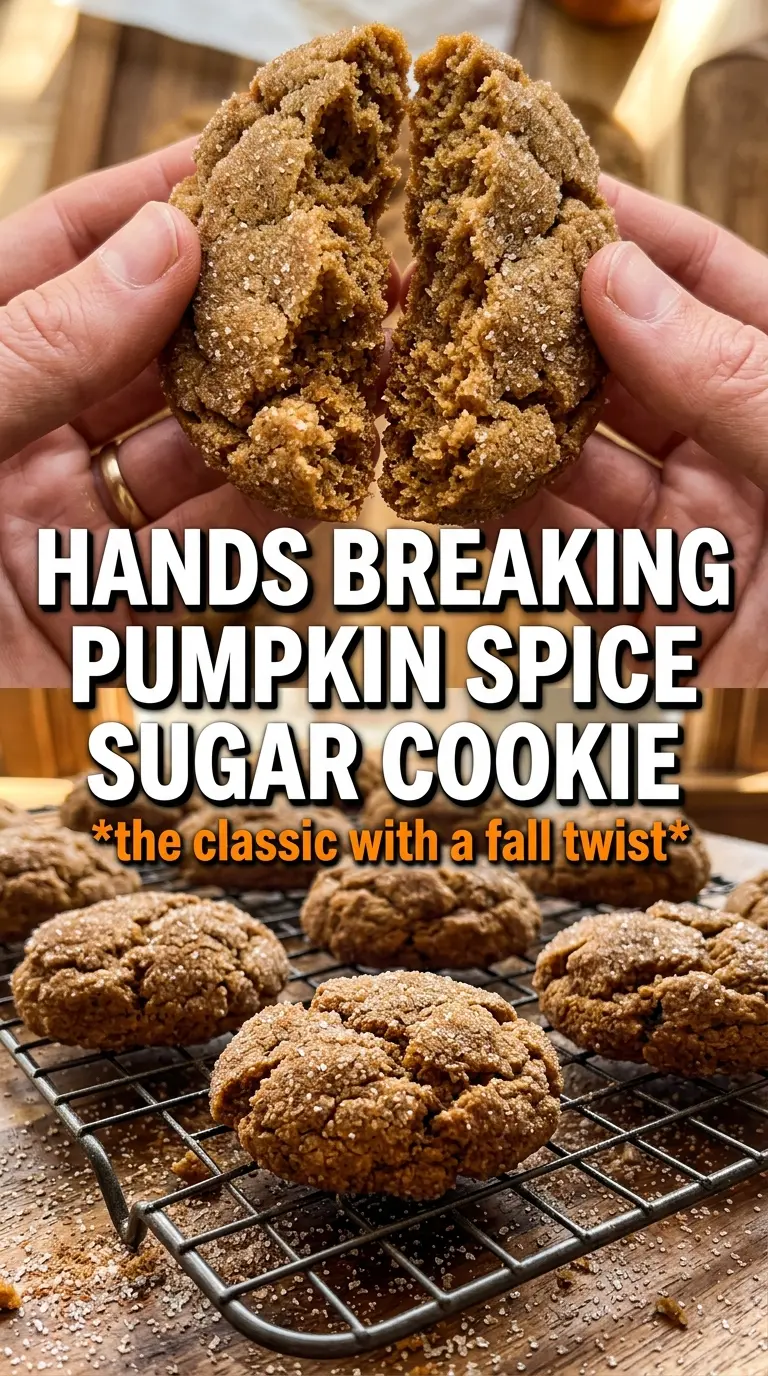
Pumpkin spice sugar cookies bake up soft in the middle with crisp edges and just enough warm spice to taste like fall without turning heavy or cakey. The dough rolls cleanly after a chill, holds sharp cutout shapes in the oven, and finishes with a tender bite that stays sturdy enough for icing. They look festive, but the real win is how balanced they eat: buttery, lightly sweet, and fragrant with cinnamon, nutmeg, and pumpkin pie spice.
The part that makes these work is the pumpkin puree. It adds flavor and color, but it also brings extra moisture, so it has to be blotted dry before it goes into the bowl. Skip that step and the dough gets sticky, the cookies puff too much, and the shapes lose their edges. Chilling the dough for the full hour matters too. It firms the butter, gives the flour time to hydrate, and keeps the cookies from spreading into little spice puddles.
Below, I’ve included the one detail that keeps the dough easy to handle, the ingredient swap that helps if you’re out of pumpkin pie spice, and the decorating trick that gives these cookies that bakery-style finish without making the icing run.
The pumpkin flavor came through without making the cookies cakey, and the chilled dough rolled out beautifully. The orange icing set up just enough that the cutout edges stayed neat for my cookie boxes.
Save these pumpkin spice sugar cookies for the kind of day when you want soft cutout cookies with warm spice and orange icing that holds its shape.
The One Step That Keeps Pumpkin Cookie Cutouts from Spreading
Pumpkin puree is the reason these cookies taste like pumpkin, but it’s also the ingredient most likely to throw off the dough. Even a little extra moisture softens the batter and blurs the edges, which is why the puree needs to be blotted dry before it goes in. That small move keeps the cookies thick enough to cut clean shapes and gives the dough a texture that rolls instead of smears.
The other thing working in your favor is the balance of leavening. This recipe uses just enough baking powder and baking soda to lift the cookies without turning them airy or puffy. You want a cookie that holds a shape and still eats tender, not one that bakes into a biscuit.
- Blotted pumpkin puree — This is the piece you can’t skip. Press the puree between paper towels until it feels thick and matte, not wet. That keeps the dough manageable and helps the cookies stay crisp at the edges.
- Butter at room temperature — Soft butter creams properly with the sugar and traps air, which gives the cookies a lighter texture. If it’s melted or greasy, the dough spreads more.
- Pumpkin pie spice plus cinnamon and nutmeg — The blend gives the cookies depth instead of a flat “pumpkin” taste. If you don’t have pumpkin pie spice, use extra cinnamon with a pinch each of ginger and cloves.
- Chilling the dough — This isn’t just for convenience. Cold dough cuts cleaner and bakes into sharper shapes, which matters if you’re decorating with icing later.
What Each Ingredient Is Actually Doing in This Recipe
- Primary ingredient (the star) — Quality matters most. Choose the best you can find.
- Cooking medium (oil, butter, or broth) — This carries flavors and prevents dryness.
- Seasonings (salt, pepper, spices, herbs) — Layer flavors so nothing overpowers. Build depth gradually.
- Aromatics (garlic, onion, herbs) — Cook with fat to bloom flavors. Become the foundation.
- Supporting ingredients — Complement the main ingredient without overpowering it.
- Sauce or liquid (if applicable) — Brings flavors together. Balance richness with acid.
- Acid (lemon, vinegar, wine, or other) — Brightens and prevents flat-tasting results.
- Final finish (garnish, glaze, or sauce) — Prevents one-dimensional taste and adds visual appeal.
Mixing, Chilling, and Baking the Dough Without Losing the Shape
Creaming the Butter and Sugar
Beat the butter and granulated sugar until the mixture looks pale and fluffy, not greasy. That texture tells you enough air has been worked in to help the cookies bake up tender. If the butter is too warm, the mixture turns loose and the dough will be harder to roll later. Add the pumpkin puree, egg, and vanilla after the butter and sugar are combined so the dough stays smooth instead of curdled.
Bringing in the Dry Ingredients
Fold in the flour, baking powder, baking soda, spices, and salt just until the last streaks disappear. Overmixing at this stage develops too much gluten, and that makes the cookies tough instead of soft. The dough should look thick and a little sticky, but not wet. If it seems slack, the pumpkin was probably too moist.
Resting the Dough
Divide the dough, wrap it well, and chill it for a full hour. That rest firms the butter and gives the flour time to absorb the moisture from the pumpkin and egg. The difference shows up the second you roll it out: the dough feels cooperative instead of sticky. If you cut corners here, the cookies spread and the cutouts lose their clean edges.
Rolling, Cutting, and Baking
Roll the dough to a 1/4-inch thickness on a lightly floured surface and cut your shapes with a sharp cutter. Keep the scraps chilled if they start getting soft while you work. Bake at 350°F just until the edges are set and the tops look dry, about 10 to 12 minutes. Pull them before they brown deeply; overbaking steals the soft center that makes these worth making.
How to Adapt These Cookies for Different Kitchens and Cookie Boxes
Gluten-Free Version
Swap the all-purpose flour for a 1:1 gluten-free baking blend that includes xanthan gum. The cookies may spread a touch more, so chill the cut shapes on the tray for 10 minutes before baking if the dough feels soft. The flavor stays the same, but the texture is a little more delicate.
No Pumpkin Pie Spice on Hand
Use extra cinnamon and add a pinch each of ginger, cloves, and allspice if you’ve got them. Pumpkin pie spice is mostly a convenience blend, so this swap keeps the warm, round spice profile without changing the dough structure.
Orange Icing with a Cleaner Set
For sharper decoration, whisk the icing a little thicker by starting with less milk and adding only enough to make it spreadable. Thicker icing sits nicely on top of the cookie and holds leaf or pumpkin details better. If it’s too thin, the color looks streaky and runs over the edges.
Make-Ahead and Storage
- Refrigerator: Store baked cookies in an airtight container for up to 4 days. The texture stays soft, though the icing may firm up and the spice flavor deepens by day two.
- Freezer: Freeze the unbaked dough, wrapped well, for up to 2 months. You can also freeze baked, undecorated cookies; thaw them before icing so the glaze doesn’t slide.
- Reheating: These don’t need reheating, but if you want a just-baked feel, warm the plain cookies for 4 to 6 minutes at 300°F. Don’t warm iced cookies too long or the icing will melt and lose its finish.
Questions I Get Asked About This Recipe
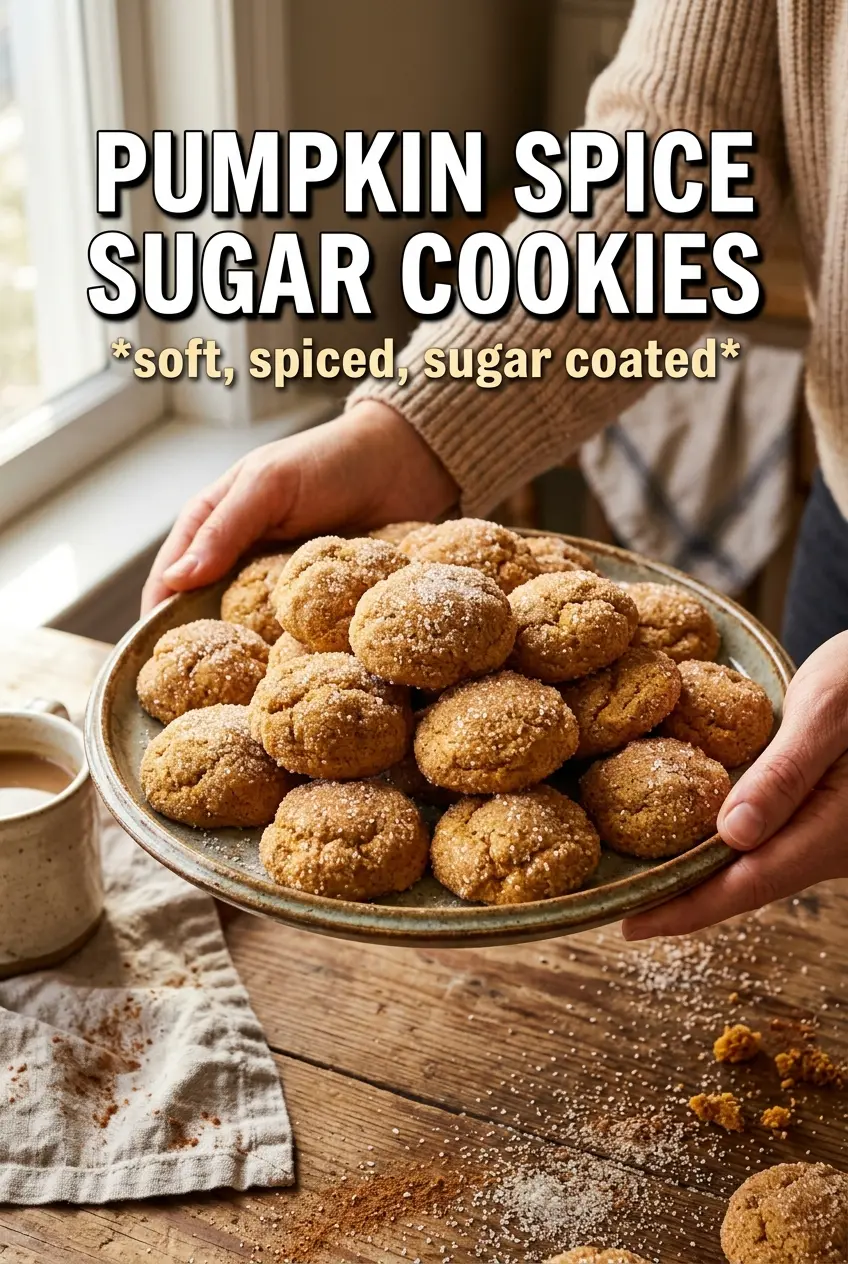
Pumpkin Spice Sugar Cookies
Ingredients
Equipment
Method
- Beat the softened butter and granulated sugar together until smooth and lighter in color.
- Mix in the blotted pumpkin puree, then add the egg and vanilla and beat until fully combined.
- Fold in the all-purpose flour, baking powder, baking soda, pumpkin pie spice, cinnamon, nutmeg, and salt until no dry streaks remain.
- Divide the dough, wrap each portion well, and refrigerate for 1 hour (the dough should feel firm enough to roll).
- Preheat the oven to 350°F and line a sheet pan if needed.
- Roll the dough to a 1/4-inch thickness and cut into fall leaf or pumpkin shapes (aim for even thickness for consistent bake time).
- Bake for 10–12 minutes, until the edges are set and just beginning to look lightly golden.
- Cool the cookies completely on the pan or a rack before icing.
- Stir powdered sugar with milk and cinnamon, adding orange food coloring until you reach the desired orange tone (the icing should flow but hold lines).
- Decorate the cooled cookies with orange-tinted royal icing using a thick drizzle or outline style.