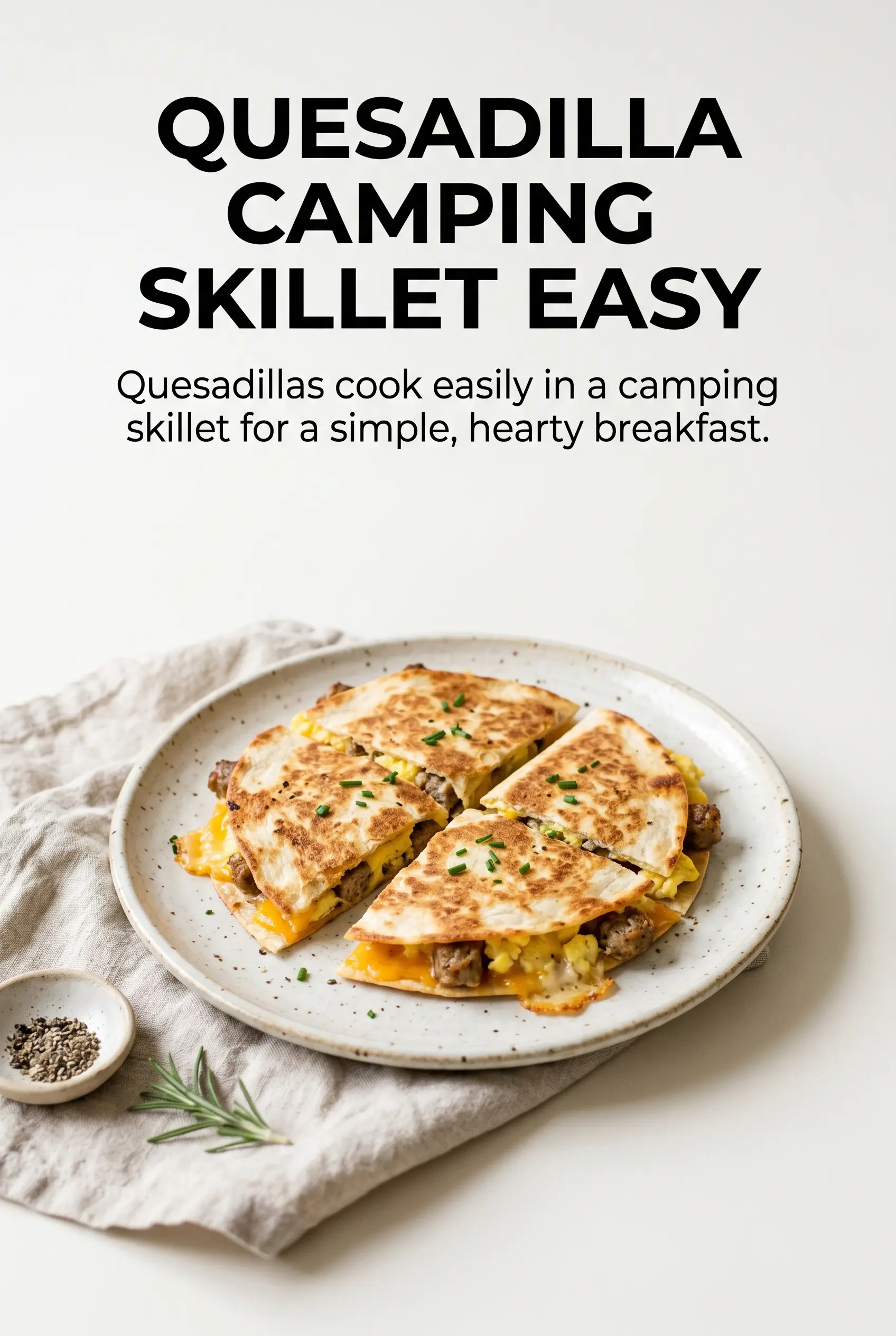
Golden tortillas, molten cheese, and a filling that stays put when you cut into it make this sausage and egg breakfast quesadilla the kind of breakfast people ask for again. The edges turn crisp in the skillet while the center stays soft and savory, with the sausage bringing just enough salt and spice to keep every bite interesting. It eats like a diner breakfast folded into a handheld package, which is exactly why it works for a slow weekend morning or a campfire skillet.
The trick is balancing heat and moisture. Scrambled eggs that are just set, not cooked dry, keep the quesadilla tender instead of chalky, and shredded cheese melts into the eggs and sausage so the wedges hold together. Butter on the outside of the tortillas gives you that deep, even browning you can taste, and a preheated skillet does the rest. Once you get the timing right, the whole thing comes together fast.
Below, I’ve included the one skillet detail that keeps the tortillas from scorching before the cheese melts, plus a few smart swaps if you need to feed a bigger crowd or adjust for what’s in the fridge.
The tortillas got crisp before the cheese was fully melted at first, but once I lowered the heat a notch, the filling turned out perfect and the wedges held together instead of spilling out.
Save this sausage and egg breakfast quesadilla for a crisp, cheesy skillet breakfast with a filling that stays put in every wedge.
The Skillet Trick That Keeps the Tortilla Crisp and the Center Melted
The biggest mistake with breakfast quesadillas is rushing the heat. A skillet that’s too hot burns the tortilla before the cheese has time to melt, and then you end up with a dark shell and a lukewarm center. Medium heat gives the tortilla time to turn evenly golden while the filling warms through. That slow, steady browning is what gives you a crisp exterior instead of a greasy one.
Layering matters here too. Eggs on the bottom help anchor the filling, sausage gives structure, and cheese should sit close to the tortilla so it acts like glue as it melts. If your quesadilla slides apart when you cut it, the filling was piled too high or the cheese wasn’t distributed close enough to the edges. Thin, even layers are what make clean wedges.
What Each Ingredient Is Actually Doing in This Quesadilla
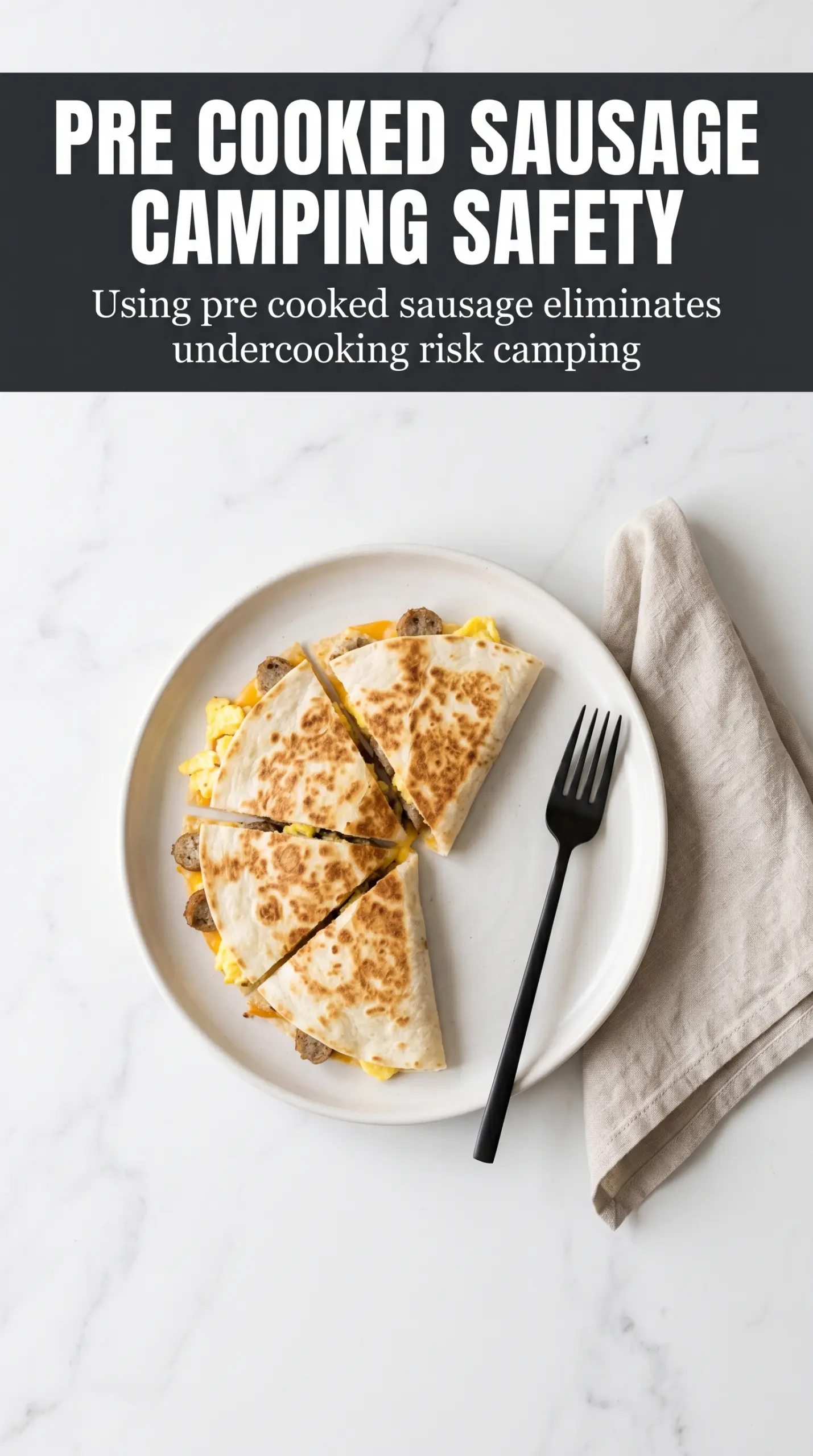
- Flour tortillas — Flour tortillas brown evenly and stay flexible enough to fold around the filling. Use the freshest ones you can get; older tortillas crack faster at the edges. If yours are stiff, warm them briefly so they bend without tearing.
- Scrambled eggs — These need to be just set because they finish warming in the skillet. Dry, fully cooked eggs turn crumbly and make the filling fall apart. Soft scrambled eggs give the best texture and help the quesadilla slice cleanly.
- Breakfast sausage — Sausage brings the seasoning, fat, and hearty texture that make this breakfast feel complete. Any cooked and crumbled breakfast sausage works, but don’t leave it greasy; too much fat can soak into the tortilla and turn it limp. Drain it lightly if needed.
- Mexican cheese blend — This is the part that holds everything together. A blend melts smoothly because it usually includes cheeses that stretch well and stay creamy. Pre-shredded is fine here, though freshly shredded melts a little faster and smoother.
- Green onions — They add a sharp, fresh bite that cuts through the richness. Slice them thin so they soften slightly in the heat instead of poking out of the tortilla. If you don’t have them, a little diced chive or finely minced white onion works.
- Butter — Butter is what gives the tortilla its rich, even browning. Oil will work in a pinch, but you’ll lose some of that toasty flavor. Spread it thin so the tortilla fries, not soaks.
Building the Layers So the Quesadilla Cuts Cleanly
Preheat the Skillet First
Set your cast iron skillet or griddle over the campfire and let it come up to medium heat before any tortillas go in. If the pan starts cold, the tortilla absorbs fat and cooks unevenly, which gives you soft spots instead of that crisp surface. You want a steady sizzle the moment the buttered tortilla hits the pan.
Stack the Filling in Thin, Even Layers
Lay one tortilla butter-side down, then add the eggs, sausage, cheese, and green onions in a loose but even layer. Keep the filling away from the very edges so it doesn’t spill out and burn in the pan. If you mound it high in the center, the tortilla will brown before the middle heats through.
Flip Only After the First Side Sets
Cook for 3 to 4 minutes on the first side until the bottom is deep golden and releases cleanly. Slide a spatula under the whole quesadilla and turn it in one confident motion; hesitating usually tears the tortilla or shifts the filling. The second side needs less time, just enough to brown and finish melting the cheese.
Let It Rest Before Cutting
Pull the quesadilla from the heat and let it sit for a minute before slicing into wedges. That short rest lets the cheese settle instead of spilling out the moment the knife goes in. Use a sharp knife or pizza cutter for the cleanest cuts, then serve with salsa and sour cream right away.
Ways to Change the Filling Without Losing the Good Part
Make It Meatless With Black Beans and Peppers
Skip the sausage and use seasoned black beans with sautéed bell peppers. You’ll lose some of the savory richness, but the beans give the filling enough body to stay satisfying. A pinch of cumin and a little extra cheese helps bridge the gap.
Use Corn Tortillas Only if You Want a Smaller, Crisper Quesadilla
Corn tortillas give you a different result: smaller, more fragile, and more toasty than flexible. They work best if you make individual single-layer quesadillas instead of trying to fold in a heavy filling. The flavor is great, but the structure is less forgiving than flour.
Make It Dairy-Free With a Good Melting Vegan Cheese
A dairy-free shredded cheese blend can work here if it’s one that actually melts, not one that just warms. The filling will be a little less creamy, so keep the eggs soft and don’t overload the tortillas. You may need a touch more butter substitute on the outside for browning.
Storage and Reheating
- Refrigerator: Store leftovers for up to 3 days wrapped or in an airtight container. The tortilla softens a bit, but the flavor holds well.
- Freezer: These freeze well if you cool them completely first, wrap tightly, and freeze in a single layer before stacking. The texture is best if you freeze them before adding salsa or sour cream.
- Reheating: Reheat in a skillet over medium-low heat or in a 375°F oven until warmed through. Avoid the microwave if you want the tortilla crisp; it makes the outside soft and the filling unevenly hot.