Smashed Blackstone cinnamon rolls hit that sweet spot between bakery-soft center and crisp, buttery edges. The griddle gives the outside a caramelized shell fast, while the middle stays tender and gooey enough to soak up icing. The result is less like a neat breakfast pastry and more like a warm, sticky, golden-edged treat you eat straight from the plate.
What makes this version work is the smash. Pressing the rolls flat increases the surface area, so the sugar in the dough and butter can brown instead of just steam. Medium-low heat matters here because the outside needs enough time to caramelize before the center overcooks. If the griddle runs too hot, the bottoms will darken before the rolls finish through.
Below, I’ll walk through the griddle timing that keeps the centers soft, the best way to get those edges crisp without tearing the dough, and a few variations for when you want to switch up the icing or make a different kind of breakfast treat.
I smashed them just like the directions said and the edges turned out perfectly caramelized while the middle stayed soft. The cream cheese icing on top made them taste like a bakery treat off the griddle.
Like these smashed Blackstone cinnamon rolls? Save them for the mornings when you want crisp edges, soft centers, and warm icing in minutes.
The Smash Is What Keeps the Centers Soft Instead of Doughy
The biggest mistake with griddle cinnamon rolls is treating them like pancakes. They need pressure. Flattening them gives the dough enough contact with the hot surface to brown fast, but not so fast that the outside burns before the inside cooks through. That’s why a heavy spatula matters more here than a delicate touch.
Butter under the rolls does two jobs at once: it prevents sticking and feeds the caramelization on the bottom. If the griddle is too hot, the butter will smoke before the rolls have time to crisp, and you’ll get dark spots with pale, undercooked centers. Medium-low heat gives you the slow, steady browning you want.
- Smashing after the rolls hit the griddle — Press them down as soon as they land, while the dough is still soft enough to flatten without tearing. Waiting even a minute lets the surface set and makes them harder to shape evenly.
- Letting the first side fully caramelize — Don’t move them too soon. Once the bottom turns deep golden and releases from the griddle, it’s ready to flip cleanly.
- Using icing at the end — Add it after the rolls come off the heat so it melts into the ridges instead of drying out or sliding off the pan.
Why the Griddle, Butter, and Icing All Matter Here
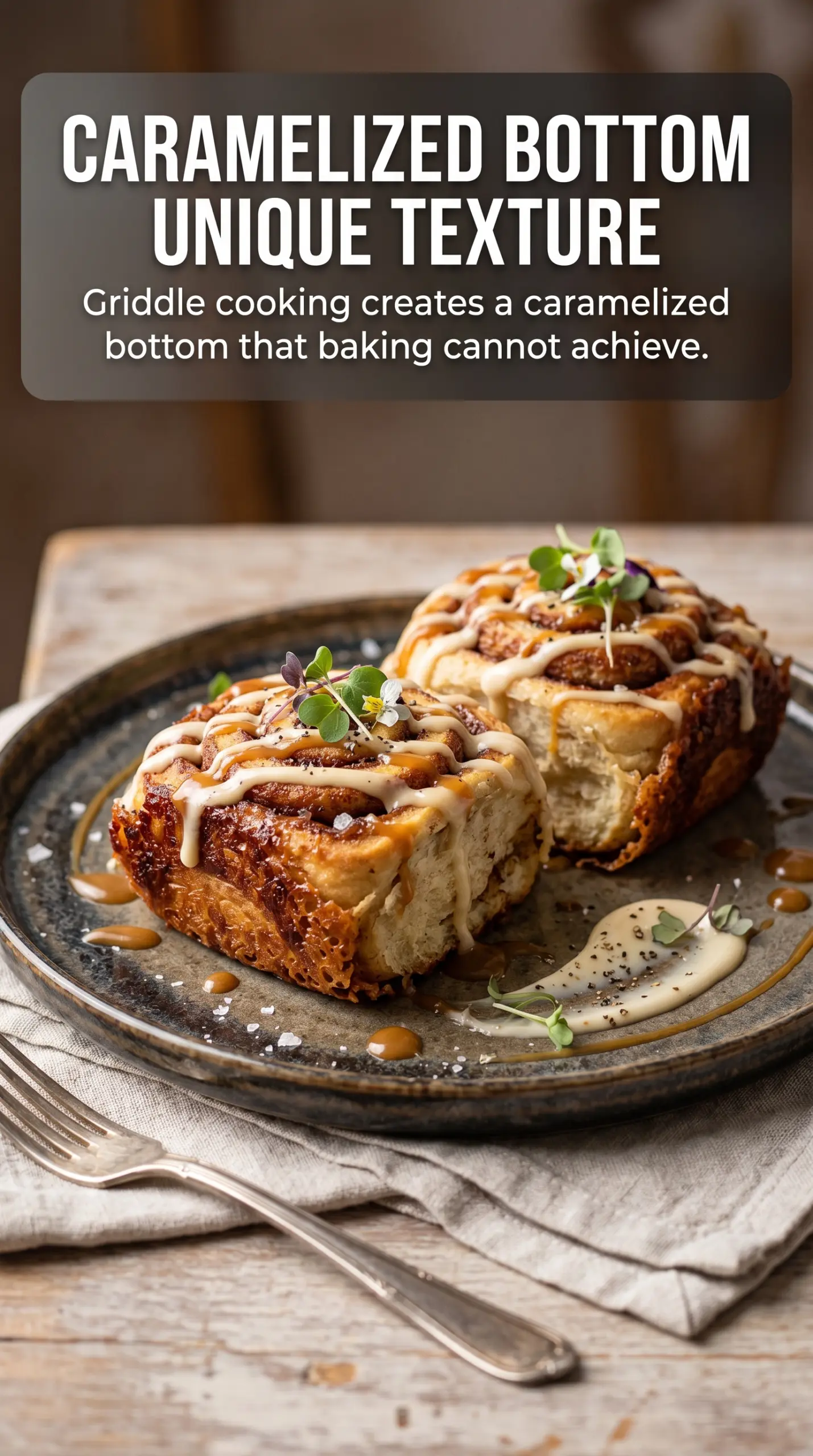
- Refrigerated cinnamon rolls — These are built for speed, which is exactly why they work here. The canned dough has enough structure to hold up to smashing, and the included icing gives you a glossy finish without extra work. If you use a larger roll style, extend the cook time a minute or two so the center catches up.
- Butter — Don’t skip it or swap in a light oil if you want the same flavor. Butter helps the edges brown with that toasted, rich finish that makes these taste like more than warmed dough. If your griddle tends to run hot, add the butter in two smaller rounds so it doesn’t scorch.
- Cream cheese icing — This is optional, but it gives the rolls a tangier, thicker top that balances the sweetness well. If you only have the packet icing, warm it in your hands for a few seconds so it drizzles instead of clumping.
- Cinnamon sugar — This is the quick finish that makes the outside taste bakery-style. Sprinkle it while the icing is still warm so it sticks to the top instead of sliding off.
The Few Minutes on the Griddle That Change Everything
Heating the Surface Without Overdoing It
Set the Blackstone to medium-low and let it preheat before the butter goes on. You want the butter to melt and shimmer, not spit and brown immediately. If it starts smoking, the griddle is too hot and the rolls will scorch before they cook through.
Flattening the Rolls Evenly
Place the rolls on the buttered surface and press each one flat with a heavy spatula. The goal is a wide, even disc, not a torn, smashed mess, so use firm pressure in one motion instead of jabbing at it. If the dough sticks to the spatula, wait a few seconds and try again after the butter loosens the surface.
Cooking to Deep Golden Edges
Let the first side cook for 4 to 5 minutes until the bottom is deeply golden and caramelized. You should see the edges firm up and the tops lose their raw sheen. If the color is still pale, give them another minute; if they’re turning dark too quickly, lower the heat before flipping.
Finishing With Icing While They’re Hot
Flip and cook the second side for another 3 to 4 minutes, then pull them off the griddle right away. Drizzle with the icing while they’re still hot enough to melt it into the cracks, then finish with cinnamon sugar. That last step is what gives you the sticky, glossy finish instead of a dry glaze sitting on top.
How to Change These Up Without Losing the Crispy Edges
Dairy-Free Version
Use a dairy-free canned roll if you can find one, then swap the butter for a plant-based stick that browns well. The texture stays close, but the flavor will be a little less rich, so the cinnamon sugar on top matters more for that warm finish.
Extra Cream Cheese Icing Finish
If you want these closer to a dessert-style breakfast, add a second drizzle of cream cheese icing after the first one melts in. That gives you a thicker, tangier top layer, but it also softens the crisp edges faster, so serve them right away.
Gluten-Free Shortcut
Use a gluten-free refrigerated cinnamon roll dough that’s meant for baking, not puff pastry or biscuits. Gluten-free dough can be more delicate when smashed, so press once and leave it alone until the crust forms.
Bigger-Batch Griddle Timing
If you’re cooking several rolls at once, leave space between them so the griddle stays hot and the steam can escape. Crowding traps moisture, which is the fastest way to lose the crisp exterior that makes this recipe worth doing.
Storage and Reheating
- Refrigerator: Store leftovers in an airtight container for up to 2 days. The edges soften, but the flavor stays good.
- Freezer: These freeze better without icing. Wrap tightly and freeze for up to 1 month, then thaw before reheating.
- Reheating: Warm on a dry skillet or griddle over low heat for a few minutes. The common mistake is microwaving them too long, which makes the dough rubbery and the caramelized edges disappear.
Answers to the Questions Worth Asking
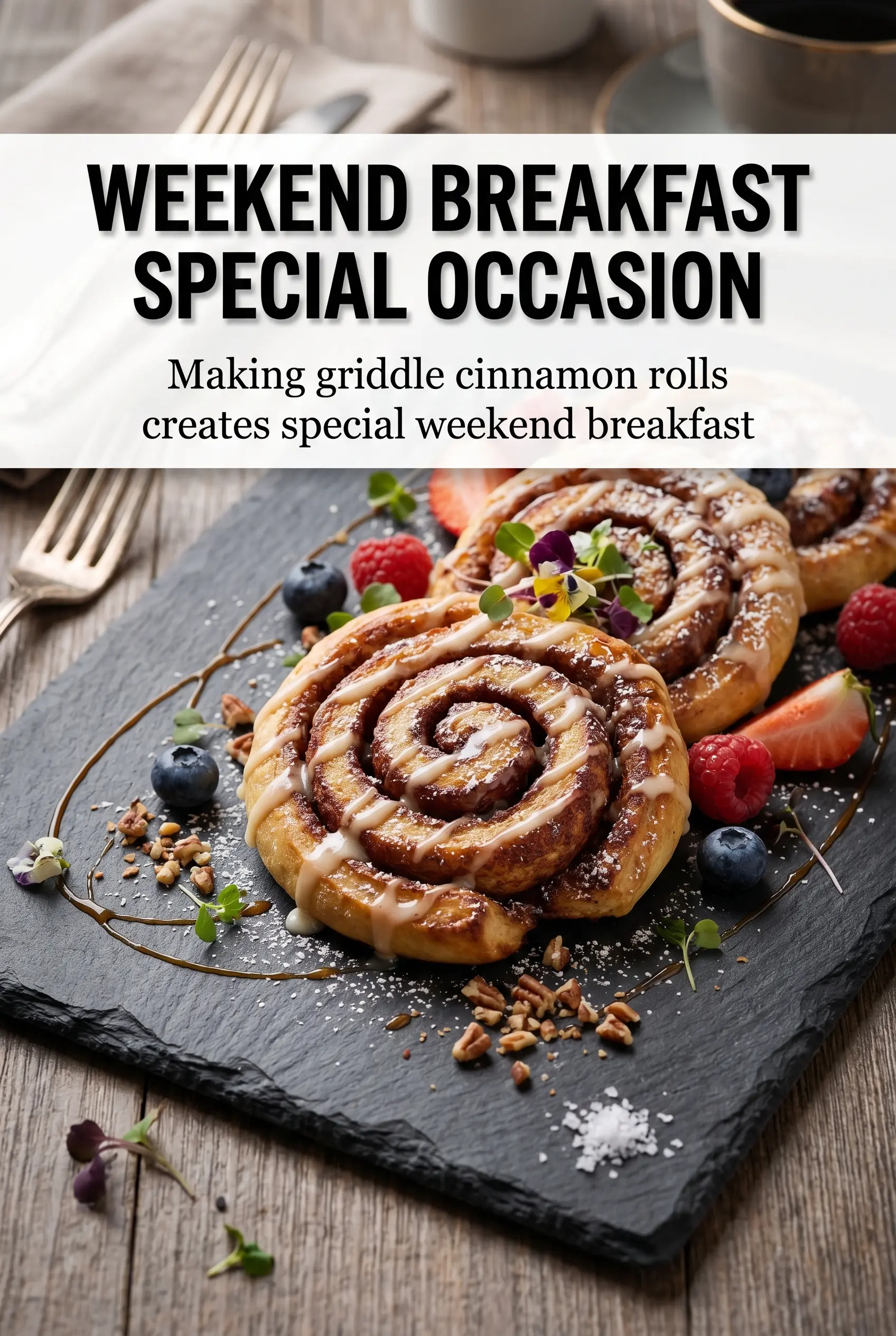
Smashed Blackstone Cinnamon Rolls
Ingredients
Equipment
Method
- Heat a Blackstone griddle to medium-low and add the butter, letting it melt and turn glossy.
- Place the refrigerated cinnamon rolls on the griddle and use a heavy spatula to smash them flat.
- Cook for 4-5 minutes until the bottom is golden and caramelized.
- Flip the smashed rolls and cook another 3-4 minutes until both sides are crispy.
- Remove the rolls from the griddle and immediately drizzle with the included icing or additional cream cheese icing.
- Sprinkle with cinnamon sugar while warm, then serve right away.