Smoked mac and cheese earns its place at the table when the sauce stays velvet-smooth, the noodles hold their shape, and the top turns into a crisp, buttery lid. The smoke gives the whole pan a deeper, woodsy edge, but the real payoff is the contrast: creamy underneath, bronzed and crackly on top.
The trick is treating the cheese sauce like a proper béchamel first. Flour and butter need a minute together before the milk goes in, or you end up with a raw, pasty taste. Sharp cheddar brings the bite, smoked Gouda brings that mellow smoky note without making the whole dish taste like a campfire, and the panko topping gives you the crust that keeps this from feeling one-dimensional.
Below, I’ve laid out the part that matters most: how to keep the sauce smooth, how to avoid greasy cheese, and what to watch for in the smoker so the pasta finishes tender without turning soft.
The sauce stayed creamy all the way through the smoke time, and the panko topping turned out crisp instead of soggy. My husband kept sneaking spoonfuls before it even hit the table.
Save this smoked mac and cheese for the next BBQ when you want a creamy center, smoky depth, and a crisp golden topping in one pan.
The Reason the Sauce Stays Creamy in the Smoker
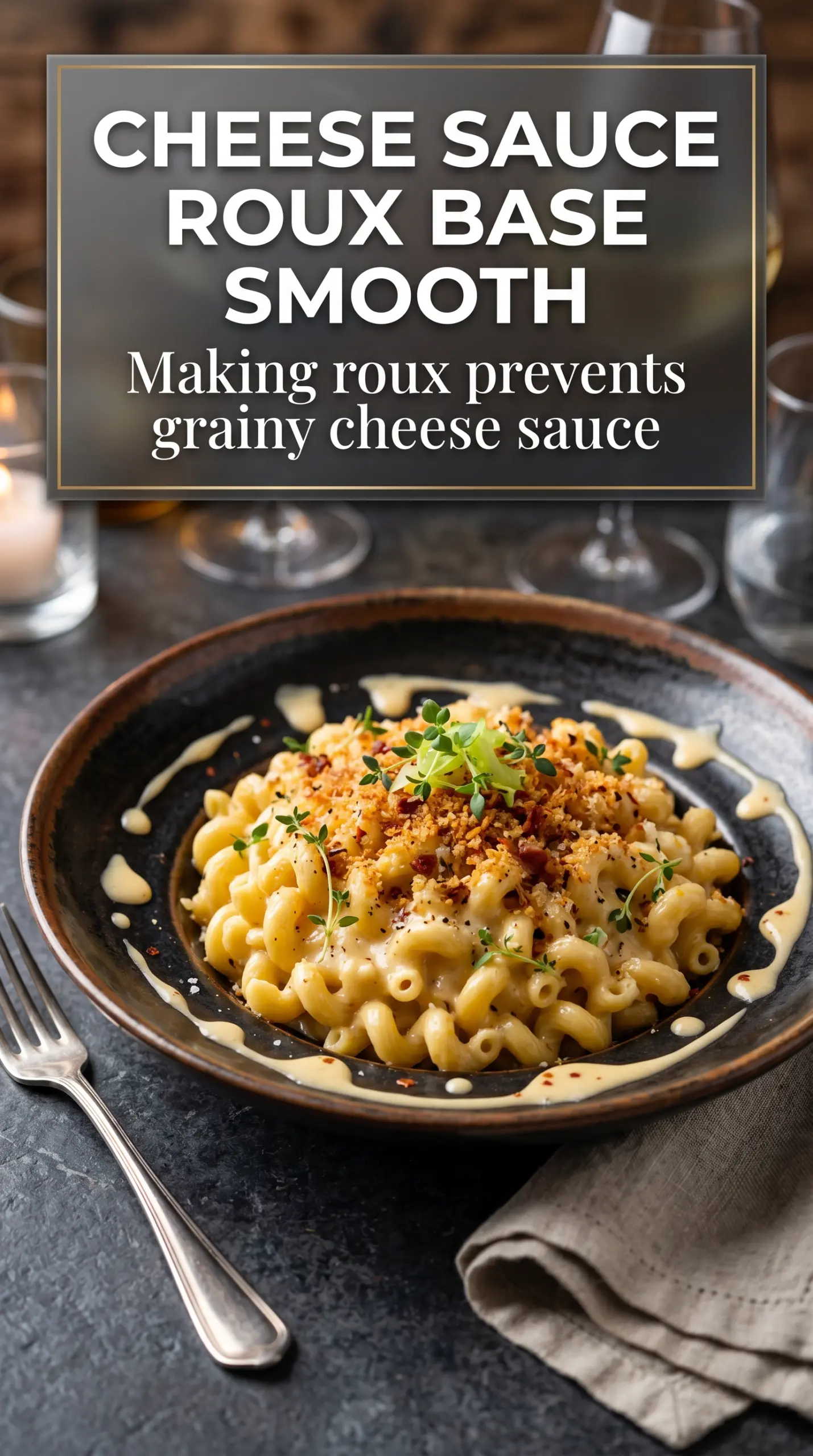
Most smoked mac and cheese goes wrong when the cheese is pushed too hard. High heat makes the dairy tighten up and turn grainy, and once that happens, the smoke doesn’t fix it. This version keeps the smoker at 225°F and builds the sauce on the stove first, which gives the cheese a stable base before it ever sees heat in the pan.
The other mistake is using only pre-shredded cheese. It works in a pinch, but the anti-caking coating keeps it from melting as smoothly. Freshly shredded cheddar and Gouda melt into a silkier sauce, and that matters here because the pasta spends almost an hour in the smoker. You want the sauce to stay loose enough to coat every noodle without drying out.
What Each Ingredient Is Actually Doing Here
- Sharp cheddar — This is the main cheese flavor and it gives the sauce its backbone. Use a good block and shred it yourself if you can, because that melts into a smoother sauce than bagged shreds.
- Smoked Gouda — This brings the smoke into the sauce itself, so the finished dish tastes layered instead of just smelling smoky from the smoker. If you can’t find it, Fontina is the best melt substitute, but you’ll lose that built-in smoke note.
- Milk and heavy cream — The milk keeps the sauce light enough to flow through the pasta; the cream gives it body. You can swap in all milk, but the finished dish won’t have the same rich, clingy texture.
- Panko breadcrumbs — Panko is what gives you that crackly top. Regular breadcrumbs work, but they pack down more tightly and don’t brown as cleanly in the smoker.
- Elbow macaroni — The curves trap sauce in every bite. Cook it just to al dente, because it keeps softening once it goes into the smoker.
Building the Pan So It Bakes Like a Casserole, Not a Pool of Sauce
Start with the roux
Melt the butter and whisk in the flour until it looks like wet sand and smells a little nutty, not raw. Give it a full minute over gentle heat so the sauce won’t taste floury later. If you rush this part, the cheese sauce can taste flat and chalky even if the texture looks fine.
Whisk in the dairy slowly
Add the milk and cream in a steady stream while whisking, and keep the heat moderate until the mixture thickens enough to coat the back of a spoon. It should look smooth before the cheese goes in, with no lumps hiding along the bottom of the pan. If it starts bubbling hard, pull it back; aggressive boiling is what makes a milk sauce split.
Melt the cheese off the heat
Take the pan off the burner before adding the cheddar and Gouda. Stir them in a handful at a time until the sauce turns glossy and smooth. If the sauce looks grainy, the heat was too high; lower the temperature and keep stirring until it comes back together.
Smoke until the top sets
Spread the pasta in an aluminum pan, top it with the panko-butter mixture, and slide it into the smoker. You’re looking for bubbling around the edges and a deep golden top, not a dry surface. If the top browns before the center is hot, tent loosely with foil for the last stretch so the crust doesn’t burn before the middle finishes.
How to Adapt This for a Different Crowd
Gluten-Free Version
Use your favorite gluten-free elbow pasta and thicken the sauce with a measure-for-measure gluten-free flour blend instead of all-purpose flour. The texture stays close to the original, though the sauce may be a touch less elastic, so keep the heat gentle and stir until it looks glossy before adding the cheese.
Lighter, Less Rich Finish
Swap the heavy cream for more milk and cut back the cheese by about one cup total. The dish will still be creamy, but the sauce will set a little looser and won’t feel as decadent. This is the version I’d use for a bigger buffet where people are serving themselves alongside heavier BBQ mains.
Extra Smoky BBQ Style
Add a pinch of smoked paprika to the sauce and fold in a handful of crumbled cooked bacon if you want it to lean more like a barbecue side. The smoke gets deeper and more savory, but it can overpower the cheese if you go heavy, so start small and taste before it goes into the pan.
Storage and Reheating
- Refrigerator: Store covered for up to 4 days. The sauce will thicken as it chills, so expect the noodles to absorb a little more moisture.
- Freezer: It freezes, but the texture is less silky after thawing. Freeze in portions, tightly wrapped, for up to 2 months if you don’t mind a slightly softer sauce after reheating.
- Reheating: Reheat covered in a 325°F oven with a splash of milk stirred in if it looks dry. Microwave reheating works, but it can make the cheese separate unless you warm it in short bursts and stir between each one.
Answers to the Questions Worth Asking
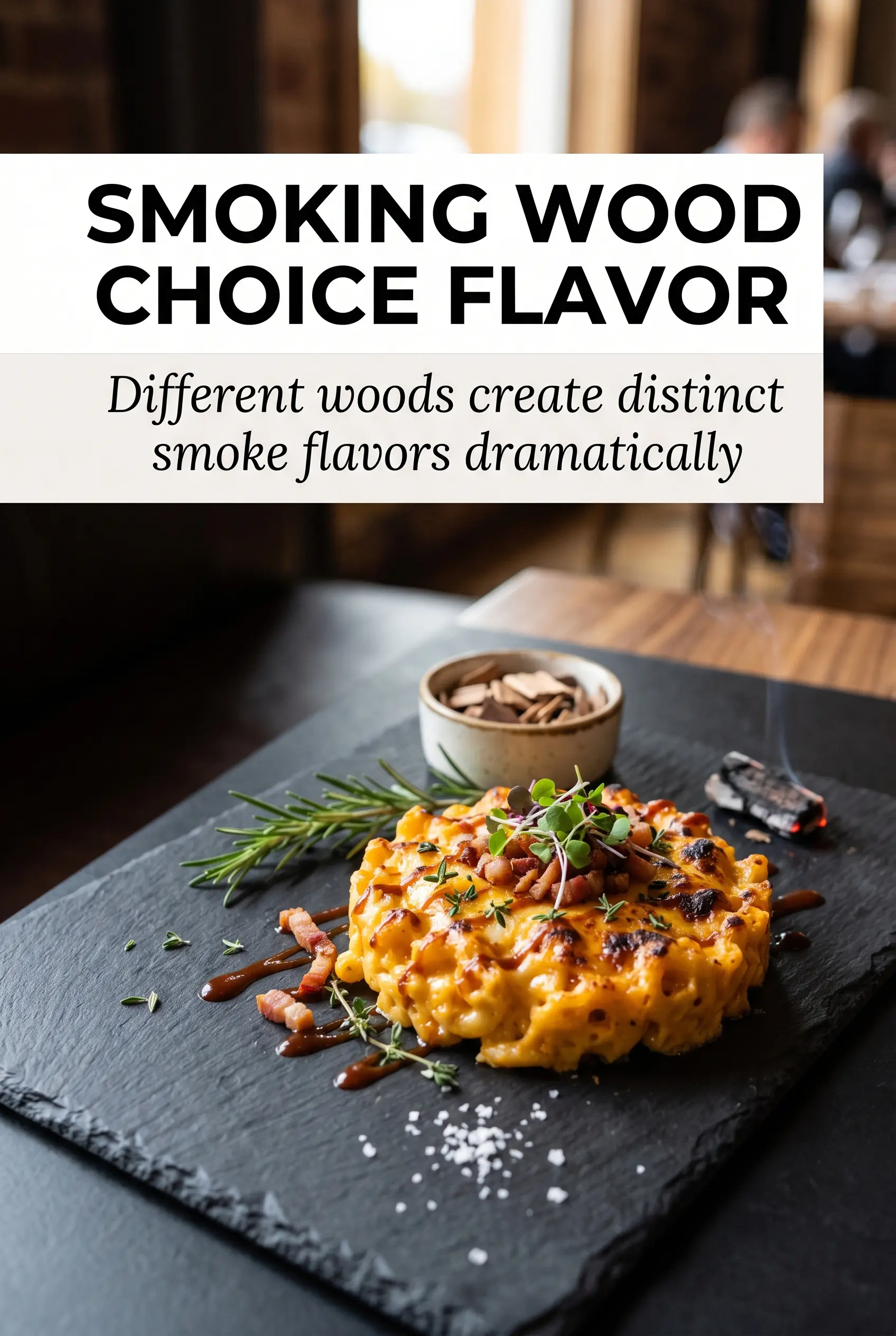
Smoked Mac And Cheese
Ingredients
Equipment
Method
- Prepare smoker to 225°F and maintain steady heat for smoke cooking (visual cue: clear smoke and stable temperature on the gauge).
- Cook the elbow macaroni until done, then drain (visual cue: pasta is tender but still holds shape).
- In a Dutch oven, melt butter over medium heat until foamy (visual cue: butter turns glossy).
- Add flour and whisk for 1-2 minutes until smooth and lightly thickened (visual cue: no dry flour streaks).
- Whisk in milk and heavy cream gradually and heat until steaming (visual cue: sauce starts to thicken at the edges).
- Add sharp cheddar and smoked Gouda along with garlic powder and salt and pepper, stirring until fully melted and smooth (visual cue: cheese sauce looks glossy and uniform).
- Mix the cooked macaroni with the cheese sauce in an aluminum pan (visual cue: pasta is evenly coated).
- In a small bowl, combine panko breadcrumbs with melted butter, then sprinkle over the top (visual cue: topping looks evenly speckled and dry).
- Smoke at 225°F for 60-90 minutes until bubbly in the center and golden on top (visual cue: vigorous bubbling and browned crust).
- Rest for 10 minutes before serving to let the sauce set (visual cue: bubbling calms and slices hold their shape).