These sugar-free pumpkin spice cookies bake up soft in the middle with lightly crisp edges and a warm, spiced flavor that feels close to the classic bakery version. The pumpkin stays in the background just enough to keep the cookies moist without turning them cakey, and the cinnamon glaze finishes them with the kind of sweetness that makes the whole tray disappear faster than you’d expect.
The detail that matters most here is the pumpkin puree. If it goes in straight from the can, the extra moisture can make the dough spread oddly and bake up dense. Blotting it first keeps the texture tender instead of wet, and creaming the butter with the erythritol long enough helps the cookies spread in a controlled way instead of baking up flat and grainy.
Below, I’ve included the small timing cues that keep these cookies soft in the center, plus the best swap if you want to go lower carb with almond flour. The glaze is optional, but it does a lot of work for both the look and the flavor.
The cookies stayed soft for days, and blotting the pumpkin first made a huge difference — mine didn’t spread into little pancakes like other sugar-free pumpkin cookies I’ve tried.
Save these sugar-free pumpkin spice cookies for when you want soft, spiced cookies with a cinnamon glaze and no sugar crash.
The Pumpkin Moisture Problem That Makes Sugar-Free Cookies Spread
Pumpkin is what makes these cookies taste like pumpkin spice cookies, but it’s also the ingredient most likely to ruin the texture. A full, wet spoonful straight from the can adds enough water to loosen the dough, and with sugar-free sweeteners that already behave differently from white sugar, the cookies can bake up puffier, flatter, or oddly soft in the middle.
Blotting the pumpkin on paper towels removes the excess moisture without stripping out the flavor. That keeps the dough thick enough to scoop cleanly and helps the cookies set at the edges while staying tender inside. The other piece that matters is the creaming step: you want the butter and sweetener to look light and fluffy before anything else goes in, because that trapped air gives the cookies a better rise and a softer bite.
- Blotted pumpkin puree — This is the difference between a manageable dough and a sticky one. Press it between layers of paper towel until it looks matte instead of shiny.
- Erythritol or monk fruit sweetener — Granulated sugar-free sweeteners don’t melt and brown the same way sugar does, so don’t expect a deep caramel finish. They still work well here because the cookies rely more on spice and butter for flavor.
- Pumpkin pie spice plus cinnamon — Pumpkin pie spice brings the classic warm base, and the extra cinnamon sharpens it. If you only have pumpkin pie spice, use a little more of that and skip the extra cinnamon.
- Almond flour swap — Almond flour makes the cookies softer and a little more delicate, with a slightly nutty flavor. Use it if you want lower carb cookies, but expect less spread and a more tender crumb.
What Each Ingredient Is Actually Doing in This Recipe
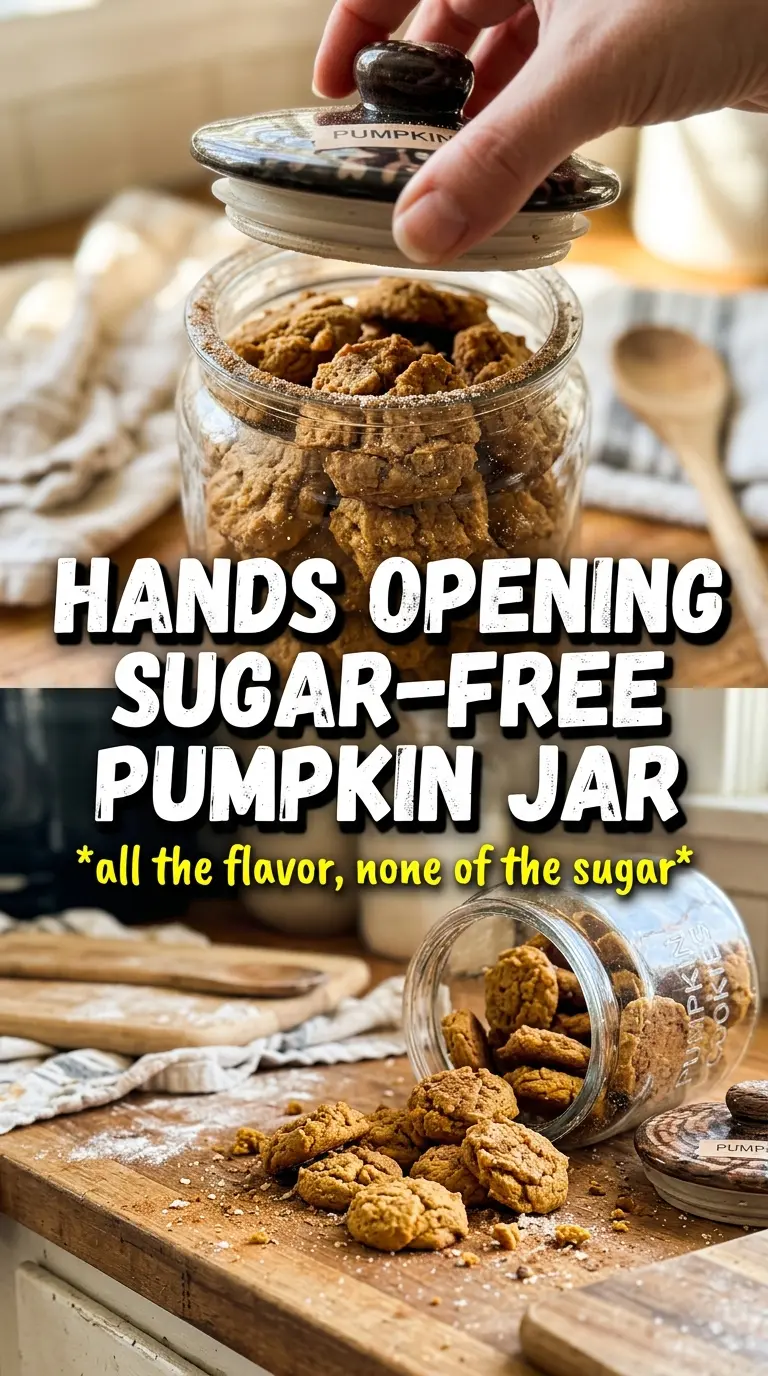
- Primary ingredient (the star) — Quality matters most. Choose the best you can find.
- Cooking medium (oil, butter, or broth) — This carries flavors and prevents dryness.
- Seasonings (salt, pepper, spices, herbs) — Layer flavors so nothing overpowers. Build depth gradually.
- Aromatics (garlic, onion, herbs) — Cook with fat to bloom flavors. Become the foundation.
- Supporting ingredients — Complement the main ingredient without overpowering it.
- Sauce or liquid (if applicable) — Brings flavors together. Balance richness with acid.
- Acid (lemon, vinegar, wine, or other) — Brightens and prevents flat-tasting results.
- Final finish (garnish, glaze, or sauce) — Prevents one-dimensional taste and adds visual appeal.
Building the Dough So the Cookies Stay Soft, Not Cakey
Creaming the Butter and Sweetener
Start with butter that’s soft enough to press a finger into, but not greasy or melting. Beat it with the granulated sweetener until the mixture looks paler and a bit fluffy; this takes longer than most people think, but it’s what gives the cookies lift. If you rush this part, the dough will feel heavy and the finished cookies can turn dense.
Adding the Pumpkin Without Flooding the Dough
Mix in the blotted pumpkin, egg, vanilla, and maple extract until just combined. The dough may look slightly curdled for a moment, and that’s normal before the flour goes in. If the pumpkin was still wet, this is where the dough starts to loosen too much, so keep an eye on texture; it should still look scoopable, not pourable.
Bringing the Flour In Gently
Fold in the flour, baking soda, pumpkin pie spice, cinnamon, and salt until no dry streaks remain. Stop as soon as the dough comes together, because overmixing after the flour goes in can make the cookies tougher and encourage extra spread. Use a 1 1/2-tablespoon scoop if you have one so every cookie bakes at the same rate.
Watching for the Right Bake
Bake until the edges are set and the centers still look slightly soft, about 10 to 12 minutes. The cookies will finish setting on the baking sheet as they cool, so pulling them when the middle is fully firm usually means they’ve gone too far. Let them cool completely before glazing, or the icing will melt and slide right off.
How to Adjust These Cookies Without Losing the Texture
Lower-Carb Almond Flour Version
Replace the all-purpose flour with almond flour for a softer, more delicate cookie with fewer carbs. The dough won’t spread as much, so flatten the scoops slightly before baking. The flavor gets a little nuttier, and the texture stays tender instead of chewy.
Dairy-Free Version
Use a firm plant-based butter that’s meant for baking. Soft tub spreads can make the dough greasy and the cookies flatter, so stick with a block-style alternative for the closest texture.
No-Glaze Option
Skip the glaze and finish the cooled cookies with a light dusting of cinnamon if you want a less sweet version. You’ll lose the creamy top note from the icing, but the spice in the cookie itself becomes more prominent.
Storage and Reheating
- Refrigerator: Store in an airtight container for up to 5 days. The glaze may soften a little, but the cookies stay tender.
- Freezer: Freeze baked, unglazed cookies for up to 2 months. Thaw at room temperature and glaze after thawing for the best look.
- Reheating: If you want them warm, microwave a cookie for 8 to 10 seconds. Don’t overdo it or the sugar-free sweetener can make the texture turn gritty.
Questions I Get Asked About This Recipe
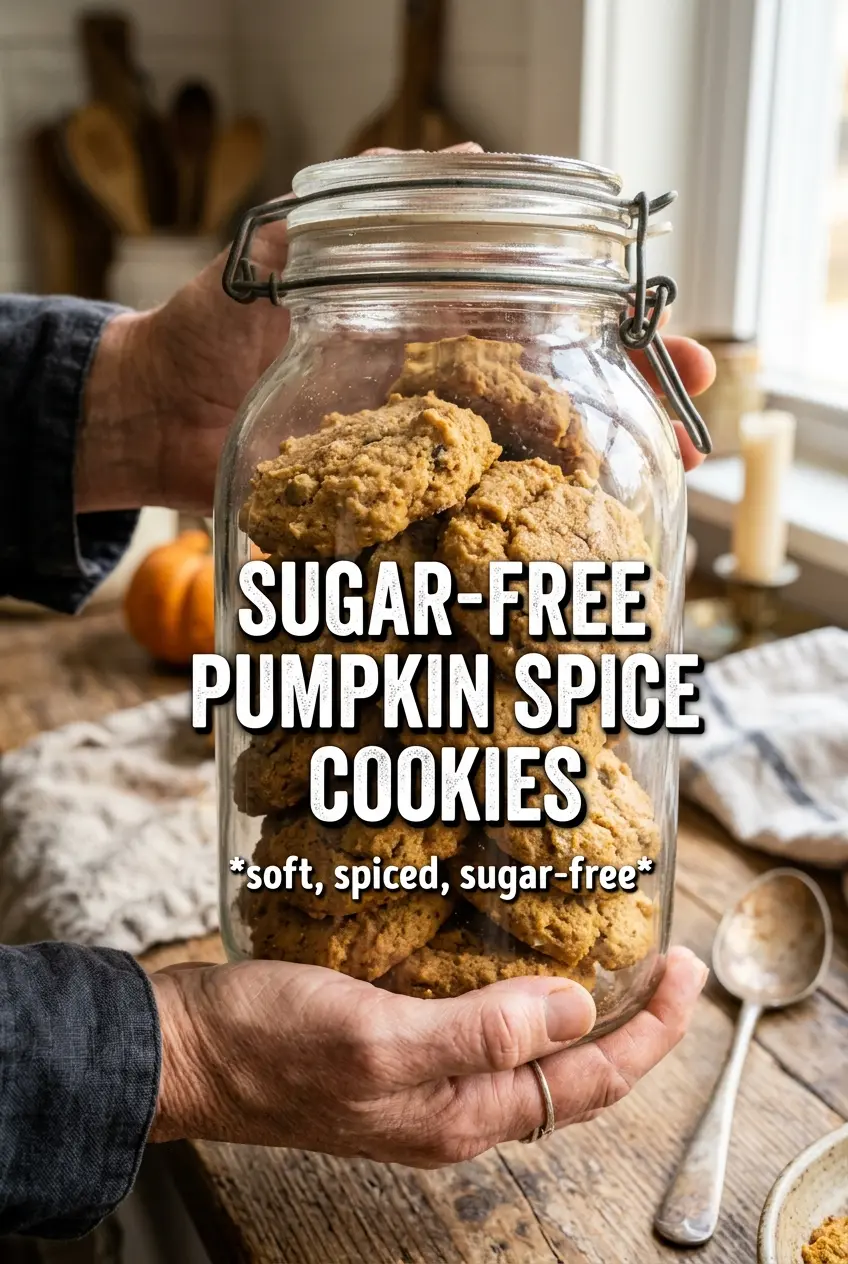
Sugar-Free Pumpkin Spice Cookies
Ingredients
Equipment
Method
- Preheat the oven to 350F and line baking sheets with parchment.
- Blot the pumpkin puree dry to remove excess moisture.
- Beat the softened butter and erythritol/monk fruit sweetener until as fluffy as possible.
- Add the blotted pumpkin puree, egg, vanilla, and maple extract and mix until combined.
- Fold in the all-purpose flour (or almond flour), baking soda, pumpkin pie spice, cinnamon, and salt just until no dry flour remains.
- Scoop 1-1/2 tablespoon rounds onto the lined baking sheets.
- Bake at 350F for 10 to 12 minutes, until the cookies look set around the edges.
- Cool completely before glazing.
- Stir powdered erythritol, milk, and cinnamon to make a drizzle-thin glaze.
- Drizzle the sugar-free glaze over the cooled cookies.