Juicy grilled chicken starts with a marinade that actually does more than perfume the surface. This one gives you balanced salt, acid, sweetness, and garlic so the chicken comes off the grill with flavor all the way through, not just a good char on the outside. The result is tender, well-seasoned chicken with clean grill marks and enough backbone to stand up to whatever you serve beside it.
The trick is keeping the acid in check and giving the chicken enough time to work. Lemon juice and soy sauce bring brightness and depth, but the olive oil, brown sugar, and Dijon keep the marinade from tasting sharp or drying out the meat. I’ve made plenty of grilled chicken that looked great but ate bland; this version fixes that by seasoning early and resting the meat long enough for the marinade to do its job.
Below, I’ll walk through the one part that matters most for juicy chicken, why each ingredient earns its place, and how to adapt the marinade for different cuts without losing the texture that makes it worth repeating.
The marinade coated the chicken beautifully and the lemon-soy balance was spot on. I grilled boneless thighs for 8 minutes per side and they came out juicy with the best char I’ve ever gotten at home.
Save this grilled chicken marinade for juicy, well-seasoned chicken with clean grill marks every time.
The Part Most Grilled Chicken Gets Wrong: Marinating Without Washing Out the Flavor
The biggest mistake with grilled chicken marinades is letting the acid take over. Too much lemon time, or too long in a very sharp marinade, can leave the outside a little chalky before the center ever picks up real flavor. This version keeps the lemon bright but balanced, and the oil helps carry the garlic, mustard, and herbs across the surface instead of letting them clump in one spot.
Another thing that matters here is the cut of chicken. Boneless pieces marinate faster and cook faster, but bone-in chicken needs the full window so the seasoning can reach farther in. If you rush the rest time, the chicken will still taste fine, but it won’t taste like the marinade had a chance to become part of the meat.
- Lemon juice — This gives the marinade its lift, but it’s also the ingredient most likely to overpower the chicken if you go heavy-handed. Stick to the measured amount and let time do the work instead of adding extra acid.
- Soy sauce — This is the backbone of the seasoning. It brings salt and umami at the same time, which is why the chicken tastes deeper all the way through instead of just salty on the surface.
- Olive oil — Oil helps the marinade cling and keeps the chicken from tasting dry on the grill. A neutral oil works too, but olive oil adds a little roundness that fits the garlic and herbs.
- Dijon mustard — Dijon ties the marinade together and helps emulsify the liquid so it coats the chicken evenly. Yellow mustard will work in a pinch, but it tastes sharper and less balanced.
What Each Ingredient Is Doing Before the Chicken Hits the Grill
- Chicken — Any cut works, but the timing changes. Boneless breasts need the least time and are the easiest to overcook, while thighs and bone-in pieces stay juicier and forgive a little more heat.
- Brown sugar — This doesn’t make the chicken sweet. It softens the sharp edges of the soy and lemon and helps the surface caramelize on the grill.
- Garlic — Fresh garlic matters here because it gives the marinade a real punch. Garlic powder won’t taste wrong, but it won’t give you the same depth or aroma.
- Dried herbs — Thyme, oregano, or Italian seasoning all work because they bring a savory, woodsy note that survives grilling. Fresh herbs can burn or turn muddy in the marinade, so dried is the smarter call here.
From Marinade Bowl to Grill Marks Without Losing the Juices
Mix the Marinade Until It Looks Emulsified
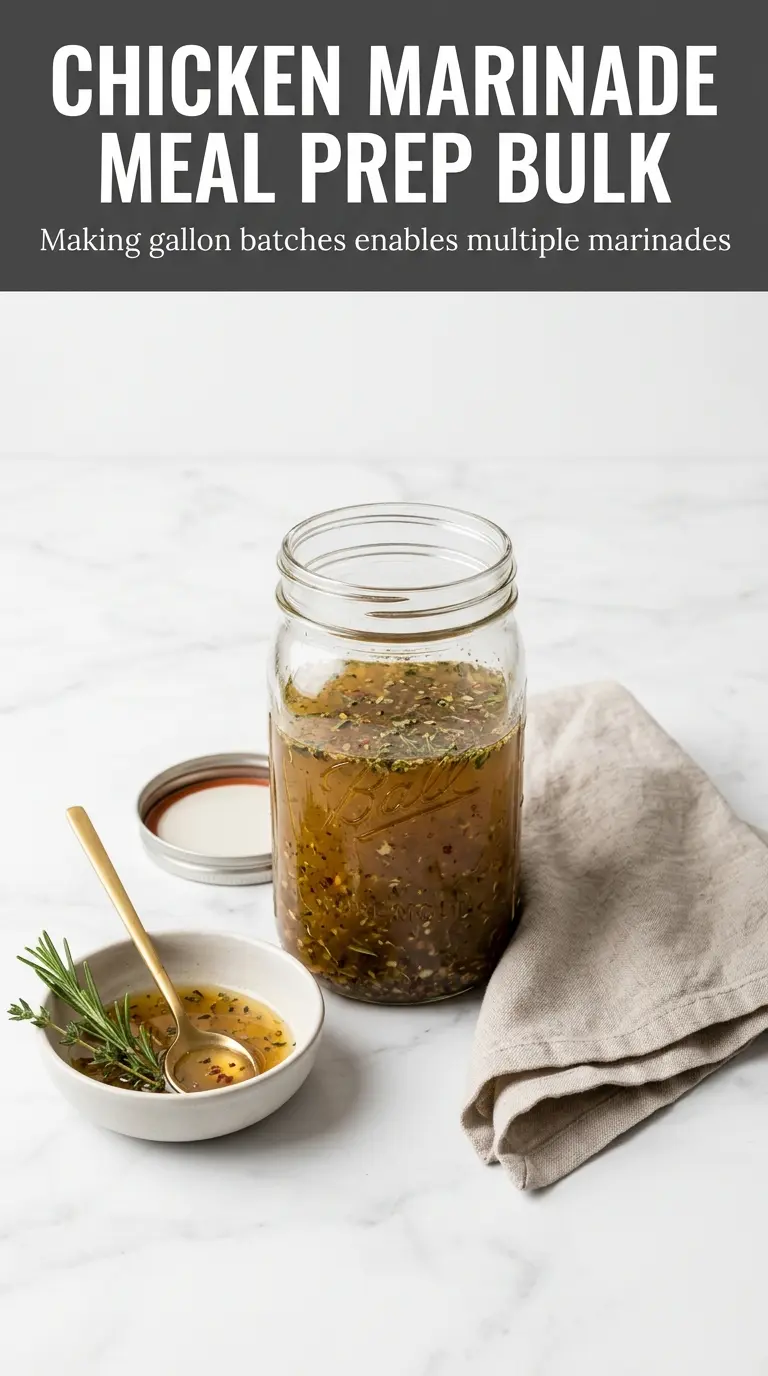
Whisk the oil, soy sauce, lemon juice, Worcestershire, Dijon, garlic, brown sugar, pepper, and herbs until the sugar starts dissolving and the mixture looks evenly blended. If the oil is floating in a slick layer, keep whisking a little longer. That emulsified look matters because it helps the flavor cling to the chicken instead of sliding to the bottom of the bag.
Let the Chicken Sit Long Enough to Taste the Difference
Place the chicken in a zip-top bag or shallow dish and pour the marinade over it, then turn it so every piece is coated. Refrigerate for 4 to 24 hours, depending on the cut. If you stop at 30 minutes, you’ll still get surface seasoning, but you won’t get the same juicy, seasoned bite all the way through.
Grill Over Medium-High Heat, Not Blazing Heat
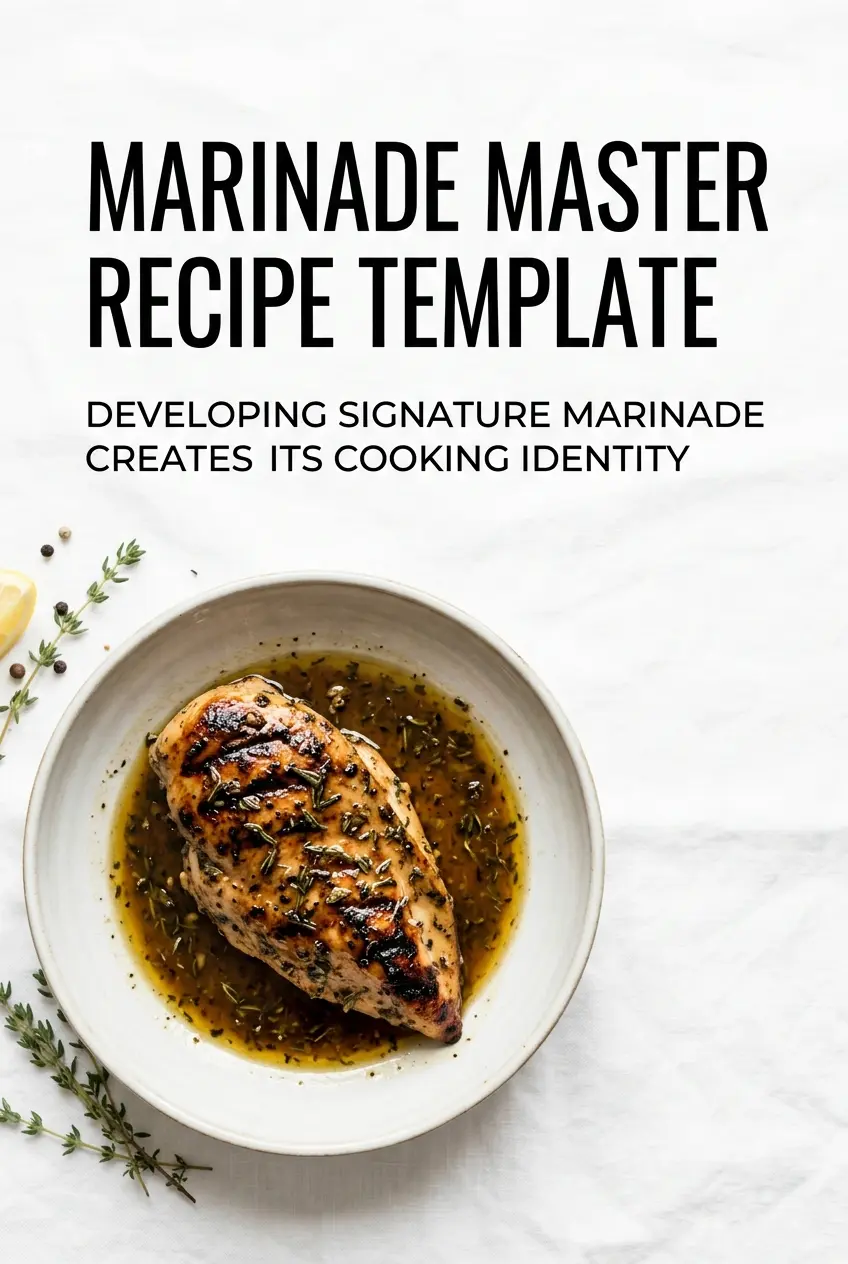
Preheat the grill and let it get hot, but don’t push it to the point where the sugars in the marinade burn before the chicken cooks through. Grill the chicken until it reaches 165°F in the thickest part, and use the cut as your timing guide rather than the clock. If the outside is browning too fast, move the chicken to a cooler spot on the grill and finish it there.
Rest the Chicken Before Slicing
Let the chicken rest for 5 to 10 minutes after grilling. That pause keeps the juices from running onto the cutting board the second you slice in. If you cut too soon, even perfectly grilled chicken can taste dry because the juices haven’t had time to settle back into the meat.
How to Adapt This Marinade for Different Cuts and Different Dinners
For boneless chicken breasts
Keep the marinating time closer to 4 to 8 hours so the lemon doesn’t push the texture too far. Breasts cook quickly and dry out fast, so pull them the moment they hit 165°F and let the rest time finish the job.
For bone-in thighs or drumsticks
These handle the full 24-hour marinade beautifully and stay juicy on the grill. Give them a little more time over indirect heat if the outside is browning before the meat is cooked through.
Gluten-free version
Use a gluten-free soy sauce or tamari and keep everything else the same. You’ll get the same salty depth and grill-friendly balance without changing the texture or the way the marinade behaves.
Dairy-free, weeknight, and make-ahead friendly
This recipe is already dairy-free, and that’s part of why it’s so useful for mixed-diet dinners. Mix the marinade the night before, add the chicken in the morning, and dinner is mostly waiting on the grill by evening.
Storage and Reheating
- Refrigerator: Store cooked chicken in an airtight container for up to 4 days. It stays juicy if you slice it only after it cools a bit.
- Freezer: Cooked grilled chicken freezes well for up to 2 months. Wrap portions tightly and thaw in the refrigerator so the texture doesn’t turn stringy.
- Reheating: Reheat gently in a covered skillet over low heat or in a 300°F oven with a splash of broth or water. High heat is the fastest way to dry out grilled chicken.
Questions I Get Asked About This Recipe
The Best Ever Grilled Chicken Marinade
Ingredients
Equipment
Method
- Whisk olive oil, soy sauce, lemon juice, Worcestershire sauce, and Dijon mustard together until smooth and fully combined, with no visible streaks.
- Whisk in minced garlic, brown sugar, black pepper, and dried herbs until evenly distributed, with the marinade looking uniform.
- Place the chicken in a large zip-top bag and pour the marinade over it, making sure the pieces are coated.
- Marinate in the refrigerator for 4-24 hours, keeping the bag flat so the liquid can contact the chicken on all sides.
- Preheat the grill to medium-high heat, aiming for steady heat across the grates before cooking.
- Grill the chicken until the internal temperature reaches 165°F, timing varies by cut, and turn or flip as needed for even grill marks.
- Rest the grilled chicken for 5-10 minutes before serving, so the juices reabsorb and the texture stays tender.