Steak, peppers, onions, mushrooms, and melted provolone all steam together in one sealed packet, which means the beef stays juicy and the vegetables pick up every bit of the Worcestershire-seasoned juices. Open the foil at the table and you get that unmistakable Philly cheesesteak smell before the first bite.
What makes this version work is the order of the ingredients and the heat of the grill. Thinly sliced sirloin cooks fast enough to stay tender, and the vegetables are cut so they soften in the same window without turning mushy. The foil does the heavy lifting here: it traps steam, melts the cheese evenly, and keeps cleanup down to almost nothing.
Below, I’ve included the little details that matter most, from how thin the steak should be sliced to the best way to seal the packets so nothing leaks over the fire. If you’ve ever had foil dinners dry out or come out unevenly cooked, the process notes will help you avoid both problems.
The steak stayed tender, the peppers still had a little bite, and the cheese melted right over everything without getting greasy. I used hoagie rolls and my husband said it tasted like a cheesesteak shop dinner from the grill.
These Philly Cheese Steak Foil Packet Dinners are perfect for a smoky grill night with tender steak, melty provolone, and almost no cleanup.
The Packet Seal That Keeps the Steak Juicy Instead of Steaming It Dry
Foil packets can go wrong when the seal is loose or the ingredients are packed too tightly. In that case, the vegetables steam unevenly, the cheese gets oily, and the steak can dry out before the center of the pile is fully hot. A good packet has enough room for a little circulation inside, but not so much space that everything spreads into a thin layer.
The other mistake is opening the packets too early. If you tear them open halfway through grilling, the steam escapes before the cheese has a chance to melt over the steak and vegetables. Keep them sealed until the full cook time is up, then open them carefully so the trapped heat finishes the cheese in a glossy layer.
What Each Ingredient Is Actually Doing in These Foil Packets
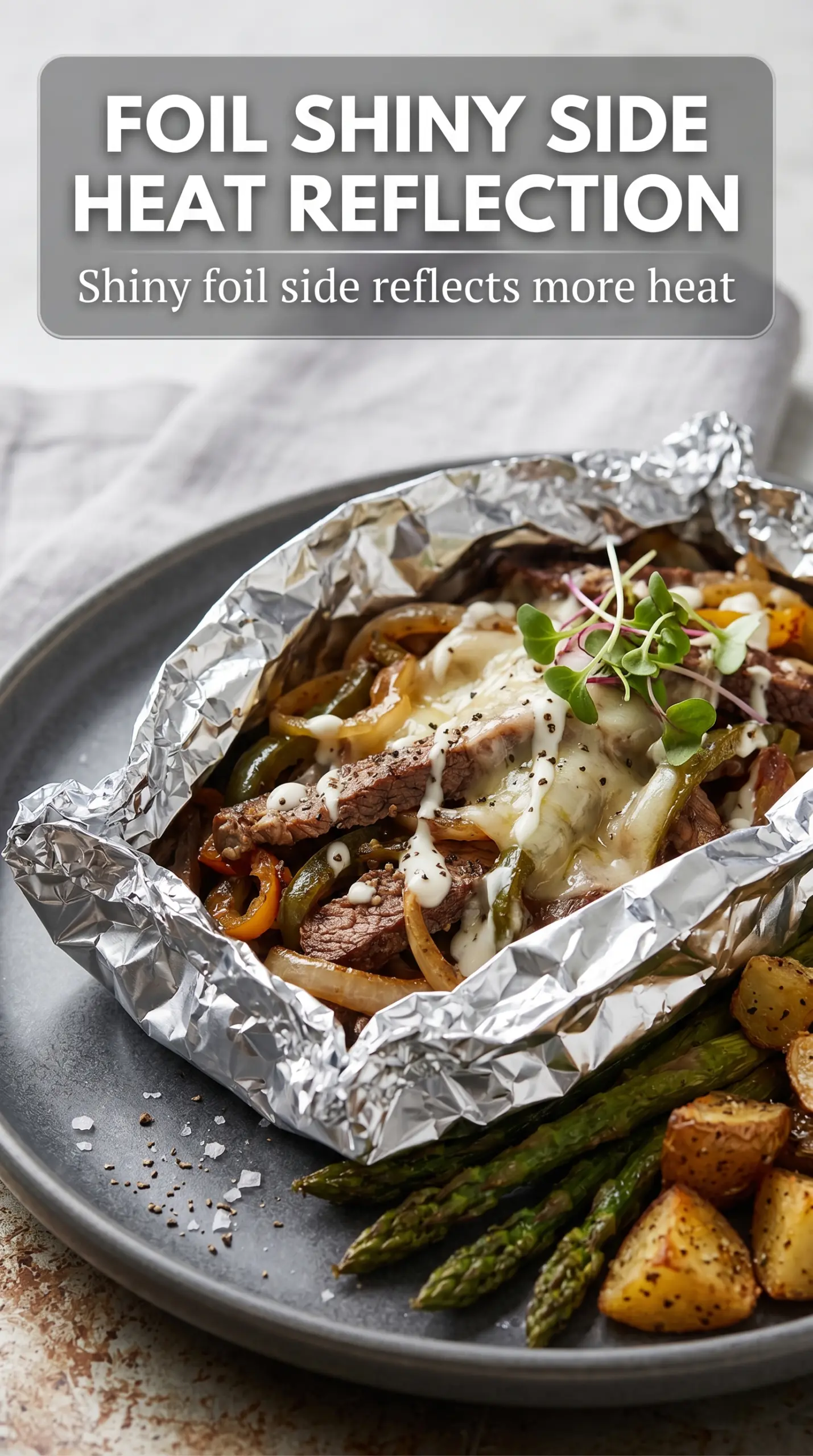
- Sirloin steak — This is the backbone of the dish. Sirloin stays tender with a short grill time, especially when sliced thin against the grain. If you swap in a tougher cut, it needs more time than the vegetables can take, and the whole packet starts to lose that clean cheesesteak texture.
- Bell peppers and onion — These bring the classic cheesesteak sweetness and a little edge. Slice them into even strips so they soften at the same pace, and keep the pieces on the thinner side if you like them fully tender. Thicker cuts stay crunchy while the steak finishes.
- Mushrooms — They add savory depth and catch the Worcestershire in the bottom of the packet. White button mushrooms are fine, but cremini give you a deeper flavor. Slice them so they’re not thicker than the onion strips, or they’ll lag behind.
- Provolone cheese — This melts smoothly without turning stringy or greasy. You can use mozzarella in a pinch, but you lose the slightly sharp, salty finish that makes this taste like a cheesesteak instead of just steak and cheese. Lay it on top before sealing so it melts from the trapped steam.
- Worcestershire sauce and olive oil — The Worcestershire gives the packet its beefy, tangy backbone, and the oil helps carry the seasoning while keeping the sliced steak from sticking together in the foil. Don’t skip the oil; that little bit of fat helps the whole packet cook more evenly.
Building the Packets So Everything Finishes at the Same Time
Divide the Filling Evenly
Spread the steak, peppers, onions, and mushrooms across four heavy-duty foil sheets so each packet has about the same amount of meat and vegetables. If one packet is overloaded, the steak at the center takes longer and the vegetables at the edges can dry out. Keep the piles compact but not smashed flat.
Season Before Sealing
Drizzle each pile with olive oil and Worcestershire sauce, then season with garlic powder, salt, and pepper. This is the moment when the juices start building in the bottom of the packet, so work the seasonings over the top rather than leaving them in one spot. If the steak looks dry before it’s sealed, it will eat dry later too.
Seal and Grill with Confidence
Fold each foil sheet into a tight packet, leaving a little room for steam to move around inside. Grill over medium heat for 18 to 20 minutes, flipping halfway through so both sides get even exposure. The packet should feel hot and puffed, and the vegetables should be tender when you open one corner carefully; if they still feel stiff, close it back up and give it a few more minutes.
Finish with the Cheese Melt
Carefully open the packets after grilling so the steam doesn’t hit your face. The provolone should be melted and glossy, draped over the steak and vegetables without separating. Serve it straight from the foil or pile it into hoagie rolls while it’s still hot, because this is at its best when the cheese is molten and the vegetables are still steaming.
How to Make These Foil Packets Work for Different Dinners
Dairy-Free Philly Cheesesteak Packets
Leave off the provolone and finish with a little extra Worcestershire and a drizzle of olive oil after grilling. You lose the classic melted cheese pull, but the steak and vegetables still carry plenty of flavor. Serve them in rolls or over potatoes if you want something to catch the juices.
Low-Carb Serving Style
Skip the hoagie rolls and serve the contents right from the foil packet or over cauliflower rice. The packet itself is already naturally low in carbs, so this is an easy adjustment that keeps the same grilled flavor and melty finish without changing the cooking method.
Swap the Steak for Chicken
Thinly sliced chicken breast or thigh works, but it needs the full cook time and should be checked for doneness before serving. Chicken won’t give you the same rich bite as sirloin, yet the peppers, onions, mushrooms, and cheese still make a solid grilled packet dinner.
Storage and Reheating
- Refrigerator: Store leftovers in an airtight container for up to 3 days. The vegetables will soften a little more after chilling, but the flavor holds up well.
- Freezer: Freeze the cooked filling without the rolls for up to 2 months. Let it cool first, then pack it flat so it thaws evenly. The texture is best if you reheat it from thawed, not straight from frozen.
- Reheating: Warm in a skillet over medium-low heat or in a covered baking dish in the oven until hot. The biggest mistake is using high heat, which tightens the steak and turns the cheese greasy before the center is warm.
Answers to the Questions Worth Asking
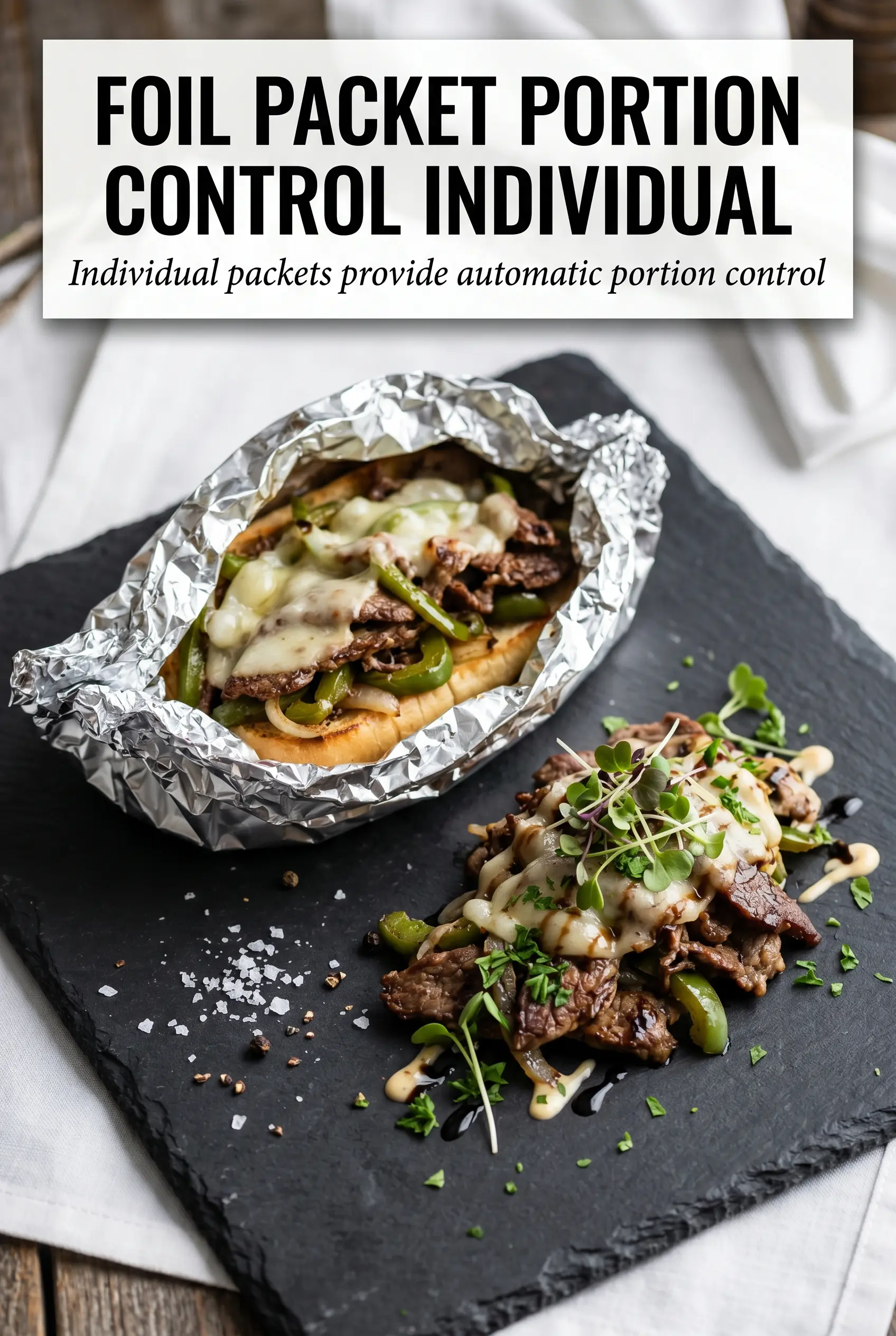
Philly Cheese Steak Foil Packet Dinners
Ingredients
Equipment
Method
- Divide the sirloin steak, bell peppers, onion, and mushrooms evenly among 4 large sheets of heavy-duty foil.
- Drizzle the steak and vegetables on each foil sheet with olive oil and Worcestershire sauce.
- Season each packet with garlic powder, salt, and pepper.
- Top each packet with 2 slices of provolone cheese.
- Fold the foil tightly to seal into packets, pressing edges to prevent steam leaks.
- Grill the sealed foil packets over medium heat for 18-20 minutes, flipping halfway, until the steak is cooked and the packet contents are steaming hot.
- Carefully open each packet and serve immediately in hoagie rolls or as-is.